

Ridge Gourd Curry: The Best Sabzi for Digestion

By A Reza, Health & Nutrition Writer
12 June 2026 · 6 min read · 116 views

Ridge gourd curry is one of the most gut-friendly Indian dishes you can make. Here's why this humble sabzi deserves a regular spot on your plate.
Ridge Gourd Curry: The Best Sabzi for Digestion
About 30% of Indians report some form of digestive discomfort — bloating, irregular bowel movements, acidity — on a regular basis. And yet one of the most effective, affordable remedies sits quietly in the vegetable basket at every local sabzi mandi: ridge gourd.
You might know it as turai, torai, or beerakaya depending on where you're from. Botanically it's Luffa acutangula, a long, ridged green vegetable that most people either love or completely ignore. If you've been ignoring it, this article might change that.
Why Ridge Gourd Is Unusually Good for Your Gut
Ridge gourd is roughly 94% water. That alone makes it one of the most hydrating vegetables in the Indian kitchen — and hydration is the quiet engine behind smooth digestion. When your gut is well-hydrated, food moves through easily, stools soften naturally, and the whole system works with less friction.
But water content is just the beginning. Ridge gourd contains a meaningful amount of dietary fiber, which is exactly what your digestive tract needs to stay active and healthy. Fiber feeds the beneficial bacteria in your colon, helps regulate bowel movements, and reduces the kind of sluggish, heavy feeling that can follow a rich meal.
It's also low in calories and easy to digest, meaning it won't sit heavily in your stomach the way, say, a paneer-heavy gravy might. Think of it as a reset meal — light enough to give your gut a bit of breathing room.
The Nutrients Behind the Benefits
Ridge gourd punches above its weight nutritionally:
- Dietary fiber — supports regularity and feeds gut bacteria
- Vitamin C — supports the gut lining and overall immunity
- B vitamins (especially B6) — play a role in metabolism and nerve function in the gut
- Zinc and magnesium — support enzyme activity involved in digestion
- Antioxidants — help reduce inflammation in the digestive tract
It's not a superfood in the buzzword sense. It's something more practical: a genuinely useful, accessible vegetable that your body processes easily and benefits from consistently.
How Ridge Gourd Curry Supports Digestion Specifically
Raw vegetables aren't always gut-friendly, especially for people who deal with bloating or irritable digestion. Cooking ridge gourd into a simple curry softens the fiber, making it gentler on a sensitive gut while preserving most of the micronutrients.
The spices commonly used in turai sabzi — cumin (Cuminum cyminum), turmeric (Curcuma longa), and coriander — aren't just flavoring. Cumin has long been used in Ayurvedic practice to reduce gas and bloating. Turmeric contains curcumin, which has well-documented anti-inflammatory properties that can benefit the gut lining. Together, these spices make ridge gourd curry more than the sum of its parts.
If you're already curious about other vegetables that support digestion, lauki sabzi works in a similar way — light, hydrating, and easy on the stomach. And if managing blood sugar alongside digestion is a concern, karela sabzi has its own strong case.
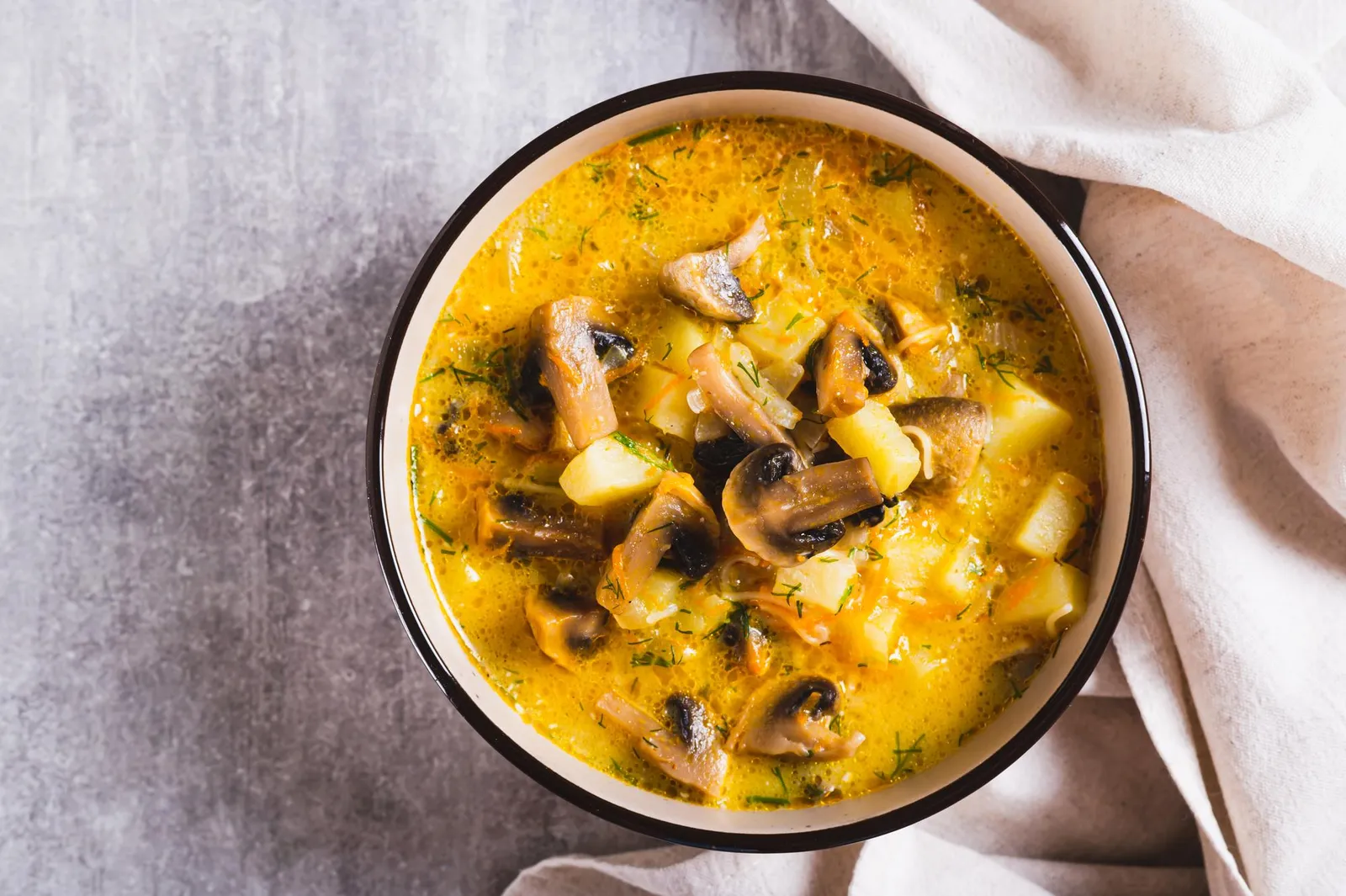

A Simple Ridge Gourd Curry Recipe (That Actually Tastes Good)
This is a straightforward turai sabzi — no complicated steps, no hard-to-find ingredients.
What you'll need:
- 2 medium ridge gourds, peeled and chopped into small pieces
- 1 medium onion, finely chopped
- 2 medium tomatoes, chopped
- 1 tsp cumin seeds
- 1/2 tsp turmeric powder
- 1 tsp coriander powder
- Salt to taste
- 1 tbsp oil (mustard or sunflower works well)
- Fresh coriander to garnish
How to make it:
- Heat oil in a pan. Add cumin seeds and let them splutter.
- Add onion and cook until translucent — about 4-5 minutes.
- Add tomatoes, turmeric, coriander powder, and salt. Cook until the tomatoes break down.
- Add the ridge gourd pieces, stir well, cover, and cook on low heat for 10-12 minutes.
- The gourd releases water as it cooks, so no extra water is usually needed. Uncover for the last 2 minutes to let any excess moisture evaporate.
- Garnish with fresh coriander. Serve with roti or plain rice.
The whole thing comes together in under 20 minutes. That's the kind of practical nutrition that actually fits into real life.
When to Eat Ridge Gourd Curry for Best Results
Ridge gourd curry works particularly well at lunch or dinner when you want a light but satisfying meal. It's a good choice after a few days of heavier eating — think post-festival or after a wedding week when your digestive system feels overworked.
Pairing it with plain rice or a simple dal keeps the meal easy to digest. Avoid combining it with very heavy, oily sides if the goal is gut relief.
A warm cup of digestive tea after the meal can complement the effect nicely. If you're exploring that angle, the best teas for digestion during monsoon is worth a read — and best seeds for gut health is useful if you want to round out your gut-support approach beyond just meals.
Who Should Eat Ridge Gourd Curry More Often
Ridge gourd curry is particularly helpful if you:
- Deal with constipation or irregular bowel movements
- Experience bloating after meals regularly
- Are trying to reduce calorie intake without feeling hungry
- Have been advised to eat more fiber-rich foods
- Have a sensitive stomach and need foods that are easy to digest
It's gentle enough for children, elderly family members, and anyone recovering from a stomach upset. In many Indian households, it's actually considered a "recovery food" — given to someone after illness precisely because it's light and nourishing.
A Note on Buying and Storing Ridge Gourd
Choose ridge gourds that are firm, dark green, and not too large. Very large gourds tend to be tough and slightly bitter. Medium-sized ones, roughly 20-25 cm, are the sweet spot for flavor and texture. Use them within 2-3 days of purchase — they don't keep as long as other gourds.
Latest Articles
How to Eat Soaked Almonds Daily for Best Results
Soaked almonds pack more nutrition than raw ones. Here's exactly how to eat them daily — the right time, quantity, and simple habits that actually work.

How to Feed Goats During Monsoon Season
Monsoon changes everything for goat farmers. Learn exactly what to feed your goats during the rainy season to keep them healthy, productive, and disease-free.

Best Feed for Goats in Summer Heat
Struggling to keep your goats healthy in hot weather? Discover the best summer feed for goats to maintain weight, milk, and energy when temperatures soar.

Goat Milk for Lactose Intolerance: Does It Help?
Think goat milk is lactose-free? It's not — but it may still be easier to digest. Here's what the science actually says about goat milk and lactose intolerance.
Is Goat Meat Good for Weight Loss?
Wondering if goat meat fits into a weight loss diet? Here's what its nutrition profile really means for your goals — no fluff, just facts.

Goat Milk vs Cow Milk: Which Is Better for You?
Goat milk vs cow milk — which should you choose? Compare nutrition, digestion, taste, and health benefits to find the best fit for your diet.
Frequently Asked Questions
⚕️ Medical Disclaimer
This article is for informational and educational purposes only and is not a substitute for professional medical advice, diagnosis, or treatment. Always consult a qualified healthcare provider with any questions about a medical condition. Read full disclaimer.
Get healthy tips in your inbox
Join the Nutrikoo newsletter for science-backed nutrition, recipes and wellness — no spam, unsubscribe anytime.