

Psyllium Husk for Gut Health: Real Benefits

By A Reza, Health & Nutrition Writer
5 July 2026 · 7 min read · 0 views
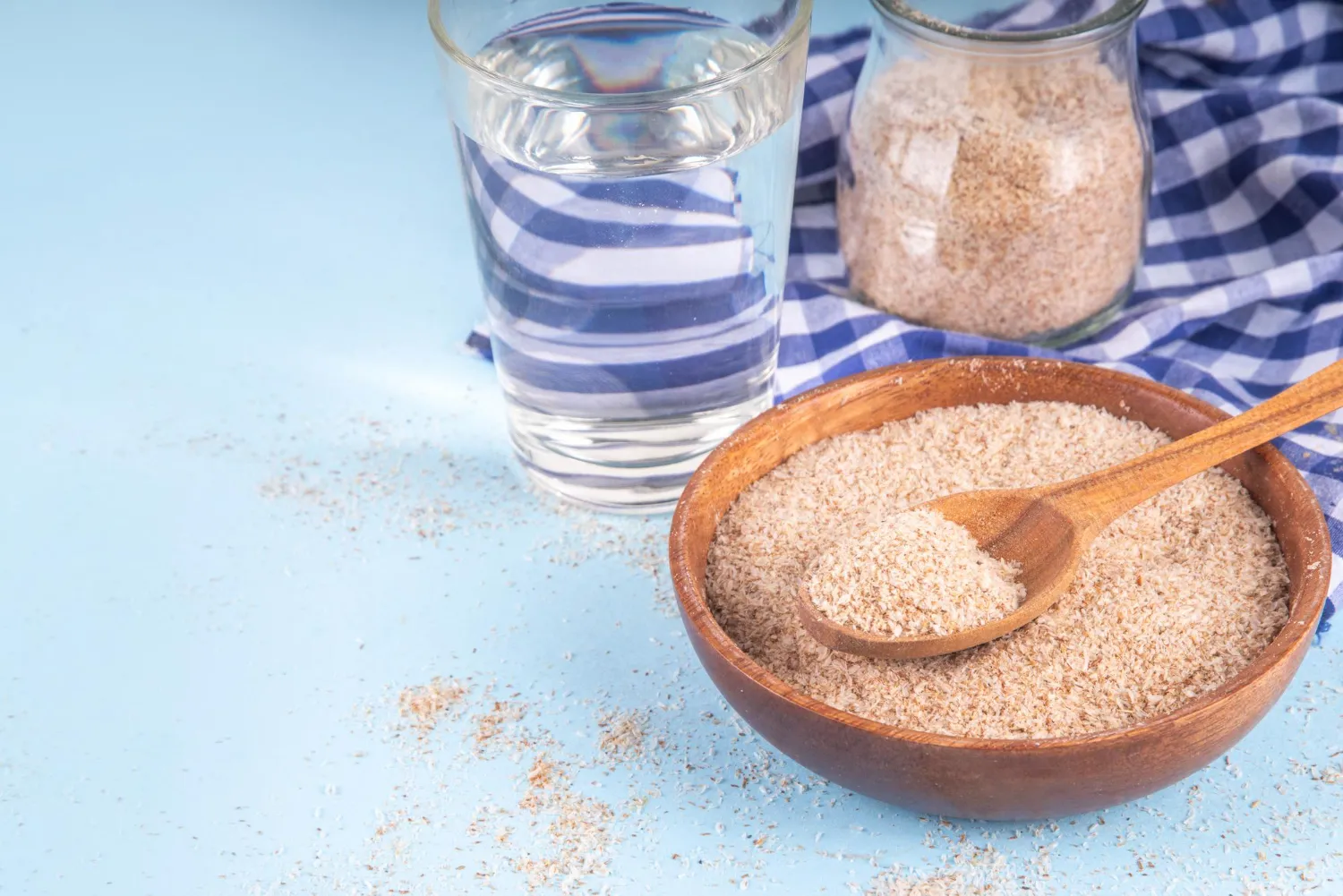
Discover how psyllium husk supports digestion, relieves constipation, and feeds good gut bacteria — plus how to use it safely every day.
Psyllium Husk for Gut Health: Real Benefits
Most Indian kitchens have a small box of isabgol tucked somewhere in the medicine cabinet — pulled out only when someone is badly constipated. It quietly does its job, and then goes back on the shelf, underappreciated. But psyllium husk (Plantago ovata) deserves a proper look, because it does quite a bit more than just ease an occasional bout of constipation.
Let's break down what psyllium husk actually does for your gut, how it compares to other fiber sources, and when it genuinely helps versus when it might not be the right choice.
What Makes Psyllium Husk Different From Other Fibers?
Dietary fiber broadly falls into two camps: soluble and insoluble. Most plant foods contain a mix of both. Psyllium husk is unusual because it is almost entirely soluble fiber — and a particular kind called a viscous, gel-forming fiber.
When you stir psyllium husk into a glass of water, you can watch it happen in real time. The powder absorbs water and swells into a thick, slippery gel. This gel is what makes psyllium husk so effective — and so different from, say, wheat bran (mostly insoluble) or even oats (mixed).
Compare that to a fiber like cellulose from vegetables, which mostly adds bulk and speeds transit time. Psyllium's gel does something more nuanced: it slows things down when needed and softens and moves things along when needed. That bidirectional quality is rare.
The Core Gut Health Benefits — Honestly Explained
1. Relieving Constipation (Without Being Harsh)
This is where psyllium husk has the strongest, most consistent evidence. Unlike stimulant laxatives — which essentially force your colon to contract — psyllium works mechanically. The gel it forms adds moisture and bulk to stool, making it easier to pass without cramping or urgency.
For anyone dealing with chronic constipation, this gentle action matters a lot. There's no dependency risk, which is a genuine concern with some over-the-counter laxatives used regularly.
2. Calming Diarrhea and Loose Motions
Here's where the comparison with other remedies gets interesting. Charcoal tablets, ORS, or simply fasting are common go-tos for loose motions. Psyllium husk actually absorbs excess water in the gut and slows the rapid transit that causes diarrhea. That same gel that softens hard stool also firms up loose stool.
It's not a first-line treatment for acute infections — if you have a fever or signs of a gut infection, see a doctor. But for functional diarrhea or mild loose motions, isabgol in water has been used in Indian households for this exact reason for decades, and the science backs it up.
3. Managing IBS Symptoms
Irritable bowel syndrome is frustrating partly because it flips between constipation and diarrhea, often in the same person. Psyllium husk is one of the few fiber supplements that has been studied specifically in IBS and shows consistent benefit — especially for the constipation-predominant type, but also for overall symptom scores.
Insoluble fiber, like wheat bran, can sometimes worsen bloating and cramping in IBS. Psyllium, being a gel-forming soluble fiber, tends to be gentler on sensitive guts. If you have IBS and haven't tried psyllium yet, it's worth a conversation with your doctor.
For more on building a gut-friendly diet day to day, the best Indian foods for a healthy gut is a useful starting point.
4. Feeding Your Gut Bacteria (The Prebiotic Angle)


This is arguably the most exciting, and most underappreciated, benefit. Psyllium husk is partially fermented by bacteria in the large intestine. In plain English: your gut bugs eat it, and in doing so, they produce short-chain fatty acids — compounds that nourish the gut lining and reduce inflammation.
Psyllium isn't as aggressively fermented as something like inulin (found in onions and garlic), which means it's less likely to cause gas and bloating. It supports the gut microbiome quietly and steadily rather than causing a dramatic fermentation party.
If you're curious about other fiber-rich foods that support gut bacteria, check out our article on high fiber foods for better digestion in India.
5. Supporting the Gut Lining
The short-chain fatty acids produced from psyllium fermentation — particularly butyrate — help maintain the integrity of the gut lining. A healthy gut lining is essentially the gatekeeper between your digestive tract and your bloodstream. When it weakens, you get increased intestinal permeability, which is linked to a range of inflammatory conditions.
Psyllium Husk vs. Eating High-Fiber Foods
A fair question: if you're already eating dal, vegetables, and fruits regularly, do you actually need psyllium husk?
For most people eating a genuinely varied, fiber-rich Indian diet, probably not as a supplement. But honestly, most of us aren't eating as much fiber as we think. Psyllium husk is a convenient, concentrated dose — one teaspoon contains roughly 5 grams of soluble fiber. You'd need to eat a large bowl of oats or a significant amount of fruit to match that.
That said, fiber from whole foods comes packaged with vitamins, minerals, and phytochemicals that a supplement can't replicate. Think of psyllium as a useful tool, not a replacement for eating well. Foods like jamun and papaya also bring real digestive benefits alongside their fiber content.
How to Actually Use It
Start low and go slow. If you tip a full tablespoon of psyllium husk into your routine overnight, you may end up bloated and uncomfortable. Begin with half a teaspoon in a large glass of water once a day, and work up over a couple of weeks.
A few practical notes:
- Always take it with plenty of water — at least 200-250 ml per dose. This is non-negotiable. Psyllium absorbs liquid rapidly; without enough water, it can actually cause a blockage.
- Timing matters less than consistency. Taking it before a meal may help you feel fuller; taking it at night works for some people's digestion. Find what fits your routine.
- Mix it quickly and drink immediately — it thickens fast in the glass.
- The powder form (isabgol) and capsule form are both effective; capsules are just easier to travel with.
When to Be Careful
Psyllium is generally very well tolerated, but there are a few situations to keep in mind:
- Swallowing difficulties: The expanding gel can be a choking hazard if you don't drink enough water.
- Certain medications: Psyllium can slow the absorption of some drugs (like diabetes or heart medications). Take it at least 1-2 hours apart from any regular medications.
- Bowel obstruction: If you have any history of intestinal narrowing or obstruction, avoid psyllium unless your doctor specifically clears it.
And if you're looking at gut health from a seasonal perspective — say, during the monsoon when digestion tends to get sluggish — this guide on improving gut health in monsoon season pairs well with what you're reading here.
Latest Articles
How to Use Ashwagandha for Stress and Energy
Learn how to use ashwagandha for stress relief and better energy — right dose, best timing, and practical tips backed by Ayurvedic and modern science.
Black Pepper for Immunity: Real Benefits Explained
Black pepper does more than season your food. Discover how piperine boosts immunity, fights inflammation, and why this humble spice deserves more credit.
Turmeric vs Ginger for Inflammation: Which Wins?
Turmeric or ginger — which spice fights inflammation better? Here's a practical, evidence-based guide to help you choose the right one for your needs.
Ginger for Digestion: Does It Really Work?
Bloated after a heavy meal? Ginger has been used for centuries to ease digestion. Here's what science and tradition actually say about how it works.
Tulsi for Monsoon Immunity: Real Benefits
Discover how tulsi boosts immunity during monsoon season, fights infections, and supports respiratory health — with practical ways to use it daily.
How to Improve Gut Health in Monsoon Season
Monsoon plays havoc with digestion. Here's how to protect your gut health this rainy season with smart food choices, hydration tips, and simple habits.
Frequently Asked Questions
⚕️ Medical Disclaimer
This article is for informational and educational purposes only and is not a substitute for professional medical advice, diagnosis, or treatment. Always consult a qualified healthcare provider with any questions about a medical condition. Read full disclaimer.
Editorial note: This article was researched and written with the assistance of AI tools and reviewed by the Nutrikoo editorial team for accuracy and clarity. It is for general information only and is not medical advice. See our editorial policy.
Get healthy tips in your inbox
Join the Nutrikoo newsletter for science-backed nutrition, recipes and wellness — no spam, unsubscribe anytime.