

Ginger for Digestion: Does It Really Work?

By Payal, Content Reviewer
5 July 2026 · 7 min read · 0 views
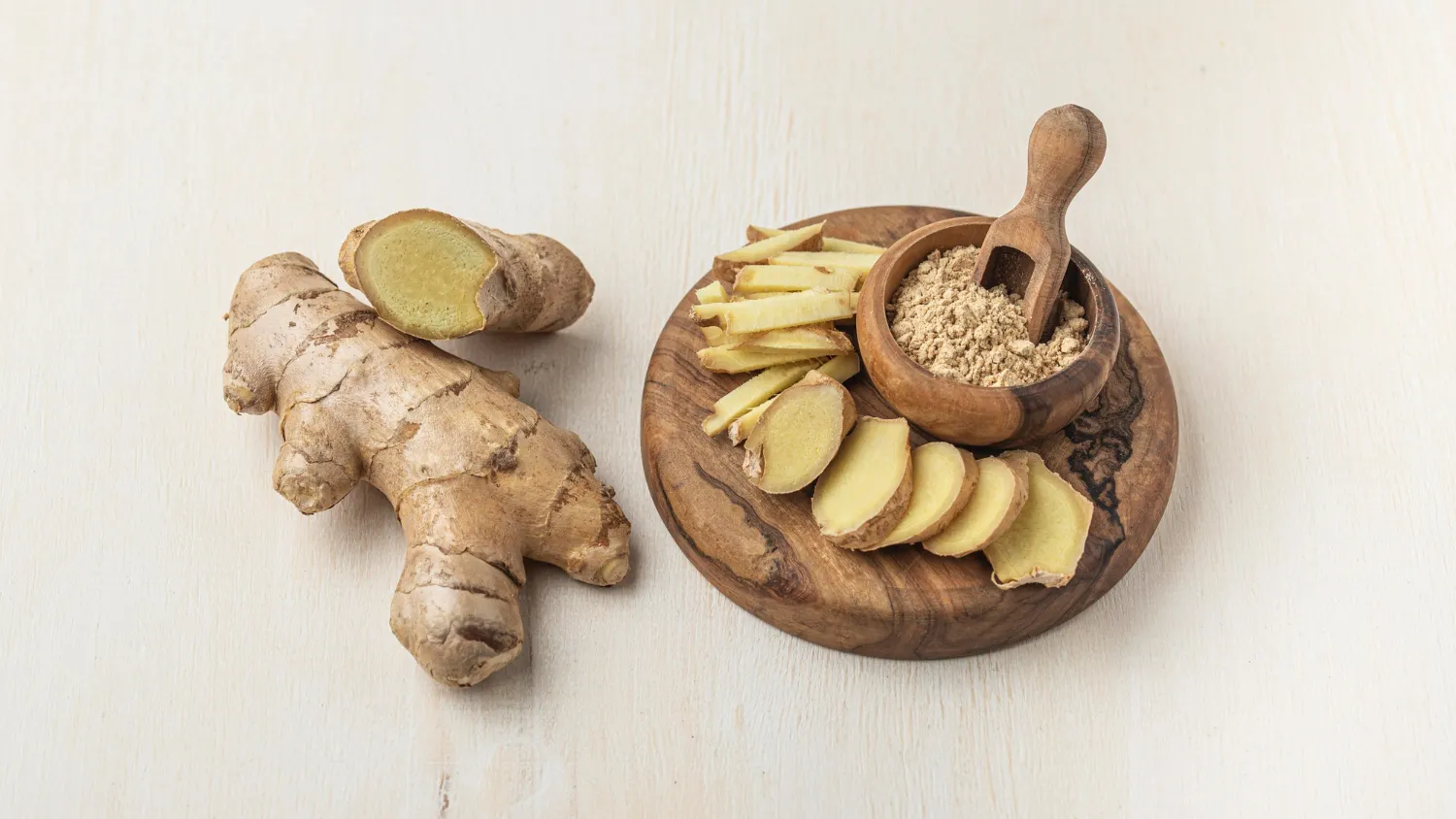
Bloated after a heavy meal? Ginger has been used for centuries to ease digestion. Here's what science and tradition actually say about how it works.
Ginger for Digestion: Does It Really Work?
You know that heavy, uncomfortable feeling after a big meal — maybe a plate of rajma chawal at a family lunch, or a festive spread you had no business finishing. Your stomach feels sluggish, you're bloated, and someone in the kitchen says, "Have some adrak wali chai." Sound familiar?
Ginger (Zingiber officinale) has been a kitchen staple and digestive aid across Indian, Chinese, and Ayurvedic traditions for thousands of years. But does it actually work, or is it just one of those things we do because our grandmothers said so? Turns out, there's solid reasoning — and real science — behind it.
What Happens in Your Gut After You Eat
Before getting to ginger, it helps to understand what digestion actually involves. When you eat, your stomach churns food, your small intestine absorbs nutrients, and the whole system relies on timely muscle contractions — called gastric motility — to keep things moving.
When that process slows down, you feel it: bloating, fullness, gas, nausea, or that awful sensation where food just seems to sit there. This is often called functional dyspepsia, and it's far more common than people realise.
What Makes Ginger Special for Digestion
Ginger contains two key groups of active compounds — gingerols (found in fresh ginger) and shogaols (more concentrated in dried ginger). These aren't just flavour molecules; they interact with receptors in the gut and the digestive nervous system.
Here's what they actually do:
- Speed up gastric emptying: Ginger helps the stomach push its contents into the small intestine faster. This is why it can ease that heavy, "food just sitting there" feeling.
- Reduce nausea: Ginger is one of the better-studied natural remedies for nausea — whether from motion sickness, pregnancy, or post-surgery. It seems to work partly by blocking serotonin receptors in the gut that trigger the nausea response.
- Ease spasms and gas: It has mild antispasmodic properties, which means it can calm gut cramping and help trapped gas move along.
- Stimulate digestive enzymes: Some research suggests ginger can encourage the production of enzymes that break down food, particularly fats and proteins.
None of this is folk wisdom dressed up in science. These are documented mechanisms, though it's fair to say we're still learning the full picture.
Ginger for Specific Digestive Problems
Bloating and Gas
This is where ginger earns its stripes most consistently. Sipping warm ginger tea or chewing a small piece of fresh ginger after meals can genuinely reduce that gassy, distended feeling. The carminative (gas-expelling) properties of ginger are well-recognised. If you're someone who regularly struggles with bloating, a simple ginger habit might be worth trying — alongside looking at your overall diet, including foods like those covered in our guide to best Indian foods for a healthy gut.
Nausea
Fresh ginger, ginger tea, or even ginger candy has shown meaningful benefits for nausea — particularly morning sickness during pregnancy and chemotherapy-related nausea. The evidence here is actually stronger than for most natural remedies. A small amount (around 1 gram of ginger daily) is typically considered safe for short-term use in pregnancy, though it's worth checking with a doctor.
Sluggish Digestion and Indigestion
If you often feel uncomfortably full after meals, ginger's effect on gastric motility is relevant. It essentially nudges the stomach to empty faster, which can reduce that lingering fullness. People with gastroparesis (severely delayed stomach emptying) are sometimes advised to use ginger under medical supervision for this reason.
Constipation
Ginger is not a strong laxative, so don't expect it to replace fibre or hydration. But by supporting gut motility overall, it may offer mild relief for sluggish bowels. For more targeted constipation help, fibre-rich foods and options like psyllium husk for gut health are better bets.
IBS (Irritable Bowel Syndrome)


The evidence here is mixed. Some people with IBS find ginger soothing, particularly for cramping and nausea. Others find spicy or pungent foods (including ginger in large amounts) can be a trigger. It's a try-and-see situation.
How to Use Ginger for Digestion
You don't need supplements or fancy extracts. Here are practical ways to use ginger daily:
Fresh ginger tea: Grate or slice a 1-inch piece of fresh ginger into hot water. Steep for 5-7 minutes. Add honey or lemon if you like. Drink before or after meals.
Before-meal chew: A thin slice of fresh ginger with a pinch of rock salt and lemon juice, eaten about 15 minutes before a heavy meal, is a classic Ayurvedic digestive primer that actually has some physiological logic behind it — it may stimulate digestive juices.
Added to food: Ginger in curries, stir-fries, and dals isn't just flavour — you're getting mild digestive benefits with every meal.
Ginger water: Simmer sliced ginger in water for 10-15 minutes, strain, and sip throughout the day.
The monsoon season in particular is a time when digestion tends to go haywire. Pairing ginger with other gut-friendly habits is a smart move — you'll find more ideas in our article on how to improve gut health in monsoon season.
How Much Is Too Much?
For most adults, up to 3-4 grams of ginger per day is considered safe and effective. That's roughly a 1 to 1.5-inch piece of fresh root. More than that, especially on an empty stomach, can actually cause heartburn, mouth irritation, or mild digestive upset in sensitive individuals — which is ironic, given why you'd be using it.
People on blood-thinning medications (like warfarin) should be cautious, as ginger has mild antiplatelet effects. And if you have gallstones, check with your doctor — ginger stimulates bile production, which can sometimes be a problem.
Fresh vs. Dried Ginger: Does It Matter?
Yes, a bit. Fresh ginger is higher in gingerols, which are better for nausea and general soothing. Dried ginger has more shogaols, which tend to be more potent and warming — good for stimulating sluggish digestion, but potentially more irritating for sensitive stomachs. For most everyday digestive use, fresh is more versatile.
If you enjoy exploring other herbs with digestive and immunity benefits, tulsi's benefits during monsoon is worth reading — it pairs well with ginger in many traditional recipes.
What Ginger Won't Do
Let's be straight: ginger is not a cure for chronic digestive conditions. It won't fix structural issues, heal ulcers on its own, or replace a balanced diet. If you have persistent abdominal pain, significant changes in bowel habits, or unexplained nausea, those need proper medical attention — not just more ginger tea.
It also works better as a consistent habit than a one-off fix. A single cup of ginger tea the morning after a feast might help a little, but the real benefits come with regular, moderate use alongside a gut-friendly diet.
Pairing ginger with other high-fibre, digestion-supporting foods — like the ones in our papaya for digestion guide — is a more complete approach.
Latest Articles
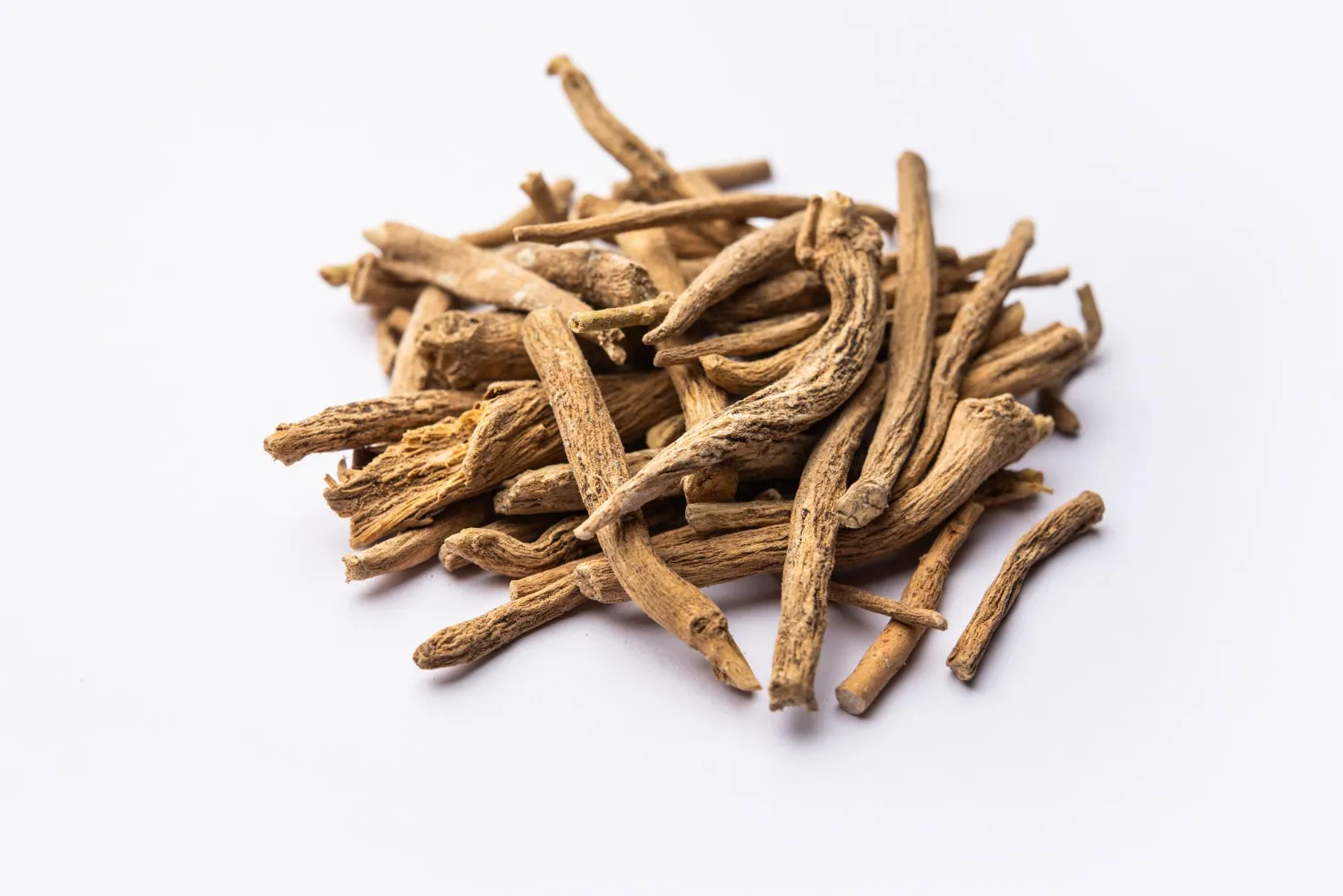
How to Use Ashwagandha for Stress and Energy
Learn how to use ashwagandha for stress relief and better energy — right dose, best timing, and practical tips backed by Ayurvedic and modern science.
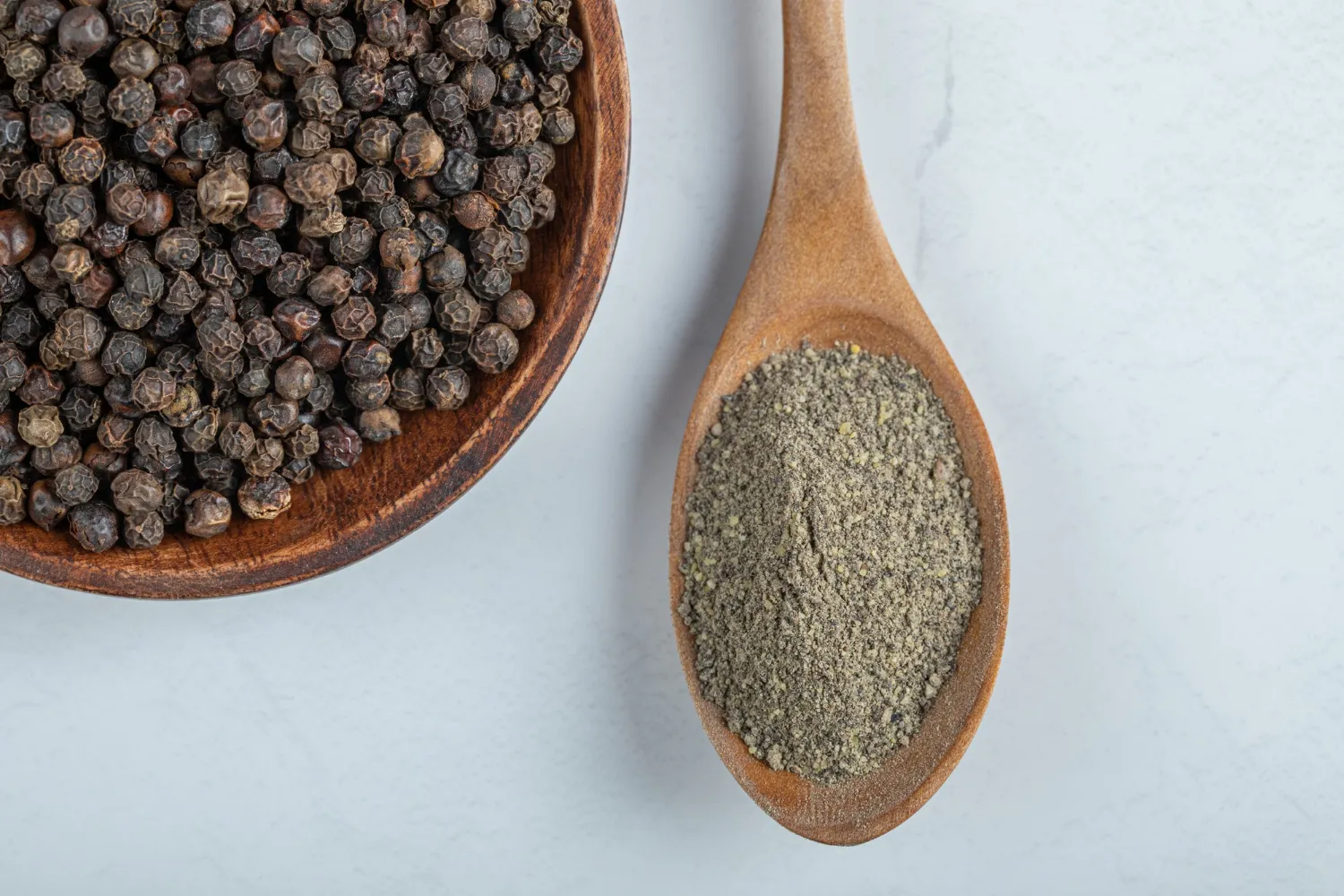
Black Pepper for Immunity: Real Benefits Explained
Black pepper does more than season your food. Discover how piperine boosts immunity, fights inflammation, and why this humble spice deserves more credit.
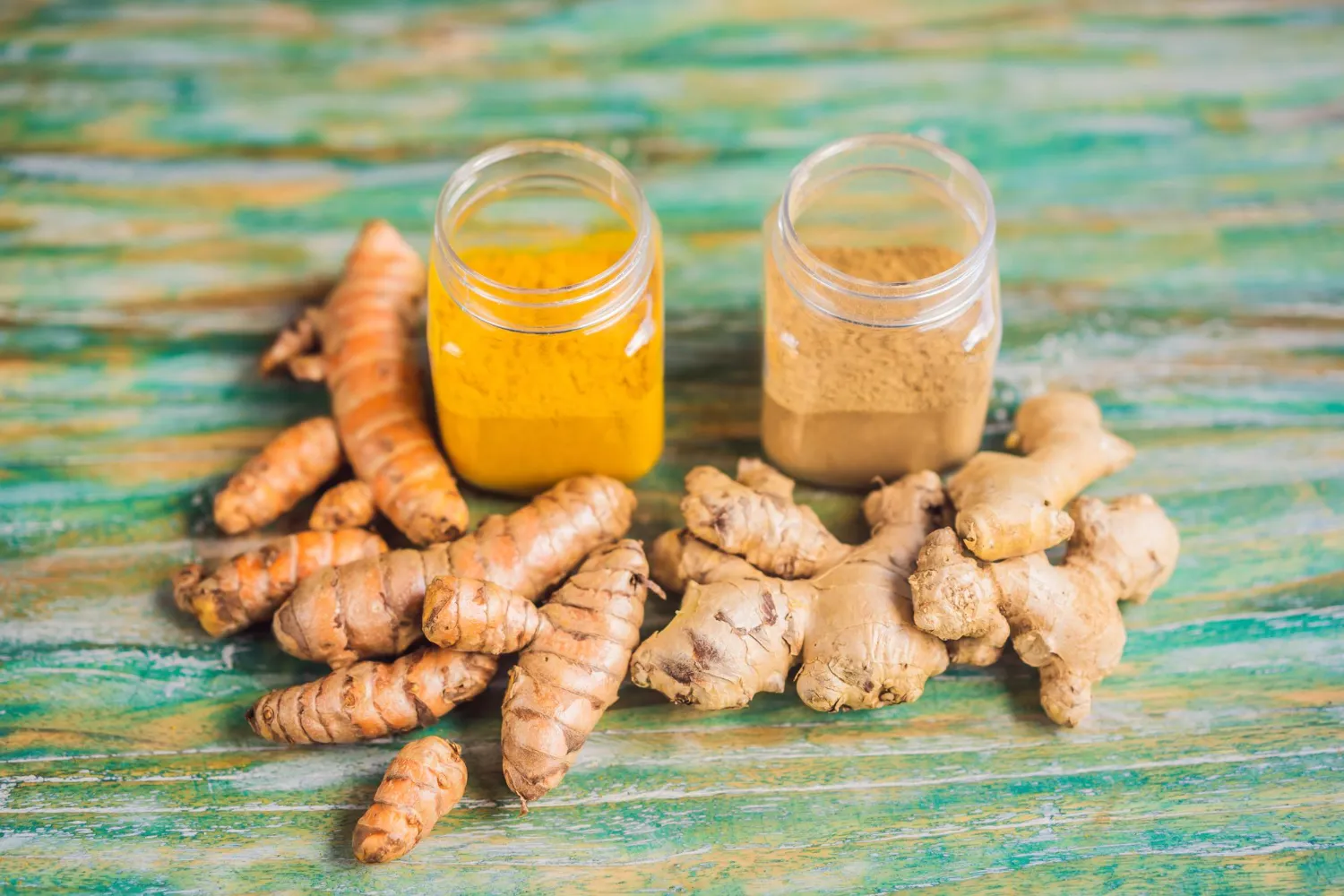
Turmeric vs Ginger for Inflammation: Which Wins?
Turmeric or ginger — which spice fights inflammation better? Here's a practical, evidence-based guide to help you choose the right one for your needs.
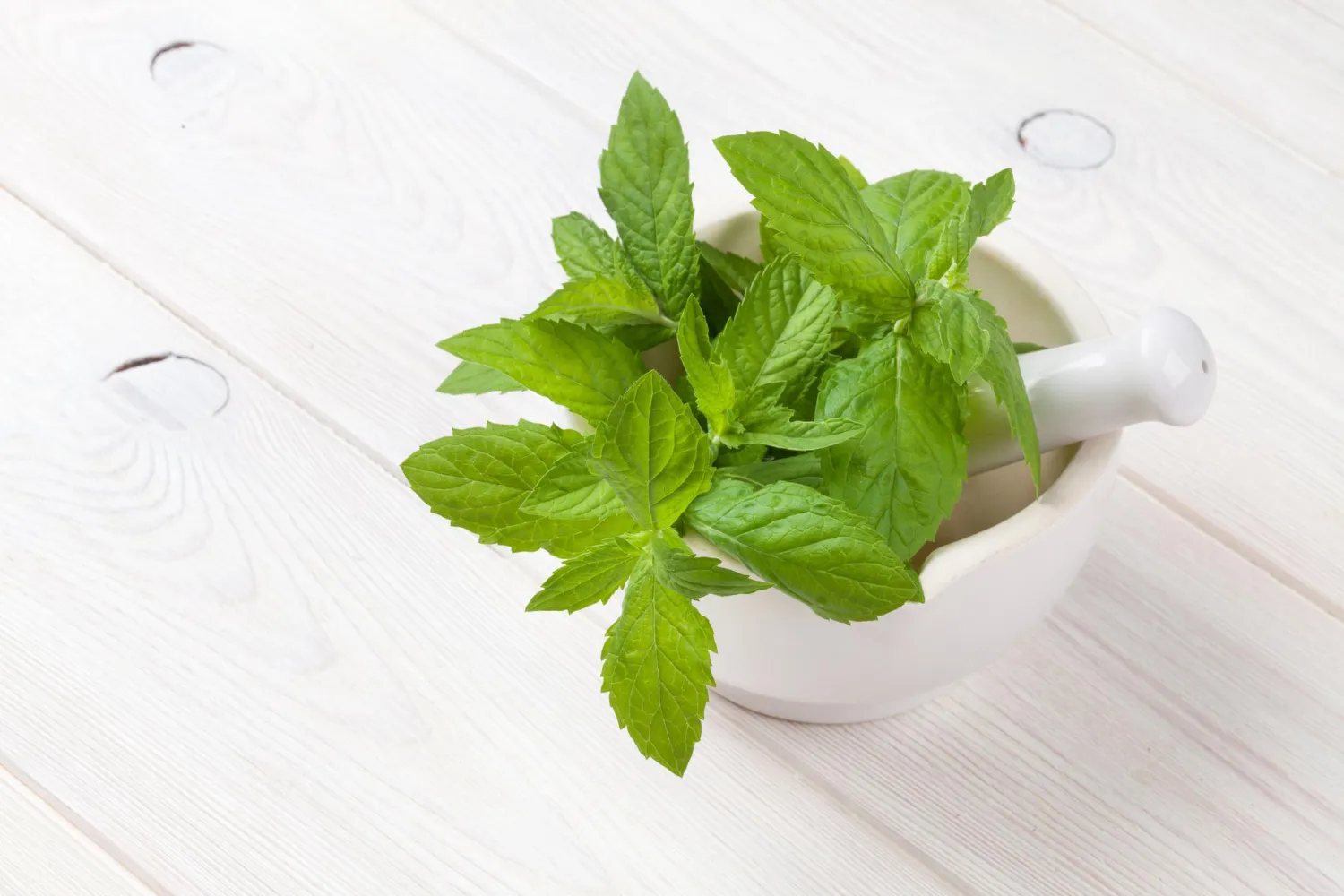
Tulsi for Monsoon Immunity: Real Benefits
Discover how tulsi boosts immunity during monsoon season, fights infections, and supports respiratory health — with practical ways to use it daily.
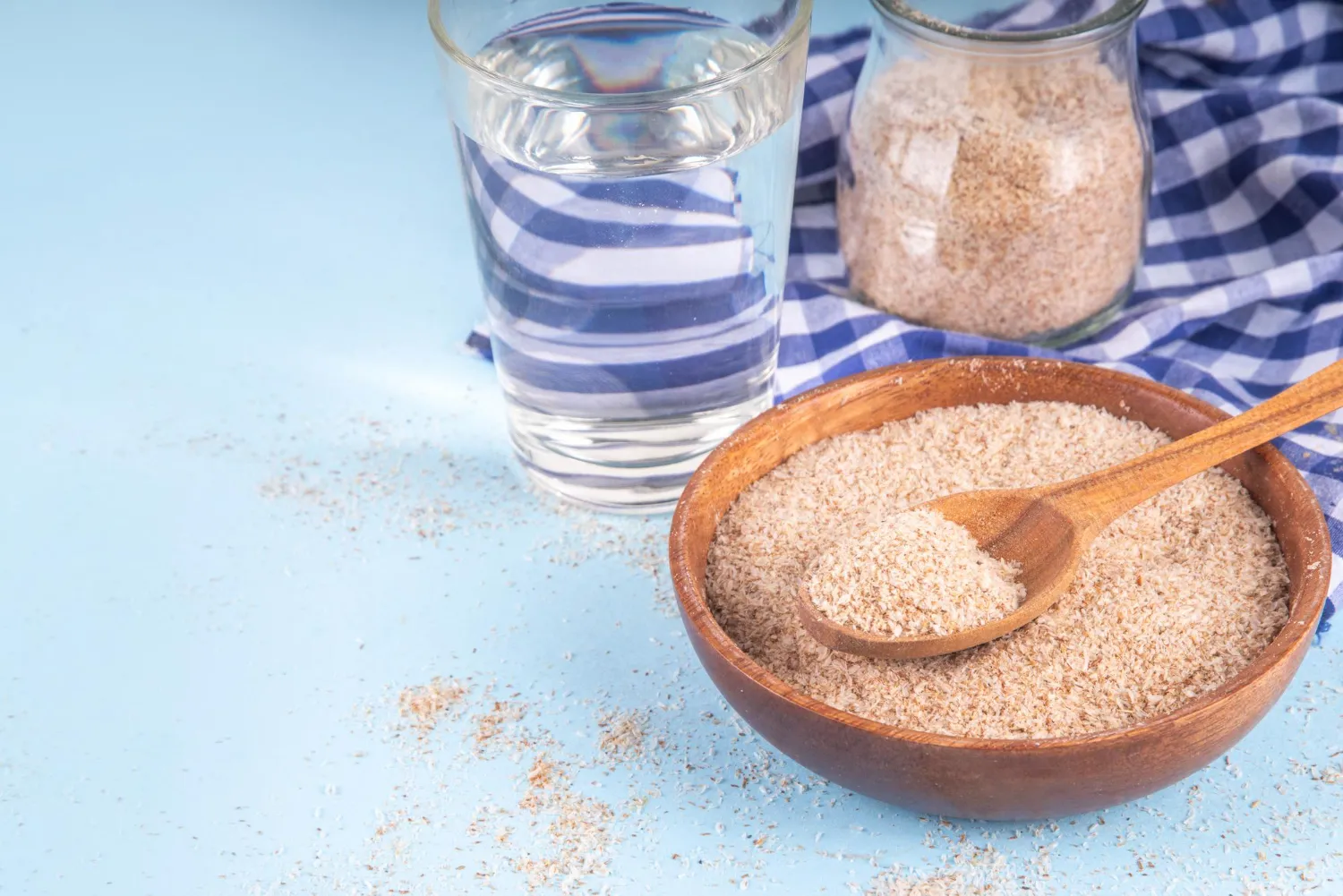
Psyllium Husk for Gut Health: Real Benefits
Discover how psyllium husk supports digestion, relieves constipation, and feeds good gut bacteria — plus how to use it safely every day.

How to Improve Gut Health in Monsoon Season
Monsoon plays havoc with digestion. Here's how to protect your gut health this rainy season with smart food choices, hydration tips, and simple habits.
Frequently Asked Questions
⚕️ Medical Disclaimer
This article is for informational and educational purposes only and is not a substitute for professional medical advice, diagnosis, or treatment. Always consult a qualified healthcare provider with any questions about a medical condition. Read full disclaimer.
Editorial note: This article was researched and written with the assistance of AI tools and reviewed by the Nutrikoo editorial team for accuracy and clarity. It is for general information only and is not medical advice. See our editorial policy.
Get healthy tips in your inbox
Join the Nutrikoo newsletter for science-backed nutrition, recipes and wellness — no spam, unsubscribe anytime.