

Does Fiber Help with Weight Loss? Here's the Truth

By A Reza, Health & Nutrition Writer
5 July 2026 · 7 min read · 58 views

Can eating more fiber actually help you lose weight? Discover how dietary fiber works, which foods to eat, and practical tips for Indian diets.
Does Fiber Help with Weight Loss? Here's the Truth
You've tried eating less. You've cut back on sweets. But by 4 PM, you're raiding the biscuit tin anyway — hungry, frustrated, and wondering what you're doing wrong. Sound familiar?
Here's something that might surprise you: the missing piece often isn't willpower. It's fiber.
Fiber is one of the least glamorous nutrients out there. No celebrity endorsements, no flashy packaging. But the evidence behind it — for hunger control, gut health, and steady, sustainable weight loss — is genuinely impressive. Let's get into how it actually works.
What Fiber Does Inside Your Body
Dietary fiber is the part of plant foods your digestive enzymes can't break down. It passes through your gut largely intact, but it's far from useless along the way.
There are two main types:
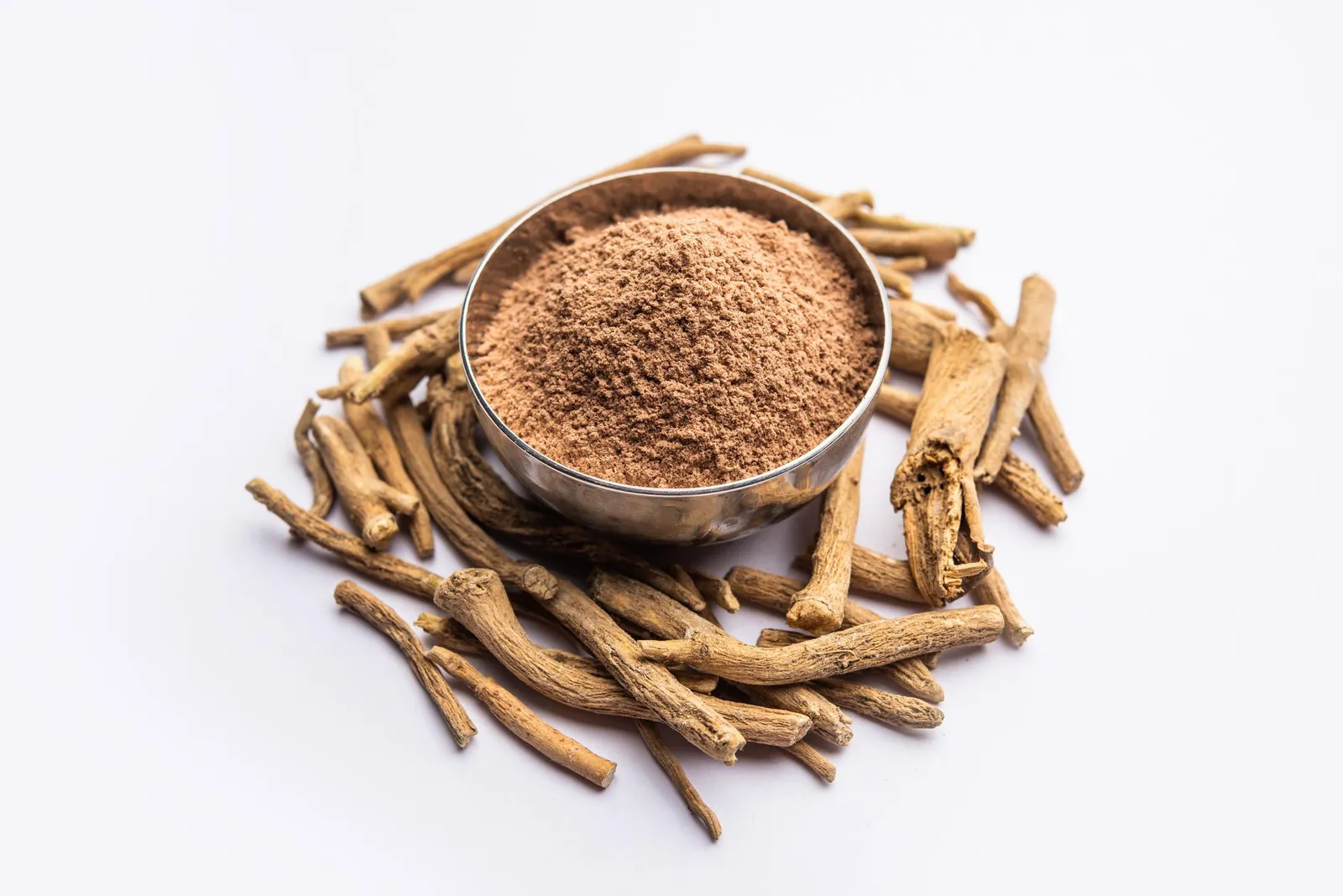
- Soluble fiber dissolves in water to form a thick gel. Think oats, lentils, apples, and psyllium husk (Plantago ovata). This gel slows digestion, which is key for weight management.
- Insoluble fiber doesn't dissolve. It adds bulk to stool and keeps things moving. You'll find it in whole wheat, brown rice, and most vegetables.
Both matter. But soluble fiber gets most of the credit when it comes to weight loss — and for good reason.
How Fiber Actually Helps You Lose Weight
It Keeps You Full for Longer
When soluble fiber forms that gel in your stomach, it physically slows how quickly food leaves your gut. The result? You feel satisfied longer after a meal. You don't hit that wall of hunger an hour after eating.
Think of it like a slow drip versus a flood. A high-fiber meal releases energy steadily. A low-fiber, refined-carb meal dumps energy fast — and leaves you hungry just as fast.
It Naturally Reduces How Much You Eat
Here's the practical upside: when you're not hungry, you eat less — without counting every calorie or feeling deprived. Several studies have found that people who increase their fiber intake tend to reduce their overall calorie consumption without trying to.
Adding a bowl of dal or starting your meal with a kachumber salad before your roti is a small habit with real results.
It Stabilizes Blood Sugar
Rapid blood sugar spikes — usually triggered by refined carbs and sugary snacks — are followed by rapid drops. Those drops signal hunger and trigger cravings. Soluble fiber blunts those spikes by slowing glucose absorption.
This is also why high-fiber diets are often recommended for people managing diabetes or insulin resistance, both of which are closely linked to weight gain.
It Feeds Your Gut Bacteria
Your gut microbiome is deeply connected to how your body manages weight. Fiber — especially from legumes, whole grains, and vegetables — acts as a prebiotic, feeding beneficial gut bacteria. A healthy gut microbiome appears to influence everything from inflammation to how efficiently you store fat.
For a deeper look at gut-friendly eating, check out best Indian foods for a healthy gut — the list might surprise you.
How Much Fiber Do You Actually Need?
Most adults need around 25–38 grams of fiber per day. Most people get about half that. The gap is real, and it shows up in energy levels, digestion, and yes, waistlines.
You don't need to overhaul your diet overnight. Gradual increases work better anyway — jumping from low to high fiber too quickly can cause bloating and discomfort.
A simple approach: add one high-fiber food to each meal and let your body adjust over two to three weeks.
Best High-Fiber Foods for Weight Loss (Indian Diet Focus)
The good news for Indian eaters? The traditional Indian diet is naturally rich in fiber — if you haven't moved too far toward processed, refined foods.
Legumes and Pulses
Dal, rajma, chana, moong — these are fiber powerhouses. A single cup of cooked masoor dal gives you roughly 15 grams of fiber. Eat dal every day and you're already halfway to your target before you've touched a vegetable.
Whole Grains
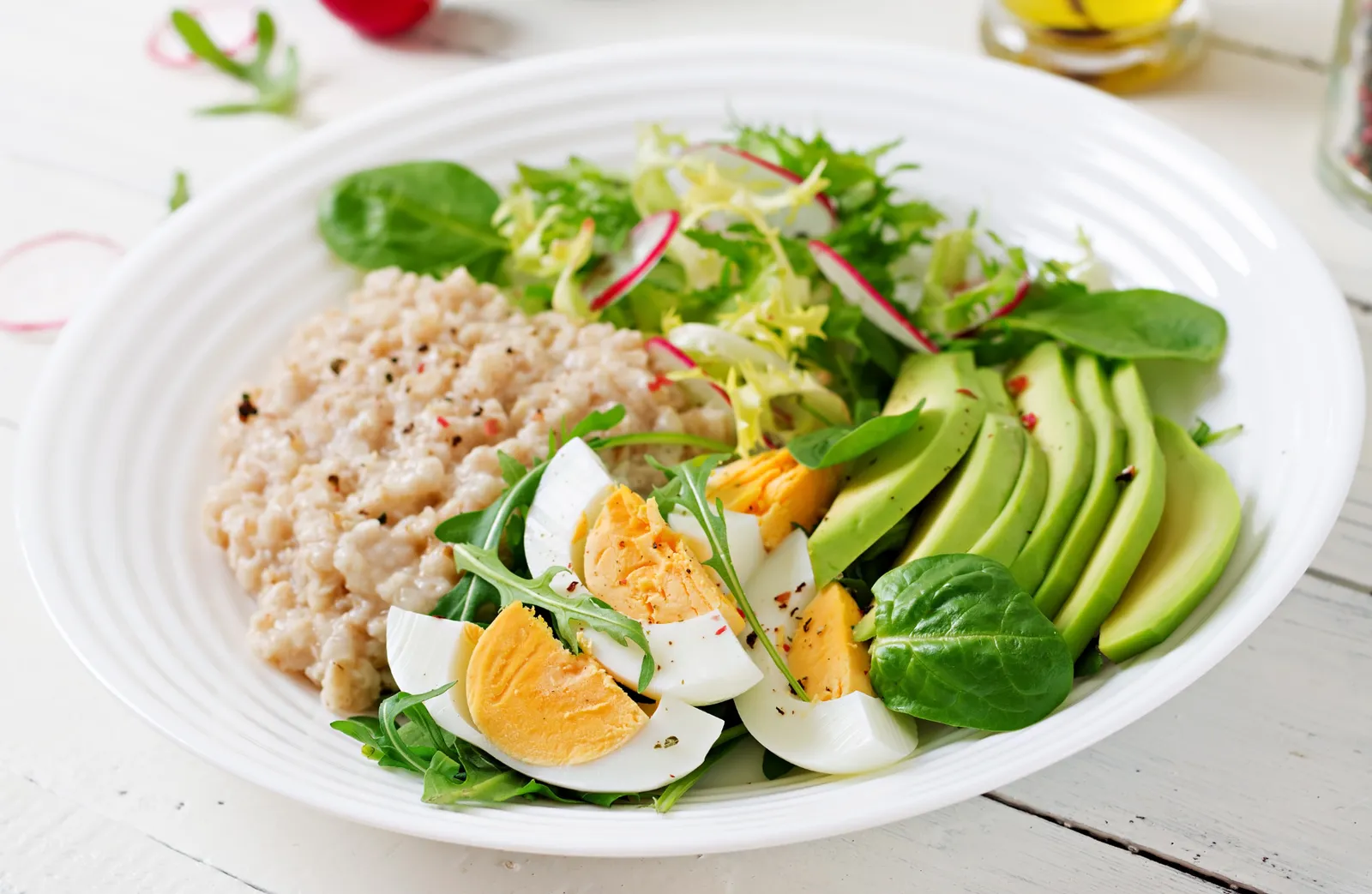
Swap maida for whole wheat atta. Try adding oats to your morning routine — a humble bowl of oats upma or overnight oats does more for your weight than most "diet foods" being marketed today.
Vegetables
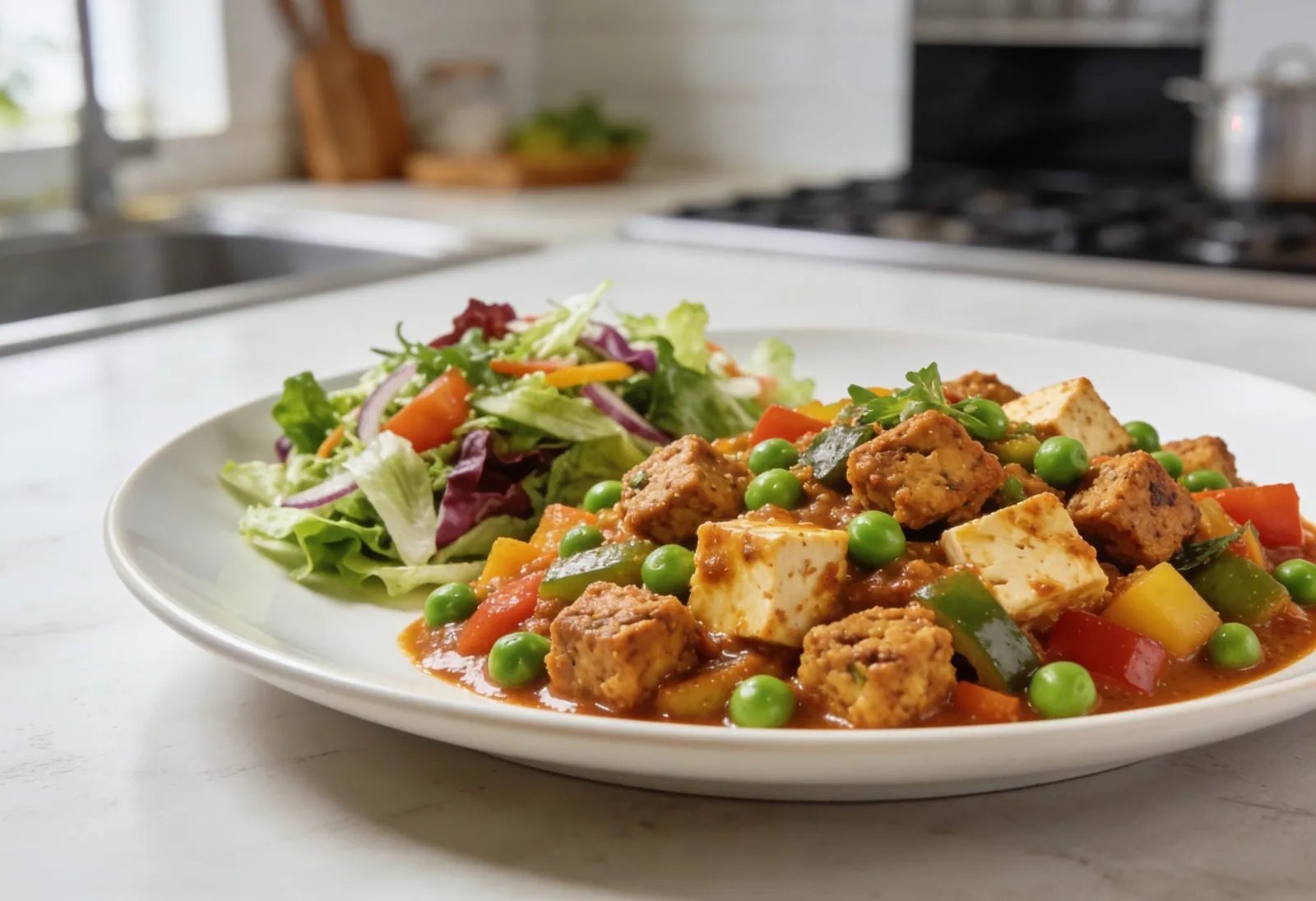
Lauki, tinda, karela, ridge gourd — these humble sabzis are low-calorie and high-fiber. Ridge gourd in particular is excellent for digestion; read more about it in ridge gourd curry for digestion. If you're looking for more vegetable ideas that pull double duty (fiber and protein), high protein sabzi for weight loss is worth a read.
Fruits
Papaya, guava, pears, and apples (with the skin on) are solid fiber sources. Papaya is especially gentle on digestion — see papaya for digestion: benefits and how to eat it for tips on how to get the most from it.
Nuts and Seeds
A small handful of almonds gives you fiber alongside healthy fats that also support satiety. They make an excellent mid-morning snack to bridge the gap between breakfast and lunch.
For a full breakdown of fiber-rich foods suited to Indian cooking, high fiber foods for better digestion in India covers the list in detail.
Common Mistakes That Undercut Your Fiber Intake
Peeling everything. A lot of fiber sits in the skin of fruits and vegetables. Peel the apple, and you lose a meaningful chunk of the benefit.
Choosing refined grains. White rice and maida-based breads are stripped of their fiber during processing. They're not inherently evil, but they shouldn't be your staples if weight loss is the goal.
Relying on fiber supplements instead of food. Psyllium husk and other supplements can help — especially for gut regularity — but they don't come with the vitamins, minerals, and phytonutrients you get from actual food.
Drinking too little water. Fiber needs water to do its job properly. If you increase fiber without increasing fluids, you risk constipation rather than solving it.
A Realistic Week to Start
You don't need a meal plan. Just a few swaps:
- Breakfast: Oats with fruit, or whole wheat dalia with vegetables.
- Lunch: Two rotis (whole wheat) with dal and a sabzi — add a small salad on the side.
- Snack: A handful of roasted chana or a piece of fruit with the skin.
- Dinner: Keep it light. A bowl of vegetable soup or khichdi with moong dal works well.
That's it. No supplements, no detoxes, no strict calorie counting. Just more whole, plant-based food.
Latest Articles
Jamun Benefits for Digestion and Gut Health
Discover how jamun supports digestion, relieves bloating, and improves gut health — plus practical tips on how to eat it for the best results.
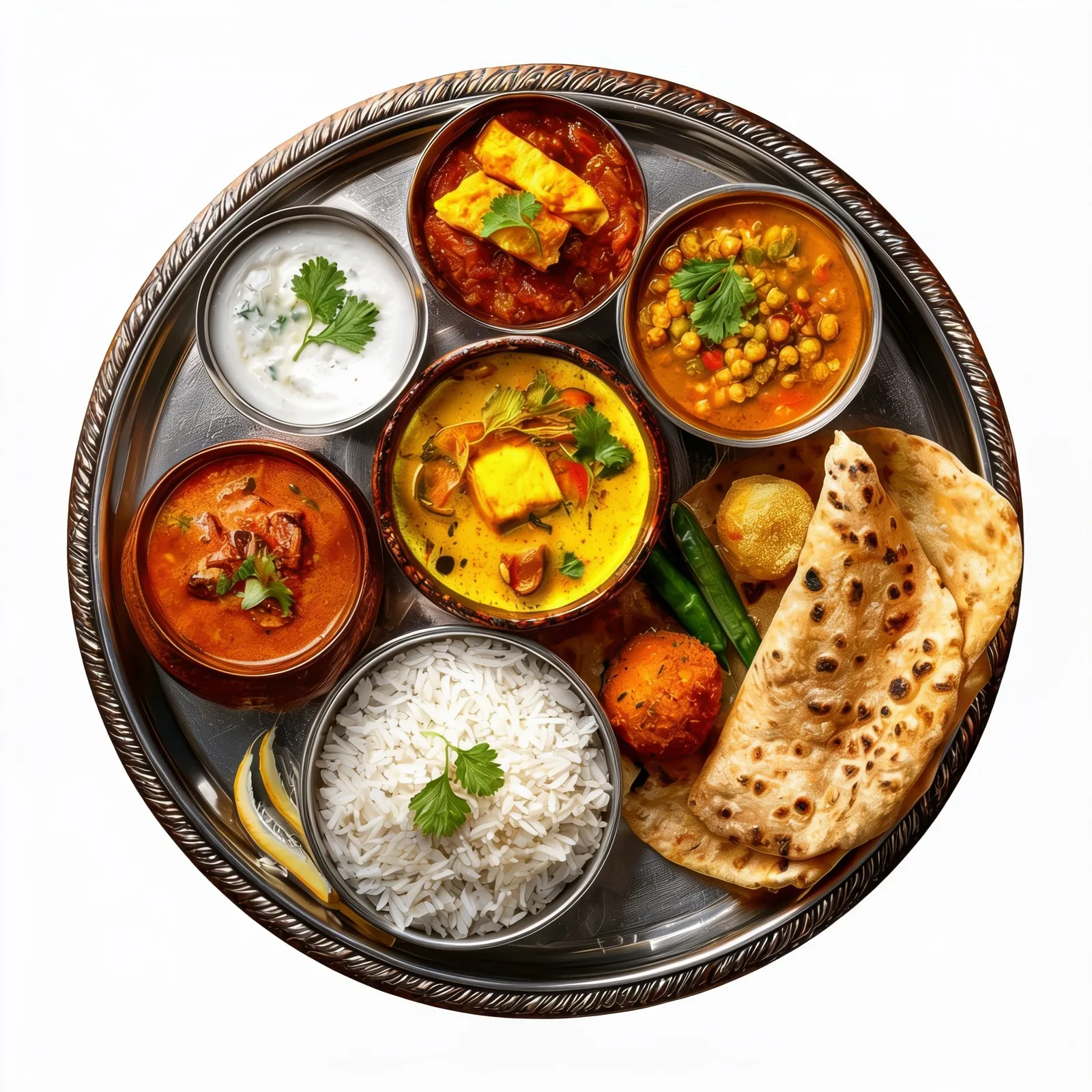
Best Indian Foods for a Healthy Gut
Bloating, sluggish digestion, or an upset stomach? These best Indian foods for a healthy gut can help you eat your way to better digestive health.

Papaya for Digestion: Benefits and How to Eat It
Papaya is one of the best fruits for gut health. Learn how it aids digestion, eases bloating, and the best ways to eat it daily for real results.
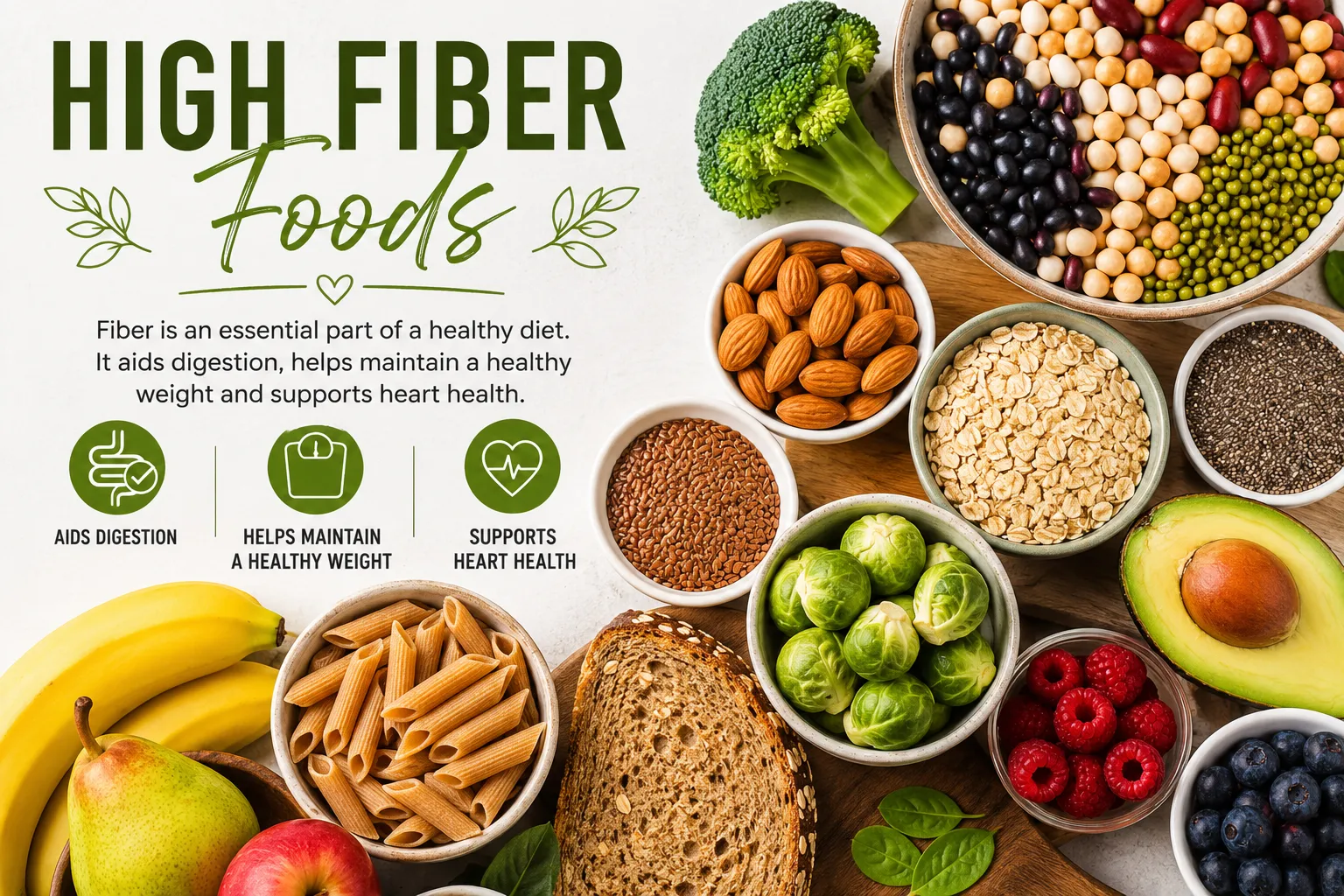
High Fiber Foods for Better Digestion in India
Discover the best high fiber foods for better digestion in India — from dal to drumstick — and why most Indians aren't eating nearly enough fiber.
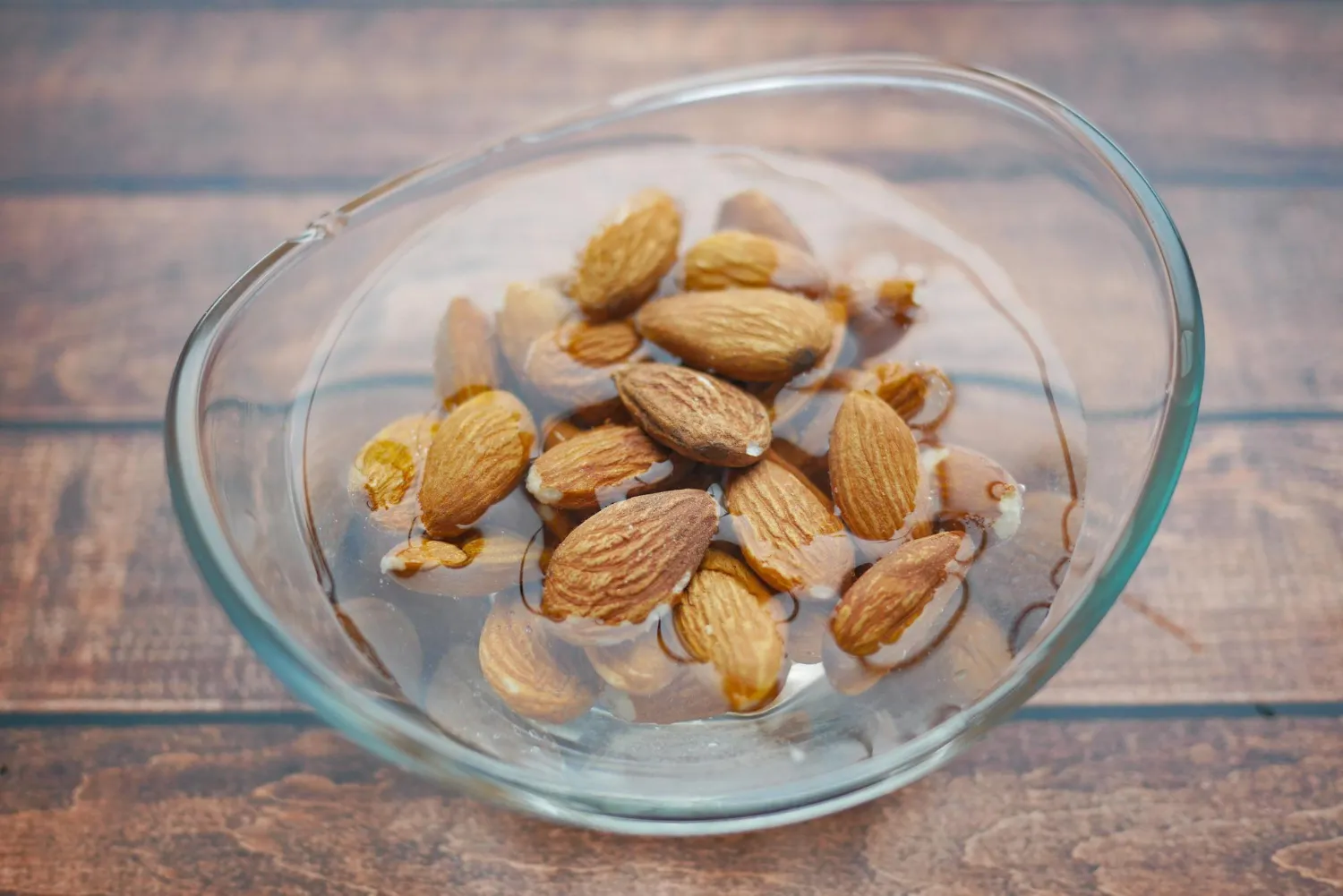
How to Eat Soaked Almonds Daily for Best Results
Soaked almonds pack more nutrition than raw ones. Here's exactly how to eat them daily — the right time, quantity, and simple habits that actually work.

How to Feed Goats During Monsoon Season
Monsoon changes everything for goat farmers. Learn exactly what to feed your goats during the rainy season to keep them healthy, productive, and disease-free.
Frequently Asked Questions
⚕️ Medical Disclaimer
This article is for informational and educational purposes only and is not a substitute for professional medical advice, diagnosis, or treatment. Always consult a qualified healthcare provider with any questions about a medical condition. Read full disclaimer.
Editorial note: This article was researched and written with the assistance of AI tools and reviewed by the Nutrikoo editorial team for accuracy and clarity. It is for general information only and is not medical advice. See our editorial policy.
Get healthy tips in your inbox
Join the Nutrikoo newsletter for science-backed nutrition, recipes and wellness — no spam, unsubscribe anytime.