

Tulsi for Monsoon Immunity: Real Benefits

By Payal, Content Reviewer
5 July 2026 · 7 min read · 0 views
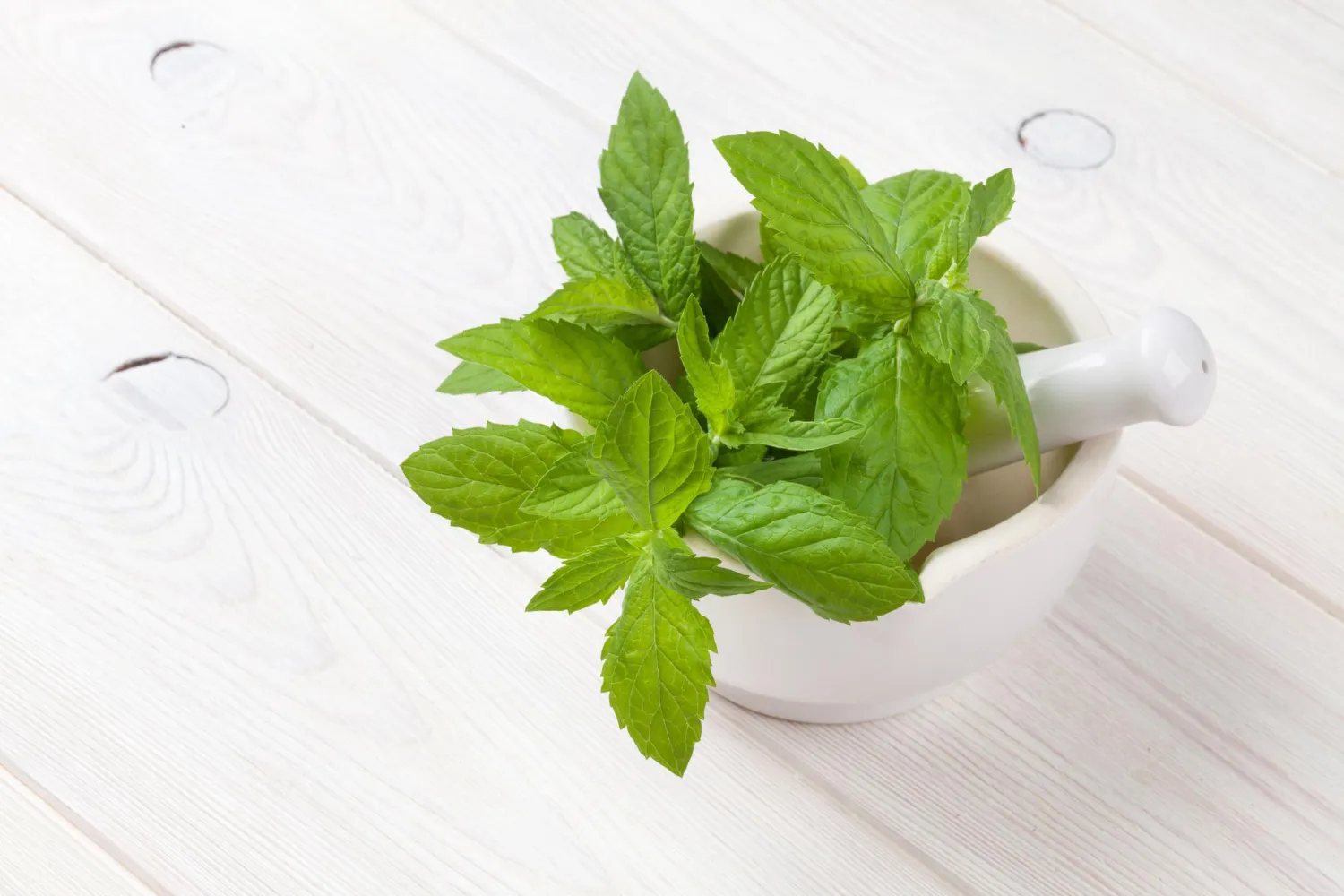
Discover how tulsi boosts immunity during monsoon season, fights infections, and supports respiratory health — with practical ways to use it daily.
Tulsi for Monsoon Immunity: Real Benefits
Every monsoon, without fail, someone in the family comes down with a scratchy throat or a stubborn cold. The rain brings relief from the heat, but it also carries a wave of infections — viral fevers, respiratory bugs, digestive upsets. And yet, quietly sitting in a clay pot in millions of Indian courtyards is one of the most effective natural defences you have: tulsi (Ocimum tenuiflorum), or holy basil.
Tulsi is not new, obviously. Ayurveda has revered it for thousands of years. But what is it about this herb that makes it especially useful during the monsoon — and how does it actually compare to simply popping a vitamin C tablet or reaching for an antihistamine? That contrast is worth thinking about.
Why Monsoon Is the Hardest Season for Your Immunity
Between June and September, humidity soars, water quality gets questionable, and the temperature fluctuates just enough to stress your immune system. Viruses and bacteria thrive in this environment. Your gut — which houses a significant chunk of your immune defences — also takes a hit, as we explain in our guide on how to improve gut health in monsoon season.
The immune system isn't a single switch you flip. It's a network — and it responds to stress, sleep, diet, and environment all at once. A herb like tulsi works across several of these pathways simultaneously. A basic antihistamine, by contrast, only addresses one symptom (say, a runny nose). That's the core difference.
What Makes Tulsi a Monsoon Ally
Its Active Compounds Do the Heavy Lifting
Tulsi leaves contain eugenol, rosmarinic acid, and a range of flavonoids and essential oils. These compounds have been studied for their antiviral, antibacterial, and anti-inflammatory properties. Eugenol in particular is thought to inhibit certain microbial enzymes — similar in concept to how some pharmaceutical antibiotics work, though tulsi's mechanism is gentler and more broad-spectrum.
It is also classified as an adaptogen — a substance that helps the body respond to stress without over-stimulating it. Ashwagandha gets more headlines as an adaptogen (you can read about it in our piece on whether ashwagandha is good for stress), but tulsi has a strong case of its own.
Respiratory Health: Where Tulsi Really Stands Out
Compare tulsi to, say, ginger for respiratory infections. Ginger is warming and helps with nausea and circulation. Tulsi targets the respiratory tract more directly. It acts as a natural expectorant — it helps loosen mucus — and has bronchodilatory properties, meaning it can ease mild constriction in the airways.
This is why the classic monsoon kadha (herbal decoction) combines tulsi with ginger, black pepper, and honey. Each ingredient contributes something different, but tulsi is the backbone of the blend for respiratory support.
If you're prone to seasonal coughs and colds, keeping tulsi leaves on hand is practical rather than merely traditional.
Tulsi vs. Synthetic Immunity Boosters

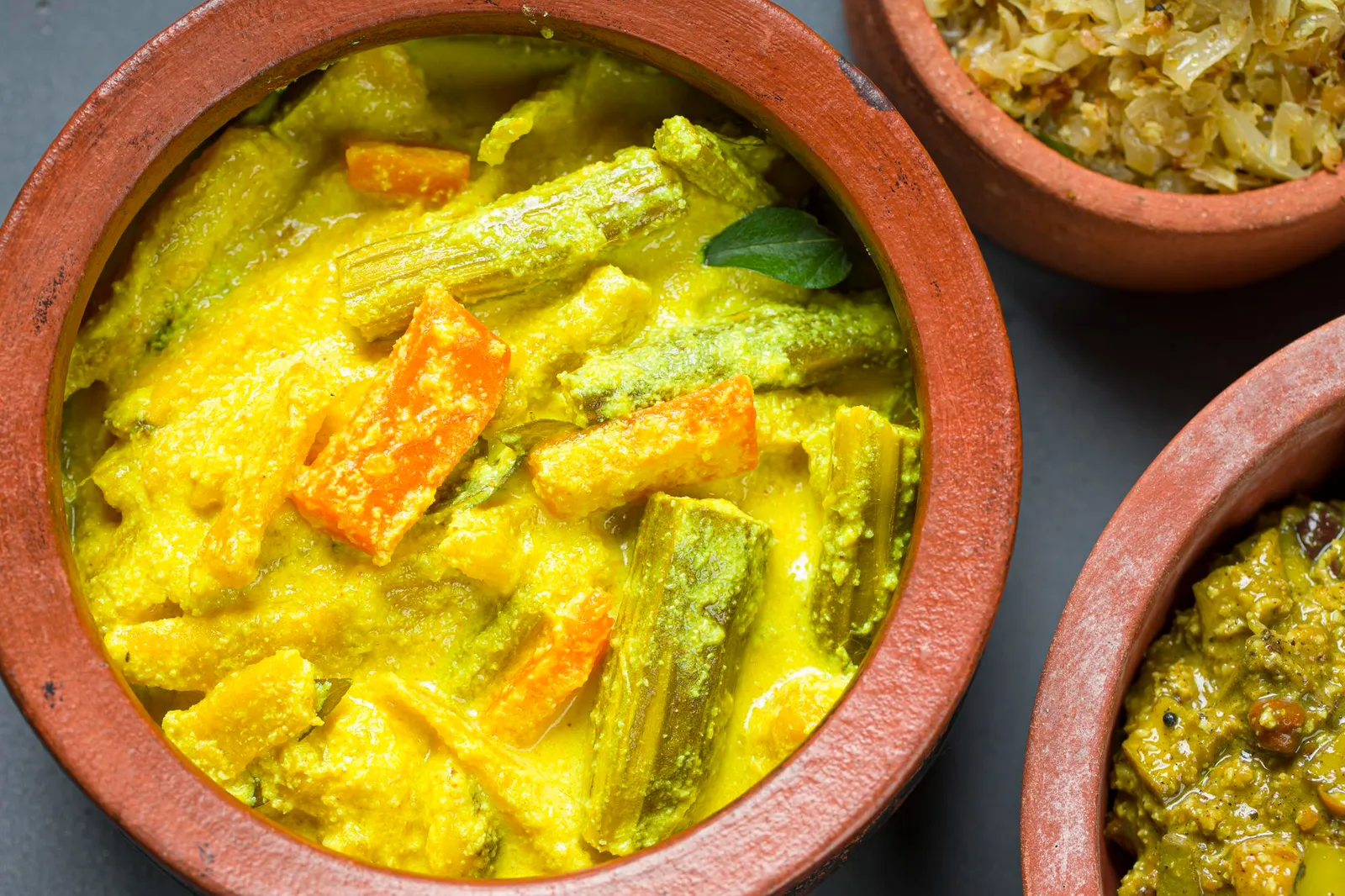
Walk into any pharmacy during monsoon and you'll find shelves of vitamin C tablets, zinc lozenges, and immune-support capsules. These aren't useless — but most of them work on isolated pathways. Vitamin C helps white blood cell production. Zinc supports certain immune cell functions.
Tulsi, because it contains multiple bioactive compounds, appears to modulate immune function more broadly. Research suggests it can help regulate T-helper cells and cytokines — the signalling molecules your immune system uses to coordinate a response. It doesn't replace targeted treatments when you're actually sick, but as a daily preventive during a high-risk season, it offers something more layered than a single-nutrient supplement.
Gut Immunity: An Underrated Connection
Here's something many people miss: a large portion of your immune tissue lives in your gut. During monsoon, waterborne pathogens, irregular eating, and increased humidity can disrupt your gut flora. Tulsi has mild antimicrobial properties that may help keep harmful gut bacteria in check while supporting a balanced microbiome.
Pairing tulsi with other gut-friendly habits — like those covered in our article on best Indian foods for a healthy gut — gives you a more complete approach to monsoon wellness than either strategy alone.
How to Use Tulsi During Monsoon (Practically)
You don't need expensive tulsi extracts or supplements if you have access to fresh leaves. Here are the most effective everyday methods:
- Fresh leaves on an empty stomach: Chew 4–6 clean tulsi leaves in the morning. This is simple and absorbs well.
- Tulsi tea: Steep 8–10 leaves in hot water for 5 minutes, add honey and a slice of ginger. Drink once or twice a day.
- Tulsi kadha: Boil tulsi with black pepper, ginger, and a small piece of cinnamon. Strain and drink warm. Especially useful if you feel a cold coming on.
- Tulsi ark or drops: These concentrated liquid extracts are convenient when fresh leaves aren't available. A few drops in warm water works well.
- In cooking: Add fresh tulsi leaves to soups, lentils, or even a simple tomato broth.
One thing to keep in mind: tulsi is best consumed in moderate amounts daily rather than in large doses occasionally. More isn't necessarily better — the goal is consistency.
Who Benefits Most From Tulsi in Monsoon
Children, the elderly, and anyone with a history of respiratory issues tend to see the clearest benefit from regular tulsi use during monsoon. For children, tulsi tea with honey (not for infants under one year) is a time-tested and gentle option. For adults managing stress alongside seasonal illness, tulsi's adaptogenic quality is a real bonus — stress directly suppresses immune function, and having an herb that addresses both is practical.
People dealing with monsoon-related mood dips might also find it helpful. The rosmarinic acid in tulsi has been linked to mild anxiolytic effects. We explore similar territory in our piece on chamomile tea for stress relief — and the two herbs actually pair well together in a calming evening blend.
A Few Honest Caveats
Tulsi is not a cure for serious infections, and if you have a high fever, difficulty breathing, or symptoms that worsen after 48–72 hours, you need medical attention — not just herbal tea. Tulsi is also not recommended in therapeutic quantities for pregnant women, as it may have uterine-stimulating effects at higher doses. And if you're on blood-thinning medications, check with your doctor before adding tulsi supplementation, since eugenol can mildly affect platelet activity.
That said, the amounts most people consume daily — a few leaves in tea or a morning kadha — are well within safe limits for most healthy adults.
Latest Articles
How to Use Ashwagandha for Stress and Energy
Learn how to use ashwagandha for stress relief and better energy — right dose, best timing, and practical tips backed by Ayurvedic and modern science.
Black Pepper for Immunity: Real Benefits Explained
Black pepper does more than season your food. Discover how piperine boosts immunity, fights inflammation, and why this humble spice deserves more credit.
Turmeric vs Ginger for Inflammation: Which Wins?
Turmeric or ginger — which spice fights inflammation better? Here's a practical, evidence-based guide to help you choose the right one for your needs.
Ginger for Digestion: Does It Really Work?
Bloated after a heavy meal? Ginger has been used for centuries to ease digestion. Here's what science and tradition actually say about how it works.
Psyllium Husk for Gut Health: Real Benefits
Discover how psyllium husk supports digestion, relieves constipation, and feeds good gut bacteria — plus how to use it safely every day.
How to Improve Gut Health in Monsoon Season
Monsoon plays havoc with digestion. Here's how to protect your gut health this rainy season with smart food choices, hydration tips, and simple habits.
Frequently Asked Questions
⚕️ Medical Disclaimer
This article is for informational and educational purposes only and is not a substitute for professional medical advice, diagnosis, or treatment. Always consult a qualified healthcare provider with any questions about a medical condition. Read full disclaimer.
Editorial note: This article was researched and written with the assistance of AI tools and reviewed by the Nutrikoo editorial team for accuracy and clarity. It is for general information only and is not medical advice. See our editorial policy.
Get healthy tips in your inbox
Join the Nutrikoo newsletter for science-backed nutrition, recipes and wellness — no spam, unsubscribe anytime.