

How to Improve Gut Health in Monsoon Season

By A Reza, Health & Nutrition Writer
5 July 2026 · 7 min read · 0 views
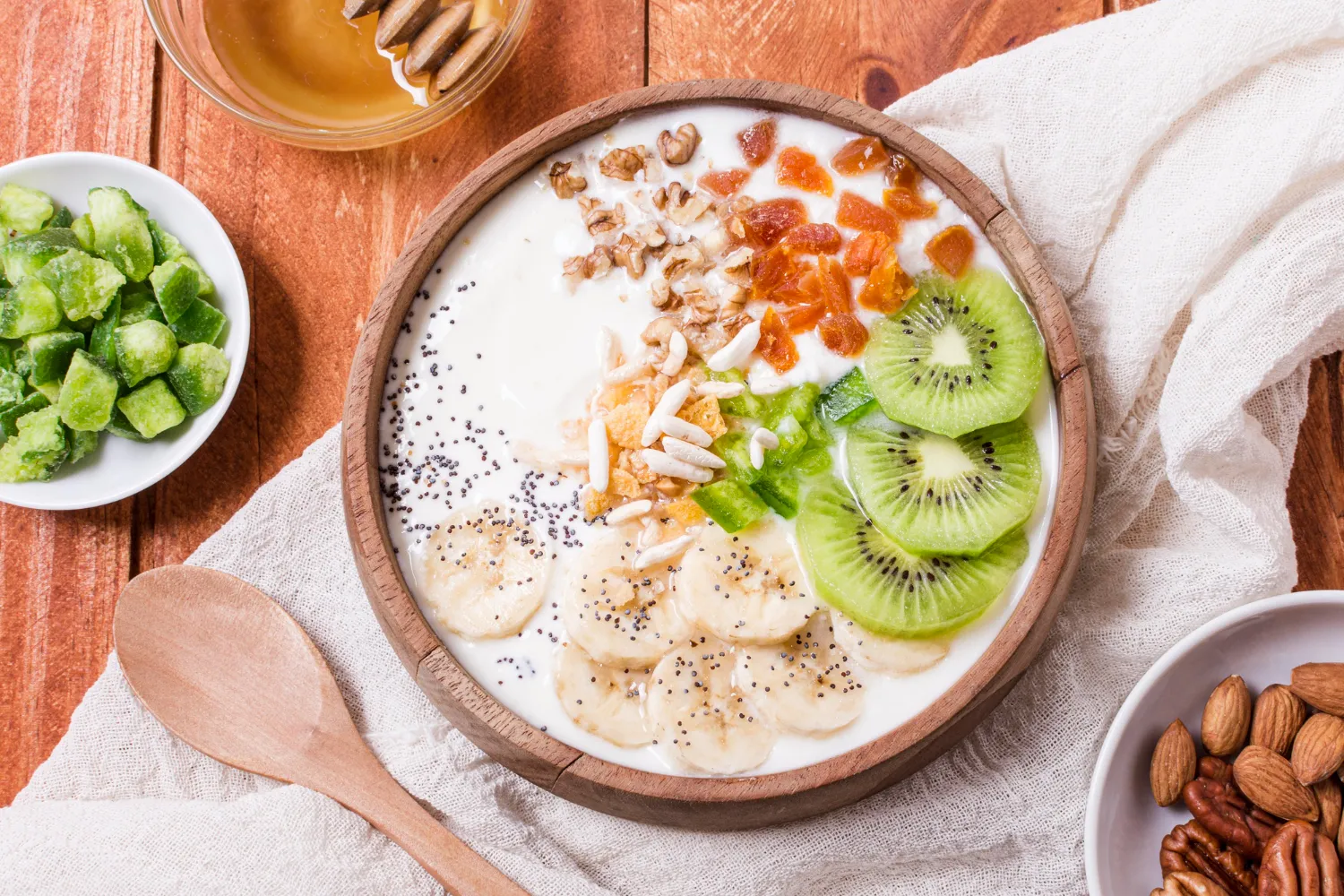
Monsoon plays havoc with digestion. Here's how to protect your gut health this rainy season with smart food choices, hydration tips, and simple habits.
How to Improve Gut Health in Monsoon Season
The first proper rain of the season feels like relief — and then, almost on cue, your stomach starts acting up. Bloating, loose motions, that uncomfortable heaviness after meals. Sound familiar? You're not imagining it. Monsoon genuinely does a number on gut health, and there are real biological reasons for that.
The good news: a few deliberate changes to what you eat and how you eat can make a significant difference. Here's what you need to know.
Why Does Monsoon Mess With Your Digestion?
Your gut is not working in isolation. It responds to temperature, humidity, stress, and the quality of what goes into it. During monsoon, all of these shift at once.
The drop in temperature slows down your digestive fire — what Ayurveda calls agni and what modern nutrition describes as metabolic and enzymatic activity. At the same time, high humidity creates a breeding ground for bacteria, fungi, and viruses, especially in food and water. Contaminated water sources are a well-known monsoon problem across much of India, and even a small lapse in food safety can trigger an infection.
Your gut microbiome — the trillions of bacteria, fungi, and other microorganisms living in your digestive tract — is also sensitive to seasonal shifts. Research consistently shows that the composition of gut bacteria changes with diet, environment, and even the weather.
What Should You Actually Eat During Monsoon for Gut Health?
This is the practical heart of it. The general principle: go warm, go cooked, go easy on raw.
Cooked and lightly spiced foods are your best friends right now. Think khichdi, moong dal soup, vegetable stews, and steamed sabzis. These are easy to digest and less likely to carry pathogens compared to raw salads or cut fruit from outside.
Fermented foods — in moderation — can support your gut bacteria. A small bowl of fresh homemade curd (yogurt) with lunch is a traditional Indian habit that holds up well nutritionally. It supplies Lactobacillus strains that help maintain a healthy gut lining. However, some nutrition practitioners advise limiting curd at night during monsoon if you tend to feel heavy or congested — listen to your body.
Fiber, but the right kind. Soluble fiber from foods like cooked lentils, oats, and ripe bananas feeds beneficial gut bacteria and helps regulate bowel movements. If you're already dealing with loose stools, insoluble fiber from raw vegetables can be irritating. High fiber foods for better digestion in India is a useful reference if you want to build a fiber-smart monsoon plate.
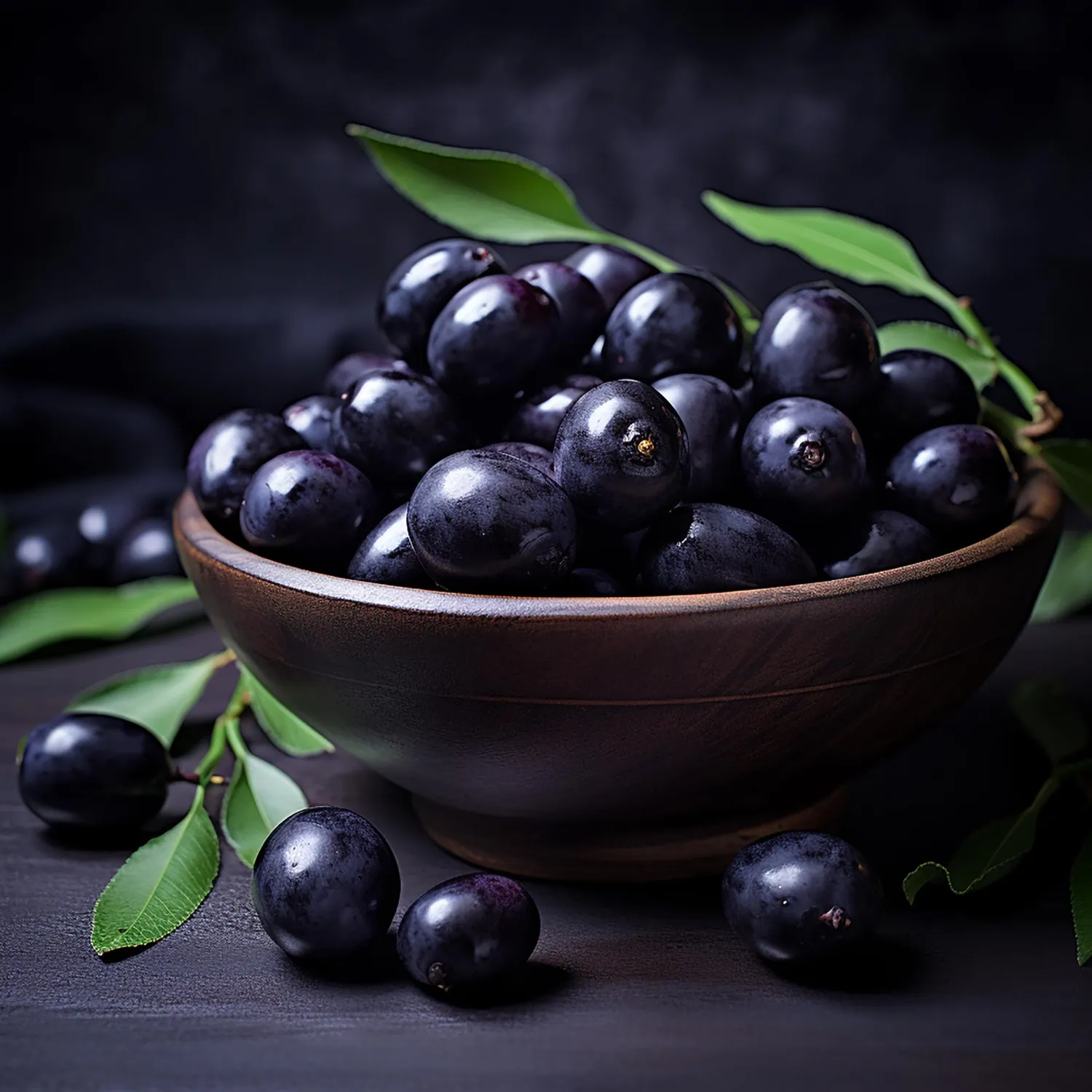
Seasonal fruits like jamun (Syzygium cumini) are genuinely worth eating. Jamun has natural astringent properties that can help manage diarrhea and support digestive health. Here's a deeper look at jamun benefits for digestion and gut health if you want the full picture.
Which Foods Should You Avoid or Reduce?
Monsoon is not the time to eat street chaat, raw sprouts, or leafy greens from uncertain sources. Here's a practical list:
- Raw leafy vegetables (spinach, lettuce, coriander) — high moisture content, hard to clean thoroughly, easy entry point for bacteria
- Street food and cut fruit from vendors — food hygiene is compromised in the rain
- Heavy, fried foods — they slow digestion further when your gut is already sluggish
- Excess dairy, particularly full-fat milk in large amounts, if you're already bloated
- Refrigerated leftovers eaten cold — reheat food properly before eating
Also watch your seafood and meat intake, especially if you're buying from smaller markets where cold chain storage may not be reliable in monsoon conditions.
How Does Hydration Affect Your Gut in Rainy Season?
Here's the thing — people often drink less water in monsoon because they don't feel as thirsty. It's cooler, there's less sweating, and your body doesn't send the usual thirst signals as urgently. But your gut still needs water to move things along.
Dehydration during monsoon can lead to constipation, which then leads to discomfort and bloating. Keep sipping water through the day. Always drink filtered or boiled water — this one habit alone prevents a large proportion of monsoon gut infections.
Warm herbal drinks — ginger tea, ajwain (carom seed) water, jeera (cumin) water — are actually excellent choices during this season. They aid digestion, reduce bloating, and feel comforting. Ginger (Zingiber officinale) in particular has well-documented digestive benefits, including reducing nausea and supporting gut motility.
Can Probiotics and Prebiotics Help During Monsoon?
Yes, with some nuance. Probiotics introduce beneficial bacteria into your gut, while prebiotics feed the ones already there. Both matter.
Natural probiotic sources include curd, buttermilk (chaas), and fermented foods like idli and dosa batter. These are monsoon-friendly because they're made and consumed fresh. If you're considering a probiotic supplement, it's worth speaking to a doctor first — especially if you've just recovered from a gut infection.
Prebiotic foods include bananas, garlic, onion, and lentils — all common in Indian cooking. You don't need anything exotic. A simple dal-rice-curd meal with a side of cooked vegetables hits several gut-health targets at once.
For a broader guide to gut-friendly eating all year round, best Indian foods for a healthy gut covers the essentials well.
What Habits (Beyond Diet) Actually Protect Gut Health in Monsoon?
Food is only part of the picture. A few non-food habits make a real difference:
- Wash your hands before every meal, every time. Obvious, but genuinely the most impactful habit.
- Don't skip meals — irregular eating disrupts the gut's natural rhythm and can worsen acidity and bloating.
- Eat slowly and chew well — digestion starts in the mouth, and rushed eating during monsoon when your gut is already slower is a recipe for discomfort.
- Manage stress — the gut-brain connection is real. Anxiety and stress directly affect gut motility and bacterial balance. If stress is a factor for you, best foods to eat when stressed has some practical guidance.
- Be careful with exercise — moderate movement like walking or yoga supports gut motility. Very intense workouts when you're feeling off can sometimes worsen symptoms.
Is It Safe to Eat Papaya in Monsoon?
Papaya (Carica papaya) is actually a great monsoon fruit for digestion. It contains papain, an enzyme that helps break down proteins and eases digestive discomfort. It's gentle on the stomach, helps with constipation, and is generally safe as long as it's ripe and washed well. Papaya for digestion: benefits and how to eat it explains exactly how to include it.
Latest Articles
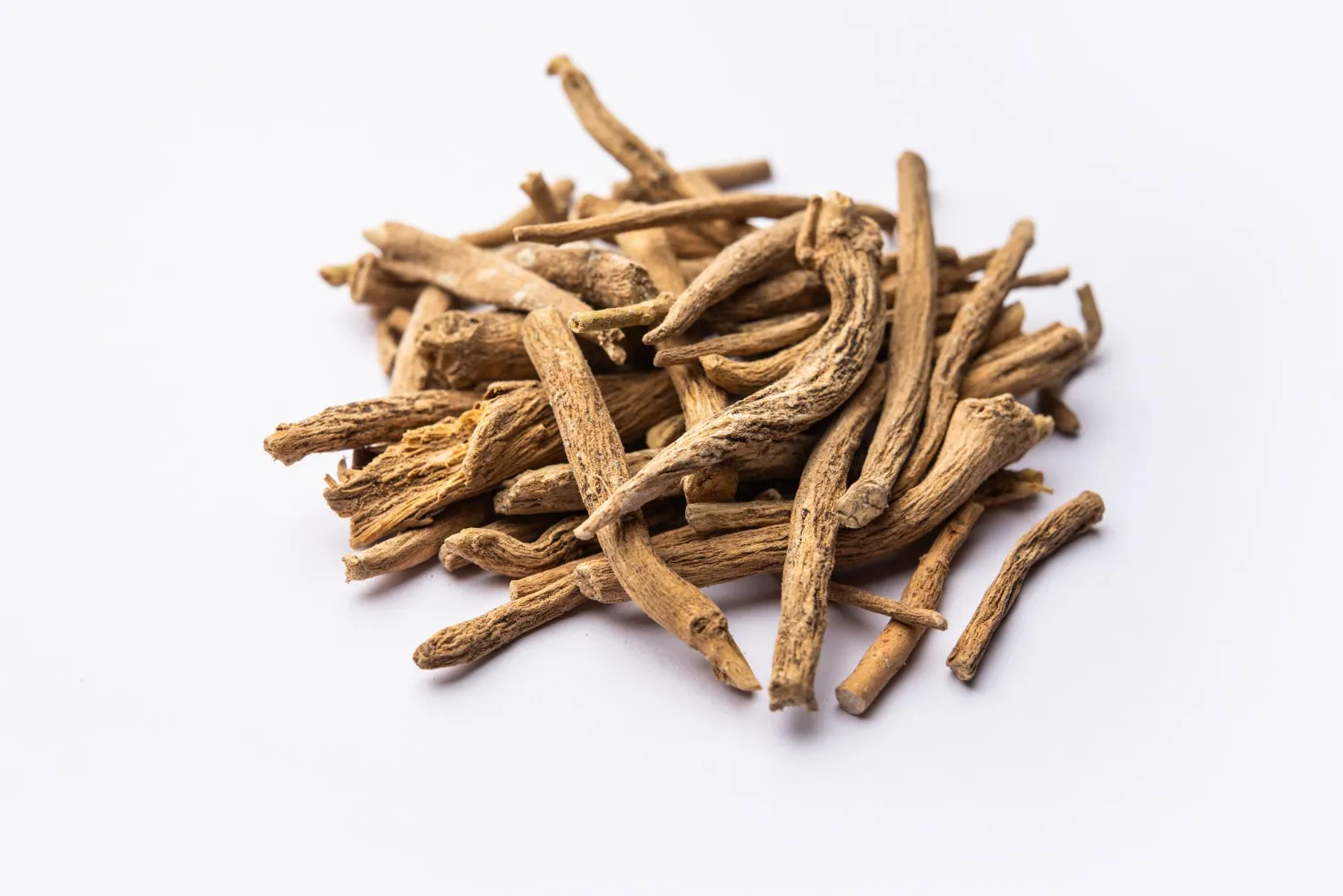
How to Use Ashwagandha for Stress and Energy
Learn how to use ashwagandha for stress relief and better energy — right dose, best timing, and practical tips backed by Ayurvedic and modern science.
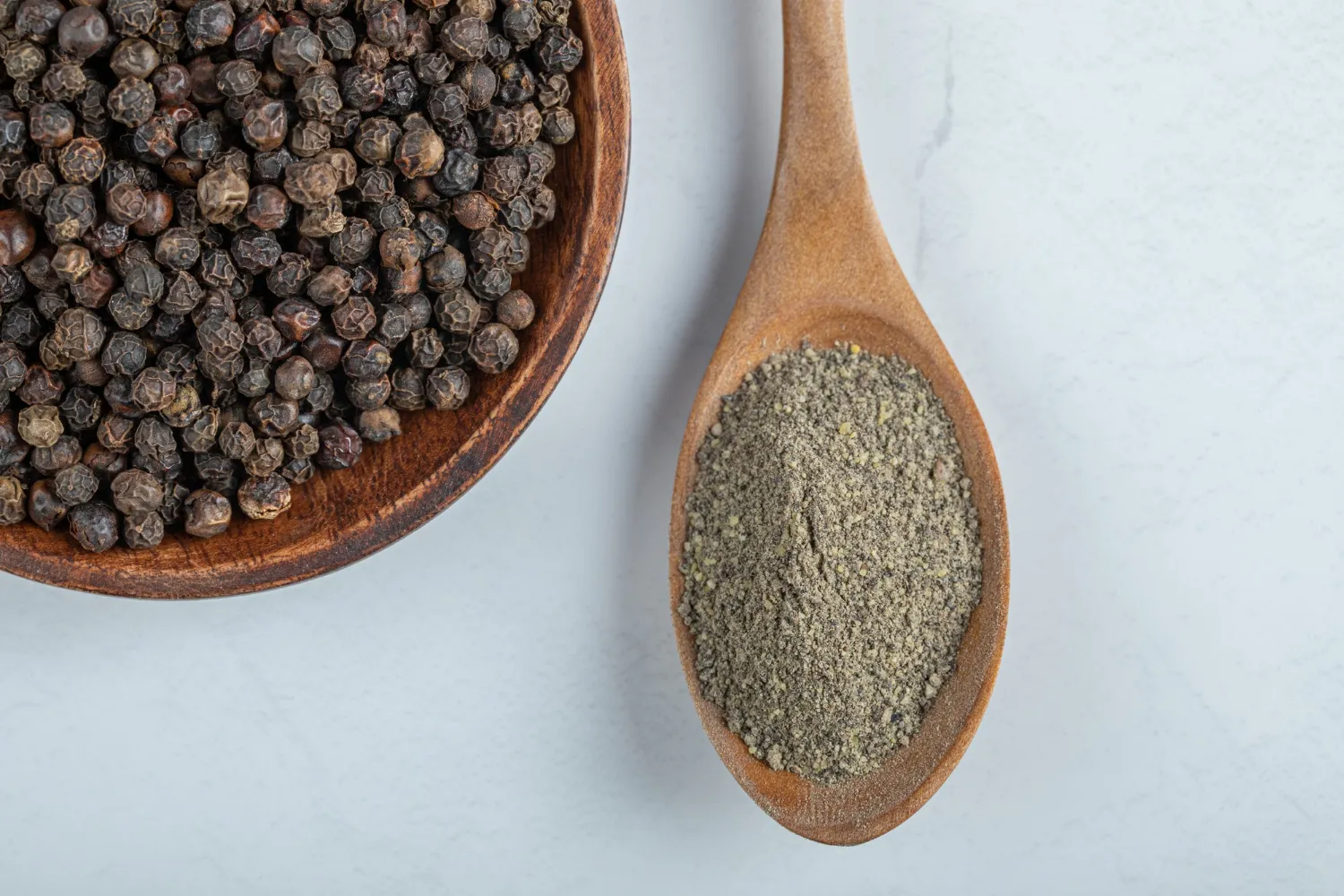
Black Pepper for Immunity: Real Benefits Explained
Black pepper does more than season your food. Discover how piperine boosts immunity, fights inflammation, and why this humble spice deserves more credit.
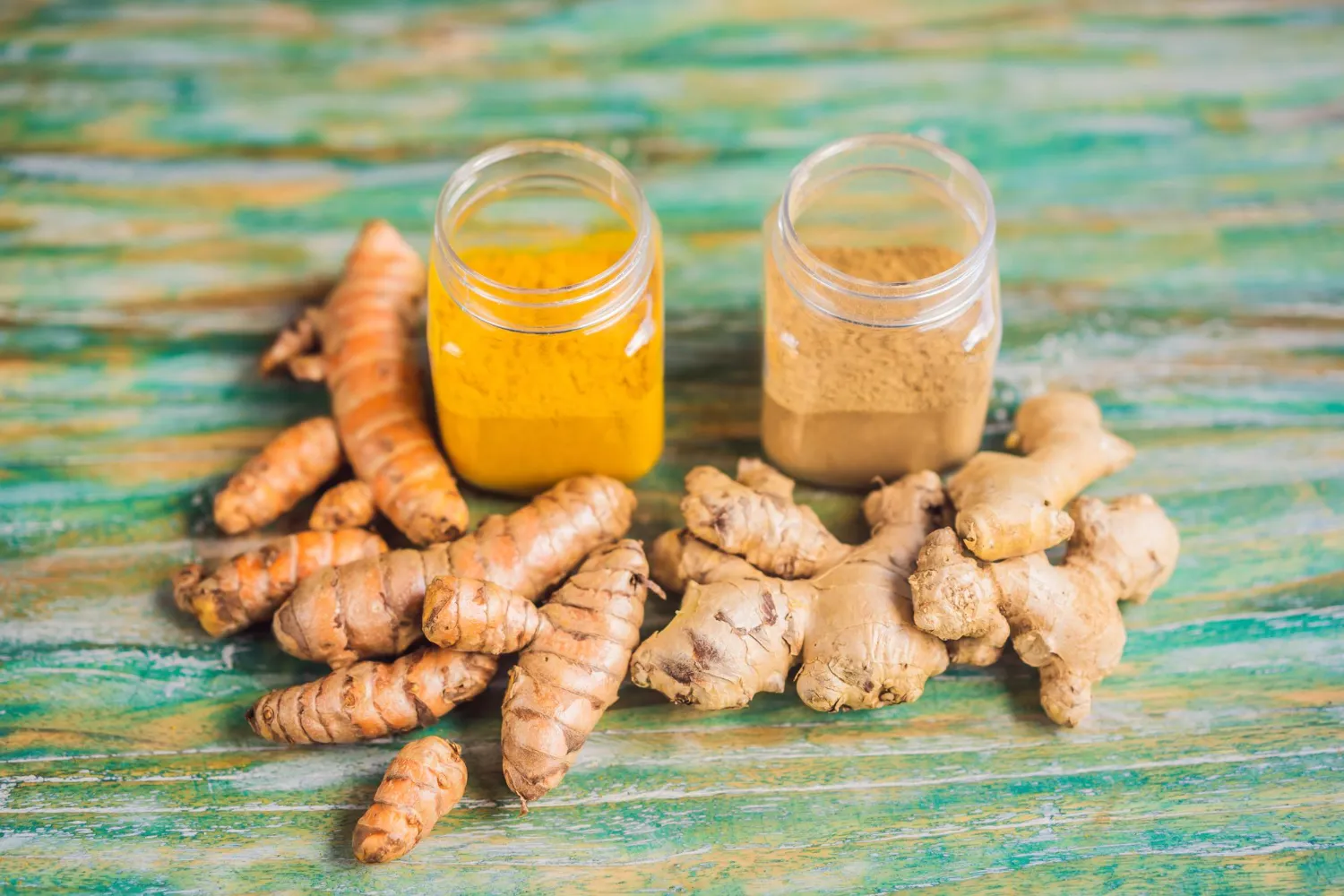
Turmeric vs Ginger for Inflammation: Which Wins?
Turmeric or ginger — which spice fights inflammation better? Here's a practical, evidence-based guide to help you choose the right one for your needs.
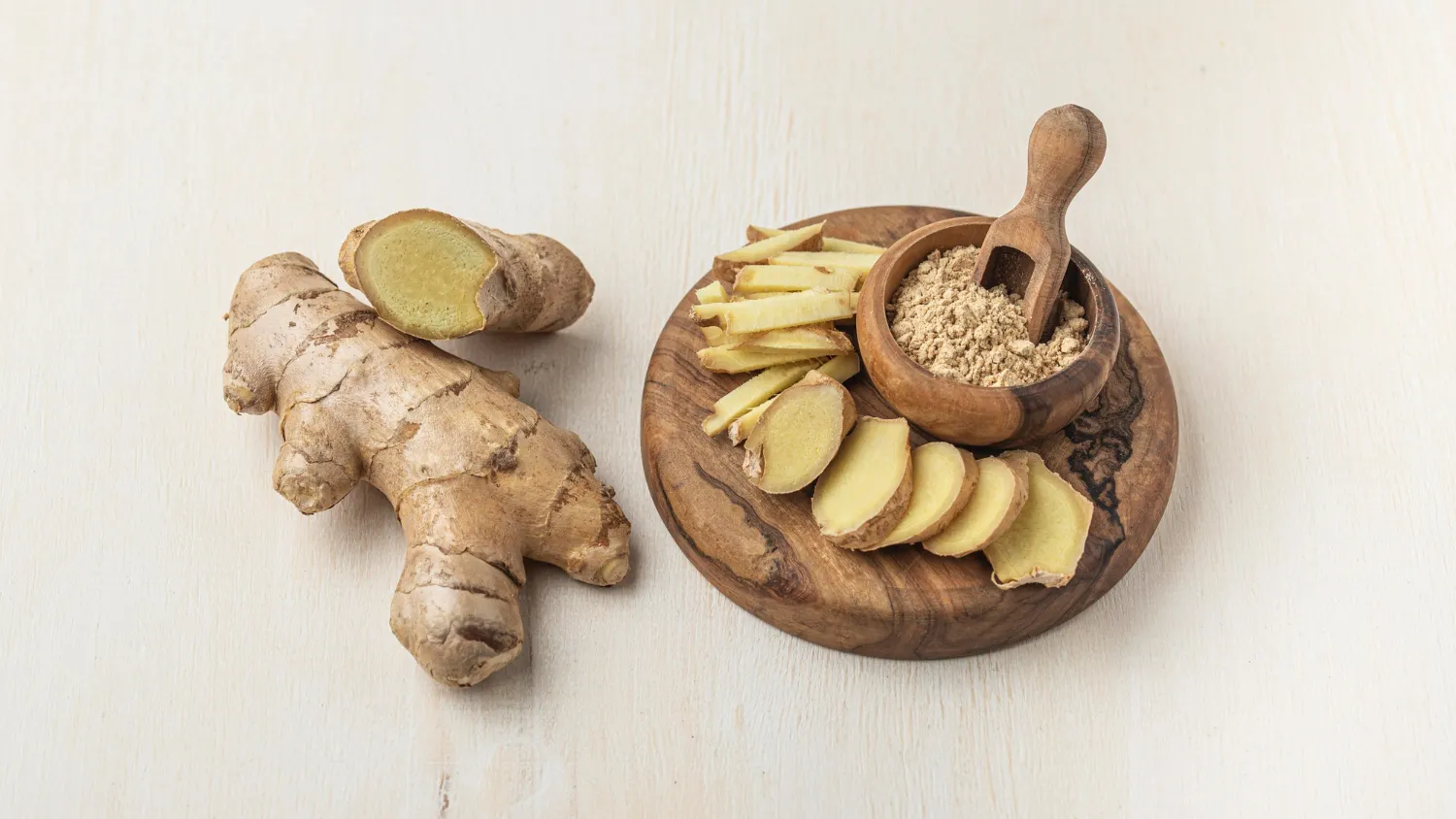
Ginger for Digestion: Does It Really Work?
Bloated after a heavy meal? Ginger has been used for centuries to ease digestion. Here's what science and tradition actually say about how it works.
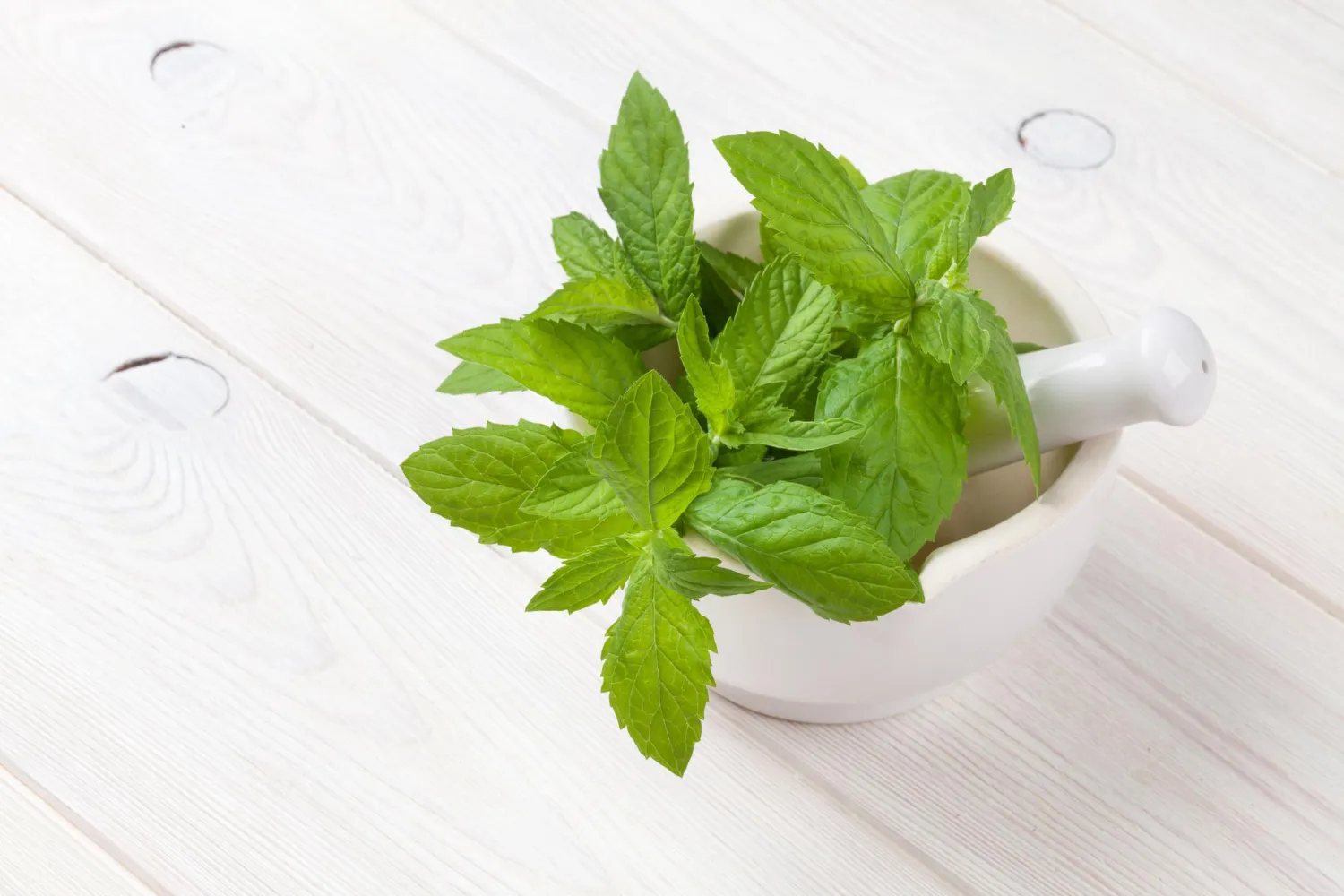
Tulsi for Monsoon Immunity: Real Benefits
Discover how tulsi boosts immunity during monsoon season, fights infections, and supports respiratory health — with practical ways to use it daily.
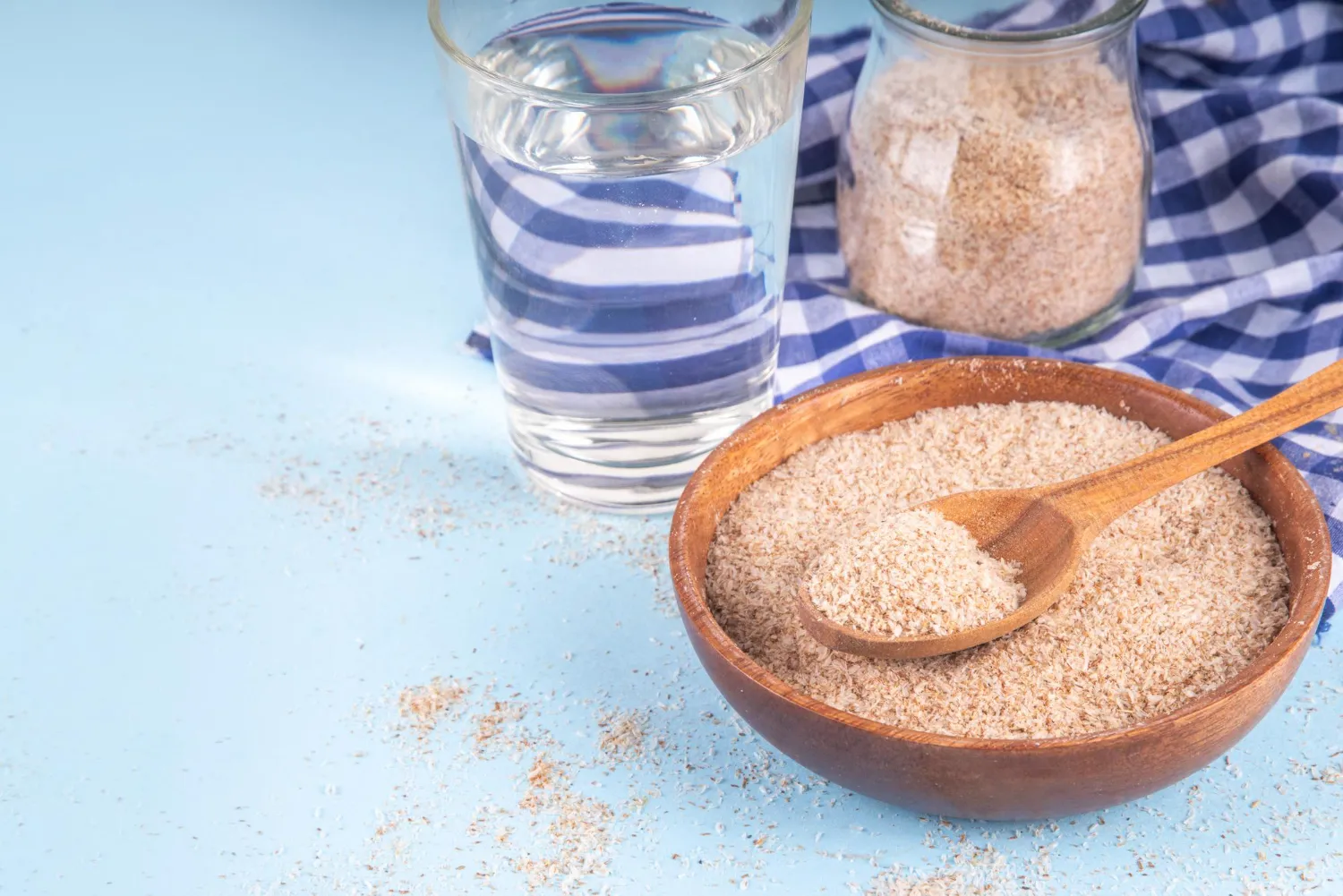
Psyllium Husk for Gut Health: Real Benefits
Discover how psyllium husk supports digestion, relieves constipation, and feeds good gut bacteria — plus how to use it safely every day.
Frequently Asked Questions
⚕️ Medical Disclaimer
This article is for informational and educational purposes only and is not a substitute for professional medical advice, diagnosis, or treatment. Always consult a qualified healthcare provider with any questions about a medical condition. Read full disclaimer.
Editorial note: This article was researched and written with the assistance of AI tools and reviewed by the Nutrikoo editorial team for accuracy and clarity. It is for general information only and is not medical advice. See our editorial policy.
Get healthy tips in your inbox
Join the Nutrikoo newsletter for science-backed nutrition, recipes and wellness — no spam, unsubscribe anytime.