

Jamun Benefits for Digestion and Gut Health

By A Reza, Health & Nutrition Writer
5 July 2026 · 6 min read · 19 views
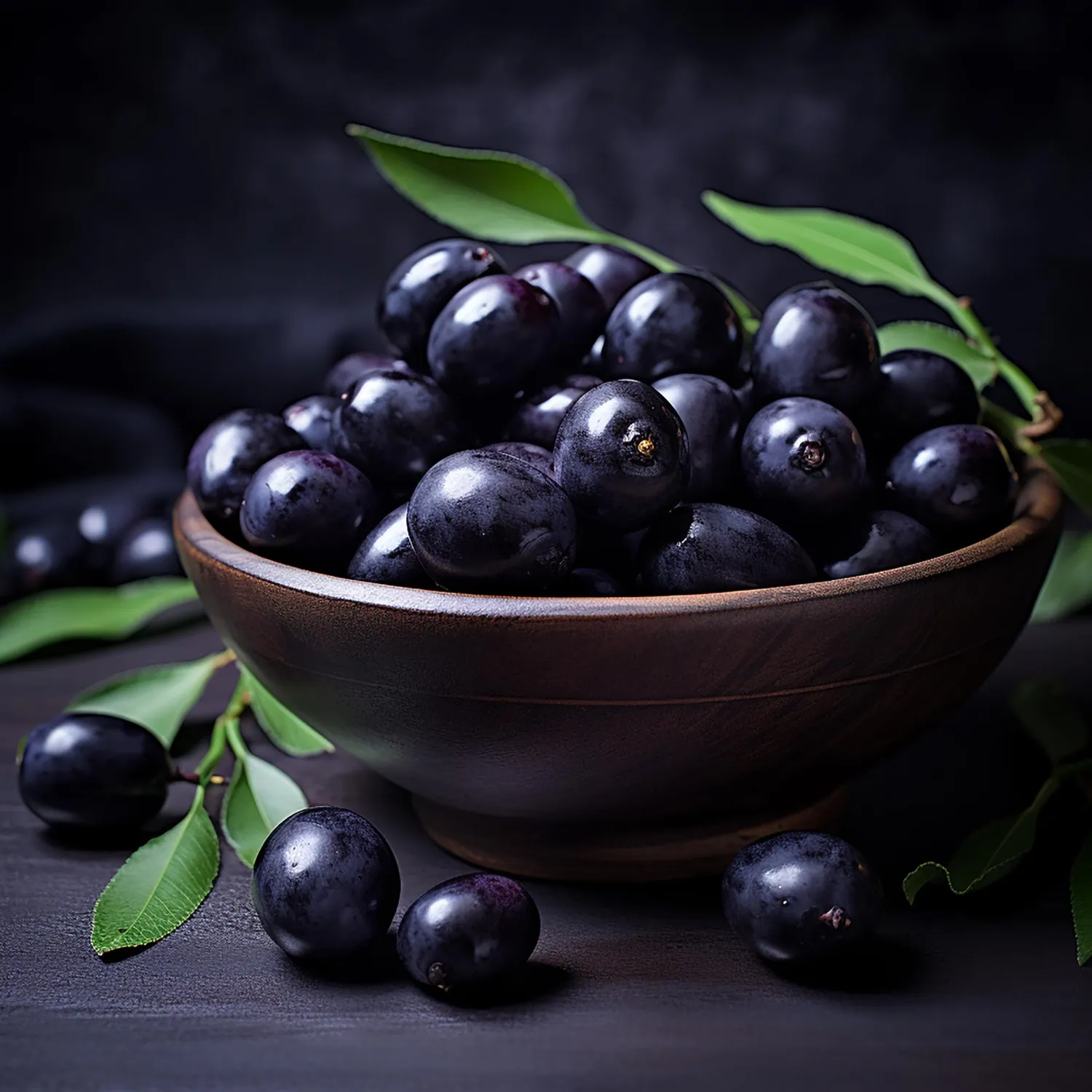
Discover how jamun supports digestion, relieves bloating, and improves gut health — plus practical tips on how to eat it for the best results.
Jamun Benefits for Digestion and Gut Health
Bite into a ripe jamun (Syzygium cumini) and within seconds your tongue turns deep purple — it's practically a rite of passage for anyone who grew up in India. But beyond the nostalgic summer memory, this small, tart fruit quietly does some impressive work in your gut. If you've been dealing with irregular digestion, bloating, or just want to eat more mindfully during the season, jamun deserves a proper look.
Let's break down exactly what jamun does for your digestive system — and how to actually use it, not just read about it.
Why Jamun Is a Smart Choice for Your Gut
Jamun is rich in dietary fiber, tannins, polyphenols, and antioxidants. Each of these plays a distinct role in keeping your digestive system running smoothly. Think of them as a small team — fiber does the heavy lifting, while tannins and polyphenols provide the support work.
The fruit is also low in calories and has a high water content, which matters more than people realise. A well-hydrated gut lining is more resistant to irritation and inflammation.
Step 1: Understand What Jamun Actually Does in Your Gut
It Feeds Your Gut Bacteria
Jamun contains soluble fiber and natural polyphenols that act as fuel for beneficial gut bacteria. When good bacteria thrive, they produce short-chain fatty acids — compounds that reduce gut inflammation and strengthen the intestinal lining.
Think of it like tending a garden. Jamun gives the good microbes something to work with, which crowds out the bacteria that cause trouble.
It Helps Regulate Bowel Movements
If you're prone to constipation, the insoluble fiber in jamun adds bulk to stool and helps it move through the colon at a healthier pace. On the flip side, the tannins in jamun have a mild astringent effect — which is why the fruit has traditionally been used to manage loose motions and diarrhoea in Ayurvedic practice.
This dual action is quite useful — it's not strictly a laxative fruit or a binding one, but something closer to a regulator.
It Soothes Gut Inflammation
The anthocyanins (the pigments that make jamun so vividly purple) are potent anti-inflammatory compounds. Chronic low-grade inflammation in the gut is linked to issues like irritable bowel syndrome, leaky gut, and sluggish digestion. Eating antioxidant-rich foods like jamun — regularly, not just once a week — can meaningfully reduce that background inflammation over time.
Step 2: Know When and How Much to Eat
Timing Matters
Eat jamun as a mid-morning or afternoon snack, not immediately after a heavy meal. On an empty stomach or between meals, the fiber and enzymes have more room to do their job without competing with other food being digested.
Avoid eating jamun right after milk or yoghurt — this is an old Ayurvedic recommendation that actually has practical logic behind it. The tannins in jamun can interact with the proteins in dairy and cause mild stomach discomfort in some people.
How Much Is Sensible?
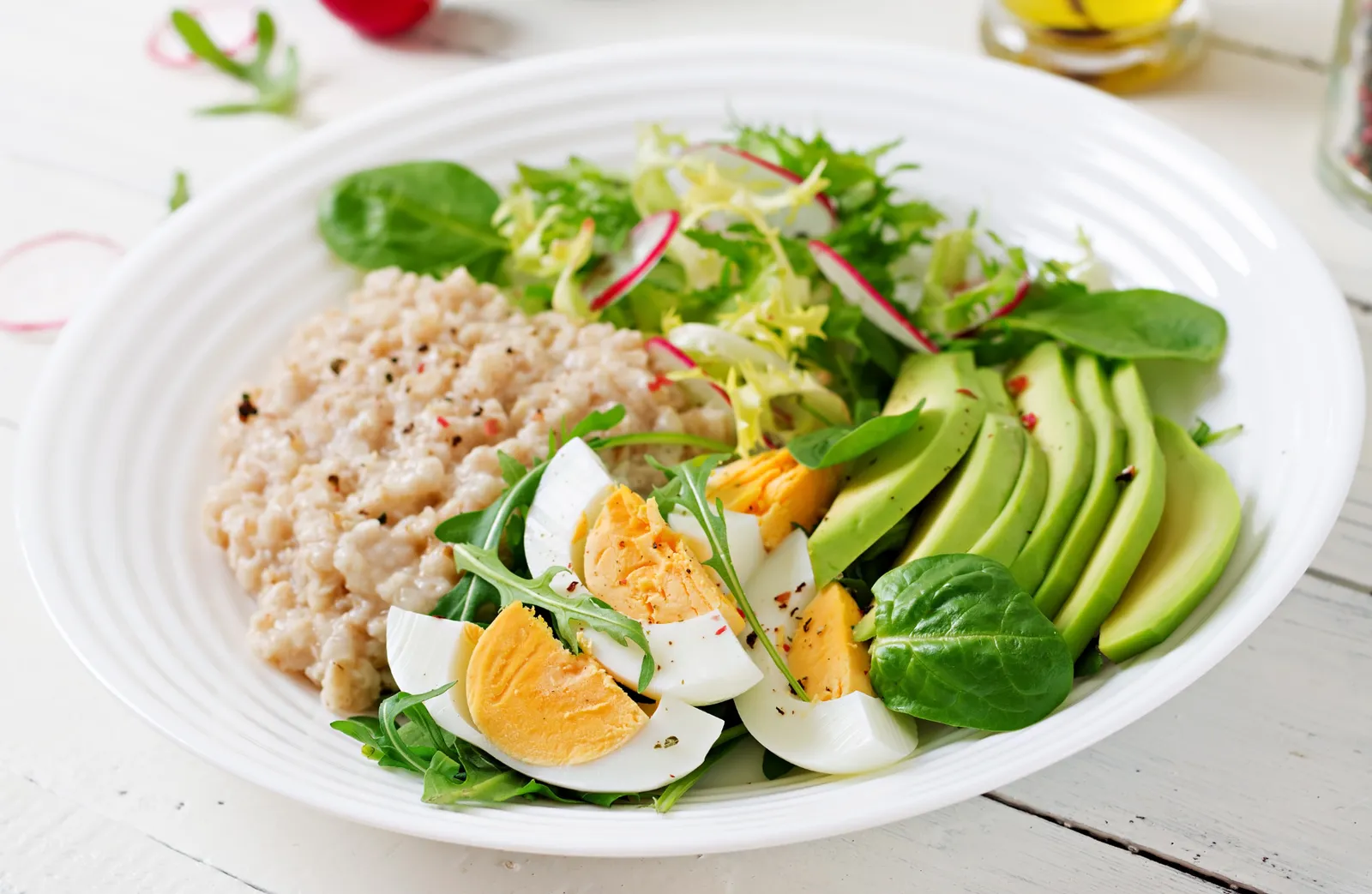
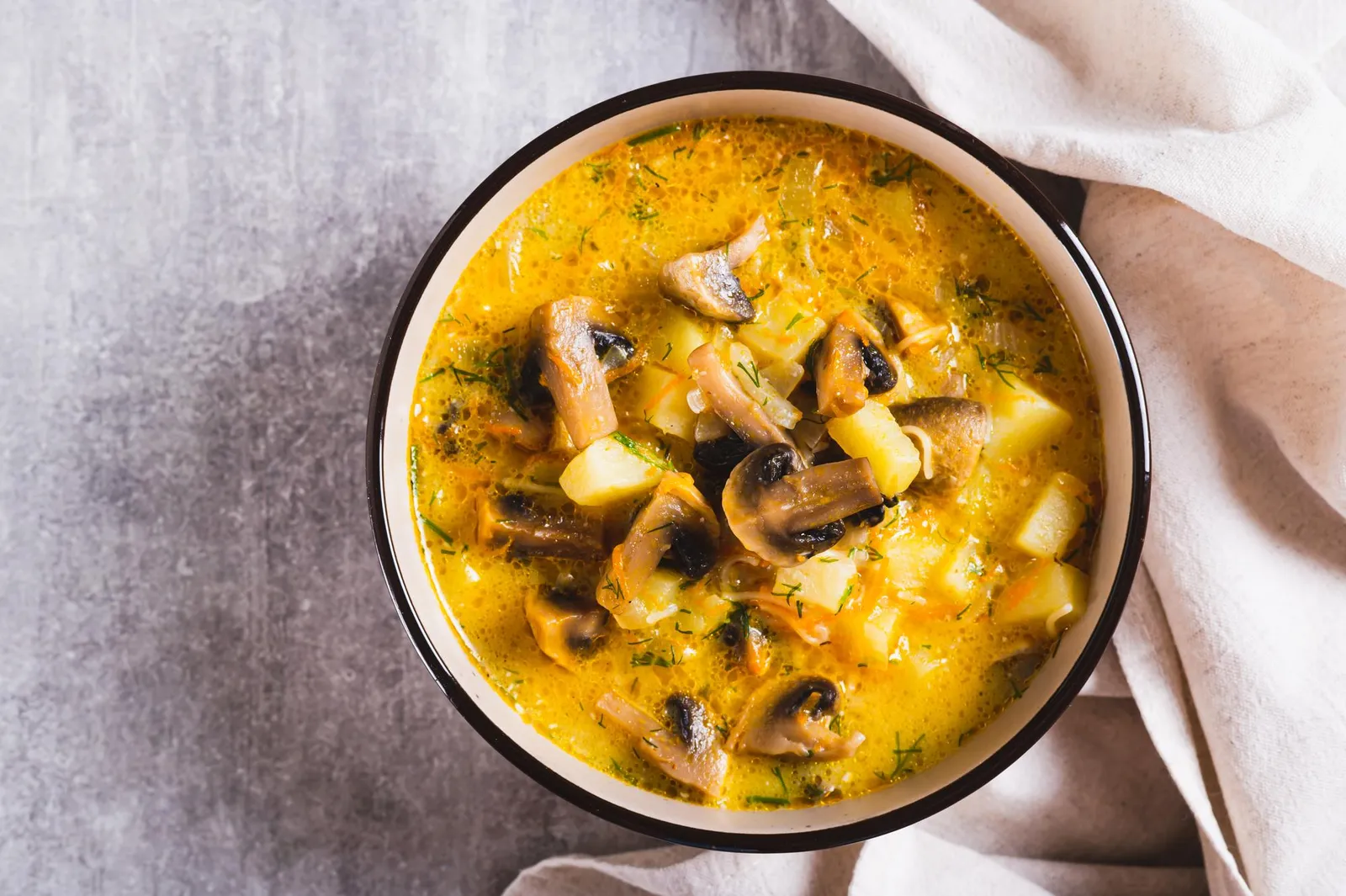
Around 10 to 15 fresh jamun fruits per day is a reasonable amount for most adults. That gives you a meaningful fiber dose without overdoing the natural sugars. If you have diabetes, check with your doctor — jamun is often recommended for blood sugar management, but portion size still counts.
Step 3: Don't Throw Away the Seeds
This is the part most people skip. Jamun seeds (gutli) are extraordinarily rich in compounds like jamboline and jambosine, which help slow the conversion of starch into sugar. This is directly relevant to gut health: slower digestion means less fermentation and gas buildup in the colon.
How to use jamun seeds:
- Wash and dry the seeds in the shade (not direct sunlight)
- Once dried, grind them into a coarse powder
- Take half a teaspoon of this powder with warm water or buttermilk after meals
You'll find this remedy in households across Maharashtra, Gujarat, and Tamil Nadu — and there's genuine science behind it, not just tradition.
Step 4: Try Jamun in Different Forms
Fresh jamun is ideal, but it's only available for a few weeks in early summer. Here are some practical ways to extend its gut health benefits:
- Jamun juice: Squeeze or blend jamun and strain it lightly. Drink it fresh — don't store it for days or add sugar, which defeats the purpose.
- Jamun vinegar: A fermented preparation available in some health stores. It retains polyphenols and may offer mild probiotic-like benefits.
- Dried jamun powder: Available year-round. Stir a teaspoon into a glass of water or add it to smoothies.
For more fiber-rich options you can pair with jamun during its season, check out High Fiber Foods for Better Digestion in India — it's a solid reference for building a gut-friendly plate.
Step 5: Pair Jamun With Other Gut-Friendly Foods
Jamun doesn't work in isolation. Think of it as one strong player in a larger team. For instance, combining jamun with a diet that includes fermented foods, plenty of vegetables, and other high-fiber Indian fruits gives your gut microbiome the variety it needs.
If you want a broader picture of what your daily meals could look like, Best Indian Foods for a Healthy Gut covers everything from curd to kokum and gives you practical meal ideas. And if you're exploring other fruits with strong digestive credentials, Papaya for Digestion: Benefits and How to Eat It is worth reading alongside this one.
For vegetables, Ridge Gourd Curry: The Best Sabzi for Digestion is surprisingly underrated — it pairs well with jamun-season meals in summer.
What About Acidity and Jamun?
This is a common concern. Jamun is mildly acidic, so if you have active acid reflux or gastritis, eating a large amount on an empty stomach may not feel great. Start with 5 to 6 fruits and see how your body responds before increasing the quantity.
Sprinkling a tiny pinch of rock salt (sendha namak) on your jamun — the way most people eat it anyway — actually helps here. Salt buffers the acidity slightly and also enhances mineral absorption from the fruit.
Latest Articles

Does Fiber Help with Weight Loss? Here's the Truth
Can eating more fiber actually help you lose weight? Discover how dietary fiber works, which foods to eat, and practical tips for Indian diets.

Best Indian Foods for a Healthy Gut
Bloating, sluggish digestion, or an upset stomach? These best Indian foods for a healthy gut can help you eat your way to better digestive health.

Papaya for Digestion: Benefits and How to Eat It
Papaya is one of the best fruits for gut health. Learn how it aids digestion, eases bloating, and the best ways to eat it daily for real results.
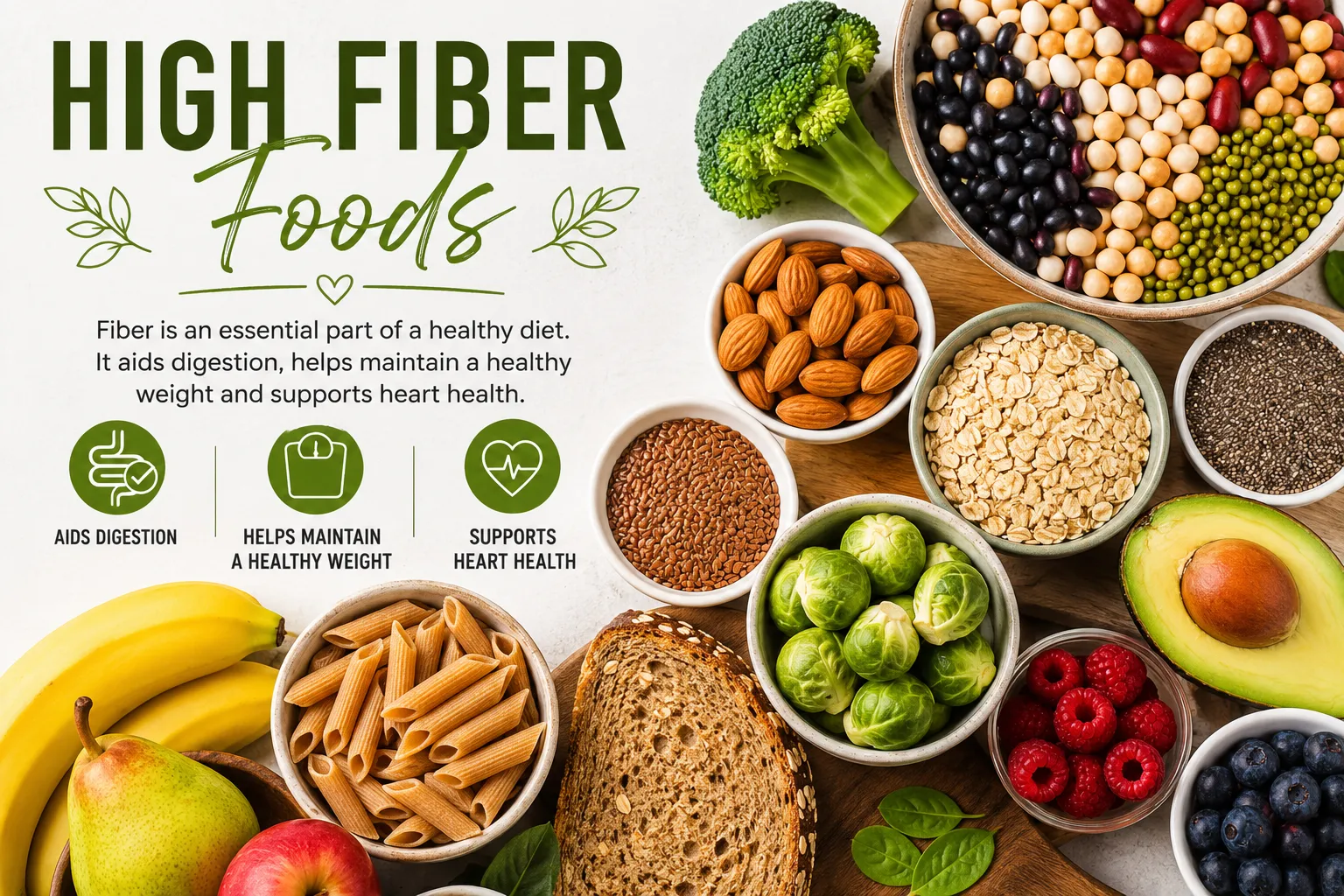
High Fiber Foods for Better Digestion in India
Discover the best high fiber foods for better digestion in India — from dal to drumstick — and why most Indians aren't eating nearly enough fiber.
How to Eat Soaked Almonds Daily for Best Results
Soaked almonds pack more nutrition than raw ones. Here's exactly how to eat them daily — the right time, quantity, and simple habits that actually work.

How to Feed Goats During Monsoon Season
Monsoon changes everything for goat farmers. Learn exactly what to feed your goats during the rainy season to keep them healthy, productive, and disease-free.
Frequently Asked Questions
⚕️ Medical Disclaimer
This article is for informational and educational purposes only and is not a substitute for professional medical advice, diagnosis, or treatment. Always consult a qualified healthcare provider with any questions about a medical condition. Read full disclaimer.
Editorial note: This article was researched and written with the assistance of AI tools and reviewed by the Nutrikoo editorial team for accuracy and clarity. It is for general information only and is not medical advice. See our editorial policy.
Get healthy tips in your inbox
Join the Nutrikoo newsletter for science-backed nutrition, recipes and wellness — no spam, unsubscribe anytime.