

Side Effects of Ashwagandha: What Science Says

By A Reza, Health & Nutrition Writer
12 June 2026 · 7 min read · 0 views
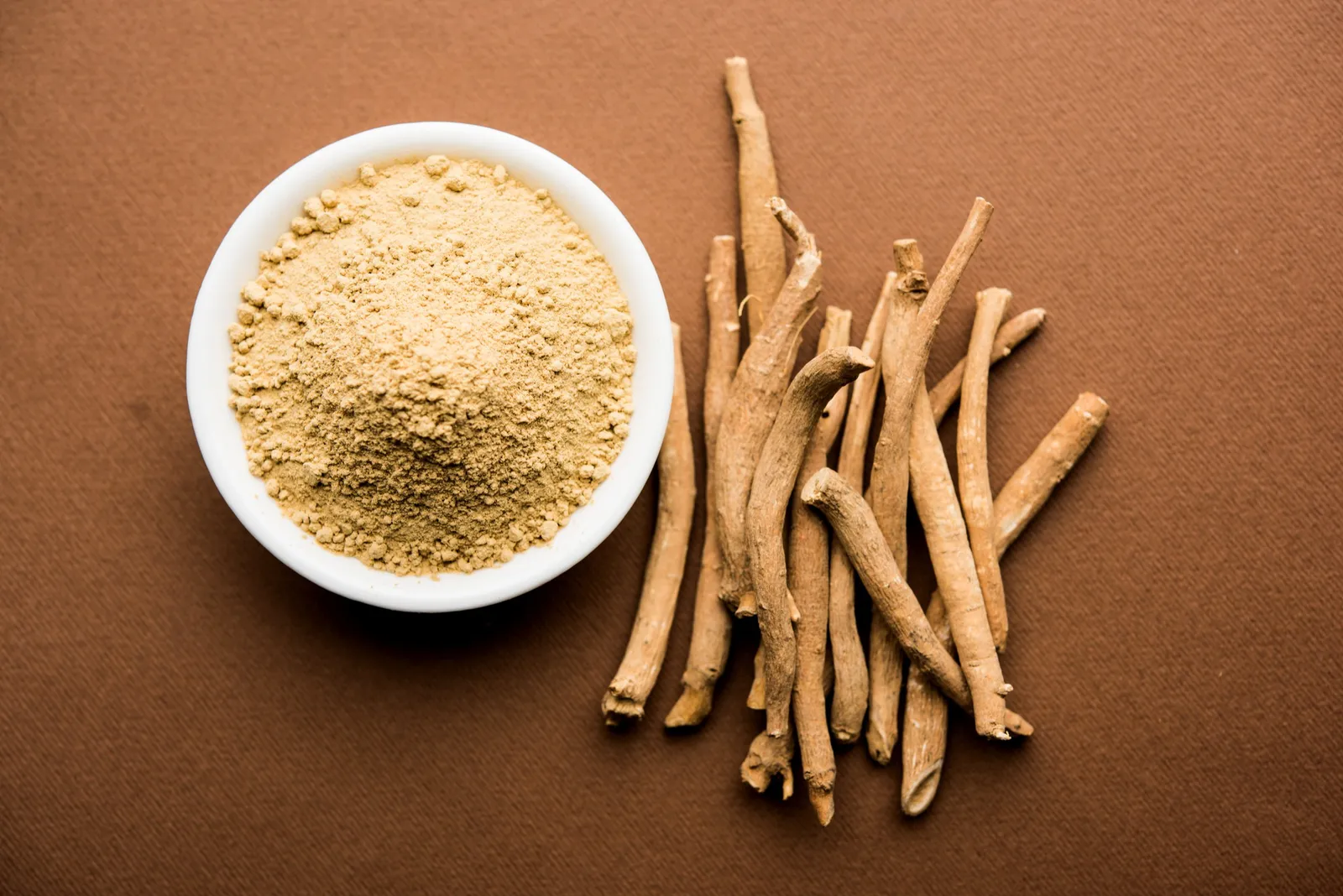
Ashwagandha is widely praised for stress relief, but it has real side effects. Here's what the science actually says versus the hype.
Side Effects of Ashwagandha: What Science Says vs. What You've Heard
Ashwagandha (Withania somnifera) has become one of the most talked-about herbs on the internet — and honestly, for good reason. It has a genuine track record in Ayurvedic medicine going back thousands of years, and modern research does support some of its benefits for stress and anxiety. If you want a deeper look at the benefits side of things, this article on whether ashwagandha is good for stress covers that well.
But here's where things get a little lopsided: the conversation online tends to be all upside, zero downside. Wellness influencers rave about it; the side effects get a quick mention at the bottom of the page, if at all. That's not particularly helpful when you're deciding whether to add something to your daily routine.
So let's look at what the science actually says about the side effects of ashwagandha — and separate that from the myths and the marketing.
The "It's Completely Natural, So It's Safe" Myth
This is probably the most common misconception around ashwagandha. People assume that because it's an herb — used in traditional medicine for centuries — it can't really cause harm. That logic doesn't quite hold up. Plenty of natural substances have real effects on the body, which means they also carry real risks for some people.
Ashwagandha is an adaptogen, meaning it's thought to help the body manage stress. But adaptogens aren't passive. They interact with hormones, the nervous system, and the immune system. That's exactly why they work — and exactly why they warrant some caution.
Common Side Effects: What Studies Actually Report
Most research on ashwagandha uses standardised root extracts at doses roughly between 300–600 mg per day for 8–12 weeks. At these doses, the majority of participants in clinical trials tolerate it well. That's the honest baseline.
That said, side effects do get reported, and some are worth knowing about:
- Digestive discomfort — Nausea, upset stomach, loose stools, or diarrhoea are the most frequently reported side effects, especially when ashwagandha is taken on an empty stomach.
- Drowsiness — Ashwagandha has a mild sedative quality. Some people find this useful for sleep; others find it annoying during the day.
- Headache — Reported occasionally, though it's not entirely clear whether this is caused by the herb or other factors.
- Changes in appetite — A few people notice increased or decreased appetite, though this isn't well-documented in trials.
These side effects are generally mild and tend to resolve on their own. Taking the supplement with food reduces digestive issues for most people.
The More Serious Concerns Science Has Flagged
Here's where it gets more nuanced — and where the wellness world often goes quiet.
Liver Toxicity: Rare But Real
Several case reports have documented liver injury in people taking ashwagandha supplements. These are not common, but they're not imaginary either. Most cases involved people taking doses higher than recommended, or using products that weren't well-standardised. The liver injury was generally reversible after stopping the supplement, but in a few cases it was severe.
The takeaway: if you're taking ashwagandha and develop unexplained fatigue, jaundice, or abdominal pain, stop taking it and see a doctor. Don't wait it out.
Thyroid Hormone Levels
Ashwagandha appears to raise levels of thyroid hormones T3 and T4 in some studies. For people with underactive thyroid (hypothyroidism), this might sound appealing. But if you already have normal or elevated thyroid levels — or if you're on thyroid medication — this could tip the balance in the wrong direction. Anyone with a thyroid condition should talk to their doctor before starting ashwagandha.



Autoimmune Conditions
Because ashwagandha may stimulate immune activity, it could theoretically worsen autoimmune diseases — conditions like lupus, rheumatoid arthritis, or multiple sclerosis, where the immune system is already overactive. There isn't strong clinical evidence confirming this risk, but it's a reasonable theoretical concern that most doctors will raise.
Blood Pressure and Blood Sugar
Ashwagandha can lower blood pressure and blood sugar modestly. For healthy people, that's not a problem. If you're already on medication for hypertension or diabetes, though, combining it without medical supervision could push those numbers too low.
Who Should Avoid Ashwagandha Entirely
A few groups should either skip it or get proper medical advice first:
- Pregnant women — Ashwagandha has traditionally been used to induce uterine contractions. High doses may increase miscarriage risk. This is one situation where the evidence is clear enough that most practitioners would say: don't take it during pregnancy.
- Breastfeeding women — There's simply not enough safety data.
- People with hormone-sensitive conditions — Because ashwagandha may influence hormone levels, those with hormone-sensitive cancers should be cautious.
- People scheduled for surgery — Since it may affect blood pressure and interact with anaesthesia, it's usually recommended to stop it at least two weeks before any planned surgery.
Does Ashwagandha Cause Anxiety? (The Irony)
Here's a question that surprises people: can an herb marketed for anxiety actually cause anxiety?
In a small number of cases, yes. Some people report feeling more wired or restless after taking ashwagandha, particularly at higher doses. This seems counterintuitive given that the herb is supposed to calm the stress response, but individual responses to adaptogens vary quite a bit. If you try it and feel more on edge rather than less, that's a signal worth listening to.
If stress management is your goal, there are other approaches worth exploring too — from dietary changes for anxiety to evidence-backed options like magnesium for anxiety and herbal teas for stress relief.
What About Long-Term Use?
Most clinical trials on ashwagandha run for 8–12 weeks. What happens if you take it for a year? Or two? Honestly, the science doesn't have a solid answer yet. Long-term safety data is limited, which doesn't mean it's unsafe — it just means we don't know as much as we'd like.
A practical approach many practitioners suggest: take it for a defined period (say, 8–12 weeks), take a break, and reassess whether you actually need to continue.
Dosage Matters More Than People Realise
Many of the reported side effects — including the liver injury cases — were associated with doses well above what clinical trials use. Supplements aren't regulated the same way medications are, so product quality varies enormously. Sticking to a reputable brand, using standardised root extract, and staying within the 300–600 mg per day range is a sensible starting point.
Latest Articles

How to Eat Soaked Almonds Daily for Best Results
Soaked almonds pack more nutrition than raw ones. Here's exactly how to eat them daily — the right time, quantity, and simple habits that actually work.

How to Feed Goats During Monsoon Season
Monsoon changes everything for goat farmers. Learn exactly what to feed your goats during the rainy season to keep them healthy, productive, and disease-free.

Best Feed for Goats in Summer Heat
Struggling to keep your goats healthy in hot weather? Discover the best summer feed for goats to maintain weight, milk, and energy when temperatures soar.

Goat Milk for Lactose Intolerance: Does It Help?
Think goat milk is lactose-free? It's not — but it may still be easier to digest. Here's what the science actually says about goat milk and lactose intolerance.

Is Goat Meat Good for Weight Loss?
Wondering if goat meat fits into a weight loss diet? Here's what its nutrition profile really means for your goals — no fluff, just facts.

Goat Milk vs Cow Milk: Which Is Better for You?
Goat milk vs cow milk — which should you choose? Compare nutrition, digestion, taste, and health benefits to find the best fit for your diet.
Frequently Asked Questions
⚕️ Medical Disclaimer
This article is for informational and educational purposes only and is not a substitute for professional medical advice, diagnosis, or treatment. Always consult a qualified healthcare provider with any questions about a medical condition. Read full disclaimer.
Get healthy tips in your inbox
Join the Nutrikoo newsletter for science-backed nutrition, recipes and wellness — no spam, unsubscribe anytime.