
Herbal Tea for Stress and Anxiety Relief

By A Reza, Health & Nutrition Writer
11 June 2026 · 7 min read · 0 views
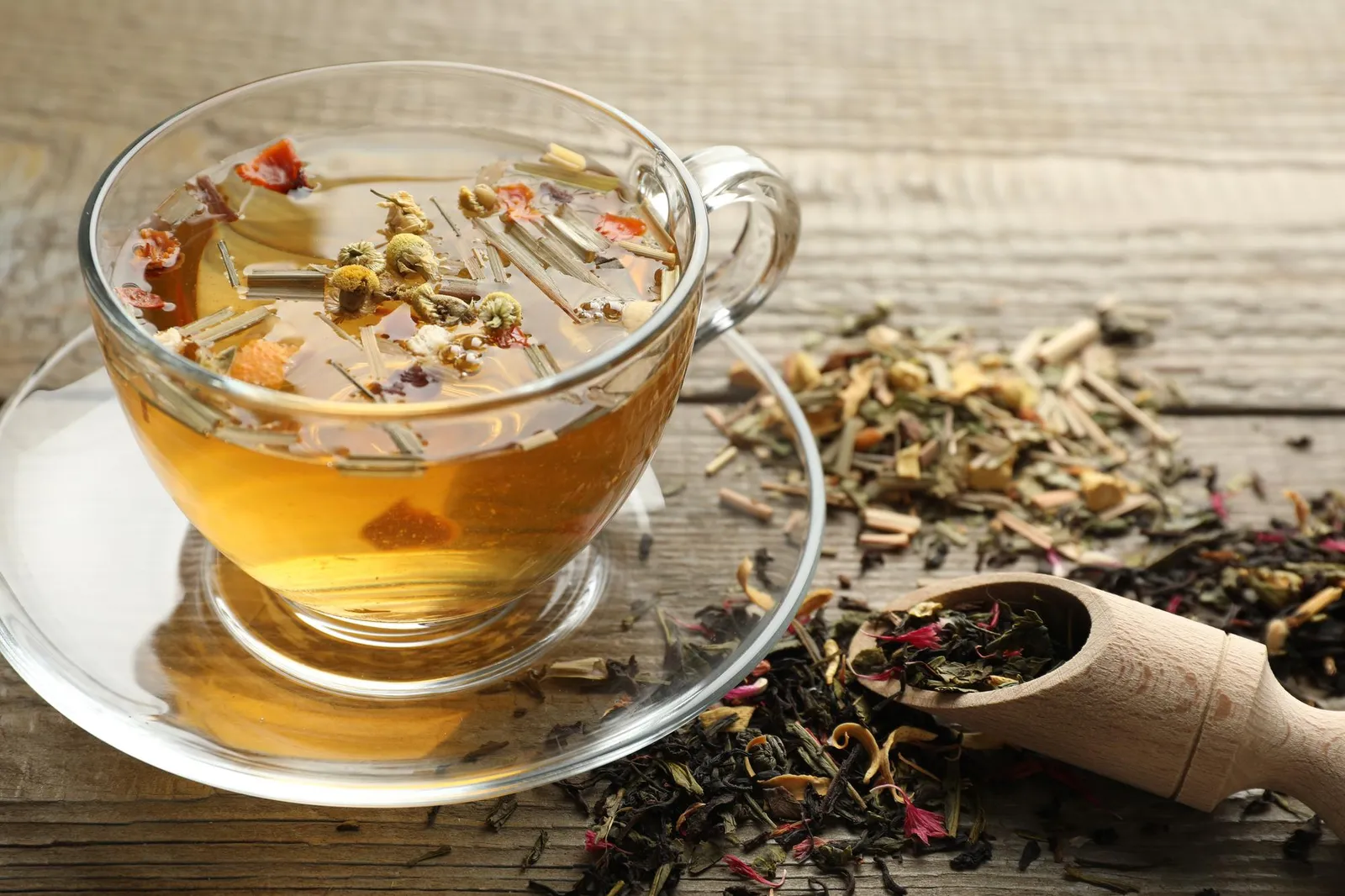
Feeling overwhelmed? Certain herbal teas can genuinely calm your nervous system. Here's which ones work, how they work, and when to drink them.
Herbal Tea for Stress and Anxiety Relief
Around 74% of people in the UK reported feeling so stressed last year that they were overwhelmed or unable to cope — and similar surveys across India show that urban stress levels have quietly become a public health issue. That's a striking number. And while a warm cup of tea won't replace therapy or medical support, certain herbal teas genuinely interact with your nervous system in ways that science is starting to understand quite well.
This isn't about wishful thinking or the placebo of a cosy mug. Some herbs contain active compounds that measurably affect your body's stress response. Here's what actually works, and why.
Why Some Teas Calm You Down (and Others Don't)
Not all teas are created equal when it comes to stress. Regular black or green tea contains caffeine, which can sharpen focus but might worsen anxiety in sensitive people — something worth knowing if you're prone to that jittery, wired feeling. If you've ever wondered about the differences, our breakdown of green tea vs black tea covers this well.
Herbal teas — technically called tisanes — are infusions of herbs, flowers, roots, or bark, and most are naturally caffeine-free. Several of them contain compounds that interact with GABA receptors in the brain (the same pathways targeted by some anti-anxiety medications), or that lower cortisol, the hormone your body pumps out when it's stressed.
That said, the effects are mild and gradual. Think of them as daily support, not instant relief.
The Best Herbal Teas for Stress and Anxiety
Chamomile — The Classic for a Reason
Matricaria chamomilla is probably the most studied herbal tea for anxiety. It contains apigenin, a flavonoid that binds to GABA receptors in the brain, producing a mild sedative effect. Clinical trials have shown that chamomile extract can reduce symptoms of generalised anxiety disorder over several weeks — not dramatically, but consistently.
A cup before bed is a particularly good habit. Chamomile's calming effect makes it one of the more reliable choices for winding down after a stressful day.
Ashwagandha — India's Own Stress Herb
Withania somnifera, better known in India as ashwagandha, is an adaptogen — meaning it helps your body adapt to stress rather than simply sedating you. It has a strong evidence base for reducing cortisol levels and improving stress resilience with regular use over four to eight weeks.
Ashwagandha tea has an earthy, slightly bitter taste that takes some getting used to. Mixing it with warm milk and a pinch of cinnamon makes it considerably more pleasant. It's slow-acting, so don't expect results overnight.
Tulsi — The Sacred Herb That Earns Its Reputation
Ocimum tenuiflorum (Holy Basil, or tulsi) is deeply embedded in Ayurvedic tradition, and modern research is catching up. It's another adaptogen, and studies show it can reduce cortisol, improve mood, and ease physical symptoms of stress like headaches and fatigue.
Tulsi tea is widely available in India and genuinely pleasant to drink — slightly clove-like and warming. A morning cup works well as a ritual to start the day calm rather than frantic. You might also enjoy it blended with other spices, much like the approach in masala chai during the rainy season.
Lemon Balm — Quiet But Effective

Melissa officinalis is less famous but has some solid research behind it. It appears to inhibit an enzyme that breaks down GABA in the brain, essentially prolonging the calming signal. Small studies have shown it reduces anxiety and improves sleep quality without causing grogginess the next morning.
It tastes mild and citrusy — easy to drink, easy to like. A good option if you find chamomile too floral.
Passionflower — For When Anxiety Hits Hard
Passiflora incarnata has been shown in a handful of small clinical trials to be comparable in effect to low-dose pharmaceutical anxiolytics for mild anxiety. It works via GABA pathways, similar to chamomile, but appears somewhat more potent.
Not as commonly found in Indian households, but it's available in specialty stores and online. Worth knowing about if other herbal teas aren't doing enough.
Lavender — More Than Just a Scent
Lavandula angustifolia isn't just for aromatherapy. Drunk as a tea (or taken as an oral supplement), lavender has demonstrated genuine anxiolytic effects in studies, particularly for generalised anxiety. The taste is floral and strong — a little goes a long way.
How to Get the Most Out of Stress-Relief Teas
Consistency matters more than quantity. One cup occasionally won't do much. Having a cup of chamomile or tulsi every evening for a few weeks is where you're more likely to notice a shift.
Steep properly. Most herbal teas need 5-7 minutes of steeping in hot (not boiling) water to release their active compounds properly. Rushing this step means a weaker, less effective brew.
Mind what you add. A spoonful of honey is fine. Heaping in sugar is counterproductive — blood sugar spikes can actually worsen anxiety symptoms. If you're curious about how hidden sugars sneak into things we assume are healthy, this piece on hidden sugar in Indian packaged foods is an eye-opener.
Be mindful of iron absorption. Tannins in some herbal teas can mildly reduce iron absorption if drunk right before meals — worth knowing if you're anaemic or relying on plant-based iron sources. There's a detailed look at this in our article on whether tea reduces iron absorption.
Pair with dark chocolate occasionally. There's actually a small but interesting body of research on cocoa and mood. If you want to explore that angle, check out what science says about dark chocolate and stress.
What Herbal Tea Can't Do
This needs saying plainly: herbal teas support calm, they don't treat anxiety disorders. If your anxiety is significantly affecting your sleep, relationships, or daily functioning, please talk to a doctor or mental health professional. These teas are complementary — like a useful habit, not a cure.
They also won't work if the rest of your day involves five coffees, no sleep, and a phone you check 90 times an hour. The tea works best as part of a broader, saner routine.
Latest Articles
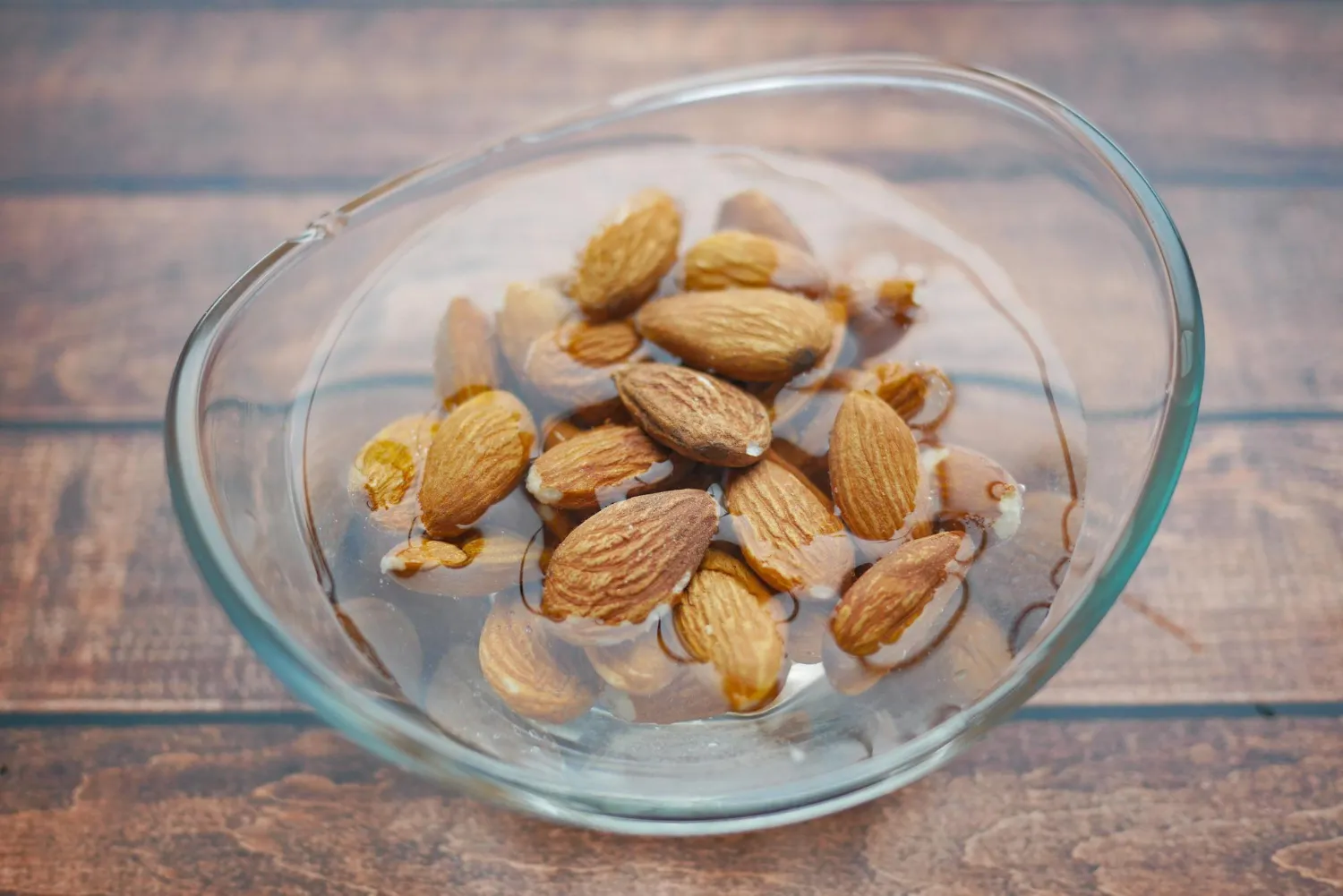
How to Eat Soaked Almonds Daily for Best Results
Soaked almonds pack more nutrition than raw ones. Here's exactly how to eat them daily — the right time, quantity, and simple habits that actually work.

How to Feed Goats During Monsoon Season
Monsoon changes everything for goat farmers. Learn exactly what to feed your goats during the rainy season to keep them healthy, productive, and disease-free.

Best Feed for Goats in Summer Heat
Struggling to keep your goats healthy in hot weather? Discover the best summer feed for goats to maintain weight, milk, and energy when temperatures soar.

Goat Milk for Lactose Intolerance: Does It Help?
Think goat milk is lactose-free? It's not — but it may still be easier to digest. Here's what the science actually says about goat milk and lactose intolerance.

Is Goat Meat Good for Weight Loss?
Wondering if goat meat fits into a weight loss diet? Here's what its nutrition profile really means for your goals — no fluff, just facts.

Goat Milk vs Cow Milk: Which Is Better for You?
Goat milk vs cow milk — which should you choose? Compare nutrition, digestion, taste, and health benefits to find the best fit for your diet.
Frequently Asked Questions
⚕️ Medical Disclaimer
This article is for informational and educational purposes only and is not a substitute for professional medical advice, diagnosis, or treatment. Always consult a qualified healthcare provider with any questions about a medical condition. Read full disclaimer.
Editorial note: This article was researched and written with the assistance of AI tools and reviewed by the Nutrikoo editorial team for accuracy and clarity. It is for general information only and is not medical advice. See our editorial policy.
Get healthy tips in your inbox
Join the Nutrikoo newsletter for science-backed nutrition, recipes and wellness — no spam, unsubscribe anytime.