
Is Mushroom Curry Good for Immunity?

By A Reza, Health & Nutrition Writer
12 June 2026 · 6 min read · 0 views
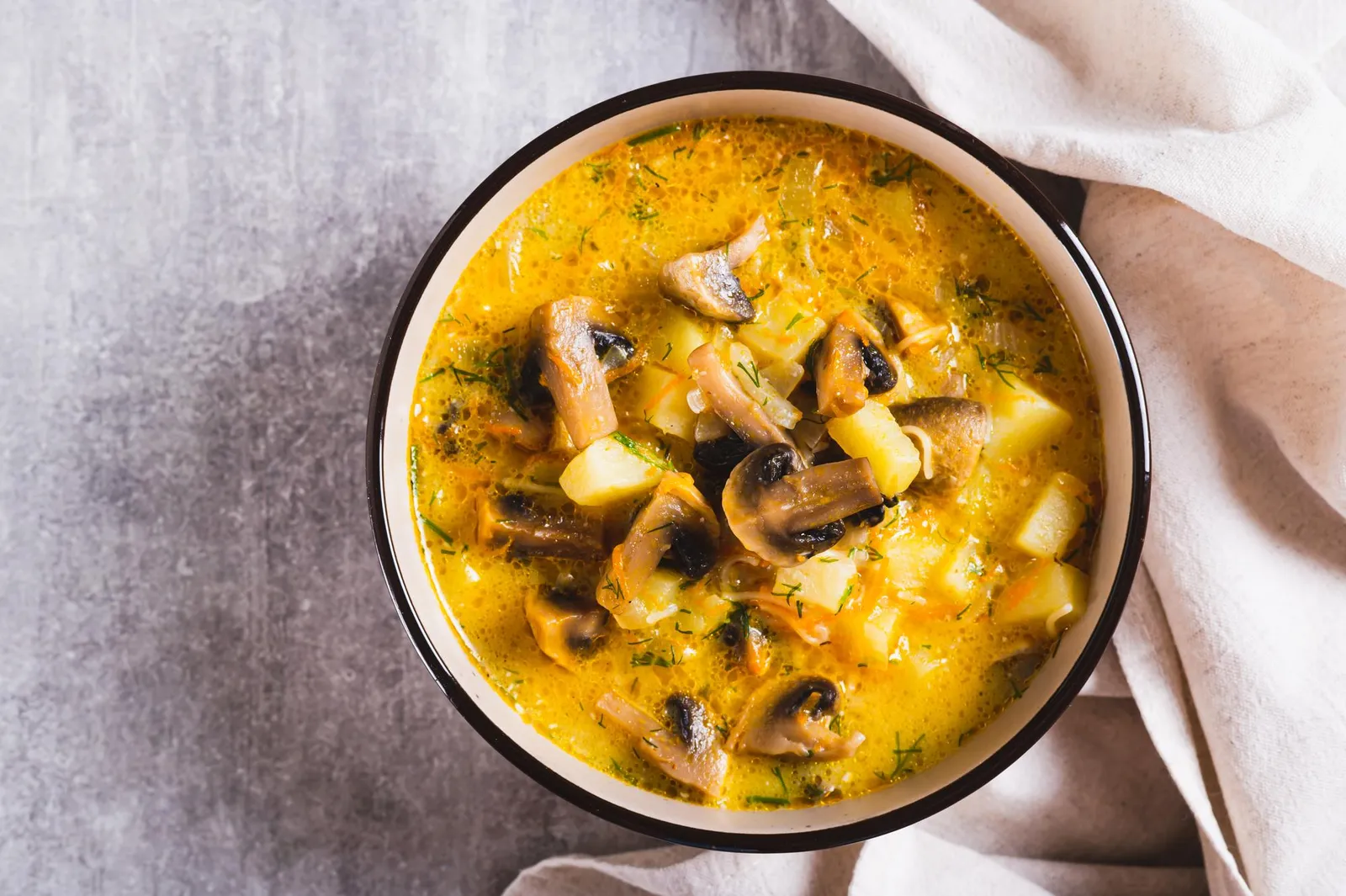
Wondering if mushroom curry can boost your immunity? Discover the science-backed nutrients in mushrooms and spices that support your immune health daily.
Is Mushroom Curry Good for Immunity?
There's something deeply comforting about a bowl of mushroom curry — the earthy aroma, the thick masala clinging to each piece, that satisfying richness you get with just a little ghee or oil. But beyond comfort food, a real question comes up: can eating mushroom curry regularly actually help your immune system?
Short answer — yes, genuinely. But the details matter.
What Makes Mushrooms So Special for Immunity?
Mushrooms (Agaricus bisporus for the common button variety, though oyster and shiitake offer their own benefits) are one of the rare plant foods that contain beta-glucans — a type of soluble fibre that has been studied for its ability to stimulate immune cells like macrophages and natural killer cells. Think of beta-glucans as a gentle nudge to your immune system to stay on alert without going into overdrive.
They also contain:
- Selenium — an antioxidant mineral that supports the production of protective immune proteins
- Vitamin B6 — involved in the chemical reactions that power immune responses
- Zinc — critical for the development of immune cells
- Ergothioneine — a unique antioxidant found almost exclusively in mushrooms
Here's something many people don't realise: mushrooms exposed to sunlight (or UV light) can produce vitamin D, which plays a well-known role in immune regulation. Most commercially sold mushrooms in India have limited sun exposure, but sun-dried or UV-treated varieties do offer a useful dose.
Does Cooking Mushrooms Reduce Their Benefits?
A fair concern. Some nutrients do take a hit from heat, but mushrooms are actually more nutritious cooked than raw in several respects. Cooking breaks down tough cell walls, releasing beta-glucans and making minerals more bioavailable.
Sautéing or simmering in a curry gravy — especially with oil or ghee — actually helps your body absorb fat-soluble compounds. So the typical Indian preparation style works well here, not against you.
The one thing to watch: overcooking mushrooms until they turn rubbery and shrink to nothing does reduce some heat-sensitive B vitamins. Medium heat, moderate cook time, and you're in good shape.
What Do the Spices in Mushroom Curry Add?
This is where Indian cooking genuinely earns its health reputation. The spice base of a typical mushroom curry isn't just flavour — it's functional.
Turmeric (Curcuma longa) contains curcumin, one of the most studied anti-inflammatory compounds in food. It doesn't cure anything on its own, but it does support a balanced immune response. Pair it with black pepper (which contains piperine) and fat, and absorption improves noticeably.
Ginger (Zingiber officinale) has antimicrobial and anti-inflammatory properties, and garlic (Allium sativum) contains allicin, which has been shown to support immune function — particularly useful during cold and flu season.
Cumin and coriander round things out with antioxidants and digestive benefits. A well-made mushroom curry is, nutritionally speaking, greater than the sum of its parts.

If you're interested in how individual immunity-supporting ingredients work together in Indian food, the piece on Tulsi Tea Benefits for Immunity covers a complementary angle worth reading.
Are Mushrooms Good for Gut Health Too?
Yes, and this matters more for immunity than people expect. Roughly 70% of your immune system is connected to your gut. The beta-glucans in mushrooms act as a prebiotic — feeding beneficial bacteria in your gut and supporting the intestinal environment where so many immune signals originate.
A curry that includes onions and garlic adds further prebiotic fibre to the mix. If you're already thinking about gut health through your food choices, you might also find Ridge Gourd Curry: The Best Sabzi for Digestion a useful read alongside this one.
Is Mushroom Curry Suitable for People With Diabetes or Weight Concerns?
Mushrooms are low in calories, low on the glycaemic index, and surprisingly high in protein compared to most vegetables — roughly 3g per 100g. A dry-style mushroom sabzi or a light tomato-based mushroom curry is filling without spiking blood sugar.
For those watching calories, going easy on cream, heavy use of oil, or rich cashew paste makes a meaningful difference. A simple onion-tomato-spice base gives you a nourishing curry that's genuinely diet-friendly.
People managing blood sugar might also want to look at Karela Sabzi Benefits for Blood Sugar Control — combining vegetables mindfully across meals can add up.
How Often Should You Eat Mushroom Curry for Immune Benefits?
There's no magic number, but two to three servings a week is a reasonable target. Mushrooms work best as part of a varied diet — they're not a replacement for sleep, regular movement, or other immune-supporting habits.
A few practical tips to get the most out of your mushroom curry:
- Don't skip the turmeric and black pepper — even a small pinch of pepper doubles curcumin absorption
- Add a squeeze of lemon at the end — vitamin C helps with iron absorption from plant foods
- Use a little fat — a teaspoon of ghee or cold-pressed oil helps absorb fat-soluble nutrients
- Try different mushrooms — oyster and shiitake varieties (Pleurotus ostreatus and Lentinula edodes) offer higher beta-glucan content than button mushrooms
Does Mushroom Curry Work Better Than Supplements for Immunity?
This is the honest answer: whole food wins in most everyday contexts. Supplements concentrate single compounds, but food delivers a matrix of nutrients that interact with each other in ways scientists are still mapping. A plate of mushroom curry gives you beta-glucans, zinc, selenium, B vitamins, and a full spice profile — simultaneously, in a form your body recognises.
That said, if you're genuinely deficient in vitamin D (common in India, especially in urban populations with limited sun exposure), a supplement alongside a healthy diet makes sense. Food first, supplementation as support when genuinely needed.
For building immune resilience through drinks, Best Tea for Immunity During Monsoon has some solid ideas to pair with your meals.
Latest Articles
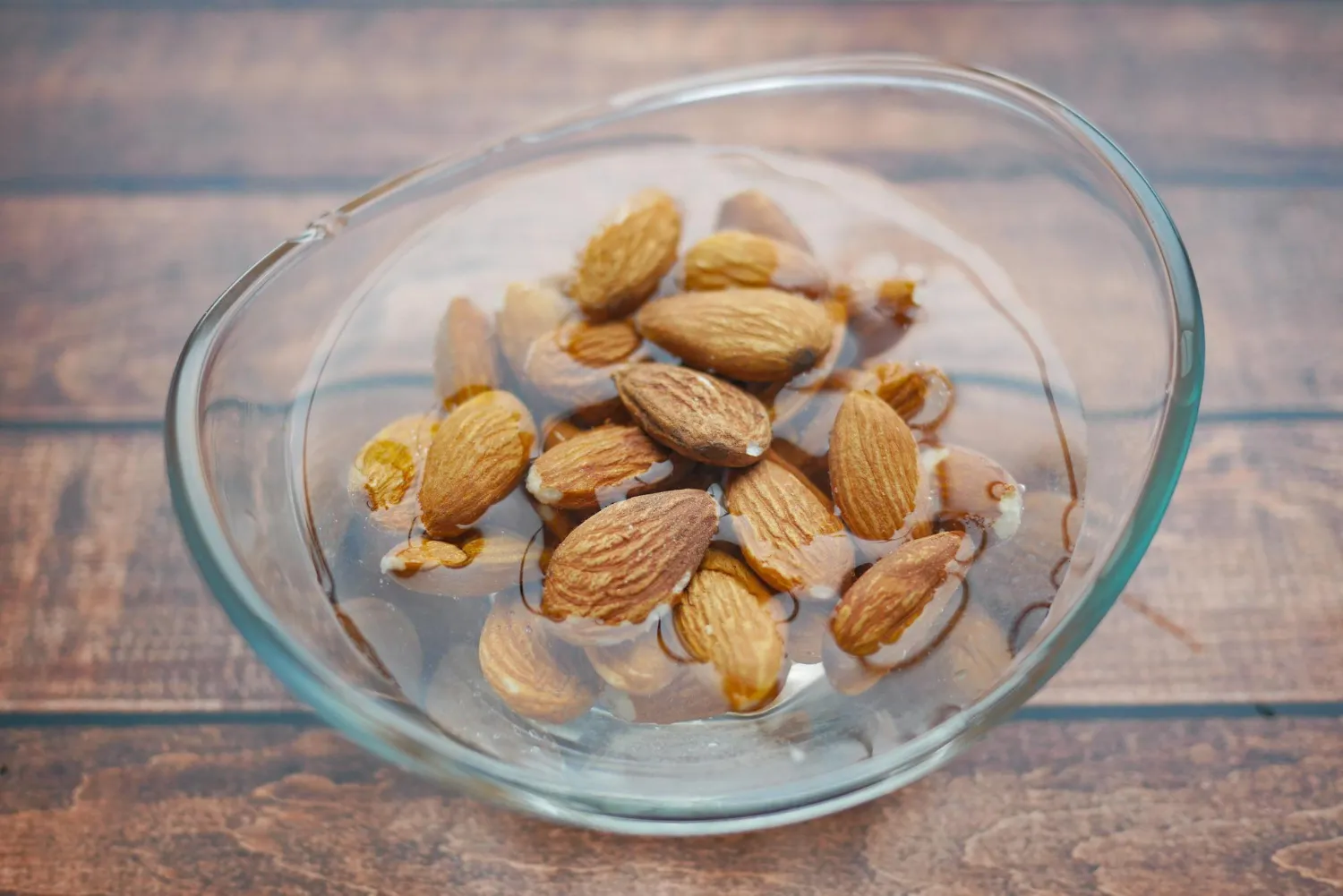
How to Eat Soaked Almonds Daily for Best Results
Soaked almonds pack more nutrition than raw ones. Here's exactly how to eat them daily — the right time, quantity, and simple habits that actually work.
How to Feed Goats During Monsoon Season
Monsoon changes everything for goat farmers. Learn exactly what to feed your goats during the rainy season to keep them healthy, productive, and disease-free.
Best Feed for Goats in Summer Heat
Struggling to keep your goats healthy in hot weather? Discover the best summer feed for goats to maintain weight, milk, and energy when temperatures soar.

Goat Milk for Lactose Intolerance: Does It Help?
Think goat milk is lactose-free? It's not — but it may still be easier to digest. Here's what the science actually says about goat milk and lactose intolerance.
Is Goat Meat Good for Weight Loss?
Wondering if goat meat fits into a weight loss diet? Here's what its nutrition profile really means for your goals — no fluff, just facts.
Goat Milk vs Cow Milk: Which Is Better for You?
Goat milk vs cow milk — which should you choose? Compare nutrition, digestion, taste, and health benefits to find the best fit for your diet.
Frequently Asked Questions
⚕️ Medical Disclaimer
This article is for informational and educational purposes only and is not a substitute for professional medical advice, diagnosis, or treatment. Always consult a qualified healthcare provider with any questions about a medical condition. Read full disclaimer.
Get healthy tips in your inbox
Join the Nutrikoo newsletter for science-backed nutrition, recipes and wellness — no spam, unsubscribe anytime.