
Best Foods to Eat When Stressed

By A Reza, Health & Nutrition Writer
12 June 2026 · 7 min read · 0 views
Stressed and reaching for chips? Discover which foods actually calm your nervous system — and which ones quietly make stress worse. A practical guide.
Best Foods to Eat When Stressed
Stress hits, and suddenly the biscuit tin is empty. Sound familiar? Most of us reach for something salty, sweet, or fried when we're overwhelmed — and while that might feel comforting for about four minutes, it rarely helps. The good news is that food genuinely can influence how your nervous system handles stress. Not as a cure, but as real, meaningful support.
Here's a practical look at which foods are worth reaching for when life gets hectic — and why they actually work.
Why Food and Stress Are More Connected Than You Think
When you're stressed, your body releases cortisol, your primary stress hormone. Cortisol affects your blood sugar, digestion, sleep, and mood. What you eat can either stabilize that cascade or amplify it.
Think of it this way: a blood sugar spike from a bag of chips followed by a crash is like throwing petrol on a fire and then wondering why the room feels hotter. Stable, nutrient-dense eating, on the other hand, gives your nervous system a steadier platform to work from.
Several nutrients — magnesium, omega-3 fatty acids, B vitamins, and tryptophan — play specific roles in stress response and mood regulation. The foods below are rich in at least one of these.
The Foods That Actually Help (And Why)
Dark Chocolate — Comfort Food That Earns Its Place
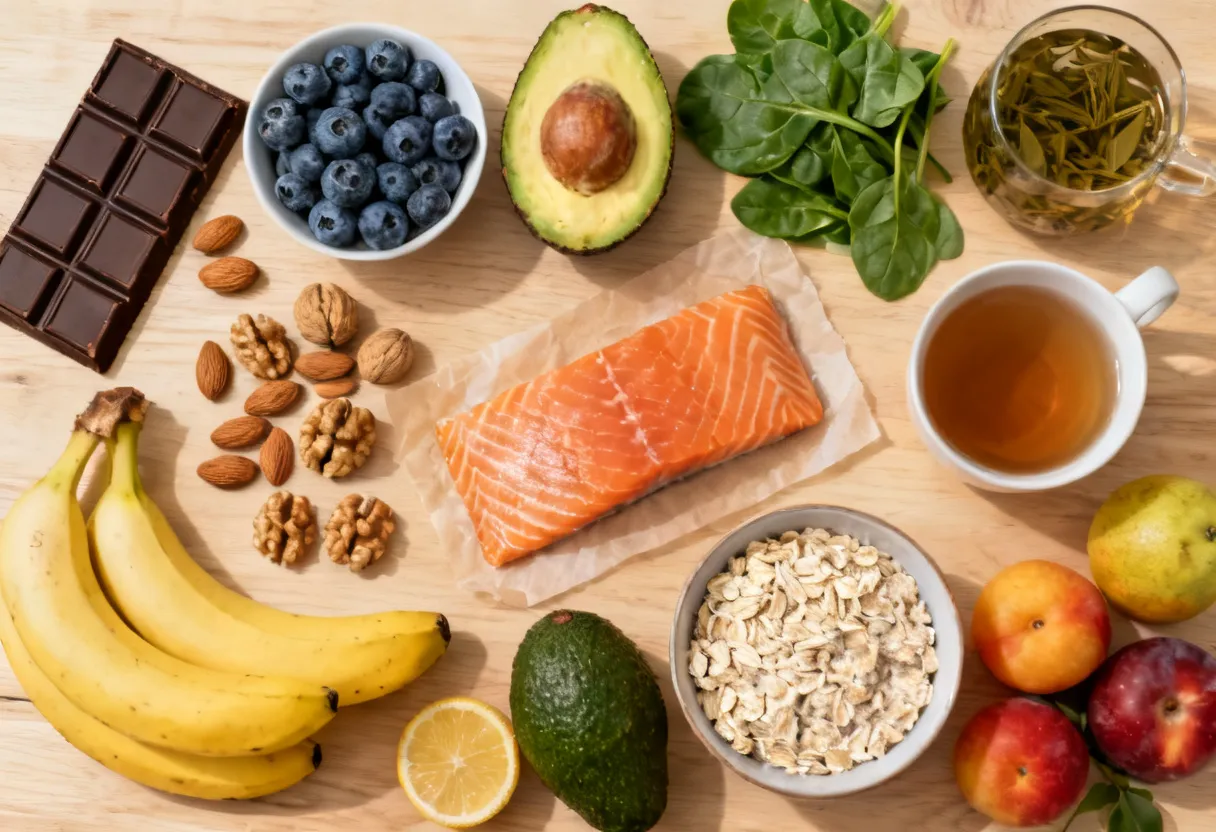
Here's one most people are happy to hear. A small amount of dark chocolate (70% cocoa or more) has been shown to lower cortisol levels and reduce the perception of stress in research studies. Cocoa contains flavonoids that support blood flow to the brain, along with magnesium and compounds that trigger the release of mood-regulating neurotransmitters.
The key word is small — a couple of squares, not half a bar. We've covered this in detail in our article on whether dark chocolate is actually good for stress, and the science is more encouraging than most people expect.
Fatty Fish — A Mood Stabilizer You Might Be Skipping
Salmon, mackerel, sardines, rohu, and hilsa are all rich in omega-3 fatty acids, particularly EPA and DHA. These fatty acids help regulate neurotransmitter function and have been linked to reduced anxiety and lower cortisol levels in several studies.
Compared to the quick serotonin hit of sugary snacks (which fades fast and can leave you feeling worse), omega-3s offer slower, more sustained mood support. If you eat fish regularly, stress is one more reason to keep it on your plate.
Nuts — Small but Genuinely Useful
Walnuts and almonds are two standout choices here. Walnuts are one of the few plant sources of omega-3s. Almonds are high in magnesium and vitamin E, both of which support the body's stress response. A small handful as an afternoon snack beats most packaged options.
Magnesium deserves special mention — many Indians are deficient in it, and low magnesium has been linked to heightened anxiety and irritability. If you want to understand this connection more deeply, our article on magnesium for anxiety breaks it down clearly. For a side-by-side look at which nut might suit you better, see walnuts vs almonds.
Leafy Greens and Spinach
Palak (Spinacia oleracea) and other dark leafy greens are loaded with magnesium, folate, and iron. Folate plays a direct role in the synthesis of dopamine and serotonin — two neurotransmitters that regulate mood. Low folate has been associated with depression and emotional flatness in research.
Spinach dal, saag, or just a handful of greens tossed into a meal — none of this requires a dramatic dietary overhaul. Small additions add up.
Fermented Foods — The Gut-Brain Link
Curd (dahi), lassi, kanji, idli, dosa, and other fermented foods support a healthy gut microbiome. This matters for stress because the gut and brain are in constant communication through the vagus nerve and through chemical signalling.
A well-populated gut microbiome helps produce a significant portion of the body's serotonin. So while it might sound strange, a bowl of curd with your meal is, in a real sense, supporting your mental state. Probiotic-rich foods aren't a quick fix, but over time they make a genuine difference.
Oats and Complex Carbohydrates
There's a reason people often crave carbs when stressed — carbohydrates stimulate insulin release, which helps tryptophan cross into the brain, where it's converted to serotonin. The problem isn't wanting carbs. The problem is which carbs.
Oats, brown rice, whole wheat roti, rajma, and lentils give you the tryptophan-to-serotonin benefit without the blood sugar crash that follows refined carbs. That crash, incidentally, triggers another cortisol spike — which is exactly what you're trying to avoid.
Herbal Teas — A Ritual That Calms
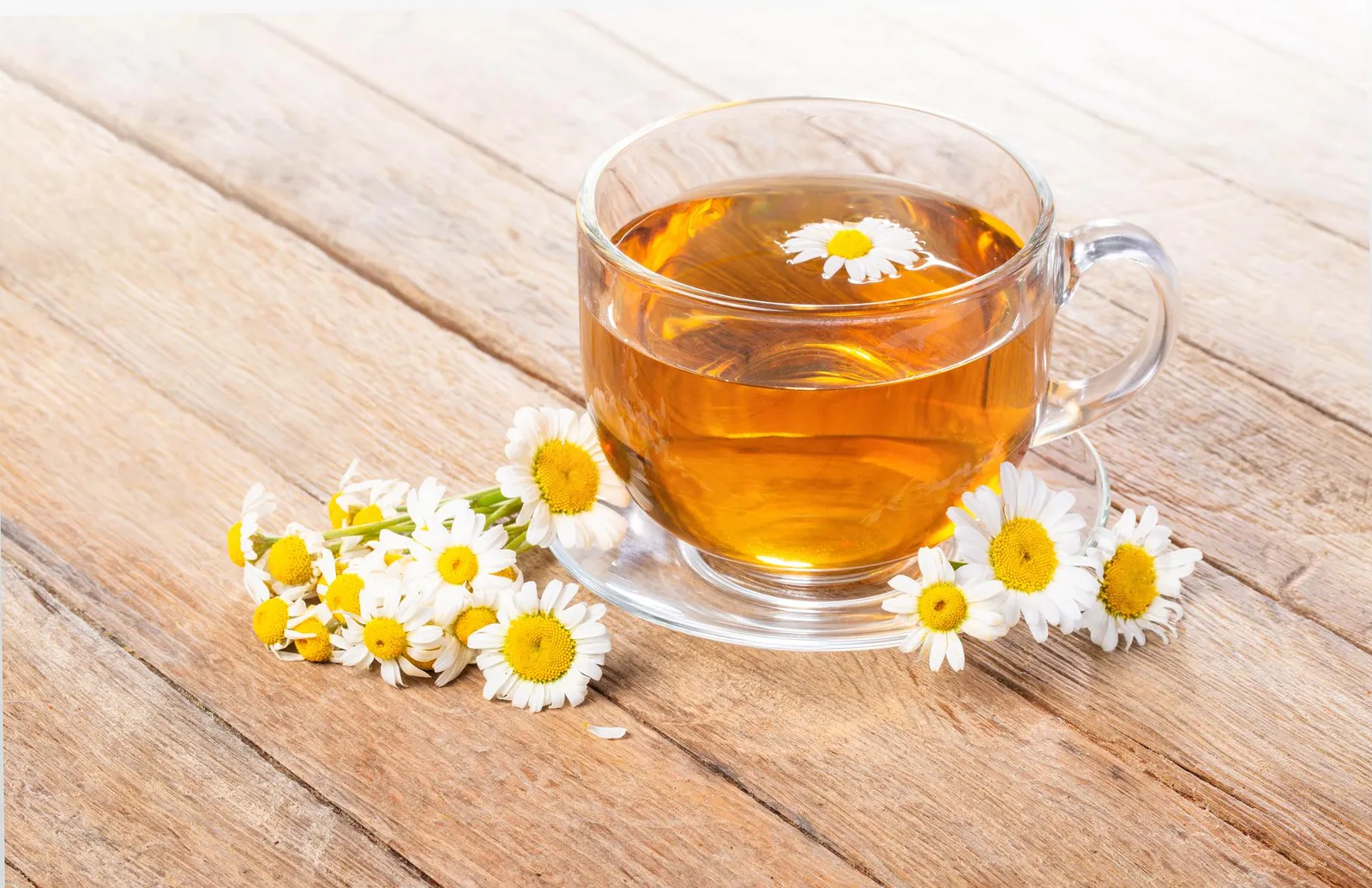
Chamomile (Matricaria chamomilla), ashwagandha, and tulsi-based teas have long been used for stress and anxiety support, and there's decent evidence behind some of them. Chamomile, in particular, has been studied for its mild anxiolytic (anxiety-reducing) effects.
A cup of herbal tea for stress and anxiety is not just a warm drink — the ritual itself has a calming effect on the nervous system. Contrast this with reaching for a third coffee: caffeine raises cortisol, which is the last thing you need when you're already wired.
Seeds — Easy to Add, Easy to Forget
Flaxseeds (Linum usitatissimum), chia seeds (Salvia hispanica), and pumpkin seeds are worth keeping around. Pumpkin seeds are particularly high in zinc and magnesium. Flax and chia offer plant-based omega-3s. A spoonful stirred into your morning curd or sprinkled on a salad does the job without any fuss. For a deeper comparison, check out chia seeds vs flax seeds.
What to Eat Less of When You're Stressed
The contrast matters here. Some foods actively make your stress response worse:
- Refined sugar and ultra-processed snacks — spike blood sugar, then crash it, then spike cortisol.
- Excess caffeine — raises cortisol and can worsen anxiety, especially on an empty stomach.
- Alcohol — feels calming at first but disrupts sleep and raises baseline anxiety the next day.
- Fried, heavy foods — slow digestion and can increase fatigue, which amplifies stress.
None of this means never eat these things. It means that on high-stress days, they work against you more than usual.
A Practical Stress-Relief Plate (Indian Style)
You don't need to go out of your way to eat better when stressed. A reasonable stress-supportive meal in an Indian context might look like:
- A bowl of dal (lentils for tryptophan and B vitamins) with brown rice or roti
- Palak or any green sabzi on the side
- A small bowl of dahi
- A couple of walnuts or a piece of dark chocolate afterwards
That's not a special diet. It's just a reasonably balanced Indian meal with some thought behind the choices.
Latest Articles
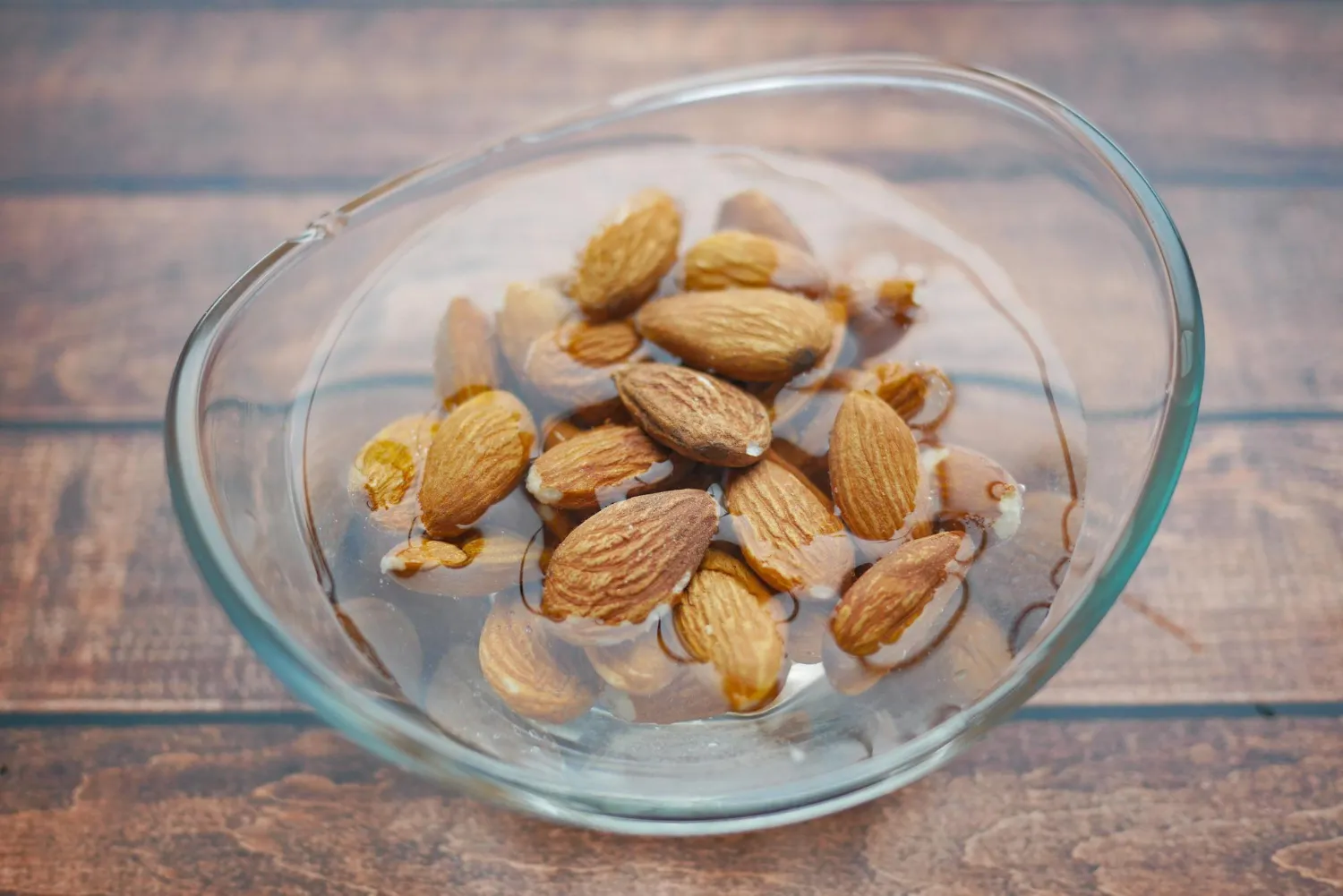
How to Eat Soaked Almonds Daily for Best Results
Soaked almonds pack more nutrition than raw ones. Here's exactly how to eat them daily — the right time, quantity, and simple habits that actually work.
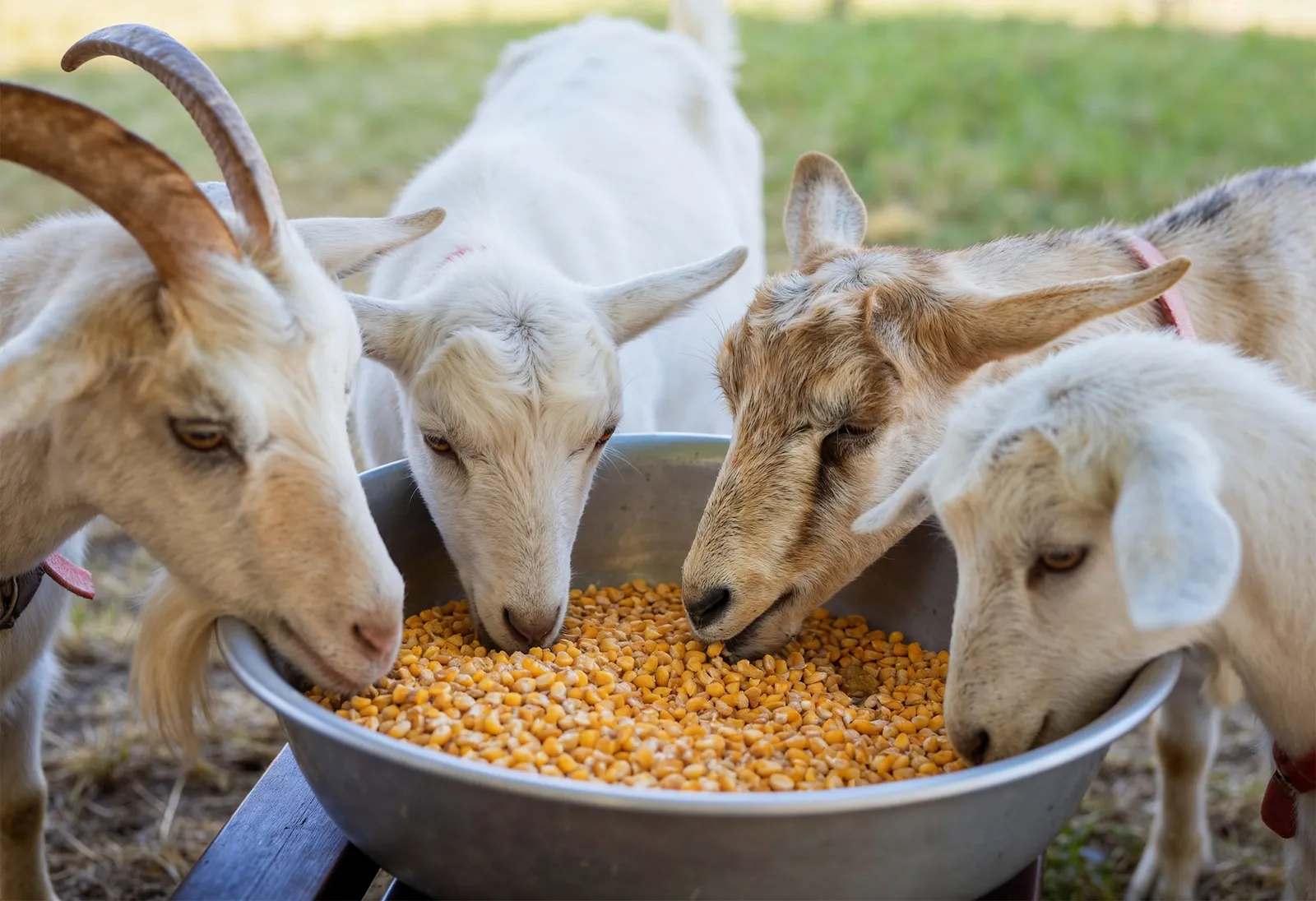
How to Feed Goats During Monsoon Season
Monsoon changes everything for goat farmers. Learn exactly what to feed your goats during the rainy season to keep them healthy, productive, and disease-free.

Best Feed for Goats in Summer Heat
Struggling to keep your goats healthy in hot weather? Discover the best summer feed for goats to maintain weight, milk, and energy when temperatures soar.
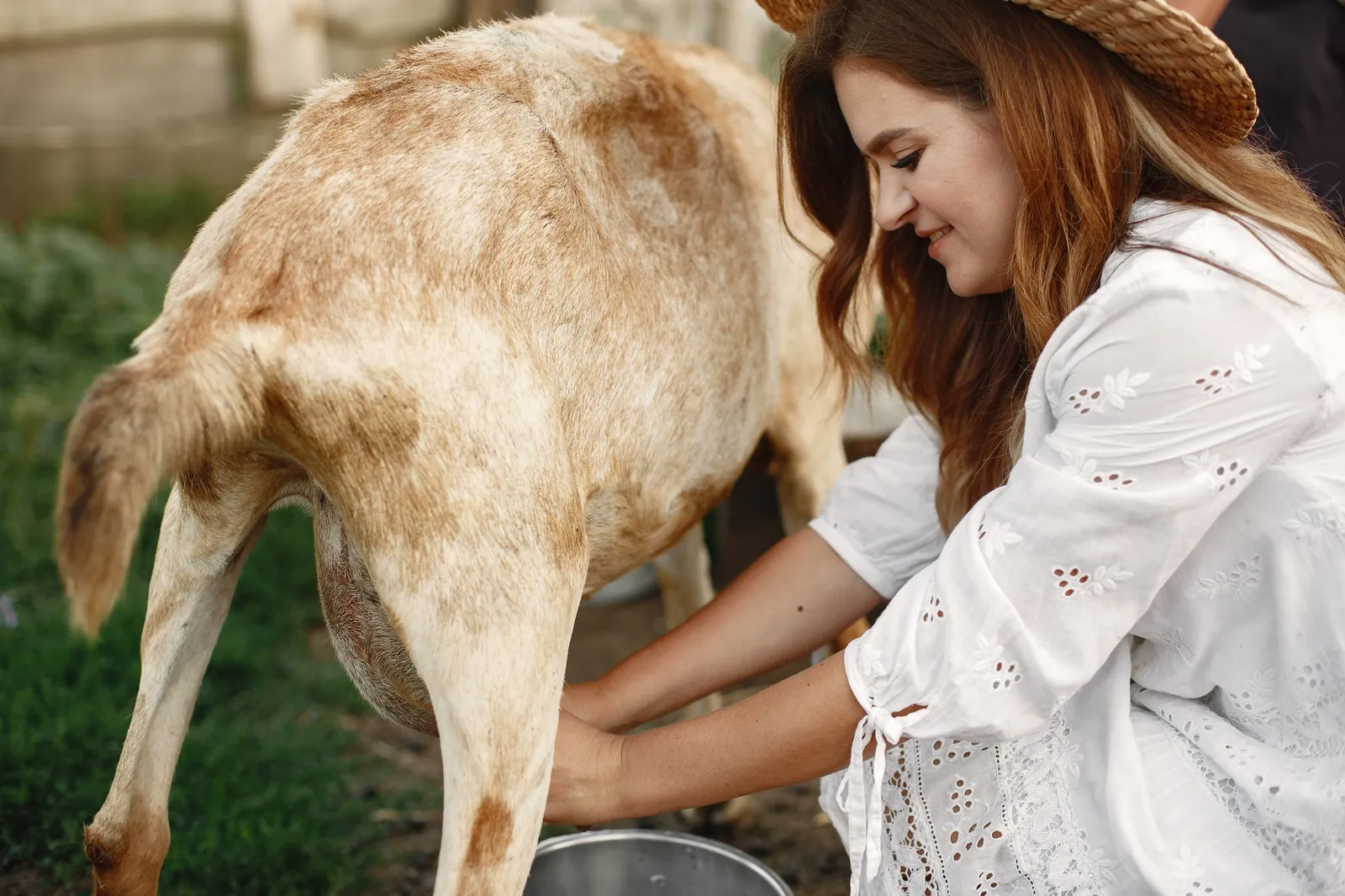
Goat Milk for Lactose Intolerance: Does It Help?
Think goat milk is lactose-free? It's not — but it may still be easier to digest. Here's what the science actually says about goat milk and lactose intolerance.
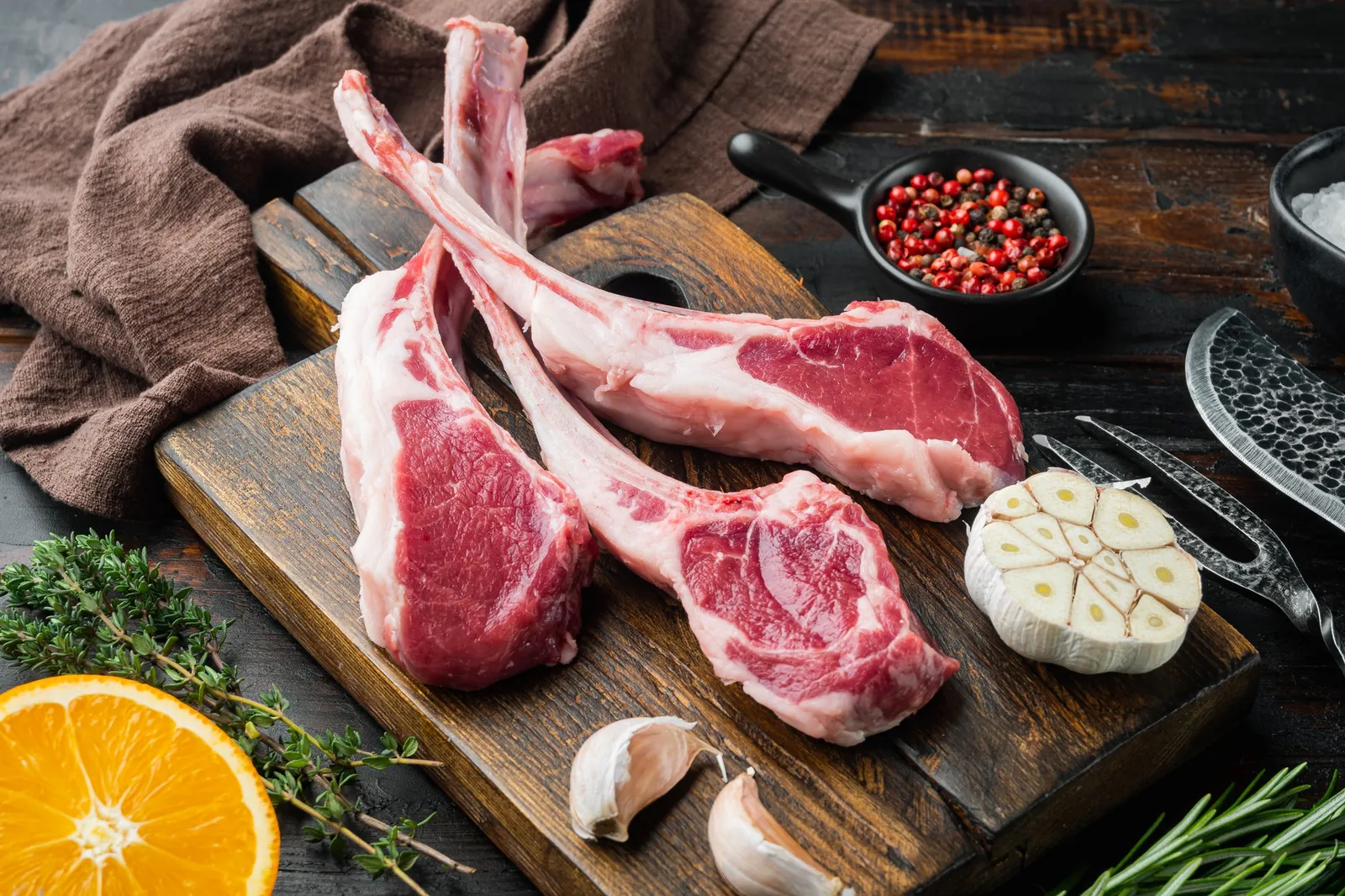
Is Goat Meat Good for Weight Loss?
Wondering if goat meat fits into a weight loss diet? Here's what its nutrition profile really means for your goals — no fluff, just facts.
Goat Milk vs Cow Milk: Which Is Better for You?
Goat milk vs cow milk — which should you choose? Compare nutrition, digestion, taste, and health benefits to find the best fit for your diet.
Frequently Asked Questions
⚕️ Medical Disclaimer
This article is for informational and educational purposes only and is not a substitute for professional medical advice, diagnosis, or treatment. Always consult a qualified healthcare provider with any questions about a medical condition. Read full disclaimer.
Editorial note: This article was researched and written with the assistance of AI tools and reviewed by the Nutrikoo editorial team for accuracy and clarity. It is for general information only and is not medical advice. See our editorial policy.
Get healthy tips in your inbox
Join the Nutrikoo newsletter for science-backed nutrition, recipes and wellness — no spam, unsubscribe anytime.