
Lauki Sabzi for Weight Loss: Does It Really Work?

By A Reza, Health & Nutrition Writer
12 June 2026 · 6 min read · 10 views
Think lauki sabzi is just boring diet food? Think again. Here's what this humble bottle gourd curry actually does for your weight and health.
Lauki Sabzi for Weight Loss: Does It Really Work?
There's a myth that's been doing the rounds in Indian households for decades: lauki sabzi is bland, boring food — something you eat only when you're sick or on a strict diet, and even then, reluctantly. Some people genuinely believe that any vegetable this plain-tasting couldn't possibly do much for the body.
That myth deserves to be put to rest, because the science behind lauki is actually quite impressive — and if you've been skipping it at dinner, you may want to reconsider.
What Exactly Is Lauki?
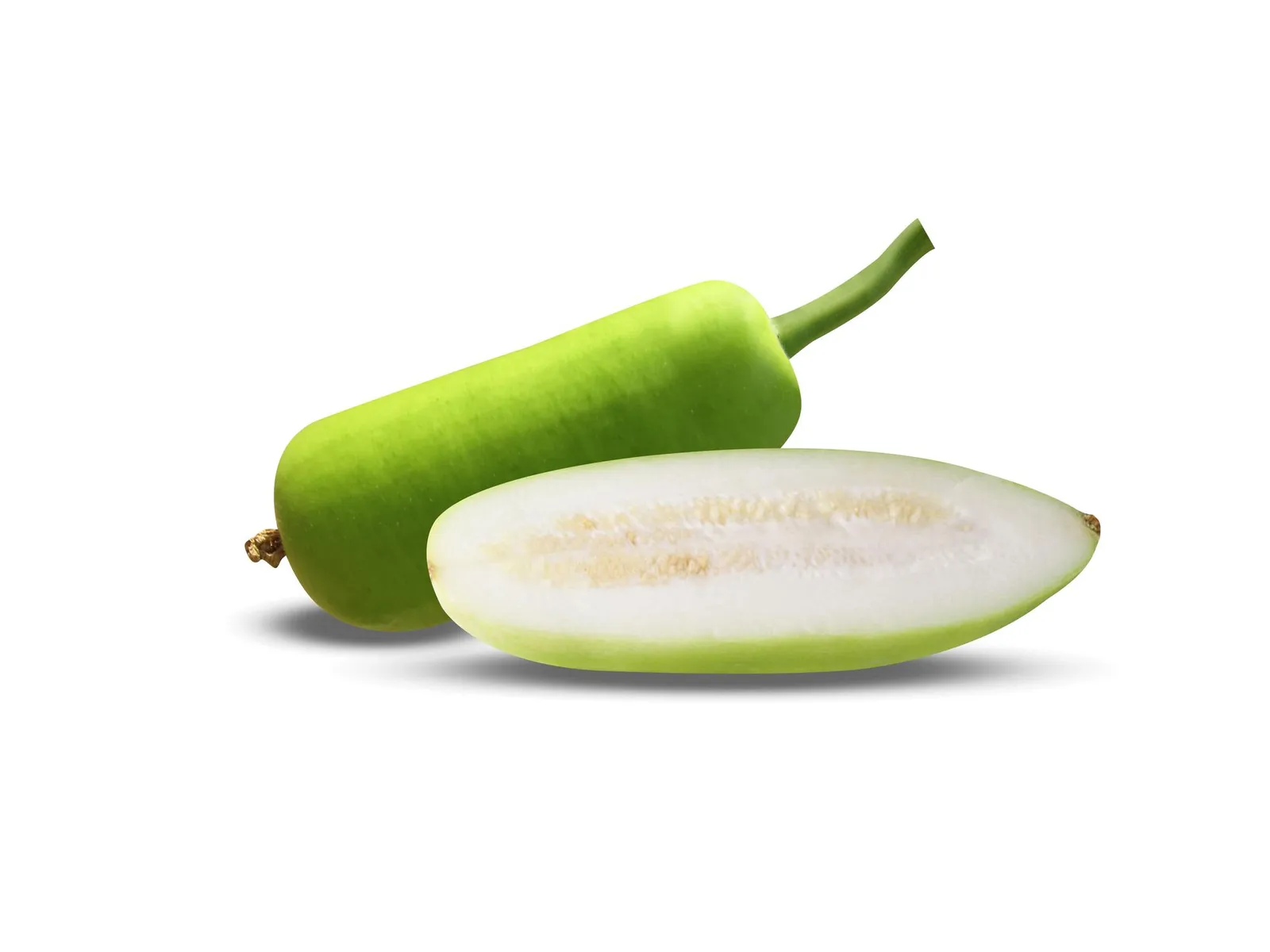
Lauki (Lagenaria siceraria), also called bottle gourd, dudhi, or ghiya depending on which part of India you're from, is a light green, mild-flavoured vegetable that has been grown across South Asia for thousands of years. It belongs to the gourd family and has long been a staple in home cooking — stuffed into rotis, simmered in dals, or cooked as a simple sabzi with minimal spices.
It's this simplicity that fools people. Lauki doesn't taste exciting, so it must not be doing much. But nutrition doesn't work that way.
The Nutritional Profile You're Underestimating
Here's the thing about lauki: around 96% of its weight is water. That's higher than cucumber. A 100g serving of lauki contains roughly 12–15 calories, barely any fat, and a small but useful amount of dietary fibre, vitamin C, folate, potassium, and calcium.
For weight loss, that combination is genuinely useful:
- Very low in calories — you can eat a generous portion without worrying about overshooting your daily intake
- High water content — helps you feel physically full without adding caloric load
- Moderate fibre — slows down digestion and curbs the urge to snack between meals
- Low glycaemic impact — doesn't spike blood sugar sharply, which matters for sustained energy and appetite control
Compare this to something like chia seeds for weight loss — a more trendy option — and lauki holds its own as a whole-food strategy that's affordable and easy to cook daily.
How Lauki Sabzi Specifically Supports Weight Loss
It Fills You Up Without Filling You Out
Volumetrics — the idea of eating high-volume, low-calorie foods — is one of the more practical and evidence-backed approaches to managing weight. Lauki sabzi fits this perfectly. A large bowl of lauki sabzi cooked with minimal oil might give you 80–100 calories while taking up serious space in your stomach.
The result? You feel satisfied. You're less likely to reach for a second helping of rice or grab biscuits an hour later.
It Supports Digestion
Lauki's fibre content, combined with its water, helps keep the digestive system moving smoothly. Bloating and water retention can make the scales look worse than reality and make you feel sluggish — lauki actively works against that. Regular consumption has traditionally been associated with reducing constipation and easing acidity.

If you're someone who tends to feel heavy or uncomfortable after meals, swapping a heavier sabzi for lauki a few times a week might make a noticeable difference.
It Helps Control Cravings
Blood sugar swings are one of the quieter culprits behind overeating. When your blood glucose rises sharply after a meal and then crashes, your body sends hunger signals even when you've eaten enough. Lauki, being low on the glycaemic index and slow to digest, helps flatten that curve. More stable blood sugar generally means fewer intense cravings, particularly for sweet or starchy foods.
It Supports Hydration
Most of us walk around mildly dehydrated without realising it — and thirst is frequently mistaken for hunger. Eating lauki sabzi contributes to your daily fluid intake in a way that plain water doesn't always manage to. Think of it as eating your hydration, which also happens to be an old Indian nutrition principle.
How You Cook It Matters
A sabzi made with two tablespoons of ghee and a handful of cashews will behave very differently from one cooked with a light hand and minimal oil. For weight loss purposes:
- Use 1 teaspoon of oil per serving (mustard or cold-pressed coconut work well)
- Add jeera, hing, and light spices — you don't need a heavy masala base
- Avoid cream or nut pastes, which add significant calories
- Add a dal or curd on the side for protein — lauki on its own is light on protein, so pairing matters
A simple lauki-moong dal sabzi or lauki with low-fat curd can make for a genuinely balanced, filling meal.
What About the Other Health Benefits?
Weight loss aside, lauki sabzi has a few other things going for it worth knowing:
- Blood pressure: Lauki is a good source of potassium, which helps counter the effects of sodium and supports healthy blood pressure
- Kidney and liver health: Traditional Ayurvedic use includes lauki for cooling and cleansing effects, and some preliminary research supports its role in liver support
- Cholesterol: Regular consumption of high-fibre vegetables like lauki may contribute to modest improvements in LDL cholesterol over time
- Stress: It contains choline, a nutrient that plays a role in nerve function and mood regulation
If you're interested in how other everyday foods support similar goals, makhana benefits for weight loss is another underrated Indian option worth reading about.
A Note on Pairing and Balance
Lauki sabzi works best as part of a balanced thali — not as a standalone miracle. Pair it with a protein source like dal, paneer, eggs, or curd, a source of complex carbohydrates like jowar roti or brown rice, and you have a meal that genuinely supports weight management without making you feel deprived.
And if you're looking at your drinks alongside meals, knowing the best time to drink green tea for weight loss can also make a small but useful difference when you're watching your calories thoughtfully.
For snacks in between, seeds like those covered in chia seeds vs flax seeds: which is better can complement the high-vegetable approach well.
Latest Articles
How to Eat Soaked Almonds Daily for Best Results
Soaked almonds pack more nutrition than raw ones. Here's exactly how to eat them daily — the right time, quantity, and simple habits that actually work.

How to Feed Goats During Monsoon Season
Monsoon changes everything for goat farmers. Learn exactly what to feed your goats during the rainy season to keep them healthy, productive, and disease-free.

Best Feed for Goats in Summer Heat
Struggling to keep your goats healthy in hot weather? Discover the best summer feed for goats to maintain weight, milk, and energy when temperatures soar.

Goat Milk for Lactose Intolerance: Does It Help?
Think goat milk is lactose-free? It's not — but it may still be easier to digest. Here's what the science actually says about goat milk and lactose intolerance.
Is Goat Meat Good for Weight Loss?
Wondering if goat meat fits into a weight loss diet? Here's what its nutrition profile really means for your goals — no fluff, just facts.
Goat Milk vs Cow Milk: Which Is Better for You?
Goat milk vs cow milk — which should you choose? Compare nutrition, digestion, taste, and health benefits to find the best fit for your diet.
Frequently Asked Questions
⚕️ Medical Disclaimer
This article is for informational and educational purposes only and is not a substitute for professional medical advice, diagnosis, or treatment. Always consult a qualified healthcare provider with any questions about a medical condition. Read full disclaimer.
Editorial note: This article was researched and written with the assistance of AI tools and reviewed by the Nutrikoo editorial team for accuracy and clarity. It is for general information only and is not medical advice. See our editorial policy.
Get healthy tips in your inbox
Join the Nutrikoo newsletter for science-backed nutrition, recipes and wellness — no spam, unsubscribe anytime.