

High Fiber Foods for Better Digestion in India

By A Reza, Health & Nutrition Writer
5 July 2026 · 7 min read · 22 views
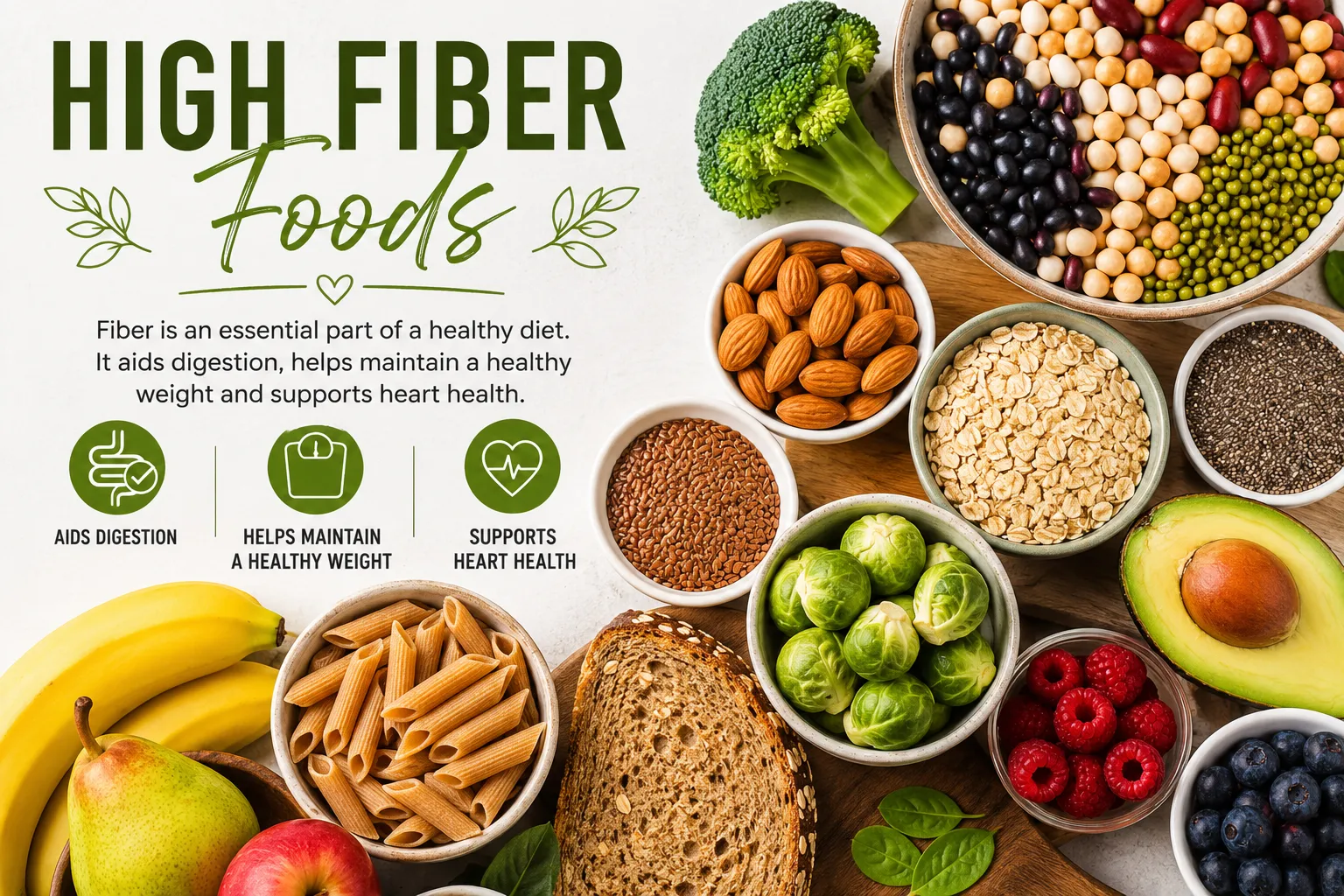
Discover the best high fiber foods for better digestion in India — from dal to drumstick — and why most Indians aren't eating nearly enough fiber.
High Fiber Foods for Better Digestion in India
Here's a myth you've probably heard: "Indian food is already so healthy — chapati, dal, sabzi — our digestion takes care of itself." It sounds reasonable. But nutrition surveys tell a different story. Most Indians consume somewhere between 10–15 grams of fiber a day, well short of the 25–38 grams health guidelines recommend. The traditional Indian diet can be fiber-rich, but the way most of us actually eat today — white rice, maida-based snacks, packaged foods, skipping pulses — leaves a significant gap.
And that gap shows. Constipation, bloating, irregular digestion, and even weight struggles are often linked back to inadequate fiber. The good news? India's food landscape is genuinely one of the best in the world for getting more fiber — if you know where to look.
Why Fiber Matters More Than You Think
Fiber is the part of plant food your body can't digest. That sounds like a flaw, but it's actually the whole point. Soluble fiber dissolves in water and forms a gel that slows digestion, steadies blood sugar, and feeds your gut bacteria. Insoluble fiber adds bulk to stool, keeps things moving, and helps prevent constipation.
Your gut microbiome — the trillions of bacteria living in your intestines — depends heavily on fiber as fuel. When fiber is short, those bacteria don't just sit idle. They start feeding on your gut lining instead, which can lead to inflammation over time. Getting enough fiber is genuinely one of the simplest things you can do for long-term digestive health.
For a practical sense of how vegetables fit into gut-friendly eating, check out this guide on Ridge Gourd Curry: The Best Sabzi for Digestion — a humble vegetable that punches well above its weight.
The Best High Fiber Foods in an Indian Kitchen
Pulses: Your Everyday Fiber Powerhouse
Dal isn't just comfort food. Lentils, chickpeas (Cicer arietinum), rajma, moong, and chana are among the richest fiber sources available — anywhere in the world, not just India. A single cup of cooked rajma (kidney beans) delivers roughly 13 grams of fiber. Chana dal comes close. Even everyday yellow moong dal, often thought of as "light," contributes meaningfully.
If you're eating dal once a day, you're doing something right. If you've switched to just rice or roti without it — as many urban households have — that's worth reconsidering.
Whole Grains Over Refined Ones
The difference between whole wheat flour and maida (refined flour) is almost entirely about fiber. Whole wheat atta retains the bran layer, which carries most of the fiber. White rice loses its bran during milling, leaving behind mostly starch.
Practical swaps that actually work:
- Switch to whole wheat roti or multigrain atta
- Try red or brown rice occasionally — it doesn't have to be every meal
- Add rolled oats to breakfast a few times a week; a bowlful gives you around 4 grams of fiber
- Use whole grain poha or millet-based dishes more regularly
Millets like bajra, jowar, and ragi deserve a special mention. They've been staples in many Indian regions for centuries and are excellent sources of insoluble fiber. The renewed interest in millets across India isn't just a trend — nutritionally, it makes a lot of sense.
Vegetables That Work Hard
Not all sabzis are equal on the fiber front. Some quiet overachievers:
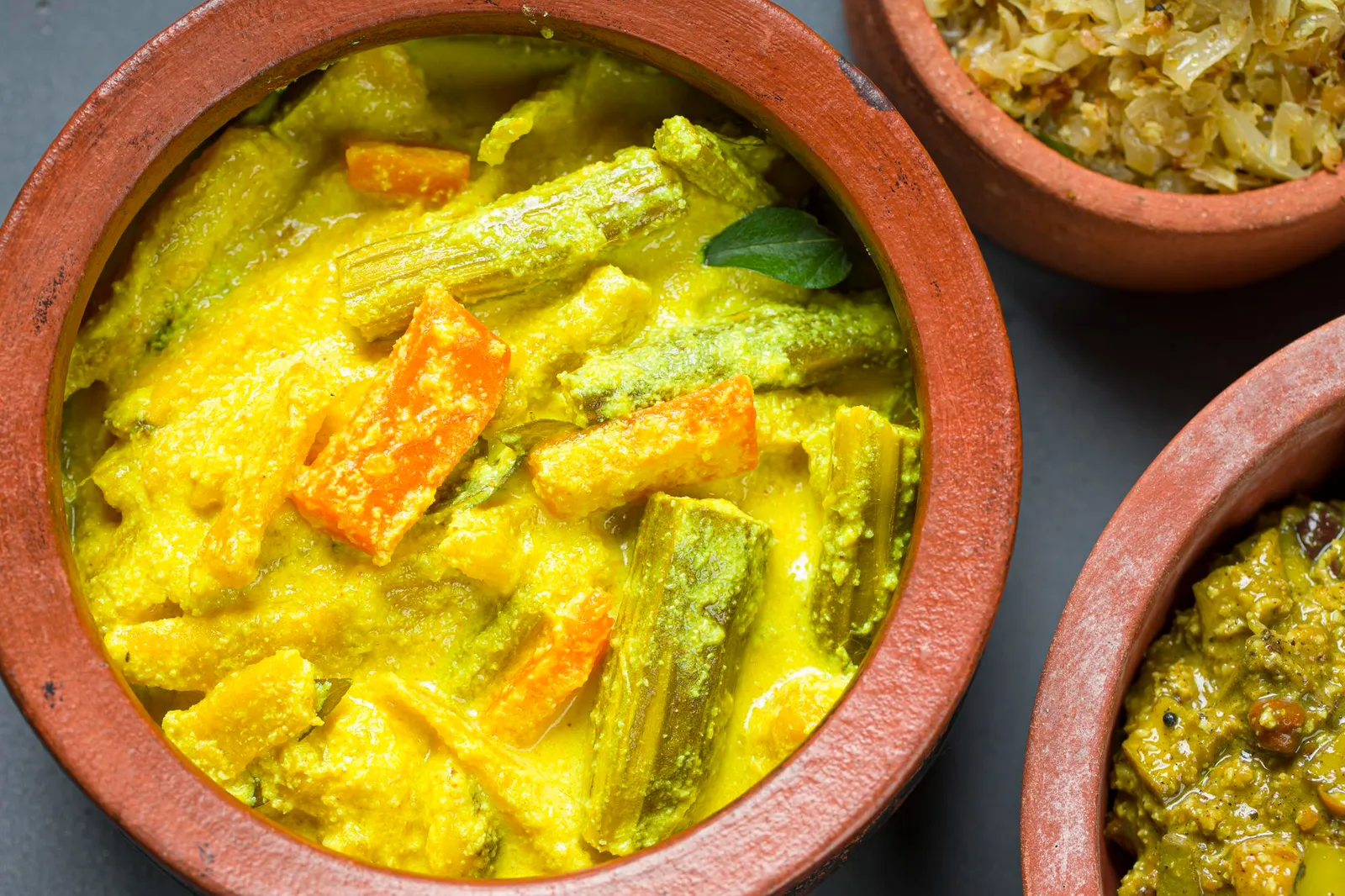
- Drumstick (Moringa, Moringa oleifera) — the pods are high in fiber and the leaves even more so. If you've been eating moringa just as a curry ingredient, you might be surprised by how much it offers nutritionally. Read more in this piece on Moringa Sabzi Benefits for Your Health.
- Tinda (Indian round gourd, Praecitrullus fistulosus) — easy to overlook, genuinely useful for digestion. Here's a closer look at Tinda Sabzi Benefits: Nutrition Facts & Health Perks.
- Karela (bitter gourd) — not everyone's favourite, fair enough, but it's fiber-rich and supports blood sugar alongside digestion. See Karela Sabzi Benefits for Blood Sugar Control.
- Green peas, raw banana, jackfruit, lotus stem — all excellent, often eaten in traditional Indian cooking, sometimes forgotten in modern kitchens.
Aim for at least 2–3 different vegetables a day, cooked and raw where possible.
Fruits With Fiber Credentials
Guava (Psidium guajava) is arguably India's most underrated fiber fruit — one medium guava has around 5 grams of fiber and costs almost nothing. Amla (Phyllanthus emblica), papaya, banana (especially slightly underripe ones, which contain resistant starch), and pears are other solid choices.
Dried fruits like figs and dates are concentrated fiber sources, though they're also high in sugar — a handful is useful, not a meal.
Seeds and Nuts
Flaxseeds (Linum usitatissimum) and sabja (basil seeds) are easy to add to lassi, chaas, or smoothies and deliver a surprising fiber boost. Almonds are another option worth considering — a small handful of soaked almonds fits well into a daily routine. There's a practical guide on How to Eat Soaked Almonds Daily for Best Results if you want to get the most from them.
Psyllium husk, known as isabgol, is almost uniquely Indian in its everyday use. It's a soluble fiber supplement that works well for constipation and bowel regularity. It's effective, but whole food fiber sources should always come first — isabgol is a helpful add-on, not a substitute.
Common Reasons Indians Fall Short on Fiber
It's worth being honest about why the fiber gap exists:
- Polished rice as the base of every meal — white rice is low in fiber compared to whole grains
- Maida in rotis, bread, biscuits, and snacks — it's everywhere
- Skipping dal to save time or because it's "just dal"
- Low vegetable variety — relying on two or three familiar choices
- Processed and packaged convenience foods — chips, instant noodles, and biscuits crowd out real food
None of this is a judgment. These are real pressures that real households face. The point is just that fiber intake rarely fixes itself passively.
How to Add More Fiber Without Overhauling Your Diet
Go gradually. Adding too much fiber too quickly causes gas and bloating — ironically the very problems you're trying to solve. Increase fiber over two to three weeks, and drink more water alongside it. Fiber works much better when you're well hydrated.
A few easy daily additions:
- Sprinkle flaxseeds on your dal or curd
- Add a handful of sprouts to your salad or chaat
- Use whole wheat atta for at least one meal
- Swap an afternoon biscuit for a guava or a few almonds
- Keep a bowl of mixed sabzi with your lunch instead of skipping vegetables
Latest Articles
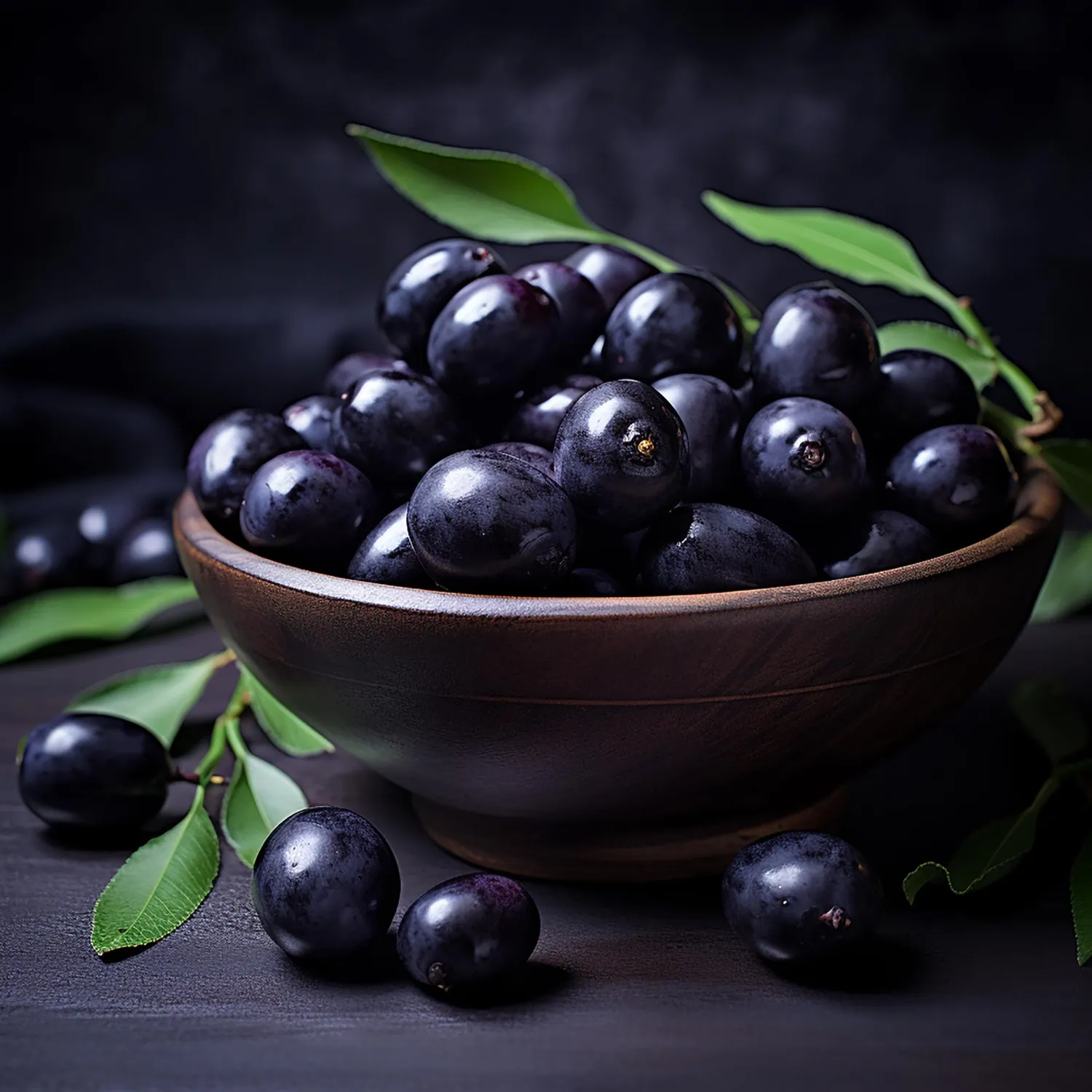
Jamun Benefits for Digestion and Gut Health
Discover how jamun supports digestion, relieves bloating, and improves gut health — plus practical tips on how to eat it for the best results.

Does Fiber Help with Weight Loss? Here's the Truth
Can eating more fiber actually help you lose weight? Discover how dietary fiber works, which foods to eat, and practical tips for Indian diets.
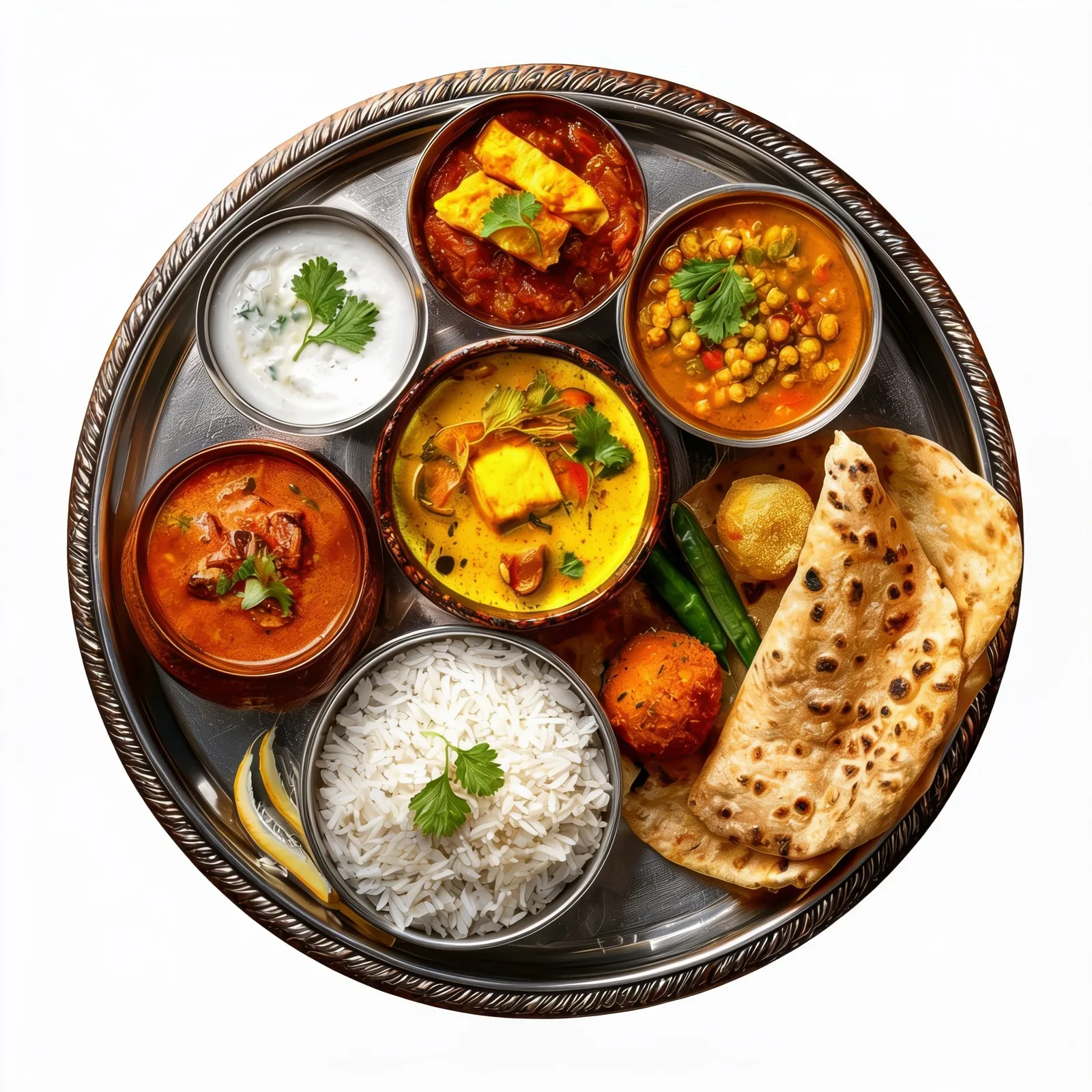
Best Indian Foods for a Healthy Gut
Bloating, sluggish digestion, or an upset stomach? These best Indian foods for a healthy gut can help you eat your way to better digestive health.

Papaya for Digestion: Benefits and How to Eat It
Papaya is one of the best fruits for gut health. Learn how it aids digestion, eases bloating, and the best ways to eat it daily for real results.
How to Eat Soaked Almonds Daily for Best Results
Soaked almonds pack more nutrition than raw ones. Here's exactly how to eat them daily — the right time, quantity, and simple habits that actually work.
How to Feed Goats During Monsoon Season
Monsoon changes everything for goat farmers. Learn exactly what to feed your goats during the rainy season to keep them healthy, productive, and disease-free.
Frequently Asked Questions
⚕️ Medical Disclaimer
This article is for informational and educational purposes only and is not a substitute for professional medical advice, diagnosis, or treatment. Always consult a qualified healthcare provider with any questions about a medical condition. Read full disclaimer.
Editorial note: This article was researched and written with the assistance of AI tools and reviewed by the Nutrikoo editorial team for accuracy and clarity. It is for general information only and is not medical advice. See our editorial policy.
Get healthy tips in your inbox
Join the Nutrikoo newsletter for science-backed nutrition, recipes and wellness — no spam, unsubscribe anytime.