
Pumpkin Seeds Benefits for Men: What They Do

By A Reza, Health & Nutrition Writer
10 June 2026 · 7 min read · 1 views
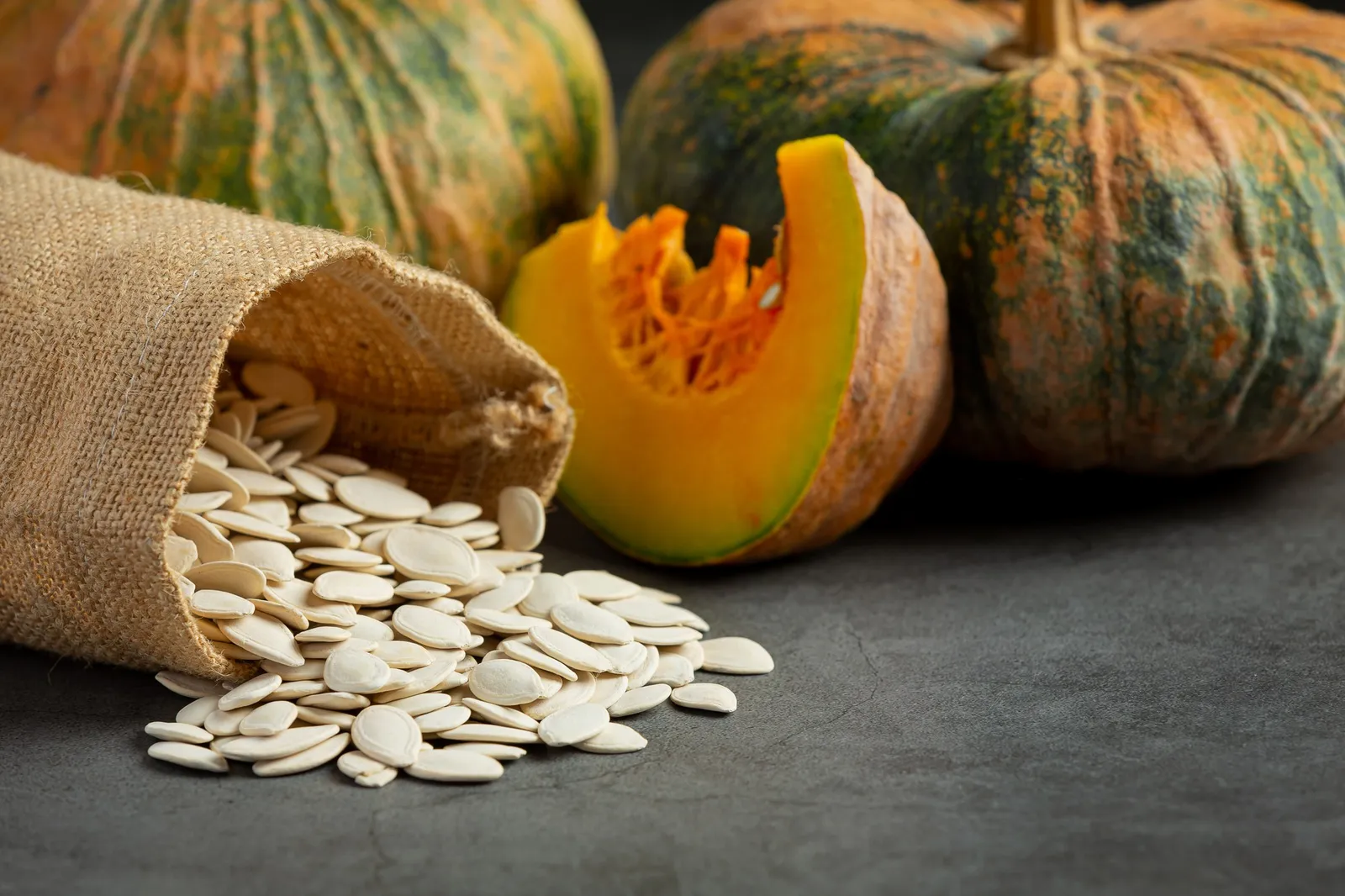
Pumpkin seeds pack zinc, magnesium, and healthy fats that directly support men's health. Here's what the science actually says about eating them daily.
Pumpkin Seeds Benefits for Men: What They Do
A small handful of seeds sits in the corner of your kitchen, probably bought on a whim or sprinkled on a salad once and forgotten. Yet pumpkin seeds (Cucurbita pepo) — called kaddu ke beej in Hindi — are one of those rare foods where the nutrition genuinely lines up with the health claims, especially for men.
They're not magic. But they're quietly impressive. Let's go through the questions men most often ask about them.
What Makes Pumpkin Seeds Especially Good for Men?
The short answer: their specific nutrient profile happens to address several areas where men's health is commonly under pressure.
A 30-gram serving (roughly a small fistful) delivers around 8–9 grams of protein, 150 calories, and meaningful amounts of zinc, magnesium, iron, phosphorus, and healthy unsaturated fats. That's a lot of useful nutrition in something you can eat while standing over the kitchen counter.
The two nutrients that really stand out for men are zinc and magnesium — both of which are chronically low in many Indian diets, and both of which matter quite a bit for testosterone levels, sleep, and overall energy. If you're already curious about how much protein your body needs from whole foods daily, this guide on protein requirements for Indians puts things in useful perspective.
Do Pumpkin Seeds Actually Support Testosterone?
This is probably the most searched question, and the honest answer is: indirectly, yes.
Pumpkin seeds don't contain testosterone. But zinc is essential for the body to produce it. Men lose zinc through sweat, and consistently low zinc is associated with lower testosterone levels. Pumpkin seeds are one of the best plant-based sources of zinc around — roughly 2–3 mg per 30g serving, which is about 20–25% of the daily requirement.
Magnesium plays a supporting role too. Research suggests men with higher magnesium intake tend to have healthier testosterone levels, particularly men who exercise regularly. Pumpkin seeds give you both in one go.
This isn't a testosterone booster in the supplement sense. Think of it more like removing a nutritional roadblock.
Are Pumpkin Seeds Good for Prostate Health?
Yes, and this is one of the more evidence-backed benefits. Benign prostatic hyperplasia (BPH) — the non-cancerous enlargement of the prostate that affects many men over 50 — is an area where pumpkin seed oil has shown genuine promise in clinical studies.
The mechanism isn't fully settled, but pumpkin seeds contain phytosterols and compounds that may inhibit DHT (dihydrotestosterone), a hormone involved in prostate tissue growth. Some small trials have found that pumpkin seed oil improves urinary symptoms in men with mild-to-moderate BPH over time.
For younger men, this probably isn't an immediate concern — but it's a solid reason for men over 40 to take pumpkin seeds seriously as a regular habit rather than an occasional snack.
Can They Help with Hair Loss?
Possibly. The DHT-blocking angle comes up here too. Male pattern baldness is strongly driven by DHT, and some researchers have looked at whether pumpkin seed oil can slow hair loss through this mechanism.
One randomised controlled trial found that men taking pumpkin seed oil supplements over 24 weeks had significantly more hair growth than those on a placebo. The sample size was small, so don't read too much into it — but it's not nothing either.
Zinc deficiency, separately, is linked to hair thinning and loss. If your intake is consistently low, addressing that through foods like pumpkin seeds is a reasonable starting point before considering supplements.
What Do Pumpkin Seeds Do for Heart Health?
Pumpkin seeds are high in magnesium, which supports healthy blood pressure. They also contain unsaturated fatty acids — the same type found in nuts — which are associated with better cholesterol profiles. The phytosterols in pumpkin seeds may help reduce LDL (the "bad" cholesterol) modestly over time.
If heart health through diet is something you're actively thinking about, it's worth reading about the best nuts for heart health to see where pumpkin seeds fit within the broader picture of heart-friendly snacking.
Do Pumpkin Seeds Help with Sleep and Stress?
Surprisingly well, actually. Pumpkin seeds contain tryptophan, an amino acid your body uses to make serotonin and eventually melatonin — your sleep hormone. They're also one of the better food sources of magnesium, which has a well-established calming effect on the nervous system.
Many men report that eating a small portion of pumpkin seeds in the evening, especially paired with a carbohydrate (a few crackers, a slice of bread), helps with falling asleep. The carbs help tryptophan cross the blood-brain barrier more efficiently. It's a simple, practical trick.
Chronic stress depletes magnesium, and magnesium deficiency makes stress feel worse — a cycle that pumpkin seeds can gently help interrupt.
Are They Good for Fertility and Sperm Health?
There's reasonable evidence here. Zinc is essential for sperm production and motility. Antioxidants in pumpkin seeds — including vitamin E and carotenoids — help protect sperm from oxidative damage, which is one of the main factors in male infertility.
Pumpkin seeds also contain omega-3 fatty acids, which support healthy sperm membrane structure. None of this is a fertility treatment, but as part of a varied, nutrient-dense diet, they're genuinely worth including.
Other seeds like chia also bring omega-3s and antioxidants to the table — chia seeds' real health benefits are worth looking at if you want to compare notes on seeds in general.
How Many Should You Eat, and When?
You don't need huge quantities. Around 30 grams a day — roughly 2 tablespoons — is a sensible, practical amount that gives you the nutritional benefits without loading up on calories unnecessarily.
A few easy ways to eat them:
- Toss them raw or lightly roasted into a bowl of curd or oats in the morning
- Add to a salad or raita for crunch
- Eat a small handful as an evening snack, especially if you want the sleep-supporting effect
- Blend into a chutney with coriander and green chilli — works well with dal or rice
Raw and lightly roasted are both fine. Heavy roasting with excess salt or oil reduces the nutritional benefit, so keep it simple if you're buying packaged versions. And if you want to compare how seeds fit into snacking habits for weight goals, the evidence on chia seeds for weight loss is a useful read alongside this.
Any Downsides to Watch Out For?
Pumpkin seeds are calorie-dense — eating large handfuls throughout the day adds up quickly. They're also high in fibre, which is good in moderate amounts but can cause bloating if you suddenly increase your intake.
Men with seed allergies (rare but real) should be cautious. And if you're managing kidney disease, the phosphorus content is worth discussing with a doctor.
For most healthy men, though, there's no real catch. They're one of the more straightforward additions to a better diet.
Latest Articles
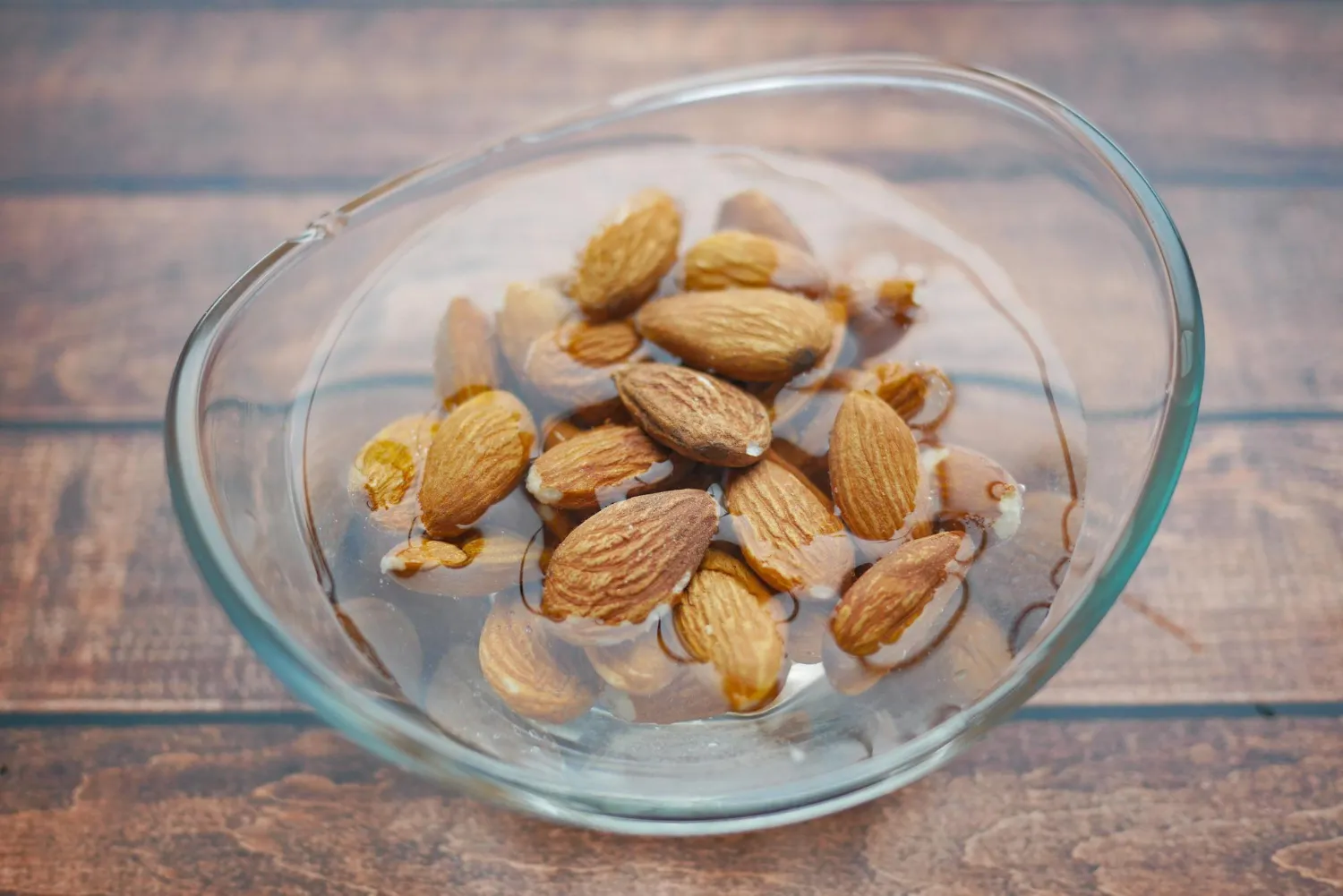
How to Eat Soaked Almonds Daily for Best Results
Soaked almonds pack more nutrition than raw ones. Here's exactly how to eat them daily — the right time, quantity, and simple habits that actually work.
How to Feed Goats During Monsoon Season
Monsoon changes everything for goat farmers. Learn exactly what to feed your goats during the rainy season to keep them healthy, productive, and disease-free.

Best Feed for Goats in Summer Heat
Struggling to keep your goats healthy in hot weather? Discover the best summer feed for goats to maintain weight, milk, and energy when temperatures soar.
Goat Milk for Lactose Intolerance: Does It Help?
Think goat milk is lactose-free? It's not — but it may still be easier to digest. Here's what the science actually says about goat milk and lactose intolerance.
Is Goat Meat Good for Weight Loss?
Wondering if goat meat fits into a weight loss diet? Here's what its nutrition profile really means for your goals — no fluff, just facts.
Goat Milk vs Cow Milk: Which Is Better for You?
Goat milk vs cow milk — which should you choose? Compare nutrition, digestion, taste, and health benefits to find the best fit for your diet.
Frequently Asked Questions
⚕️ Medical Disclaimer
This article is for informational and educational purposes only and is not a substitute for professional medical advice, diagnosis, or treatment. Always consult a qualified healthcare provider with any questions about a medical condition. Read full disclaimer.
Get healthy tips in your inbox
Join the Nutrikoo newsletter for science-backed nutrition, recipes and wellness — no spam, unsubscribe anytime.