
Chia Seeds for Weight Loss: Does It Actually Work?

By A Reza, Health & Nutrition Writer
9 June 2026 · 7 min read · 73 views
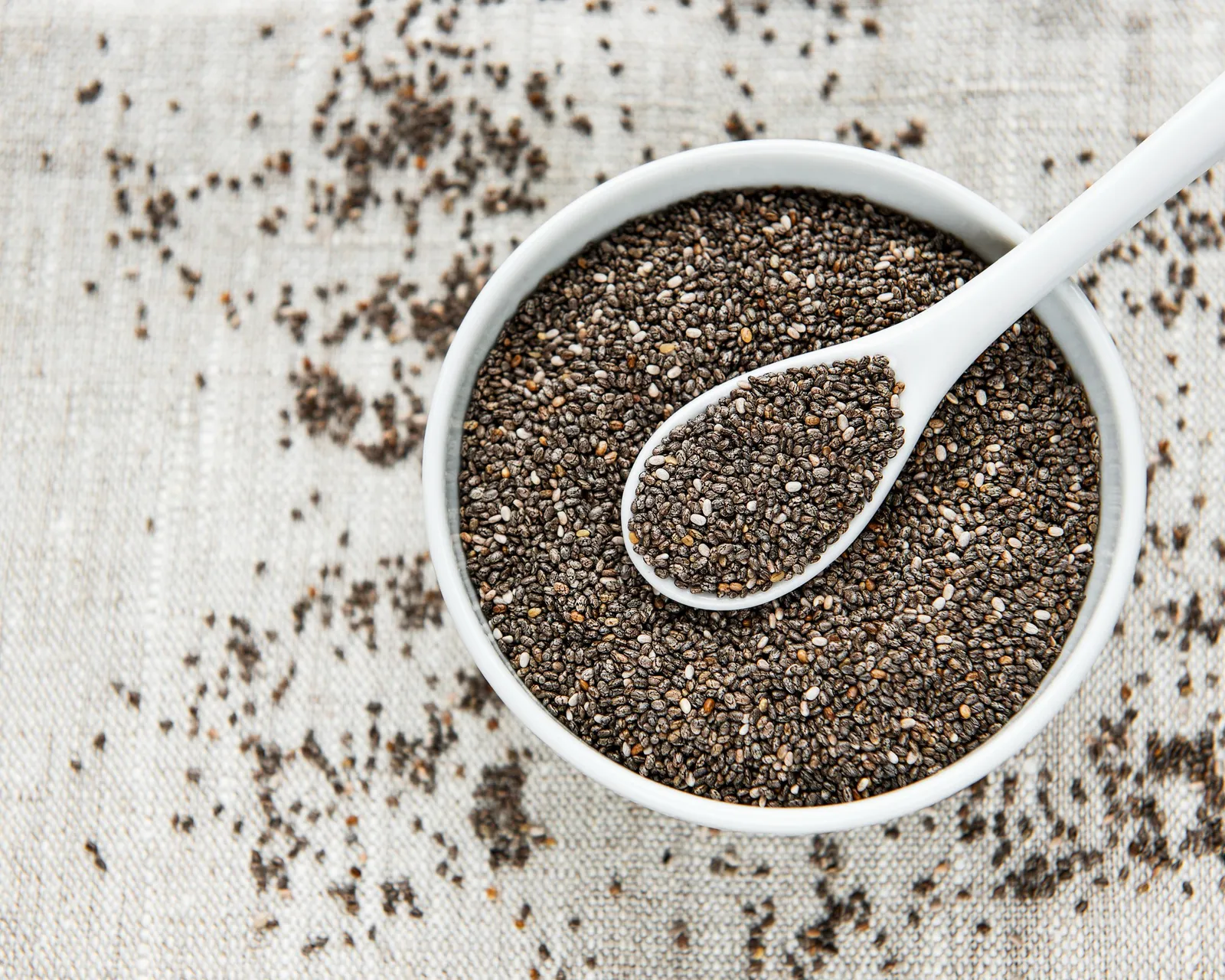
Can chia seeds really help you lose weight? Here's what the science says, how much to eat, and the smartest ways to add them to your daily diet.
Chia Seeds for Weight Loss: Does It Actually Work?
Picture this: you've just stirred a spoonful of tiny black seeds into your morning lemon water because someone on Instagram swore it melted their belly fat. You drink it, feel vaguely virtuous, and then wonder — is any of this real? If that sounds familiar, you're not alone. Chia seeds have become the poster child of "healthy weight loss" almost overnight. But the actual story is more interesting, and more useful, than the hype.
What Makes Chia Seeds Special in the First Place?
Chia (Salvia hispanica) is a small seed originally from Mexico and Guatemala. Don't let the size fool you. Just two tablespoons (about 28 grams) pack roughly 10 grams of fiber, 5 grams of protein, and a decent dose of omega-3 fatty acids — all in under 140 calories.
That's a pretty solid nutritional punch. And each of those nutrients has a direct or indirect role to play when you're trying to manage your weight. For a deeper look at the full nutritional profile, check out our article on chia seeds' real health benefits worth knowing.
The Fiber Factor: Why It Matters for Weight Loss
The single biggest reason chia seeds can support weight loss is their fiber content. Nearly all of that fiber is soluble fiber, which absorbs water and swells into a thick gel in your stomach. Think of it like a slow-expanding sponge.
This gel does two things that are genuinely helpful:
- It slows digestion, which means your blood sugar rises more gradually after a meal — no sharp spike, no sharp crash, no "I'm starving again by 11 AM" feeling.
- It increases satiety, the sensation of being full. When your stomach feels occupied, you're less likely to reach for a second portion or a mid-afternoon snack you didn't really need.
Research consistently shows that higher fiber intake is associated with lower body weight over time. Chia seeds won't single-handedly cause fat loss, but they can genuinely make eating less feel less miserable — and that matters a lot in the long run.
Protein's Quiet Role
Five grams of protein per serving isn't enormous, but it adds up. Protein is the most satiating macronutrient, and most Indians don't get quite enough of it across the day. If you're curious about where you stand, our piece on how much protein Indians actually need per day is worth a read.
Combining chia seeds with other protein sources — yogurt, dal, eggs, or a protein smoothie — amplifies the satiety effect considerably. The seeds themselves are just one piece of the puzzle.
Do Chia Seeds "Burn Fat"? Let's Be Honest Here
No. Chia seeds do not burn fat. There's no food that does, really. What they can do is help you eat fewer calories without feeling deprived, which is the actual mechanism behind almost every successful weight loss approach.

The omega-3 fatty acids in chia seeds (mostly ALA, or alpha-linolenic acid) are anti-inflammatory and good for overall health, but they haven't been shown to directly cause fat loss in humans at the doses we'd realistically consume from food.
The honest framing: chia seeds are a high-quality food that supports the conditions in which weight loss can happen — better satiety, steadier blood sugar, less mindless snacking. They're a tool, not a treatment.
How Much Should You Eat Per Day?
Most nutrition experts suggest 1 to 2 tablespoons of chia seeds daily as a reasonable amount. That's enough to get meaningful fiber without overwhelming your digestive system — especially if you're not used to eating a lot of fiber.
Start with one tablespoon and work up. Jumping to large amounts quickly can cause bloating or gas. Always drink plenty of water alongside them; the seeds absorb a lot of it, and without adequate hydration, that can actually cause discomfort.
Practical Ways to Add Chia Seeds to Your Diet
The good news is that chia seeds taste like almost nothing. They take on the flavor of whatever they're mixed into, which makes them remarkably easy to work with.
A few everyday ideas:
- Chia water or nimbu pani: Stir a tablespoon into a glass of water or lemon water, wait 10 minutes, and drink. Simple and genuinely effective as a pre-meal appetite-dampener.
- Overnight chia pudding: Mix 3 tablespoons of chia with a cup of milk (dairy or plant-based), add a little jaggery or honey, refrigerate overnight. By morning you have a thick pudding. Top it with fruit or a drizzle of nut butter.
- Smoothie add-in: Blend directly into any smoothie without changing the taste significantly.
- Mixed into yogurt or curd: Stir into dahi, let it sit for 5-10 minutes, add a pinch of jeera powder — a quick and filling snack.
- In upma, oats, or ragi porridge: A tablespoon stirred in while cooking adds fiber without changing the dish.
If you're already doing some meal planning, you can easily build chia seeds into a broader strategy. Our guide on meal prepping a week of healthy Indian lunches in 2 hours has practical ideas for making healthy eating less of a daily decision.
Chia Seeds vs. Sabja Seeds: Clearing Up the Confusion
A lot of Indian readers wonder if chia seeds and sabja seeds (basil seeds, Ocimum basilicum) are the same thing. They're not. They look similar when soaked, but they're entirely different plants. Both are high in fiber and have a place in a healthy diet, but the nutritional profiles differ slightly. Sabja seeds are common in falooda and are well-known in Ayurvedic tradition. Chia seeds are the ones with the stronger research base for satiety and weight management.
What Else Affects Whether Chia Seeds "Work" for You?
Here's the thing: if the rest of your diet is high in hidden sugars from packaged foods or ultra-processed snacks, two tablespoons of chia seeds won't move the needle much. The seeds work best as part of a genuinely balanced eating pattern — more whole foods, adequate protein, controlled portions, and consistent meals.
Stress eating, poor sleep, and a sedentary lifestyle are also major drivers of weight gain that no seed can fix. Chia seeds are a smart addition, not a shortcut.
Latest Articles
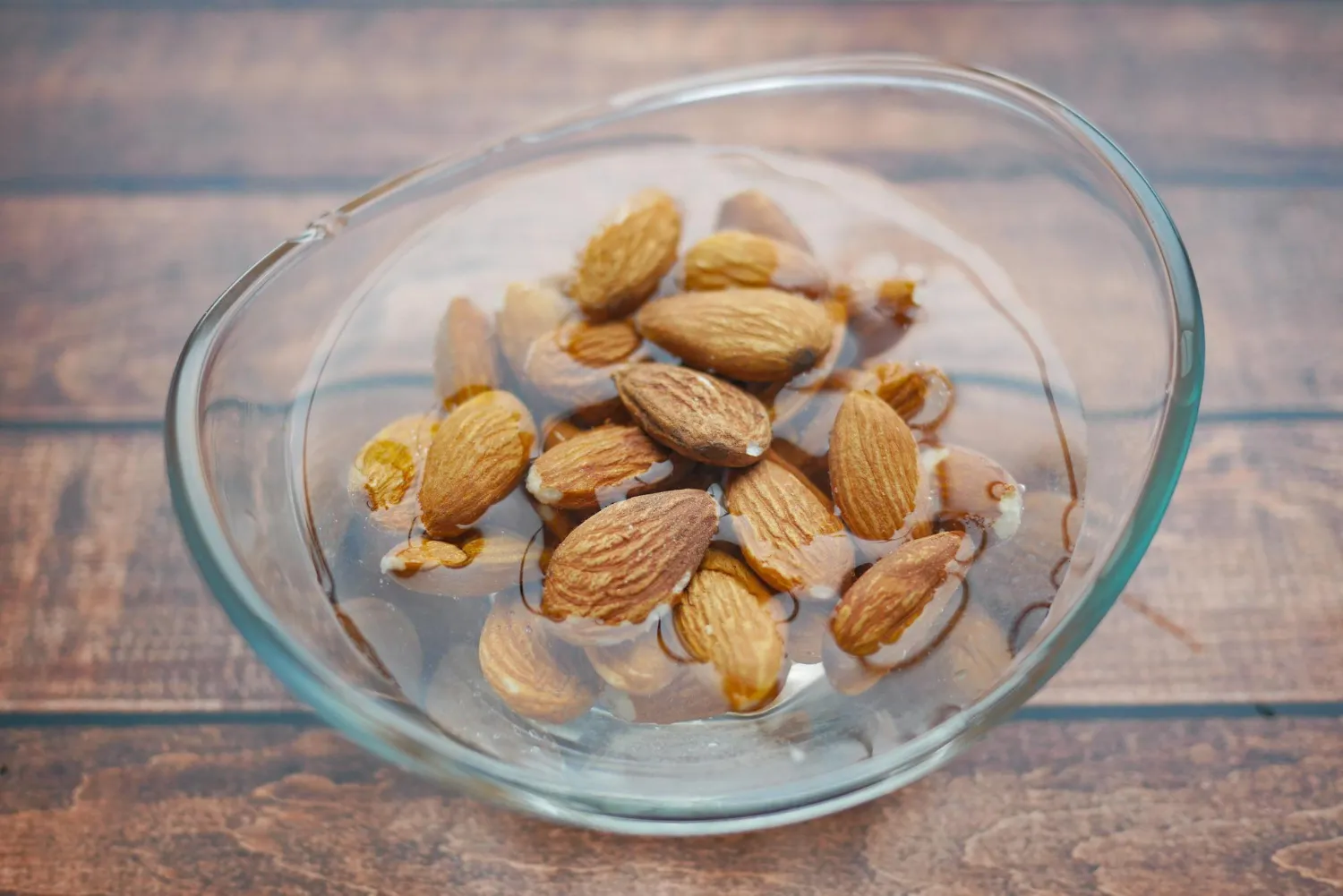
How to Eat Soaked Almonds Daily for Best Results
Soaked almonds pack more nutrition than raw ones. Here's exactly how to eat them daily — the right time, quantity, and simple habits that actually work.

How to Feed Goats During Monsoon Season
Monsoon changes everything for goat farmers. Learn exactly what to feed your goats during the rainy season to keep them healthy, productive, and disease-free.

Best Feed for Goats in Summer Heat
Struggling to keep your goats healthy in hot weather? Discover the best summer feed for goats to maintain weight, milk, and energy when temperatures soar.

Goat Milk for Lactose Intolerance: Does It Help?
Think goat milk is lactose-free? It's not — but it may still be easier to digest. Here's what the science actually says about goat milk and lactose intolerance.
Is Goat Meat Good for Weight Loss?
Wondering if goat meat fits into a weight loss diet? Here's what its nutrition profile really means for your goals — no fluff, just facts.
Goat Milk vs Cow Milk: Which Is Better for You?
Goat milk vs cow milk — which should you choose? Compare nutrition, digestion, taste, and health benefits to find the best fit for your diet.
Frequently Asked Questions
⚕️ Medical Disclaimer
This article is for informational and educational purposes only and is not a substitute for professional medical advice, diagnosis, or treatment. Always consult a qualified healthcare provider with any questions about a medical condition. Read full disclaimer.
Get healthy tips in your inbox
Join the Nutrikoo newsletter for science-backed nutrition, recipes and wellness — no spam, unsubscribe anytime.