

Best Indian Foods for a Healthy Gut

By A Reza, Health & Nutrition Writer
5 July 2026 · 7 min read · 8 views
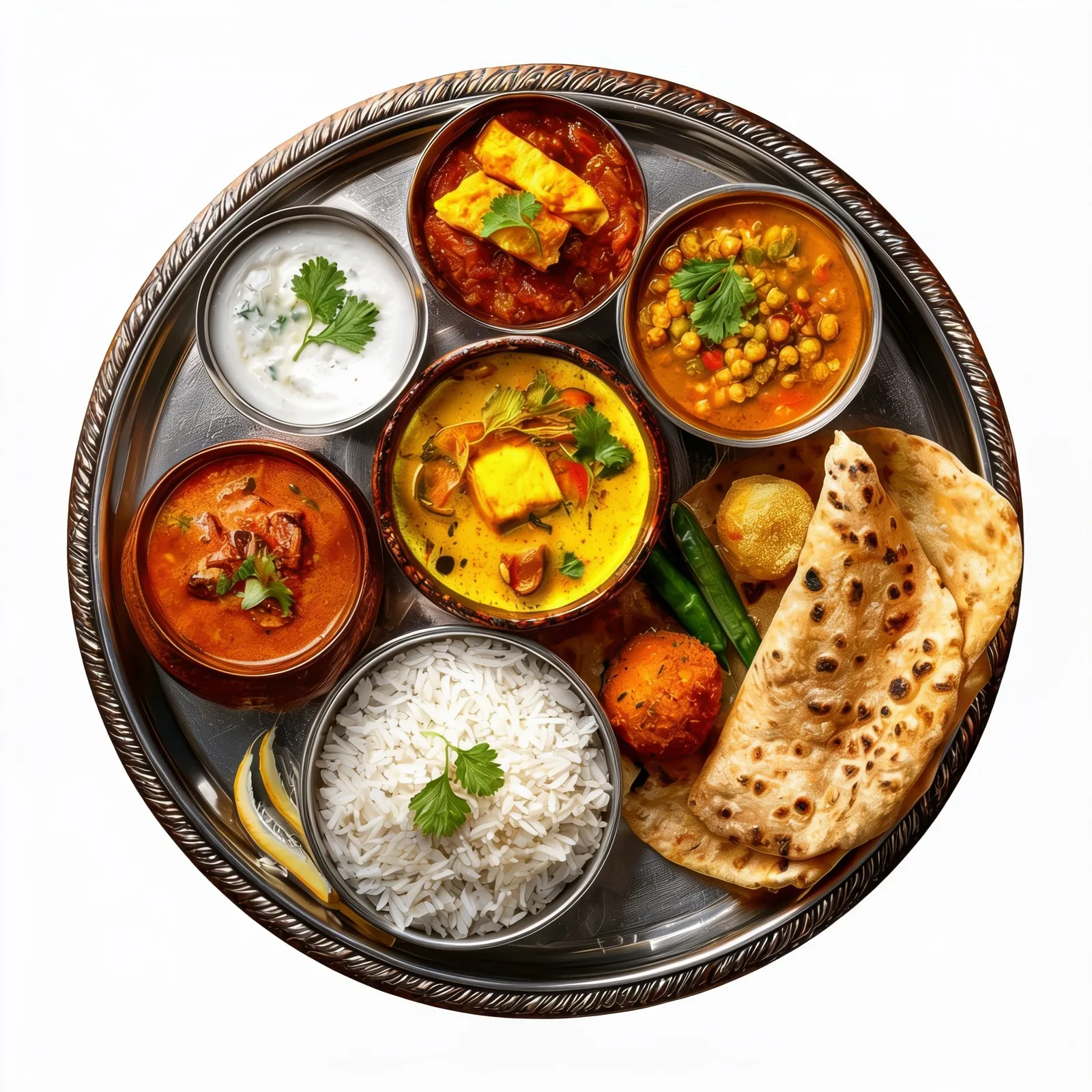
Bloating, sluggish digestion, or an upset stomach? These best Indian foods for a healthy gut can help you eat your way to better digestive health.
Best Indian Foods for a Healthy Gut
You know the feeling. You finish a meal and instead of feeling satisfied, you feel like a balloon. Bloating, heaviness, irregular digestion — these complaints come up constantly, whether you're chatting with a colleague at lunch or googling symptoms at midnight. The good news? Your kitchen probably already has most of what your gut needs.
Indian cuisine, when eaten thoughtfully, is actually one of the most gut-friendly food cultures in the world. The traditional Indian plate is built around fiber, fermented foods, and digestive spices — all things that modern gut science now enthusiastically backs. Let's walk through what to eat, and why it genuinely helps.
Why Your Gut Needs More Attention
Your gut does a lot more than digest food. It houses trillions of bacteria, fungi, and other microbes — collectively called the gut microbiome — that influence everything from your immunity to your mood. When this ecosystem is out of balance, digestion suffers first: you might notice bloating, constipation, acidity, or irregular bowel movements.
The two main things your gut microbiome thrives on are fiber (especially from whole foods) and fermented foods that introduce or support beneficial bacteria. Fortunately, a traditional Indian diet delivers both — if you know which foods to lean into.
Fermented Foods: Your Gut's Best Friends
Dahi (Curd) and Lassi
Plain dahi — homemade or minimally processed — is one of the richest natural sources of probiotics in the Indian diet. The live Lactobacillus cultures in curd help maintain a healthy bacterial balance in your gut, which can reduce bloating and support regular digestion. A small bowl at lunch or a glass of thin buttermilk (chaas) after a heavy meal is a habit worth keeping.
Lassi, especially the unsweetened or salted variety, works similarly. Just skip the overly sweetened, flavoured versions sold in cartons — they don't carry the same benefits.
Idli, Dosa, and Fermented Batters
The batter for idli and dosa undergoes natural fermentation overnight, which increases the bioavailability of nutrients and introduces beneficial microbes. These are genuinely smart breakfast choices for your gut, not just for taste. Pair them with sambar (a lentil-based soup packed with fiber and spices) and you have a gut-friendly meal from the ground up.
Kanji
This traditional North Indian fermented drink — typically made from black carrots or beetroot — is a brilliant probiotic food that doesn't get nearly enough credit. It's tangy, earthy, and genuinely good for gut flora. If you can find black carrots in winter, making kanji at home is surprisingly simple.
High-Fiber Foods That Keep Things Moving
Dal and Legumes
Moong dal, masoor dal, chana dal — these are everyday foods in Indian households and they're loaded with both soluble and insoluble fiber. Soluble fiber feeds beneficial gut bacteria (acting as a prebiotic), while insoluble fiber adds bulk and keeps your bowels regular. A bowl of dal a day is one of the simplest things you can do for your digestive health.
If you find lentils cause gas initially, try soaking them for a few hours before cooking and always add a pinch of hing (asafoetida) while tempering. It makes a real difference.
For a broader look at fiber-rich options in the Indian diet, the guide on high fiber foods for better digestion in India is well worth reading.
Vegetables Rich in Prebiotic Fiber
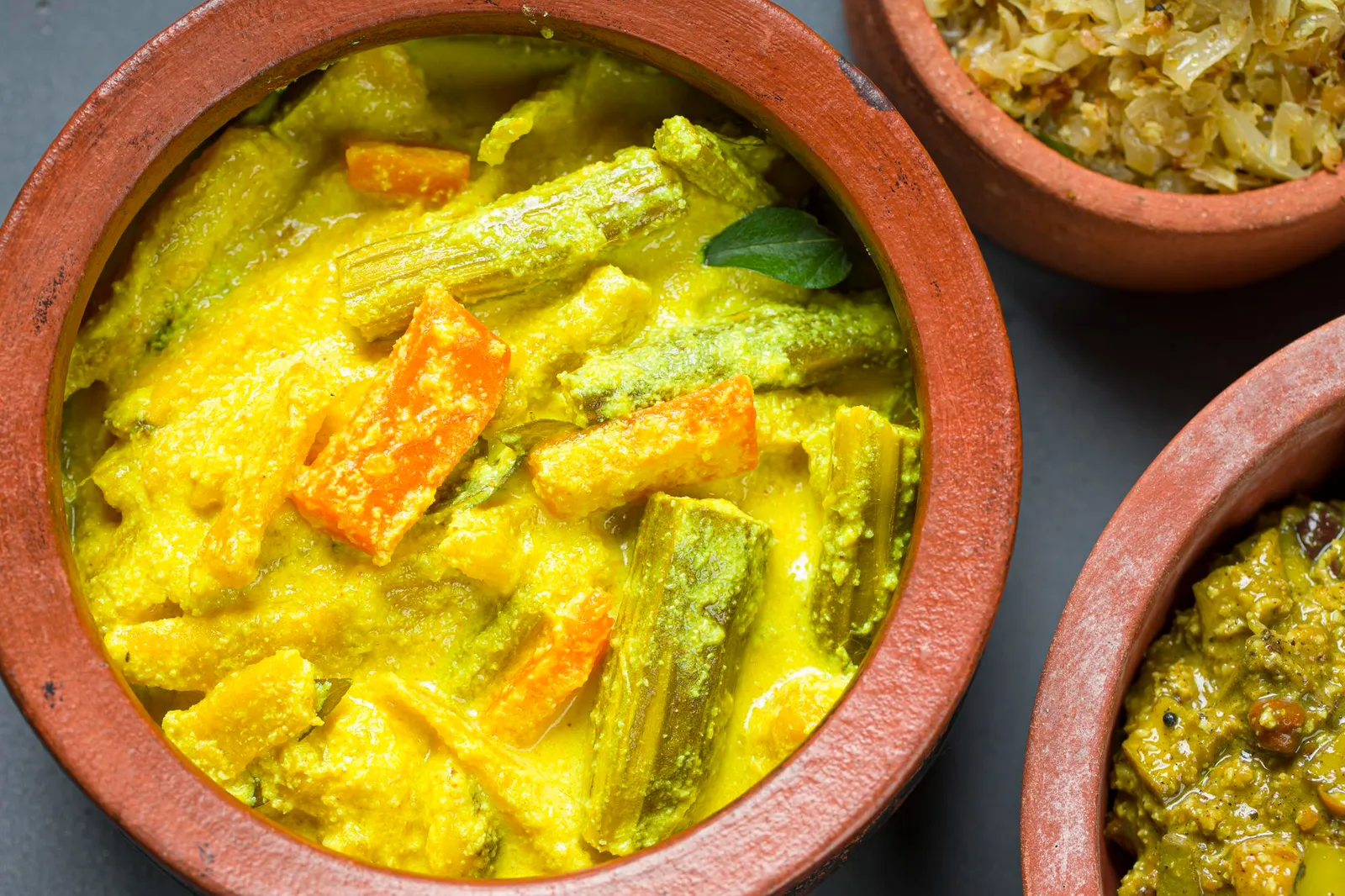

Certain vegetables are particularly valuable because they contain prebiotic fiber — the kind that selectively feeds good bacteria. In the Indian context, some excellent choices include:
- Lauki (bottle gourd): Gentle on the stomach, high in water and fiber. Great for days when digestion feels sluggish. It's also connected to weight management.
- Ridge gourd (turai): Mildly flavored and easy to digest. Its fiber content makes it a go-to for those prone to constipation. There's a good reason it's often called the best sabzi for digestion.
- Tinda (Indian round gourd): Low in calories and gentle on the gut — worth adding to your weekly rotation.
- Moringa (drumstick leaves): Rich in fiber and micronutrients. Moringa sabzi is especially popular in South Indian cooking and deserves wider attention.
Papaya
Carica papaya contains papain, a natural enzyme that helps break down proteins and eases digestion. Eating ripe papaya on an empty stomach in the morning is a genuinely old and effective home remedy for constipation and bloating. The article on papaya for digestion covers this in detail if you want to go deeper.
Spices That Actually Help Your Gut
Indian cooking uses a remarkable number of spices that have real digestive benefits — not just folk-remedy status, but documented pharmacological activity.
Jeera (Cumin)
Cuminum cyminum has been used for centuries to relieve bloating and stimulate digestive enzymes. Jeera water (soak a teaspoon overnight, strain and drink in the morning) is a popular and genuinely useful remedy for people who wake up with a heavy stomach.
Hing (Asafoetida)
A small pinch of hing in your tadka does more than add flavor. It has antispasmodic properties that help relieve gas and bloating — which is exactly why it's added to legume-heavy dishes. If you're sensitive to lentils or beans, don't skip the hing.
Turmeric
Curcuma longa has well-studied anti-inflammatory properties, and chronic gut inflammation is at the root of many digestive issues. Adding turmeric to dals, curries, and warm milk supports gut lining health over time. Just don't expect miracles overnight — it works slowly and consistently.
Ajwain (Carom Seeds)
Trachyspermum ammi is especially helpful for acidity and indigestion. Chewing half a teaspoon of ajwain with a pinch of black salt after a heavy meal is an old North Indian household trick that genuinely works for many people.
Amla: A Small Fruit With Big Gut Benefits
Indian gooseberry (Phyllanthus emblica), or amla, is exceptionally rich in vitamin C and polyphenols. It acts as a gentle digestive tonic — supporting gut motility, reducing acidity, and nourishing the gut lining. Eating one fresh amla in the morning, or a small teaspoon of amla powder in warm water, is a habit that adds up over weeks.
A Note on Whole Grains
Switching from refined white rice and maida-based breads to whole grains makes a meaningful difference to your gut microbiome. Brown rice, whole wheat roti, jowar, bajra, and ragi all deliver significantly more fiber than their refined counterparts. You don't have to overhaul everything at once — even replacing one meal a day with a whole grain option is a step in the right direction.
Latest Articles
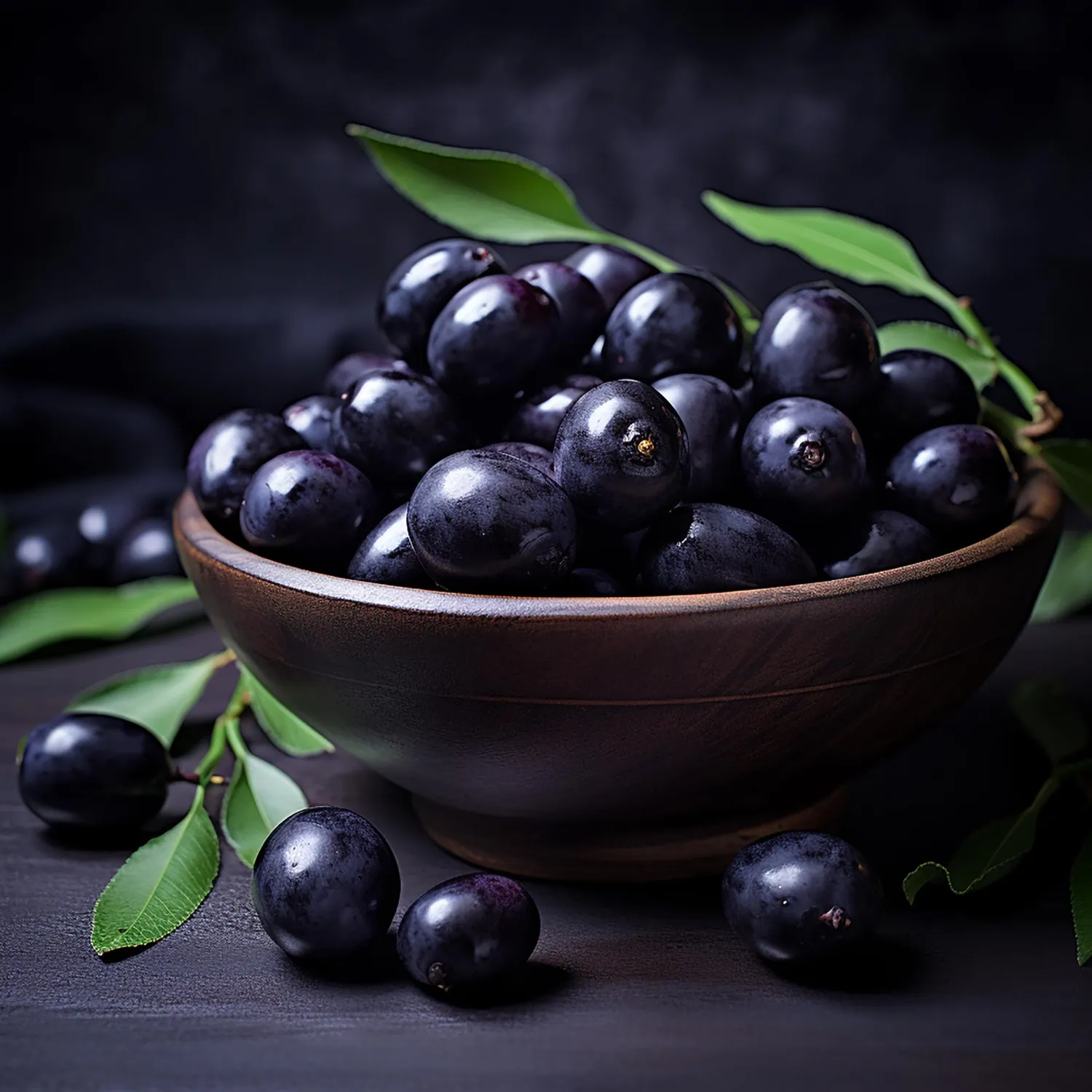
Jamun Benefits for Digestion and Gut Health
Discover how jamun supports digestion, relieves bloating, and improves gut health — plus practical tips on how to eat it for the best results.

Does Fiber Help with Weight Loss? Here's the Truth
Can eating more fiber actually help you lose weight? Discover how dietary fiber works, which foods to eat, and practical tips for Indian diets.

Papaya for Digestion: Benefits and How to Eat It
Papaya is one of the best fruits for gut health. Learn how it aids digestion, eases bloating, and the best ways to eat it daily for real results.
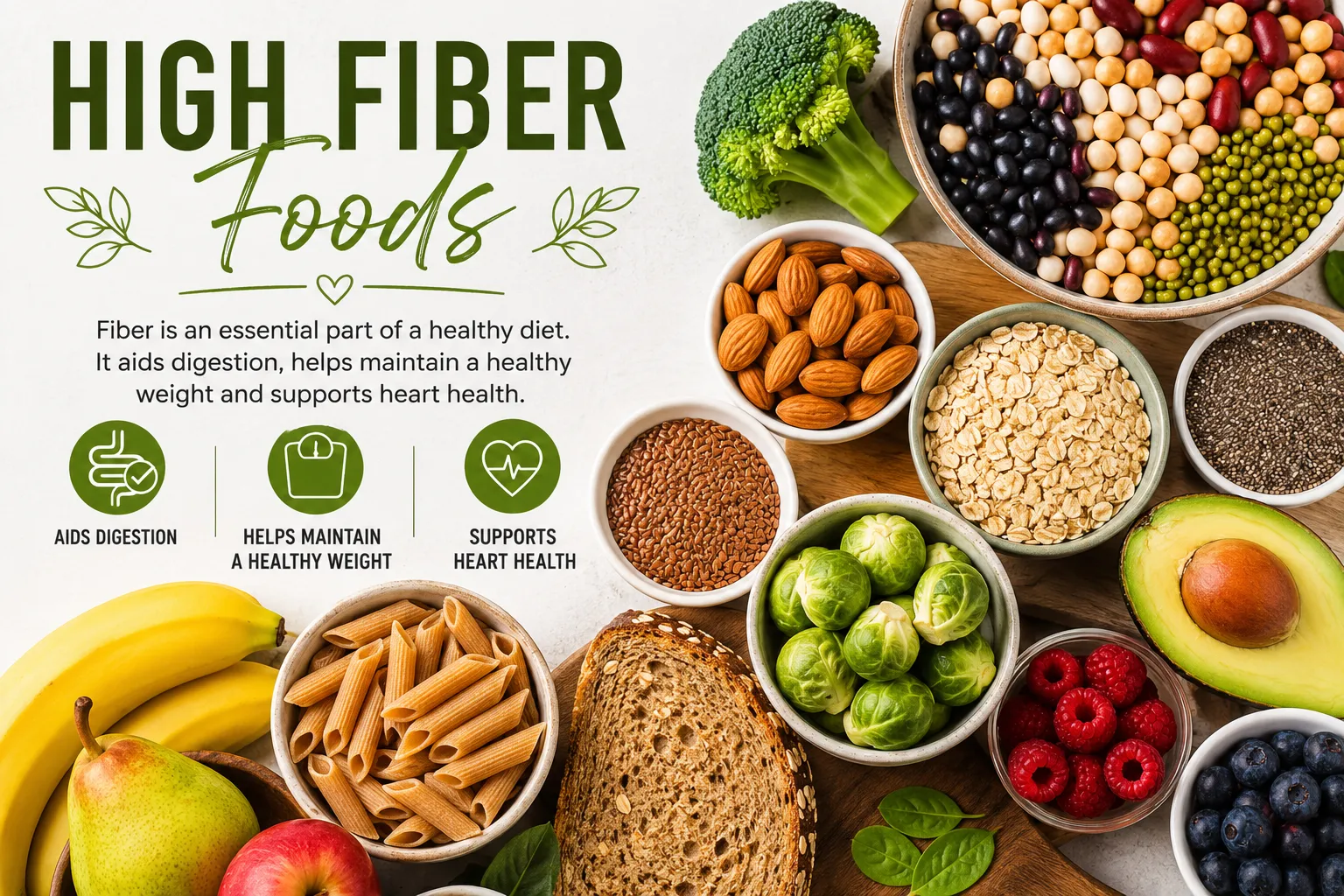
High Fiber Foods for Better Digestion in India
Discover the best high fiber foods for better digestion in India — from dal to drumstick — and why most Indians aren't eating nearly enough fiber.
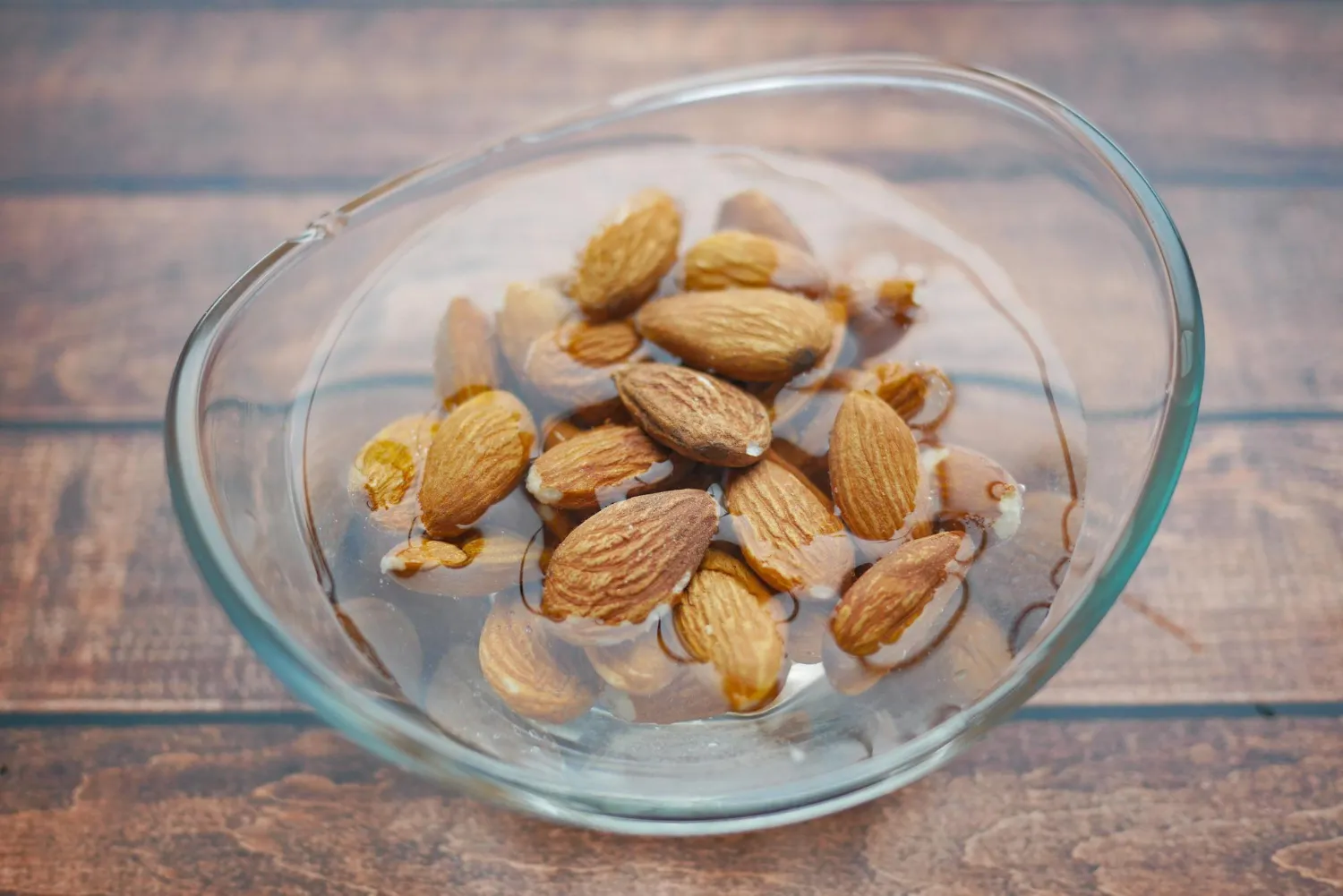
How to Eat Soaked Almonds Daily for Best Results
Soaked almonds pack more nutrition than raw ones. Here's exactly how to eat them daily — the right time, quantity, and simple habits that actually work.

How to Feed Goats During Monsoon Season
Monsoon changes everything for goat farmers. Learn exactly what to feed your goats during the rainy season to keep them healthy, productive, and disease-free.
Frequently Asked Questions
⚕️ Medical Disclaimer
This article is for informational and educational purposes only and is not a substitute for professional medical advice, diagnosis, or treatment. Always consult a qualified healthcare provider with any questions about a medical condition. Read full disclaimer.
Editorial note: This article was researched and written with the assistance of AI tools and reviewed by the Nutrikoo editorial team for accuracy and clarity. It is for general information only and is not medical advice. See our editorial policy.
Get healthy tips in your inbox
Join the Nutrikoo newsletter for science-backed nutrition, recipes and wellness — no spam, unsubscribe anytime.