
Best Seeds for Gut Health: What Science Says

By A Reza, Health & Nutrition Writer
10 June 2026 · 7 min read · 1 views
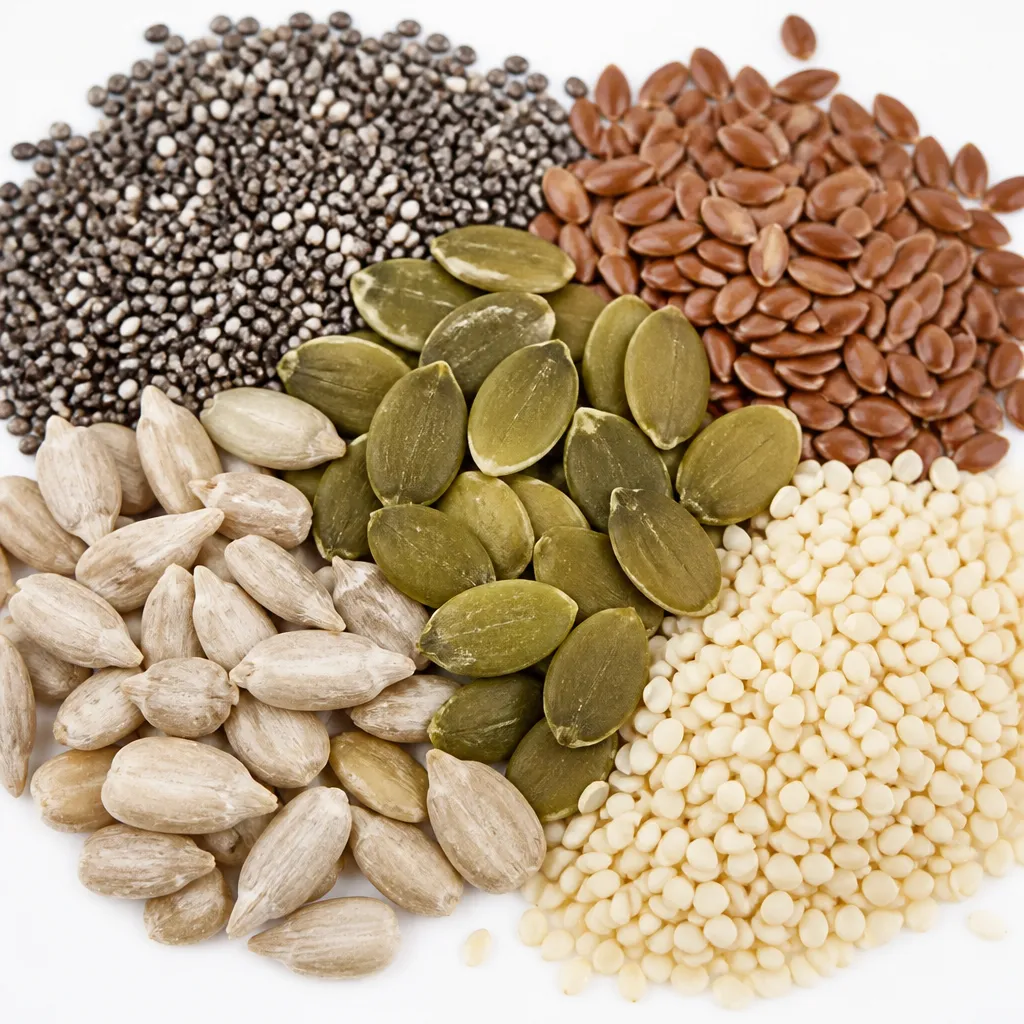
Think seeds are just a snack trend? Science says otherwise. Discover which seeds genuinely support gut health, and which claims are just hype.
Best Seeds for Gut Health: What Science Says vs What You've Heard
Seeds have had quite the glow-up over the last decade. You'll find them sprinkled on smoothie bowls, tucked into health bars, and endorsed by every wellness account on Instagram. But here's an honest question worth asking: is the hype grounded in real science, or is it mostly clever marketing?
The answer is somewhere in the middle — and it's more interesting than either extreme.
Some seeds genuinely do support your gut in meaningful ways. Others carry exaggerated claims. Let's sort through what the research actually shows, which seeds earn their place in your diet, and how to eat them in a way that makes a real difference.
Why Your Gut Cares About Seeds at All
Before getting into specific seeds, it helps to understand why seeds influence gut health in the first place. Most of the credit goes to dietary fiber — both soluble and insoluble — along with certain fats, polyphenols, and short-chain fatty acids that seeds can help produce.
Your gut microbiome, the vast community of bacteria and microorganisms living in your intestines, feeds on fiber. When you eat fiber-rich foods, your gut bacteria ferment them and produce short-chain fatty acids like butyrate, which help maintain the gut lining, reduce inflammation, and support bowel regularity. Seeds are among the most fiber-dense foods you can eat by weight, which is why they keep coming up in gut health conversations.
But fiber alone doesn't tell the whole story. The type of fiber matters too.
Chia Seeds: Strong Evidence, Some Overblown Claims
Chia (Salvia hispanica) is probably the most talked-about gut health seed right now. And the science does back it — partially.
Chia seeds are exceptionally high in soluble fiber, particularly a type that forms a thick gel when mixed with water. This gel slows digestion, softens stool, and feeds beneficial gut bacteria. If you've ever soaked chia seeds and watched them swell, you've seen exactly what they're doing in your digestive tract.
What's sometimes overstated is the idea that chia seeds will dramatically "detox" or "cleanse" your gut. That's not really how digestion works. What chia does is more modest but genuinely useful: it adds bulk, encourages regularity, and contributes to a more diverse microbiome over time with consistent use.
Our deep-dive on chia seeds covers the broader benefits if you want more detail. If you're specifically curious about weight, you might also find this honest breakdown of chia seeds for weight loss useful.
How to use them: Start with one tablespoon soaked in water or added to yogurt. Going too big too fast can cause bloating — especially if your current diet is low in fiber.
Flaxseeds: The Underrated Gut Hero
Flaxseeds (Linum usitatissimum) don't have the same Instagram presence as chia, but the research on them for gut health is arguably stronger.
Flaxseeds contain both soluble fiber (mucilage) and insoluble fiber, making them effective for both softening stool and speeding transit time. They're also one of the richest plant sources of lignans — polyphenols that gut bacteria convert into compounds with anti-inflammatory effects.
The common belief that you need to eat flaxseeds whole is actually incorrect. Whole flaxseeds often pass through your digestive tract without being broken down. Ground flaxseed (also called flaxseed meal) releases nutrients far more effectively. A coffee grinder or a quick blitz in a blender works fine.
One to two tablespoons of ground flaxseed daily, stirred into dal, roti dough, or a morning smoothie, is a practical and evidence-backed habit.

Pumpkin Seeds: More Than Just a Men's Health Food
Pumpkin seeds (Cucurbita pepo) are often associated with prostate health — see our article on pumpkin seeds benefits for men — but their gut benefits are worth discussing separately.
Pumpkin seeds are a decent source of fiber and also contain zinc, which plays a role in maintaining the integrity of the intestinal lining. A compromised gut lining (sometimes called "leaky gut," though this term is used loosely in popular media) is linked to chronic low-grade inflammation, and zinc is one of the nutrients that helps keep those tight junctions in good shape.
They're not the most fiber-dense seed on this list, but the combination of fiber, zinc, and beneficial fats makes them a solid addition to a gut-friendly diet.
Fennel Seeds: The Traditional Indian Remedy With Real Science Behind It
Here's one where traditional wisdom and science actually agree. Fennel (Foeniculum vulgare) seeds have been used in Indian households after meals for centuries — and not without reason.
Fennel contains compounds like anethole that help relax the smooth muscle of the gastrointestinal tract, reducing bloating and gas. This is why a small spoonful of fennel seeds after a heavy meal genuinely helps many people — it's not placebo. Research supports its use for reducing symptoms of bloating and intestinal spasms, and it's even been studied in the context of irritable bowel syndrome (IBS).
You don't need a supplement. A teaspoon of roasted fennel seeds after lunch works just fine.
Sunflower Seeds: Solid But Not a Superstar
Sunflower seeds (Helianthus annuus) often get lumped into gut health lists, and they do contribute fiber. But the evidence for dramatic gut-specific effects is thinner than for chia or flaxseed.
What they do offer is a good dose of vitamin E and magnesium, both of which support broader digestive health. Magnesium, in particular, plays a role in muscle contractions along the digestive tract and is commonly deficient — something worth noting alongside widespread nutrient deficiencies in India.
Sunflower seeds are a good everyday snack, but if your primary goal is gut health, they're supporting cast rather than the lead.
What Science Gets Nuanced About: Seeds Are Not a Solo Fix
Here's the honest part. No single seed will fix poor gut health if the rest of your diet is working against it. A handful of chia seeds alongside ultra-processed food, excess sugar, and low vegetable intake won't move the needle much.
The seeds discussed here work best as part of a genuinely varied, fiber-rich diet — one that includes vegetables, legumes, and fermented foods. If you're thinking about the full dietary picture, you might find it useful to look at how to meal prep healthy Indian lunches in a practical, manageable way.
A Few Simple Ways to Actually Eat More Seeds
- Stir ground flaxseed into your morning curd or oats
- Add chia seeds to your water bottle with a squeeze of lime (a very Indian-friendly habit)
- Toss pumpkin seeds into salads or eat a small handful as an afternoon snack
- Keep roasted fennel seeds in a small bowl near your dining table
- Mix sunflower seeds into homemade chivda or trail mix
Latest Articles
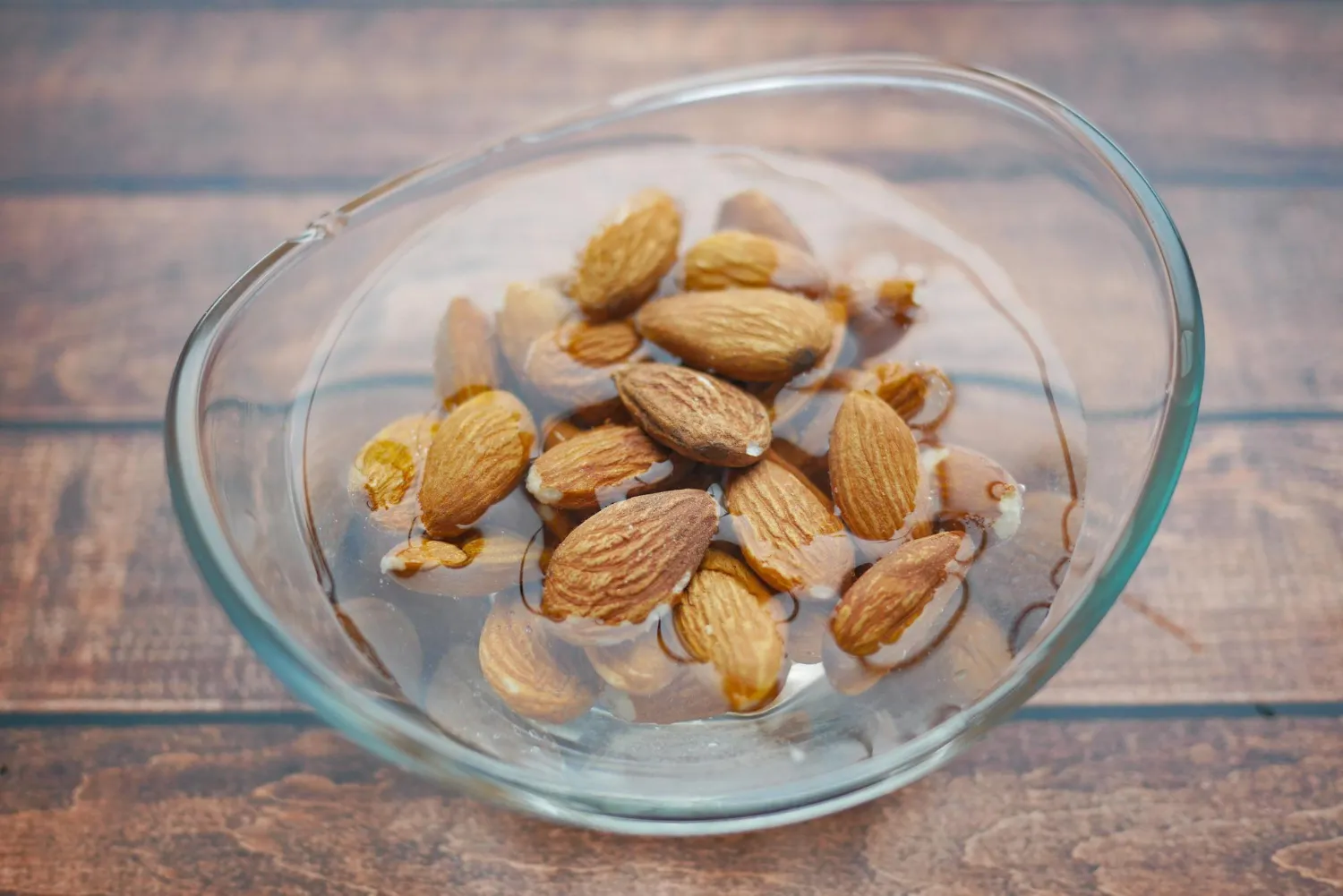
How to Eat Soaked Almonds Daily for Best Results
Soaked almonds pack more nutrition than raw ones. Here's exactly how to eat them daily — the right time, quantity, and simple habits that actually work.

How to Feed Goats During Monsoon Season
Monsoon changes everything for goat farmers. Learn exactly what to feed your goats during the rainy season to keep them healthy, productive, and disease-free.

Best Feed for Goats in Summer Heat
Struggling to keep your goats healthy in hot weather? Discover the best summer feed for goats to maintain weight, milk, and energy when temperatures soar.

Goat Milk for Lactose Intolerance: Does It Help?
Think goat milk is lactose-free? It's not — but it may still be easier to digest. Here's what the science actually says about goat milk and lactose intolerance.
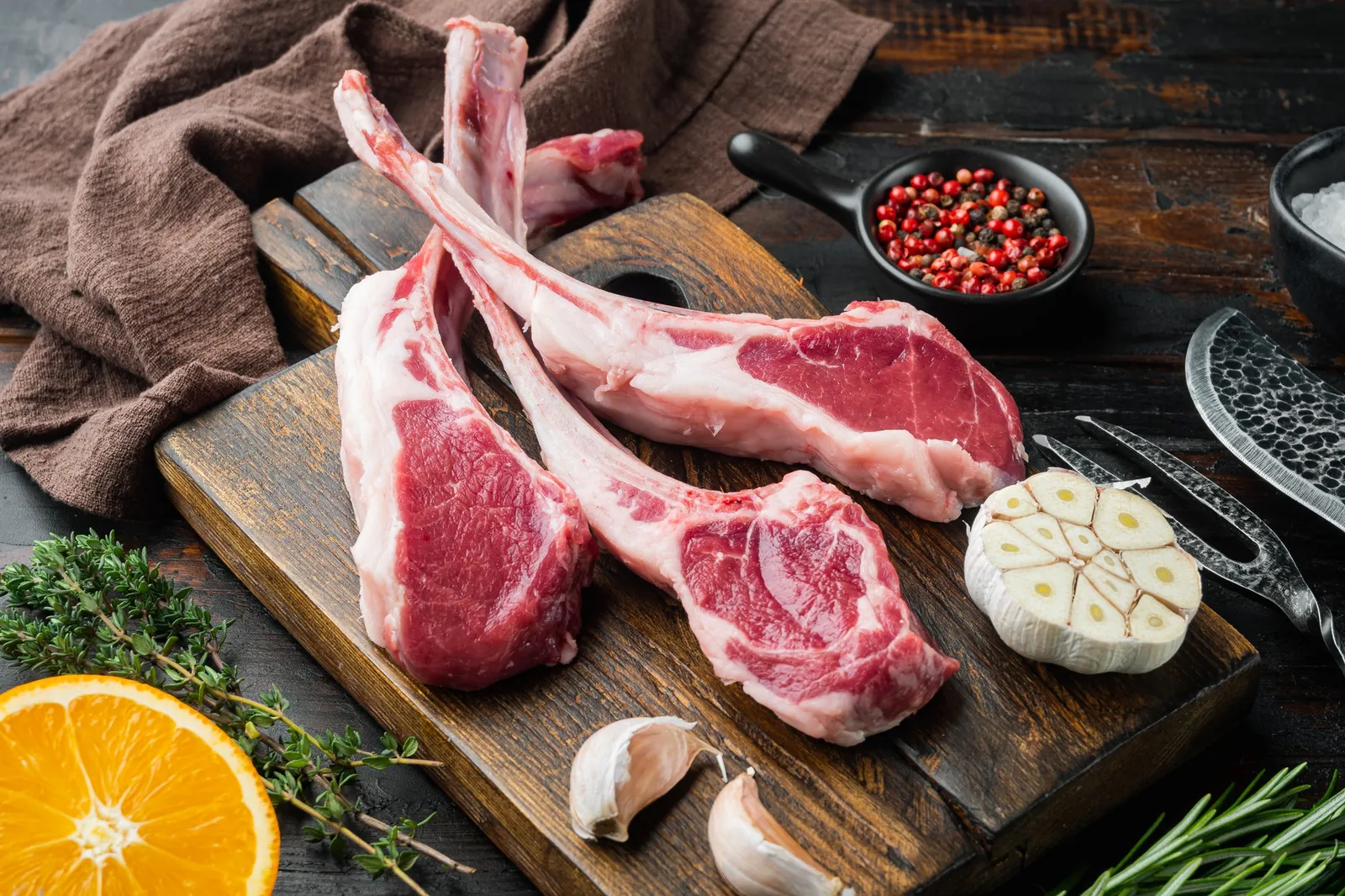
Is Goat Meat Good for Weight Loss?
Wondering if goat meat fits into a weight loss diet? Here's what its nutrition profile really means for your goals — no fluff, just facts.

Goat Milk vs Cow Milk: Which Is Better for You?
Goat milk vs cow milk — which should you choose? Compare nutrition, digestion, taste, and health benefits to find the best fit for your diet.
Frequently Asked Questions
⚕️ Medical Disclaimer
This article is for informational and educational purposes only and is not a substitute for professional medical advice, diagnosis, or treatment. Always consult a qualified healthcare provider with any questions about a medical condition. Read full disclaimer.
Editorial note: This article was researched and written with the assistance of AI tools and reviewed by the Nutrikoo editorial team for accuracy and clarity. It is for general information only and is not medical advice. See our editorial policy.
Get healthy tips in your inbox
Join the Nutrikoo newsletter for science-backed nutrition, recipes and wellness — no spam, unsubscribe anytime.