

Best Tea for Immunity During Monsoon

By A Reza, Health & Nutrition Writer
11 June 2026 · 8 min read · 2 views

Monsoon season brings colds and infections. Here are the best immunity-boosting teas to sip daily — practical, backed by evidence, and genuinely delicious.
Best Tea for Immunity During Monsoon
The moment the first rains hit, something shifts in your body's vulnerability. Humidity climbs, waterborne germs multiply, and somehow half your office is sniffling by the second week of July. If you've been reaching for a warm mug instinctively during the monsoon, your gut is onto something real.
Tea — especially the right kind — can genuinely support your immune system through the rainy season. Not as a magic cure, but as a consistent, daily habit that delivers antioxidants, anti-inflammatory compounds, and antimicrobial phytonutrients your body can actually use. Here's how to pick the best one for you, and how to make it properly.
Why Your Immunity Dips During Monsoon
Before we get to the teas, it helps to understand why monsoon season is such a rough patch for health. Reduced sunlight means lower vitamin D synthesis — and vitamin D deficiency is already widespread in India, making this seasonal dip particularly significant. Add fluctuating temperatures, damp environments, contaminated water sources, and increased exposure to viruses and bacteria, and your immune system is working overtime.
Warm herbal teas address several of these stressors at once: they keep you hydrated, deliver bioactive compounds, soothe inflamed mucous membranes, and — let's be honest — they just feel comforting on a grey, rainy afternoon.
Step 1: Start With the Foundation — Ginger + Tulsi Tea
If you build one monsoon tea habit, make it this one. Ginger (Zingiber officinale) and tulsi (Ocimum tenuiflorum, also called holy basil) are arguably the two most studied immunity-supportive herbs in the Indian kitchen.
Ginger contains gingerols and shogaols — compounds with well-documented anti-inflammatory and antimicrobial activity. Tulsi has been used in Ayurvedic practice for centuries and contains eugenol and rosmarinic acid, both of which have antiviral properties in laboratory research.
How to make it:
- Crush a 1-inch piece of fresh ginger
- Add 6–8 fresh tulsi leaves (or 1 tsp dried)
- Simmer in 1.5 cups of water for 5–7 minutes
- Strain, add a squeeze of lemon and half a teaspoon of raw honey
Drink this once a day, ideally in the morning. Don't boil honey — add it after the tea cools slightly, since high heat degrades its beneficial enzymes.
Step 2: Add Turmeric for Its Anti-Inflammatory Punch
Turmeric (Curcuma longa) gets talked about a lot, and for good reason. Curcumin, its active compound, modulates immune responses and reduces the kind of low-grade inflammation that makes you more susceptible to infection.
The catch? Curcumin has poor bioavailability on its own. Always pair it with a small pinch of black pepper — piperine in black pepper increases curcumin absorption dramatically. A little fat (like a drop of coconut oil or full-fat milk) helps too.
Golden milk tea recipe:
- ½ tsp turmeric powder
- ¼ tsp cinnamon
- Pinch of black pepper
- 1 cup warm milk (dairy or plant-based)
- Sweeten lightly with jaggery if needed
This one works beautifully as an evening drink before bed. It's warming, genuinely tasty, and your throat will thank you.
Step 3: Keep Green Tea in Your Daily Rotation
Don't overlook green tea (Camellia sinensis) just because it feels less "traditional." It's one of the most antioxidant-rich beverages you can drink. Its standout compound, EGCG (epigallocatechin gallate), has been shown in research to inhibit the replication of several common viruses.
Green tea also supports gut health — and since a significant portion of your immune activity is gut-based, that matters more than people realize. Think of it as background immune support you can sip at your desk.

Practical tip: Don't steep green tea in boiling water. Water around 75–80°C works best. Boiling water makes it bitter and destroys some of the delicate antioxidants. Two cups a day is plenty.
Step 4: Try a Classic Kadha When You Feel Something Coming On
A kadha is essentially an Ayurvedic decoction — a strong, concentrated herbal brew you pull out when your throat starts to scratch or your nose begins to run. Think of it as a step above your everyday tea, reserved for the moments you need real backup.
Basic monsoon kadha:
- 1-inch ginger, crushed
- 4–5 black peppercorns
- 2 cloves (Syzygium aromaticum)
- 1 small cinnamon stick
- 4 tulsi leaves
- ½ tsp turmeric
Simmer all of these in 2 cups of water until it reduces to about one cup. Strain and drink warm, ideally with a small amount of raw honey. It tastes intense — think of it as medicine, not afternoon tea.
Cloves deserve a special mention here. They contain eugenol, one of the most potent naturally occurring antiseptic compounds, and they help with respiratory congestion specifically.
Step 5: Don't Ignore Peppermint and Licorice for Respiratory Relief
When the monsoon brings a persistent cough or blocked sinuses, peppermint (Mentha piperita) tea is one of the most practical choices. Menthol acts as a natural decongestant and also has mild antimicrobial properties. It's not a cure, but it genuinely helps you breathe more easily.
Licorice root (Glycyrrhiza glabra), known as mulethi in India, is another underrated monsoon tea ingredient. It has soothing, expectorant, and antiviral properties, and works particularly well for sore throats. You can find dried mulethi sticks easily in Indian grocery stores — just add a small piece to your regular brew.
A word of caution: licorice in large quantities can raise blood pressure. One piece in your tea a few times a week is fine for most people; daily large doses are not recommended if you have hypertension.
Pairing Your Tea Habit With a Stronger Immunity Routine
Tea is one piece of the puzzle. The honest truth is that immunity is built through consistent daily habits — and what you eat matters just as much as what you drink.
Amla (Phyllanthus emblica) is one of the highest natural sources of Vitamin C and pairs beautifully with an immunity-focused routine. We've written a detailed comparison of amla versus blueberry for immunity that's worth reading if you want to understand where to get the most antioxidant bang for your buck.
On the food side, seeds like chia and flax add omega-3s and fiber that support immune regulation — chia seeds vs flax seeds breaks down exactly which one offers more for your health goals.
And if you're looking at the bigger picture of eating well through the season, meal prepping healthy Indian lunches for the week can remove a lot of the daily decision fatigue that leads to skipping vegetables when you're tired and it's raining outside.
A Quick Note on Sugar and Packaged "Immunity Teas"
Supermarket shelves are full of "immunity boosting" teas with dramatic packaging. Some are genuinely useful blends. Others are mostly flavored black tea with a few herbs sprinkled in — and quite a few contain added sugar. Before you buy a packaged blend, check the ingredients. You'd be surprised how much hidden sugar sneaks into products marketed as healthy.
Making your own tea from whole ingredients — fresh ginger, tulsi leaves, whole spices — costs less and almost always works better.
Latest Articles
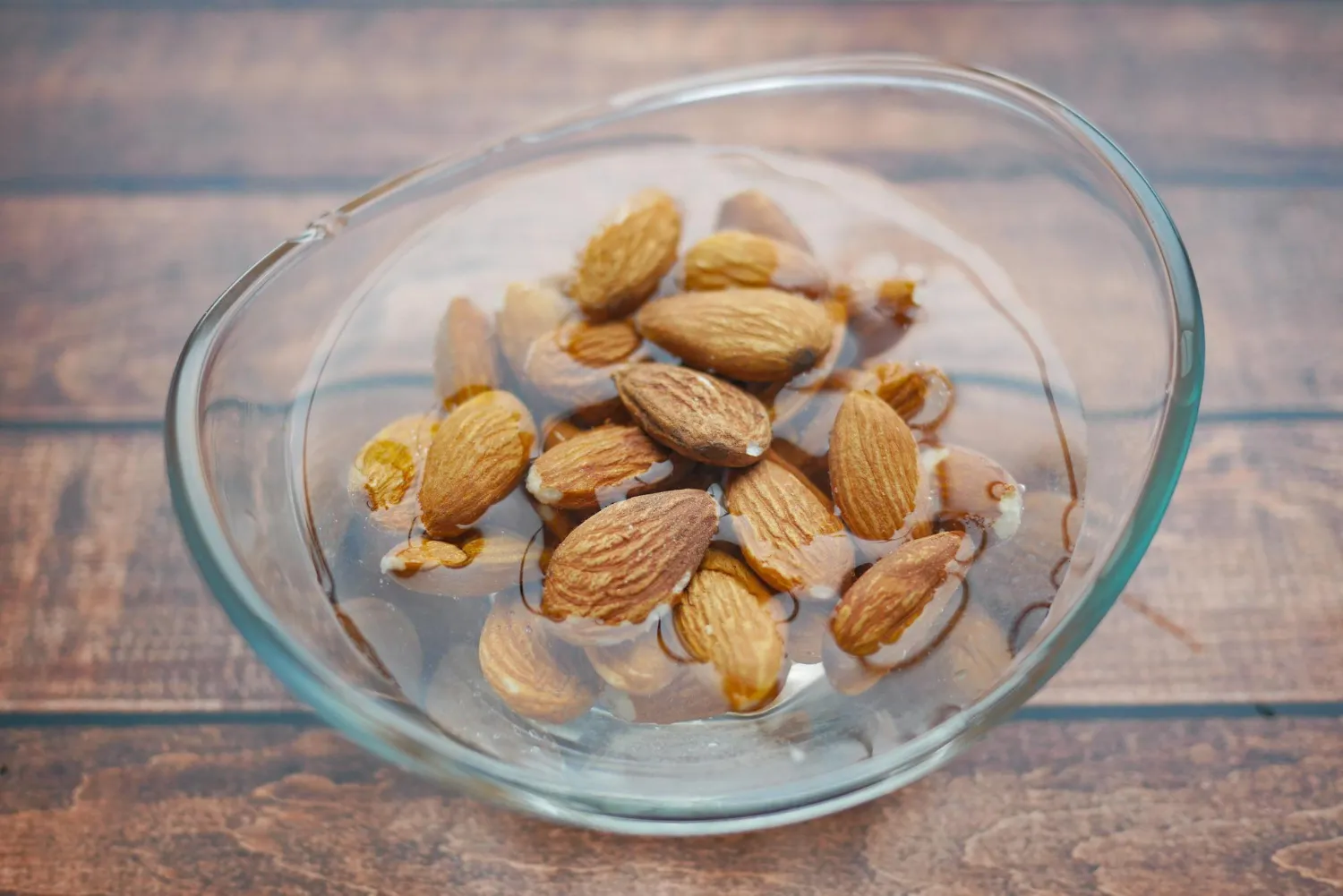
How to Eat Soaked Almonds Daily for Best Results
Soaked almonds pack more nutrition than raw ones. Here's exactly how to eat them daily — the right time, quantity, and simple habits that actually work.

How to Feed Goats During Monsoon Season
Monsoon changes everything for goat farmers. Learn exactly what to feed your goats during the rainy season to keep them healthy, productive, and disease-free.

Best Feed for Goats in Summer Heat
Struggling to keep your goats healthy in hot weather? Discover the best summer feed for goats to maintain weight, milk, and energy when temperatures soar.

Goat Milk for Lactose Intolerance: Does It Help?
Think goat milk is lactose-free? It's not — but it may still be easier to digest. Here's what the science actually says about goat milk and lactose intolerance.
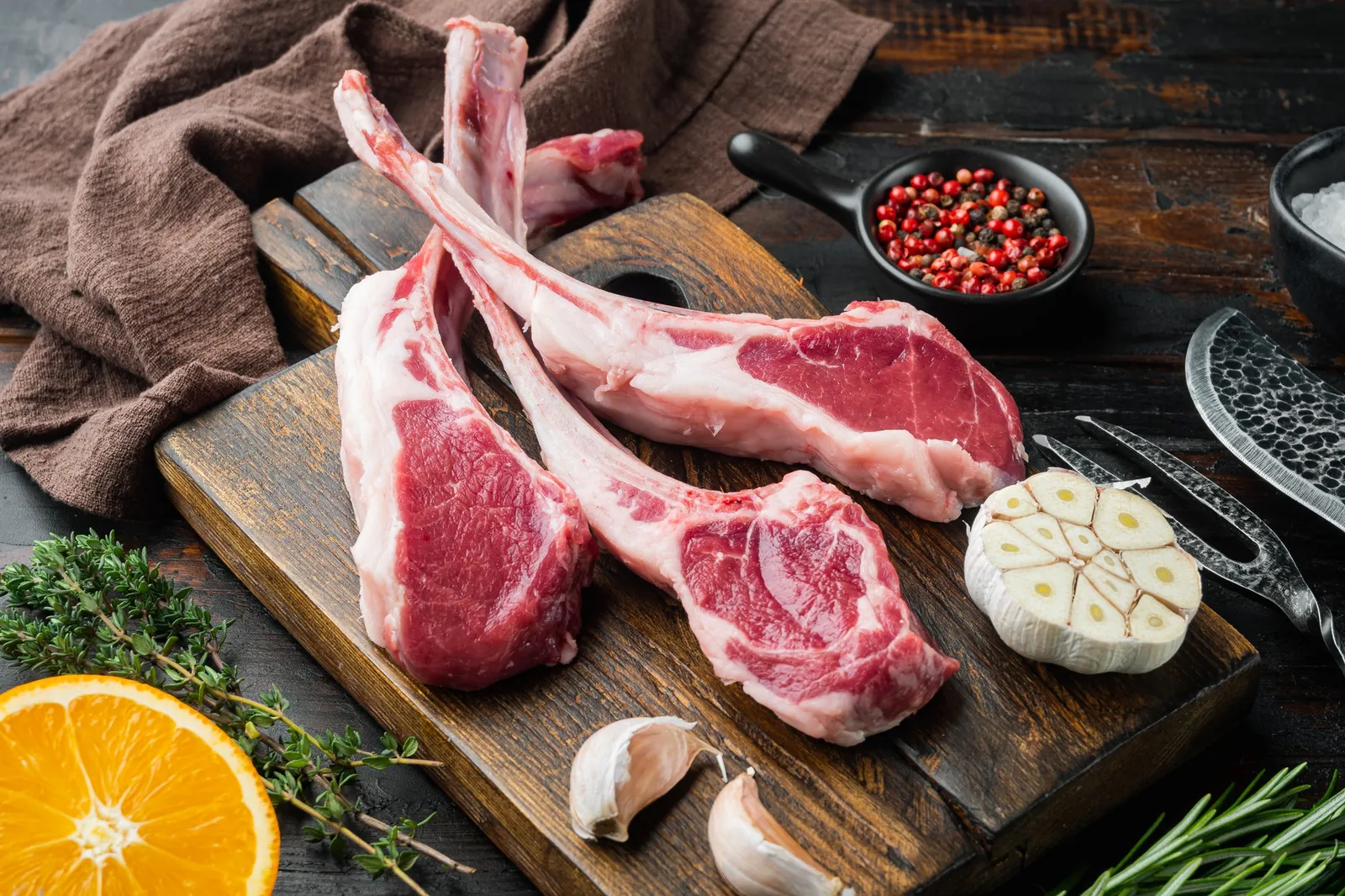
Is Goat Meat Good for Weight Loss?
Wondering if goat meat fits into a weight loss diet? Here's what its nutrition profile really means for your goals — no fluff, just facts.

Goat Milk vs Cow Milk: Which Is Better for You?
Goat milk vs cow milk — which should you choose? Compare nutrition, digestion, taste, and health benefits to find the best fit for your diet.
Frequently Asked Questions
⚕️ Medical Disclaimer
This article is for informational and educational purposes only and is not a substitute for professional medical advice, diagnosis, or treatment. Always consult a qualified healthcare provider with any questions about a medical condition. Read full disclaimer.
Get healthy tips in your inbox
Join the Nutrikoo newsletter for science-backed nutrition, recipes and wellness — no spam, unsubscribe anytime.