
Chia Seeds vs Flax Seeds: Which Is Better?

By A Reza, Health & Nutrition Writer
11 June 2026 · 7 min read · 32 views
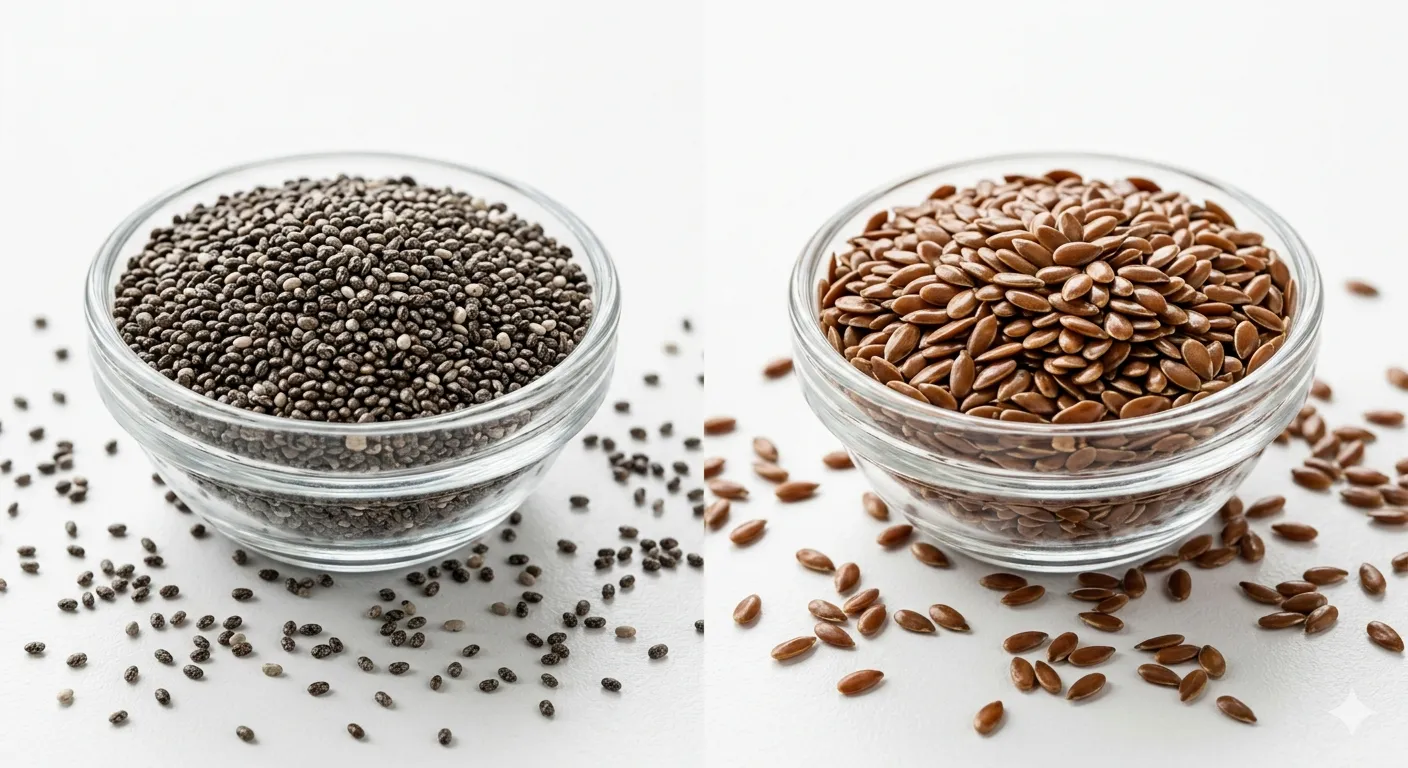
Chia seeds or flax seeds — which tiny seed deserves a spot in your daily diet? We compare nutrition, benefits, and practical uses to help you choose.
Chia Seeds vs Flax Seeds: Which Is Better?
Two tiny seeds. Endless claims. If you've ever stood in a health food aisle — or scrolled through a wellness Instagram account — wondering whether to reach for chia or flax, you're not alone. Both have earned their superfood reputation for good reason. But they're not identical, and one might genuinely suit your health goals better than the other.
Let's break it down, question by question.
What's Actually Inside Each Seed?
Nutritionally, chia (Salvia hispanica) and flax (Linum usitatissimum) are remarkably close, but the differences matter.
Per 2 tablespoons (roughly 20g):
| Nutrient | Chia Seeds | Flax Seeds |
|---|---|---|
| Calories | ~97 | ~110 |
| Protein | ~3.3g | ~3.8g |
| Fat | ~6.2g | ~8.7g |
| Omega-3 (ALA) | ~4g | ~4.8g |
| Fibre | ~7.8g | ~5.6g |
| Calcium | ~180mg | ~52mg |
Chia edges ahead on fibre and calcium. Flax has slightly more omega-3 and protein. Both are genuinely dense with nutrients for their size — that much is fair to say.
Which Seed Has More Omega-3?
Flax wins here, but with a catch. Flax seeds need to be ground for your body to absorb their omega-3 fatty acids. Eat them whole and most of the goodness passes right through you — the hard outer shell is largely indigestible. Ground flaxseed (also called flaxseed meal) is what you want.
Chia seeds, on the other hand, release their nutrients whether eaten whole, soaked, or ground. Pop them in water and they swell into a gel within minutes — a nice visual reminder that your gut is getting something useful.
Both seeds provide ALA (alpha-linolenic acid), a plant-based omega-3. Your body converts some ALA into EPA and DHA — the forms found in fatty fish — but the conversion rate is modest. Still, for vegetarians and vegans in India, these seeds are among the more practical omega-3 sources going.
If heart health is your focus, pairing either seed with a varied diet is a smart move. You can also read our guide on the best nuts for heart health to see how seeds and nuts work together in that context.
Which Is Better for Gut Health and Digestion?
Chia seeds carry more total fibre, and a good chunk of it is soluble fibre — the kind that forms a gel in your digestive tract, slows things down (in a good way), and feeds beneficial gut bacteria. If you've been dealing with irregular digestion, soaked chia seeds in the morning can make a noticeable difference within a few days.
Flax seeds are rich in both soluble and insoluble fibre. The insoluble kind adds bulk to stool and can help with constipation. Flaxseed has been used in Ayurvedic and traditional medicine for gut complaints for centuries — it's not a new idea.
For a deeper look at how different seeds affect the gut microbiome, this article on the best seeds for gut health is worth a read.
One practical note: if you're not used to eating much fibre, adding large amounts of either seed too quickly can cause bloating. Start with one teaspoon a day and build up gradually.
Which Seed Is Better for Weight Loss?
Honestly? Neither is a magic fix — but both can genuinely help as part of a real food diet. The fibre in chia seeds expands in your stomach and creates a feeling of fullness that most people notice quite quickly. Add a tablespoon of soaked chia to your yoghurt or smoothie before a meal and you'll likely eat a little less without trying.
Flax seeds, with their slightly higher protein content, also support satiety. Ground flaxseed stirred into roti dough or dal is a seamless way to boost a meal's staying power.
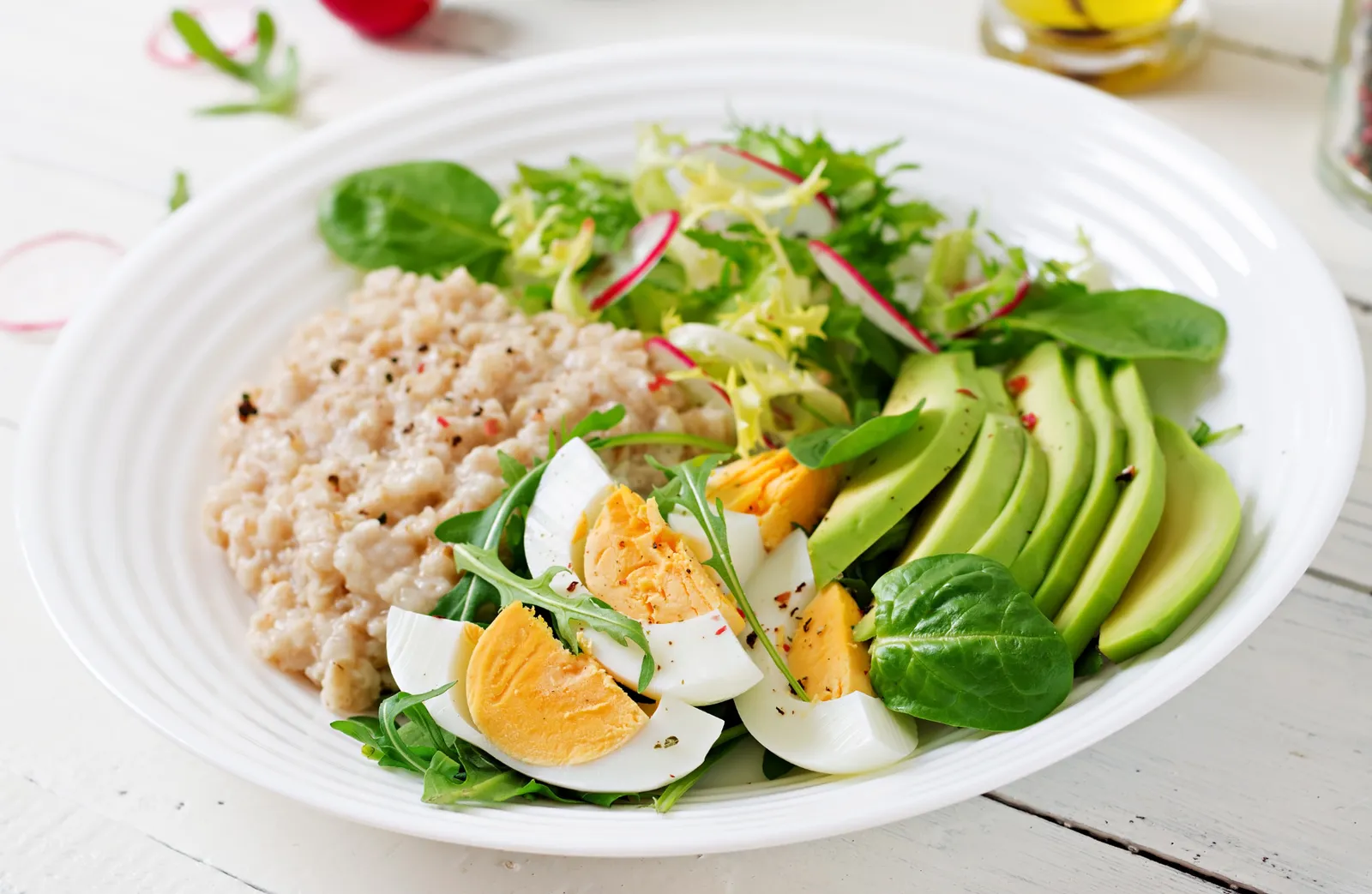

We've covered the evidence behind chia seeds for weight loss in detail if you want to dig into the research on that side.
The honest take: consistency beats which seed you pick. Eating one tablespoon of either seed daily for months will serve you far better than eating a cup of the "better" one twice and forgetting about it.
Does Flaxseed Have Any Unique Benefits Chia Doesn't?
Yes — lignans. Flax seeds are one of the richest dietary sources of lignans, which are plant compounds that act as phytoestrogens. They can weakly mimic oestrogen in the body, which has some interesting implications:
- Research suggests flaxseed may help reduce symptoms of menopause, particularly hot flashes.
- Some studies link regular flaxseed consumption to improved hormone balance in women with PCOS.
- Lignans also have antioxidant properties and some preliminary research suggests potential benefits for certain hormone-sensitive conditions — though this area still needs more study.
This is genuinely one area where flax has an edge over chia, which contains very few lignans.
Does Chia Have Any Unique Benefits Flax Doesn't?
Chia's standout quality is its calcium content — roughly three times more than flax per serving. For people who don't consume dairy (common in vegan or lactose-intolerant populations), chia seeds can contribute meaningfully to daily calcium needs.
Chia seeds also bind water like almost nothing else in the plant kingdom. One tablespoon absorbs up to 10 times its weight in liquid. This makes them useful for:
- Replacing eggs in baking (one tablespoon of chia + three tablespoons of water = a passable egg substitute)
- Making puddings and overnight desserts without any cooking
- Staying hydrated in the summer heat — chia water (nimbu pani with soaked chia is genuinely refreshing) keeps you feeling less parched
You can explore the full range of chia seed benefits if you want a more complete picture of what they bring to the table.
Which Is Easier to Use Every Day?
This is underrated as a deciding factor. The seed you'll actually eat regularly is the better seed for you.
Chia seeds are easier for most people:
- No grinding needed
- Can be stirred into any liquid
- Neutral taste — goes in smoothies, lassi, pudding, even plain water
Flax seeds require a little more thought:
- Must be ground for full nutritional benefit
- Ground flaxseed has a short shelf life (store in the fridge, use within a few weeks)
- Has a mild, nutty flavour — lovely in rotis, chutneys, or sprinkled on salads
Both mix well into Indian cooking once you get used to them. Ground flaxseed in atta (wheat flour) when making rotis is something many Indian households already do, and barely changes the taste.
Can You Eat Both Together?
Absolutely — and many nutritionists suggest this is the most sensible approach. You get the lignans and slightly higher omega-3 from flax, the calcium and superior hydration properties from chia, and a broader fibre profile from the combination.
A simple routine: one teaspoon of soaked chia in your morning drink, and one teaspoon of ground flaxseed mixed into your roti dough or sprinkled on dal. That's it. No elaborate recipes required.
Latest Articles
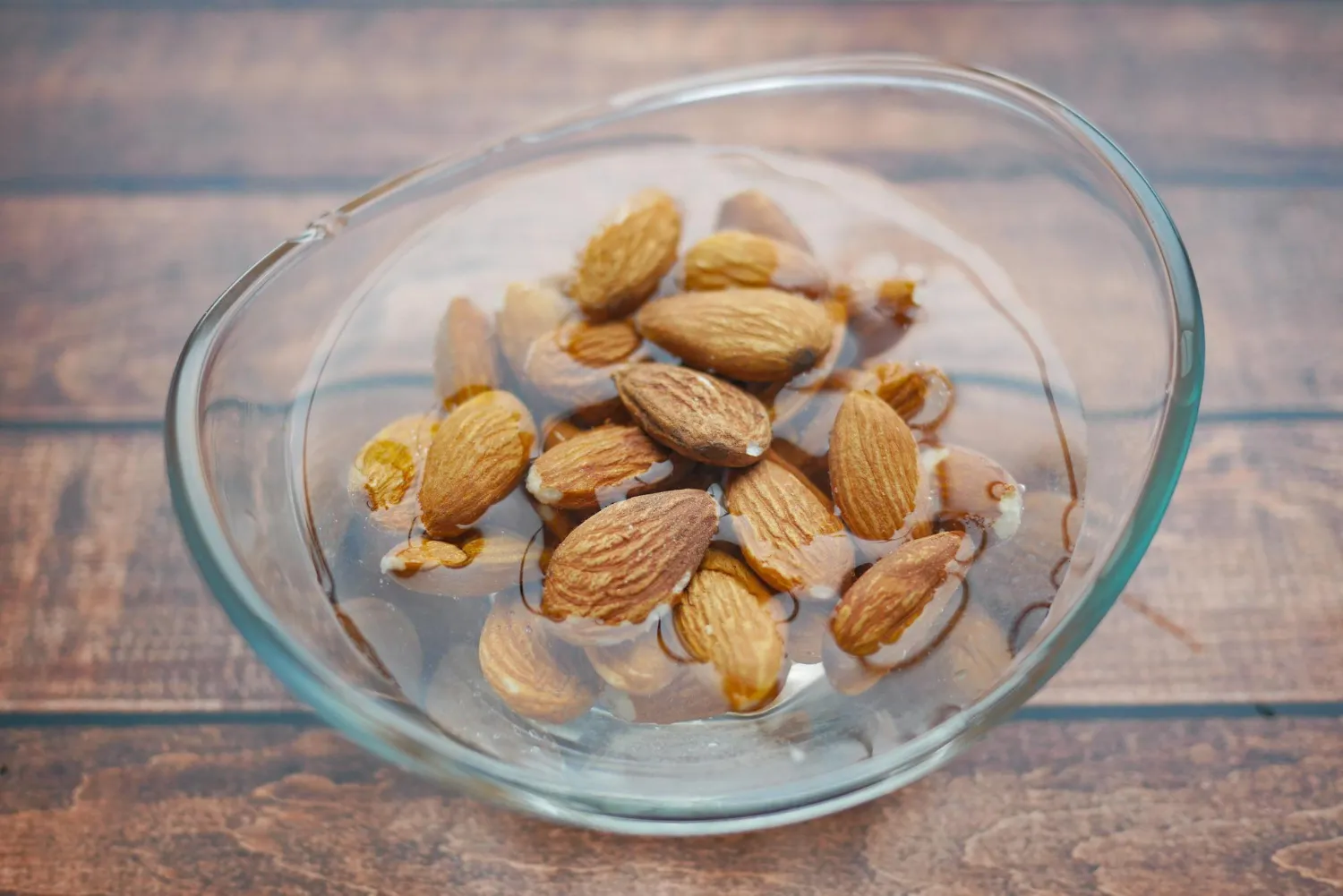
How to Eat Soaked Almonds Daily for Best Results
Soaked almonds pack more nutrition than raw ones. Here's exactly how to eat them daily — the right time, quantity, and simple habits that actually work.

How to Feed Goats During Monsoon Season
Monsoon changes everything for goat farmers. Learn exactly what to feed your goats during the rainy season to keep them healthy, productive, and disease-free.

Best Feed for Goats in Summer Heat
Struggling to keep your goats healthy in hot weather? Discover the best summer feed for goats to maintain weight, milk, and energy when temperatures soar.

Goat Milk for Lactose Intolerance: Does It Help?
Think goat milk is lactose-free? It's not — but it may still be easier to digest. Here's what the science actually says about goat milk and lactose intolerance.
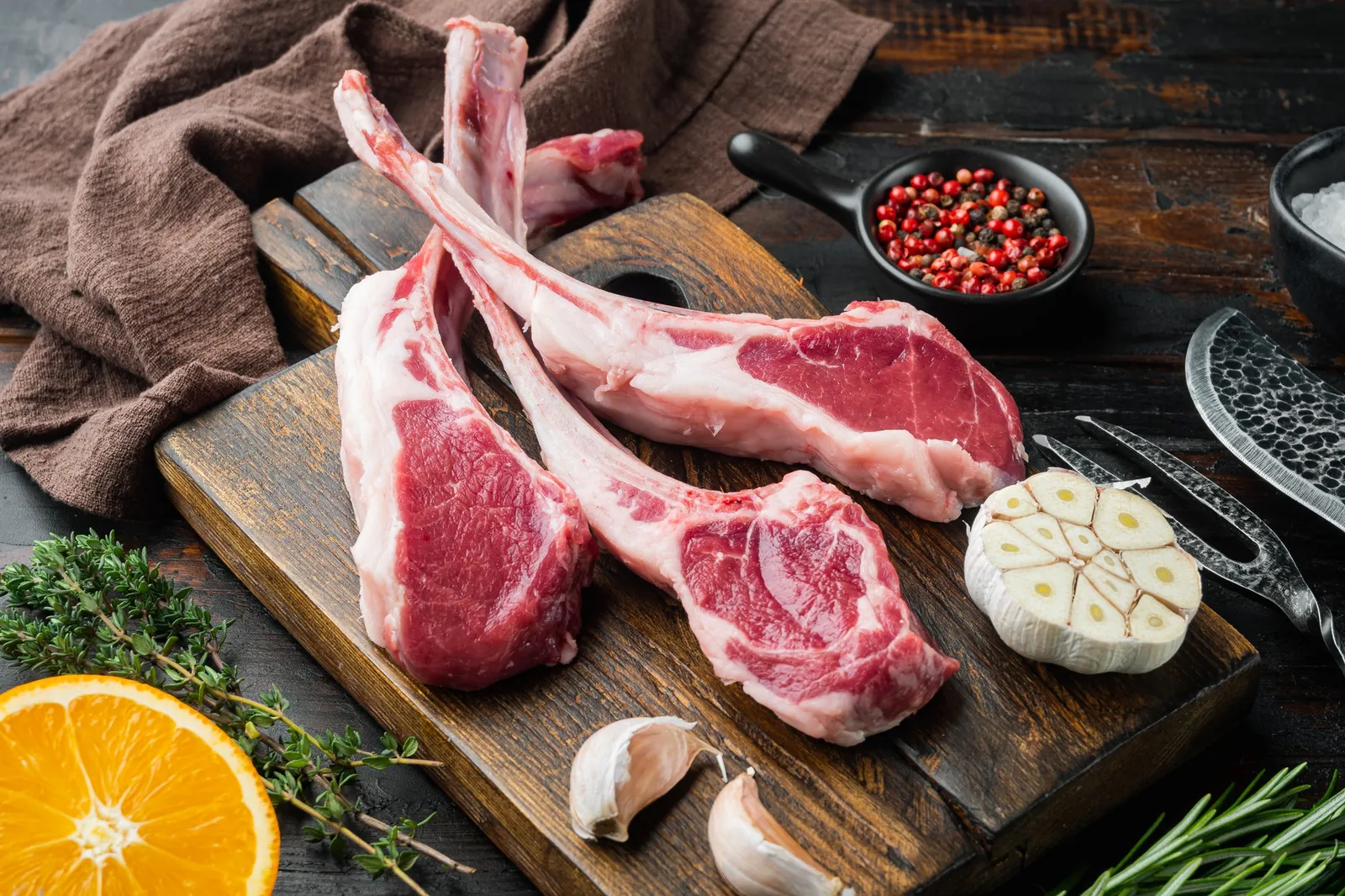
Is Goat Meat Good for Weight Loss?
Wondering if goat meat fits into a weight loss diet? Here's what its nutrition profile really means for your goals — no fluff, just facts.

Goat Milk vs Cow Milk: Which Is Better for You?
Goat milk vs cow milk — which should you choose? Compare nutrition, digestion, taste, and health benefits to find the best fit for your diet.
Frequently Asked Questions
⚕️ Medical Disclaimer
This article is for informational and educational purposes only and is not a substitute for professional medical advice, diagnosis, or treatment. Always consult a qualified healthcare provider with any questions about a medical condition. Read full disclaimer.
Editorial note: This article was researched and written with the assistance of AI tools and reviewed by the Nutrikoo editorial team for accuracy and clarity. It is for general information only and is not medical advice. See our editorial policy.
Get healthy tips in your inbox
Join the Nutrikoo newsletter for science-backed nutrition, recipes and wellness — no spam, unsubscribe anytime.