

Best Whole Grains for Weight Loss (Ranked)

By Payal, Content Reviewer
8 July 2026 · 7 min read · 0 views

Want to lose weight without starving? These whole grains keep you full, balance blood sugar, and fit perfectly into Indian meals. Here's how to use them.
Best Whole Grains for Weight Loss (Ranked)
Most people trying to lose weight cut carbs entirely. Then they feel tired, cranky, and hungry by 11 AM. The truth is, carbohydrates are not the enemy — refined carbohydrates are. Swap those for whole grains, and you have a genuinely satisfying way to eat less without feeling deprived.
Here is a practical guide to the best whole grains for weight loss, how each one works, and exactly how to bring them into your daily meals.
Why Whole Grains Help You Lose Weight
Whole grains still have all three parts of the grain intact: the bran, the germ, and the endosperm. Refined grains like maida or white rice have the bran and germ stripped away, leaving behind fast-digesting starch that spikes your blood sugar quickly — and leaves you hungry again soon after.
Whole grains do the opposite. Their fiber slows digestion, keeps blood sugar steadier, and makes you feel full for longer. If you are eating fewer calories without feeling miserable, that is a win. You can read more about how this fiber effect works in our article on does fiber help with weight loss.
The Best Whole Grains for Weight Loss
1. Oats (Avena sativa) — The Classic Starter Grain
Oats are probably the most studied grain when it comes to weight management, and the evidence is solid. They are rich in a specific type of soluble fiber called beta-glucan, which forms a gel in your gut and slows gastric emptying — a fancy way of saying your stomach empties more slowly, so you stay full longer.
A bowl of plain rolled oats in the morning will genuinely hold you until lunch. Steel-cut oats have a lower glycemic index than instant oats, so they are the better choice if you can manage the extra cooking time. Just skip the flavored packet varieties — they are loaded with added sugar.
How to eat them: Overnight oats with a handful of nuts, a savory oats khichdi, or a quick bowl with banana and a spoon of peanut butter.
2. Ragi (Eleusine coracana) — India's Underrated Superfood
Ragi, also called finger millet, is one of those grains that has been part of South Indian kitchens for centuries but somehow fell out of fashion. That is a shame, because it is genuinely excellent for weight loss.
It is high in dietary fiber, keeps you full, and has a moderate glycemic index. It is also one of the richest plant-based sources of calcium around. Ragi is naturally gluten-free, making it a good option for people who are sensitive to gluten.
How to eat it: Ragi mudde, ragi dosa, ragi porridge, or ragi roti. Even ragi cookies are a decent snack when made at home without too much sugar.
3. Jowar (Sorghum bicolor) — Light, Filling, and Gut-Friendly
Jowar is a warm-weather grain that has been a staple in Maharashtra, Karnataka, and Telangana for generations. It is light on the stomach, gluten-free, and high in both fiber and resistant starch. Resistant starch acts almost like fiber — it feeds beneficial gut bacteria and does not raise blood sugar the way regular starch does.
Jowar rotis are noticeably more filling than wheat rotis of the same size. If you are trying to reduce your wheat intake without giving up rotis, jowar is the easiest transition. It pairs well with anything from dal to sabzi.
4. Bajra (Pennisetum glaucum) — Pearl Millet for Winter and Beyond
Bajra has a slightly earthy, nutty flavor that you either love immediately or warm up to. It is rich in magnesium, iron, and fiber — a combination that supports steady energy and digestive health. It is traditionally a winter grain in India, but there is no real reason to restrict it.
Because bajra is quite dense and filling, bajra roti with ghee and dal is the kind of meal that genuinely keeps hunger at bay for four to five hours.
How to eat it: Bajra roti, bajra khichdi, or pop bajra like popcorn for a light snack.
5. Barley (Hordeum vulgare) — The Unsung Hero
Barley does not get enough attention in Indian kitchens outside of specific regional dishes, but it really should. Like oats, barley is rich in beta-glucan fiber. It also has one of the lowest glycemic indices of any grain, which makes it particularly useful if blood sugar management is part of your weight loss goal.
Barley is incredibly versatile — you can use it anywhere you would use rice. Our guide on high fiber vegetables for weight loss pairs well with a barley-based meal to build a genuinely filling plate.
How to eat it: Jau ki khichdi, barley soup, barley in salads, or barley water as a light drink.
6. Quinoa (Chenopodium quinoa) — Not Just a Trend
Quinoa gets mocked as an overpriced health-food trend, and that criticism is fair to a point. But the nutrition is real. Quinoa is technically a seed, though it is used like a grain, and it is one of the few plant foods that provides all nine essential amino acids. That makes it a complete protein — which matters for weight loss because protein keeps you full and helps preserve muscle mass.
It cooks in under 15 minutes and works well as a rice substitute in pulao or as a salad base. Just be aware of the cost — it is significantly more expensive than millets, which offer comparable benefits for most purposes.
7. Brown Rice — The Simplest Swap
If you are not ready for millets or barley, brown rice is the most accessible starting point. It is just white rice with the bran layer still on, which gives it more fiber, more nutrients, and a lower glycemic index. It takes a little longer to cook and has a chewier texture, but the transition is easier than people expect.
Brown rice will not transform your diet overnight, but replacing white rice with brown rice at even one meal a day is a meaningful, sustainable step.
How to Actually Add These to Your Daily Diet
Making changes stick is about habit, not willpower. Here is a practical way to build whole grains into your routine:
- Start with one swap. Replace your regular roti with jowar or bajra roti three days a week before going all-in.
- Batch cook. Make a big pot of barley or brown rice on Sunday and use it through the week.
- Use millets as sides. Ragi porridge as a morning meal, jowar roti at lunch, bajra khichdi at dinner — rotating millets keeps meals interesting.
- Don't forget fiber from vegetables too. Whole grains work even better when paired with fiber-rich vegetables. Check out is lauki good for weight loss for an easy vegetable to add alongside your grain meals.
Also worth noting: the way you cook your grains matters. A ragi dosa made with minimal oil is very different from deep-fried ragi chips. The grain is not magic on its own — your overall cooking method and portion size still matter.
If gut health is also a concern (it often is, alongside weight), pairing whole grains with probiotic-rich foods can help. Our piece on best Indian foods for a healthy gut has some practical ideas on this.
Latest Articles
Leafy Greens in Monsoon: Safe to Eat or Not?
Should you avoid leafy greens in monsoon? Here's what's actually risky, what's safe, and how to eat them without getting sick this rainy season.
Best Vegetables to Eat in Monsoon Season
Think you should avoid all veggies in monsoon? Think again. Here are the safest, healthiest vegetables to eat during the rainy season in India.
Bhindi Benefits for Diabetes: What You Should Know
Can bhindi really help manage blood sugar? Discover the science-backed benefits of okra for diabetes, how to eat it, and what to watch out for.
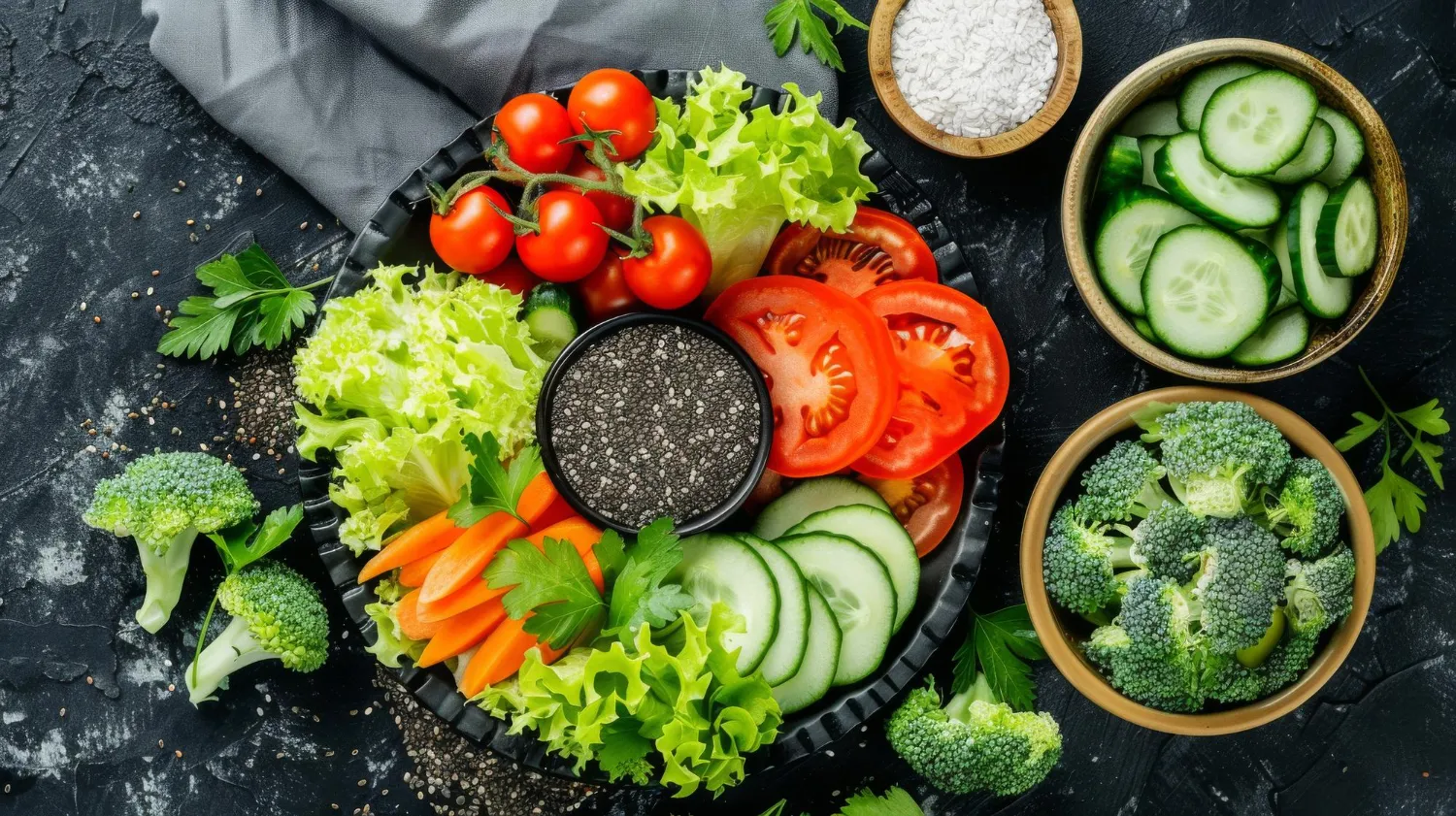
High Fiber Vegetables for Weight Loss
Want to lose weight without starving? These high fiber vegetables keep you full, support digestion, and make weight loss more sustainable and satisfying.
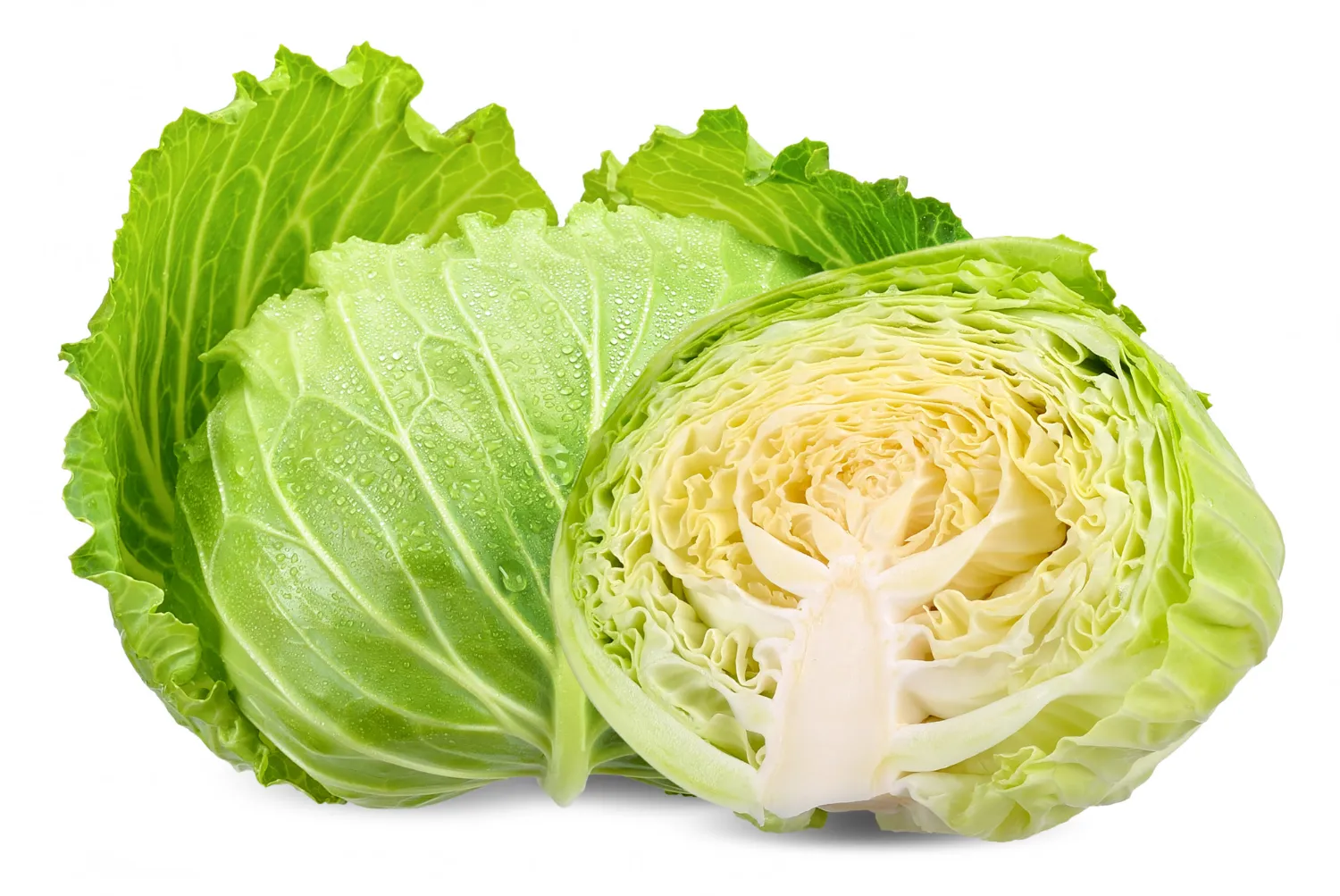
Cabbage for Gut Health: Benefits You Should Know
Cabbage is more than a budget veggie. Discover how it feeds good gut bacteria, eases digestion, and supports a healthier stomach naturally.
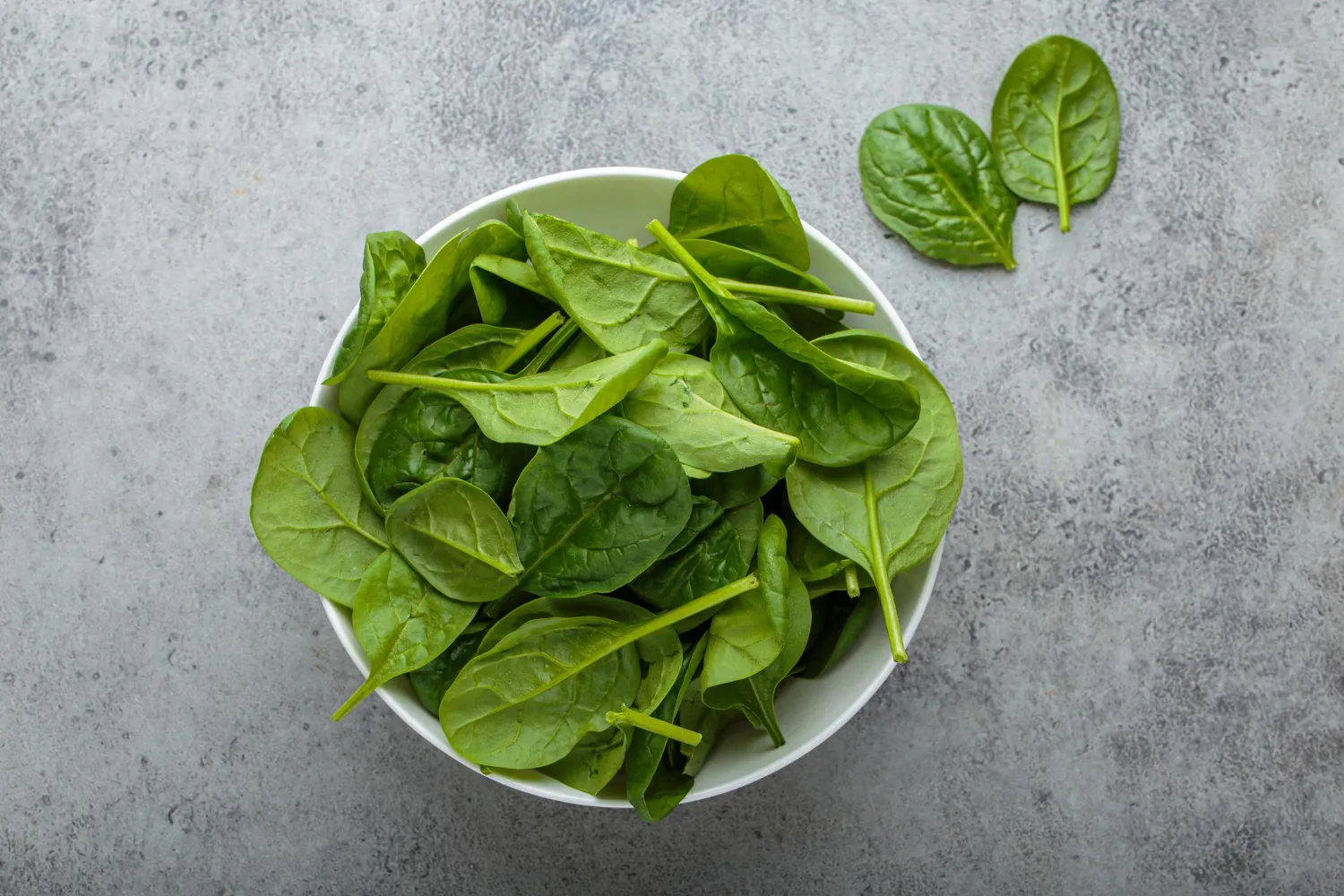
Spinach for Iron: How Much Should You Really Eat?
Spinach is famous as an iron superfood — but the reality is more nuanced. Here's how much spinach you actually need, and how to absorb its iron properly.
Frequently Asked Questions
⚕️ Medical Disclaimer
This article is for informational and educational purposes only and is not a substitute for professional medical advice, diagnosis, or treatment. Always consult a qualified healthcare provider with any questions about a medical condition. Read full disclaimer.
Editorial note: This article was researched and written with the assistance of AI tools and reviewed by the Nutrikoo editorial team for accuracy and clarity. It is for general information only and is not medical advice. See our editorial policy.
Get healthy tips in your inbox
Join the Nutrikoo newsletter for science-backed nutrition, recipes and wellness — no spam, unsubscribe anytime.