

Papaya for Digestion: Benefits and How to Eat It

By Ayesha, Content Reviewer
5 July 2026 · 7 min read · 37 views

Papaya is one of the best fruits for gut health. Learn how it aids digestion, eases bloating, and the best ways to eat it daily for real results.
Papaya for Digestion: Benefits and How to Eat It
There is a reason your grandmother probably told you to eat papaya when your stomach was acting up. Long before anyone was talking about gut microbiomes or digestive enzymes, this bright orange fruit was a go-to remedy in kitchens across India and Southeast Asia. And as it turns out, she was onto something real.
Carica papaya is genuinely one of the most gut-friendly fruits you can eat. Here is what it actually does for your digestion — and how to get the most out of it.
What Makes Papaya So Good for Digestion?
The short answer: an enzyme called papain.
Papain is a proteolytic enzyme found in papaya, especially in raw or unripe fruit. It breaks down proteins in food, almost like a biological scissor that snips protein chains into smaller, more manageable pieces. This makes digestion noticeably easier, particularly if you have eaten a heavy, protein-rich meal.
But papain is not the only player here. Papaya also contains:
- Chymopapain — another digestive enzyme that works alongside papain
- Dietary fiber — especially soluble fiber, which feeds good gut bacteria and softens stools
- Water content — around 88%, which helps keep things moving in your digestive tract
- Vitamin C and antioxidants — which help reduce inflammation in the gut lining
Think of papaya as a full digestive support package, not just a single-trick fruit.
Can Papaya Really Relieve Bloating and Gas?
Yes — and this is probably the benefit people notice most quickly.
Bloating often happens when your body struggles to fully break down proteins or when there is fermentation happening in your gut due to undigested food. Papain steps in and helps break down those proteins before they cause trouble further down your digestive tract.
Several small studies have looked at papaya-based formulations and found improvements in bloating, constipation, and general digestive discomfort. The results are not dramatic or overnight, but consistent papaya intake does seem to make a difference for many people.
If you regularly feel heavy or gassy after meals, adding half a cup of ripe papaya as a post-meal fruit is worth trying for a couple of weeks.
Does Papaya Help with Constipation?
It genuinely does, and the fiber is the main reason.
Ripe papaya has a decent amount of soluble fiber, which absorbs water in your gut and creates a softer, bulkier stool. This makes it easier to pass. Combined with the fruit's high water content, papaya has a mild natural laxative effect without being harsh on your system.
If you are dealing with sluggish digestion, pairing papaya with other high fiber foods for better digestion makes even more sense. Fiber from multiple sources works better together than any single food alone.
Is Raw Papaya or Ripe Papaya Better for Your Gut?


This depends on what you are trying to achieve.
Ripe papaya (orange-fleshed, sweet) is the easier, more enjoyable option for most people. It has good fiber, high water content, and still contains active papain — though less than raw papaya. Eat it as a snack, after a meal, or in a fruit bowl.
Raw (green) papaya has significantly higher concentrations of papain and is used medicinally in many traditional systems. It is quite common in Indian cooking — think raw papaya salad or green papaya curry. It is especially useful if you are eating a high-protein meal, since the enzyme activity is stronger.
A simple way to think about it: ripe papaya for daily digestive maintenance, raw papaya for a more targeted enzyme boost.
When Is the Best Time to Eat Papaya?
This question gets asked a lot, and the honest answer is — there is no single "magic" time. But some options work better in practice:
- Morning on an empty stomach: Many people find this kickstarts digestion and keeps them regular. The enzymes go to work without competing with other foods.
- After meals: A small serving after lunch or dinner can help break down what you just ate, reducing that post-meal heaviness.
- As a mid-morning snack: Light, hydrating, and easy on the stomach.
What you probably want to avoid is eating papaya late at night right before bed, not because it is harmful, but simply because you lose the digestive benefit if your gut is slowing down for sleep anyway.
How Much Papaya Should You Actually Eat?
A cup of cubed papaya (roughly 150 grams) a day is a practical, sustainable amount. That gives you meaningful fiber, papain, and hydration without overloading on natural sugars.
If you have diabetes or are monitoring your carbohydrate intake, ripe papaya does have a moderate glycemic index, so keep the portion sensible — half a cup is fine. For most healthy adults, a full cup is perfectly reasonable.
What Are the Best Ways to Eat Papaya for Digestion?
Here are a few practical options that actually work:
- Plain, chilled ripe papaya — probably the most effective way. No prep needed, nothing added.
- Papaya with a squeeze of lime and a pinch of black salt — a classic Indian preparation that also helps with bloating (black salt contains sulfur compounds that ease gas).
- Green papaya sabzi — cooked raw papaya with mild spices, similar to how you might make a ridge gourd curry for digestion. Great with a simple dal and rice meal.
- Papaya smoothie — blend ripe papaya with a little ginger and coconut water for a gut-friendly morning drink.
- Papaya seeds — do not throw these away. The seeds have a peppery flavor and have traditionally been used for digestive issues and gut parasite control. Eat a teaspoon at most — they are potent and should not be consumed in large amounts.
One thing worth mentioning: if you are on blood-thinning medication, speak to your doctor before eating large amounts of papaya, as papain can interact with certain medications.
Does Papaya Help with Acid Reflux or Acidity?
This one is a bit nuanced. Papaya is mildly alkaline and can have a soothing effect on the stomach lining. Some people find it genuinely helpful for mild acidity or heartburn.
However, if your reflux is chronic or severe, papaya alone will not fix it. Alongside dietary adjustments, you might also want to explore other gut-friendly Indian vegetables — some like moringa sabzi and tinda sabzi are gentle on the stomach and easy to incorporate into a digestion-friendly diet.
Latest Articles
Jamun Benefits for Digestion and Gut Health
Discover how jamun supports digestion, relieves bloating, and improves gut health — plus practical tips on how to eat it for the best results.

Does Fiber Help with Weight Loss? Here's the Truth
Can eating more fiber actually help you lose weight? Discover how dietary fiber works, which foods to eat, and practical tips for Indian diets.
Best Indian Foods for a Healthy Gut
Bloating, sluggish digestion, or an upset stomach? These best Indian foods for a healthy gut can help you eat your way to better digestive health.
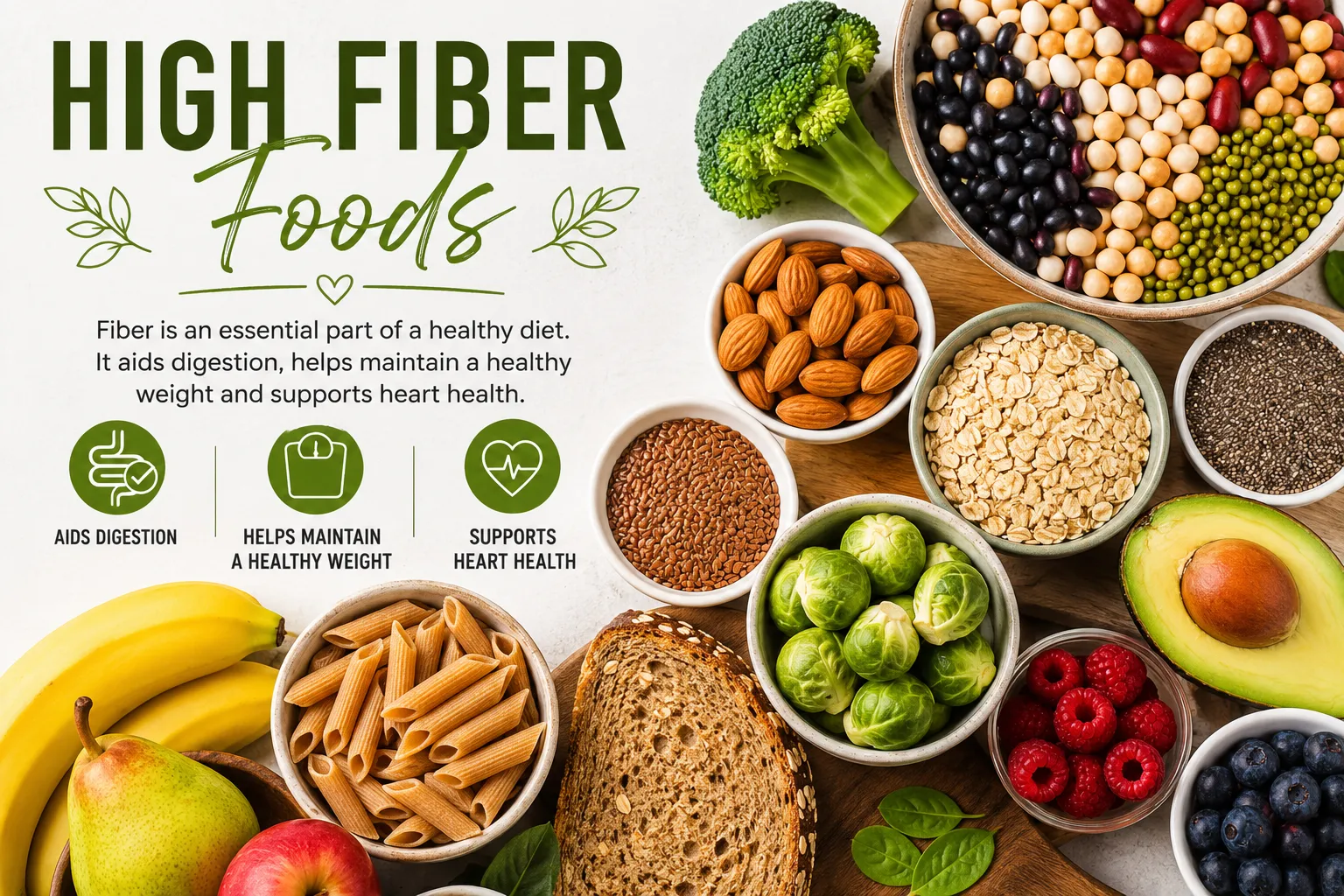
High Fiber Foods for Better Digestion in India
Discover the best high fiber foods for better digestion in India — from dal to drumstick — and why most Indians aren't eating nearly enough fiber.
How to Eat Soaked Almonds Daily for Best Results
Soaked almonds pack more nutrition than raw ones. Here's exactly how to eat them daily — the right time, quantity, and simple habits that actually work.

How to Feed Goats During Monsoon Season
Monsoon changes everything for goat farmers. Learn exactly what to feed your goats during the rainy season to keep them healthy, productive, and disease-free.
Frequently Asked Questions
⚕️ Medical Disclaimer
This article is for informational and educational purposes only and is not a substitute for professional medical advice, diagnosis, or treatment. Always consult a qualified healthcare provider with any questions about a medical condition. Read full disclaimer.
Editorial note: This article was researched and written with the assistance of AI tools and reviewed by the Nutrikoo editorial team for accuracy and clarity. It is for general information only and is not medical advice. See our editorial policy.
Get healthy tips in your inbox
Join the Nutrikoo newsletter for science-backed nutrition, recipes and wellness — no spam, unsubscribe anytime.