
Best Time to Drink Green Tea for Weight Loss

By A Reza, Health & Nutrition Writer
11 June 2026 · 6 min read · 1 views
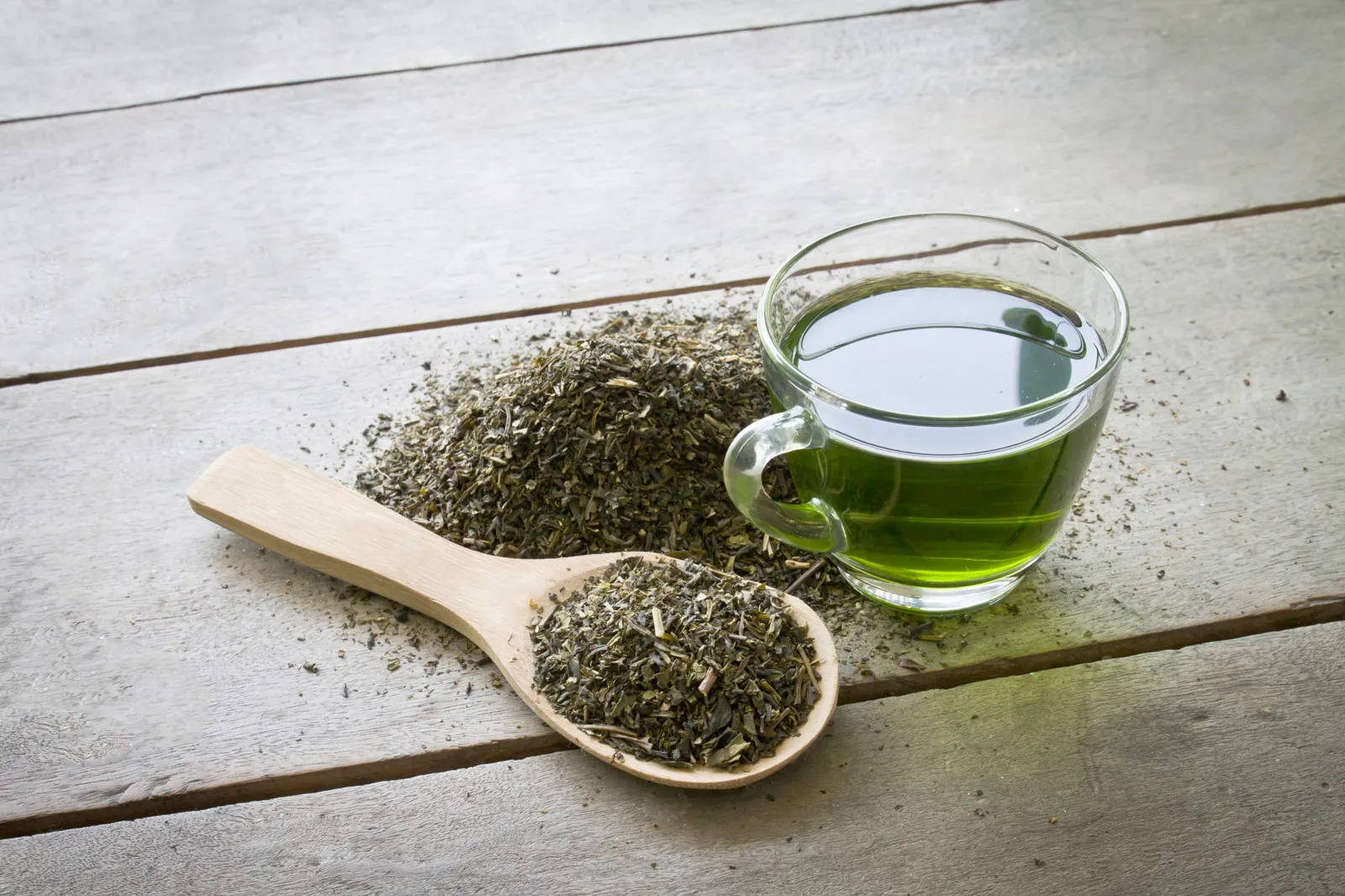
Wondering when to drink green tea for weight loss? Timing really does matter. Here's what actually works, backed by science and common sense.
Best Time to Drink Green Tea for Weight Loss
Green tea has one of the most loyal followings in the health world — and for good reason. But here's the thing: most people are drinking it at the wrong time, or in ways that cancel out its benefits. Getting the timing right can make a real difference to how well it works for weight management.
Let's go through the questions people actually ask about green tea and weight loss, one by one.
Does Green Tea Actually Help With Weight Loss?
Yes — but let's be realistic about how much. Green tea (Camellia sinensis) contains a group of plant compounds called catechins, the most studied of which is epigallocatechin gallate, or EGCG. These catechins, combined with a modest dose of caffeine, have been shown to slightly increase fat oxidation and metabolic rate.
The word "slightly" matters here. Green tea is not a magic fix. It works best when it supports a balanced diet and regular movement — not as a substitute for either. Think of it as a small but genuine nudge in the right direction.
What Is the Best Time to Drink Green Tea for Weight Loss?
The short answer: between meals, particularly mid-morning or mid-afternoon.
Drinking green tea on an empty stomach first thing in the morning sounds appealing, but it can cause nausea or stomach irritation in many people, especially those with a sensitive gut. Drinking it right after a heavy meal, on the other hand, can interfere with iron absorption from food — particularly important if you eat a lot of plant-based iron sources like dal and leafy greens.
The sweet spot is roughly 30–45 minutes before or after a meal. This gives your body time to absorb the catechins effectively without the downsides.
Should You Drink Green Tea in the Morning?
You can, but with a bit of thought. If you're fine with some caffeine early in the day and you're not drinking it on a completely empty stomach, morning green tea can give you a gentle energy boost without the jitteriness that coffee sometimes brings.
A good approach: have a small glass of water or a light bite first, then enjoy your cup. This is especially useful if you're doing an early workout — the mild caffeine and EGCG combination may support fat burning during moderate-intensity exercise.
If you're curious how green tea compares to other morning teas in terms of overall benefits, this breakdown of green tea vs black tea is worth a read.
Is Drinking Green Tea Before a Workout a Good Idea?
This is actually one of the better times to drink it. Research suggests that the combination of caffeine and catechins in green tea can increase fat utilisation during aerobic exercise. Having a cup about 30–45 minutes before a workout may help your body tap into fat stores a little more efficiently.
Keep the portion to one cup — you don't need more, and too much caffeine before exercise can cause dehydration or discomfort. Also, avoid adding milk or sugar, which dampen the absorption of catechins significantly.
What About Drinking Green Tea at Night?
This one comes up a lot, and the honest answer is: it depends on your caffeine sensitivity. Green tea has less caffeine than coffee — roughly 25–40 mg per cup versus 80–100 mg in a cup of coffee — but it's still enough to disrupt sleep for some people.
Poor sleep is closely linked to weight gain, increased hunger hormones, and stronger cravings the next day. So if a cup of green tea at 9 pm is nudging your bedtime later or lightening your sleep, it's working against your weight loss goals, not for them.
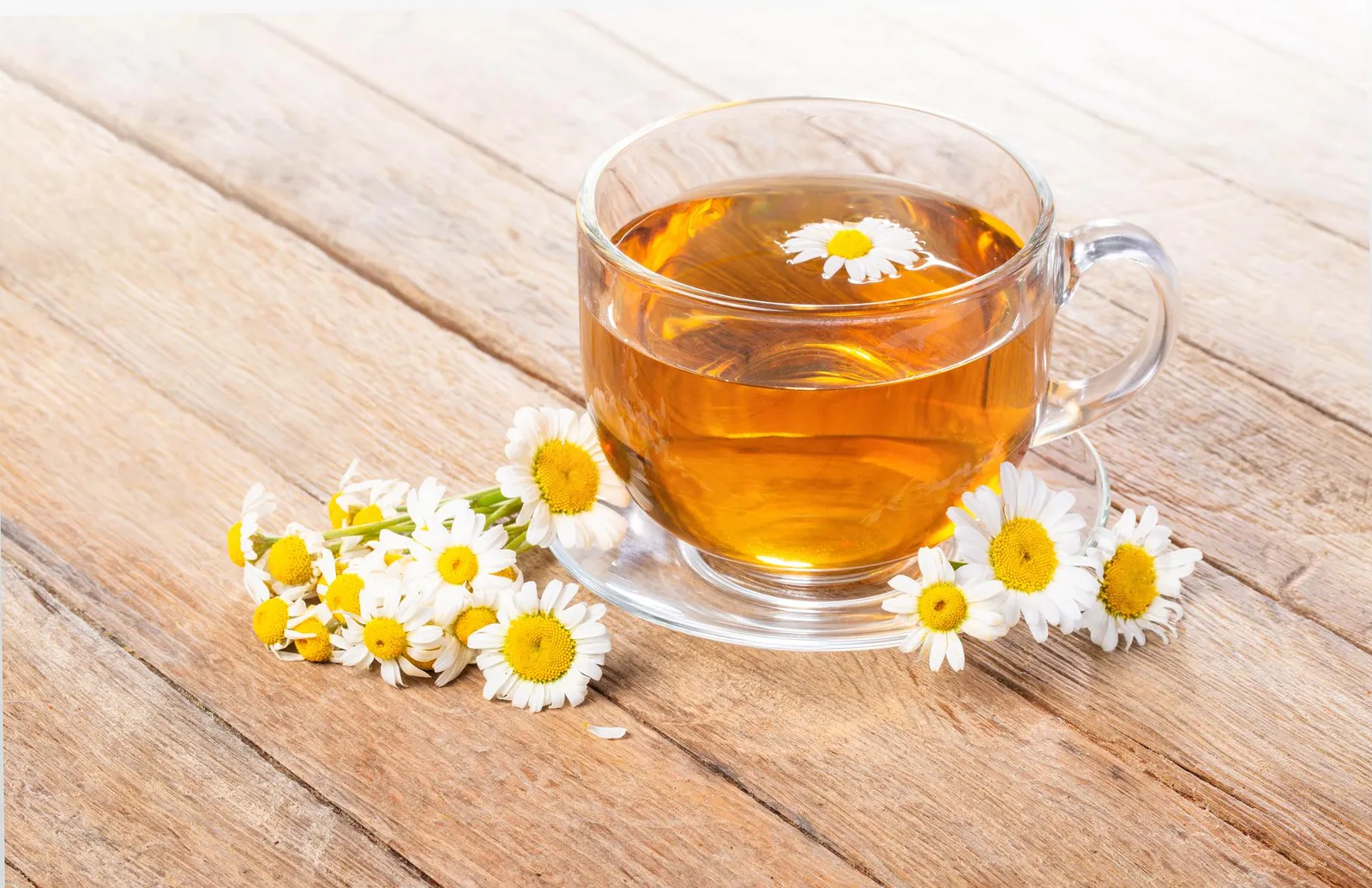
If you want something warm in the evening, consider a herbal option. For ideas on teas that offer health benefits without caffeine, this guide to the best teas for immunity has some useful suggestions.
How Many Cups Per Day Is Ideal?
Most research points to 2–3 cups a day as the range where benefits are meaningful without the risk of side effects. Beyond four or five cups, you're looking at potential issues — excess caffeine, possible interference with iron and calcium absorption, and in rare cases, liver strain from very high doses of concentrated green tea extract (supplements, not brewed tea).
Two to three well-timed cups is genuinely enough. More is not better here.
Does It Matter How You Make the Tea?
It really does. A few practical tips:
- Water temperature: Don't use boiling water — it degrades catechins and makes the tea bitter. Aim for around 75–85°C (let boiled water sit for 2–3 minutes before pouring).
- Steeping time: 2–3 minutes is plenty. Over-steeping makes it more bitter and can increase tannin content, which further inhibits iron absorption.
- No milk: Adding dairy milk reduces the bioavailability of catechins. If you want to add something, a small squeeze of lemon actually helps — vitamin C improves EGCG absorption.
- No sugar: Obvious, perhaps, but worth saying. A teaspoon of sugar doesn't undo the tea, but it adds up if you're having multiple cups a day.
Can Green Tea Replace Other Healthy Habits?
No — and this is worth saying plainly. Green tea works best as part of a broader approach to weight management. Pairing it with a diet that's high in protein, fibre, and whole foods makes a far bigger difference than the tea alone.
If you're already paying attention to what you eat — watching out for hidden sugars in packaged foods, getting enough protein for your needs — then green tea can complement that work nicely. It's one piece of a larger picture.
For those also exploring other weight-friendly foods, makhana and its evidence-based weight loss benefits is another genuinely useful read.
Latest Articles
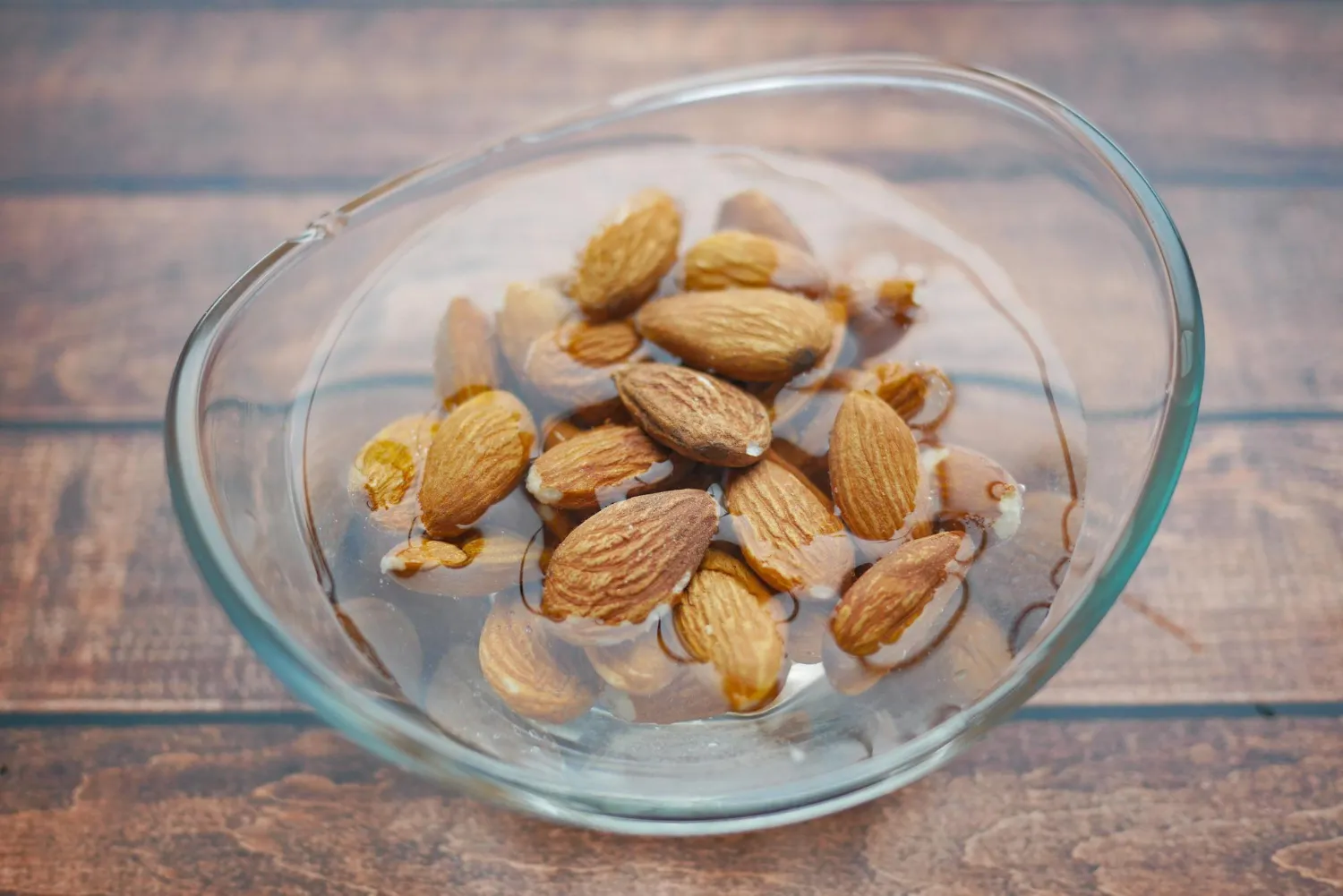
How to Eat Soaked Almonds Daily for Best Results
Soaked almonds pack more nutrition than raw ones. Here's exactly how to eat them daily — the right time, quantity, and simple habits that actually work.
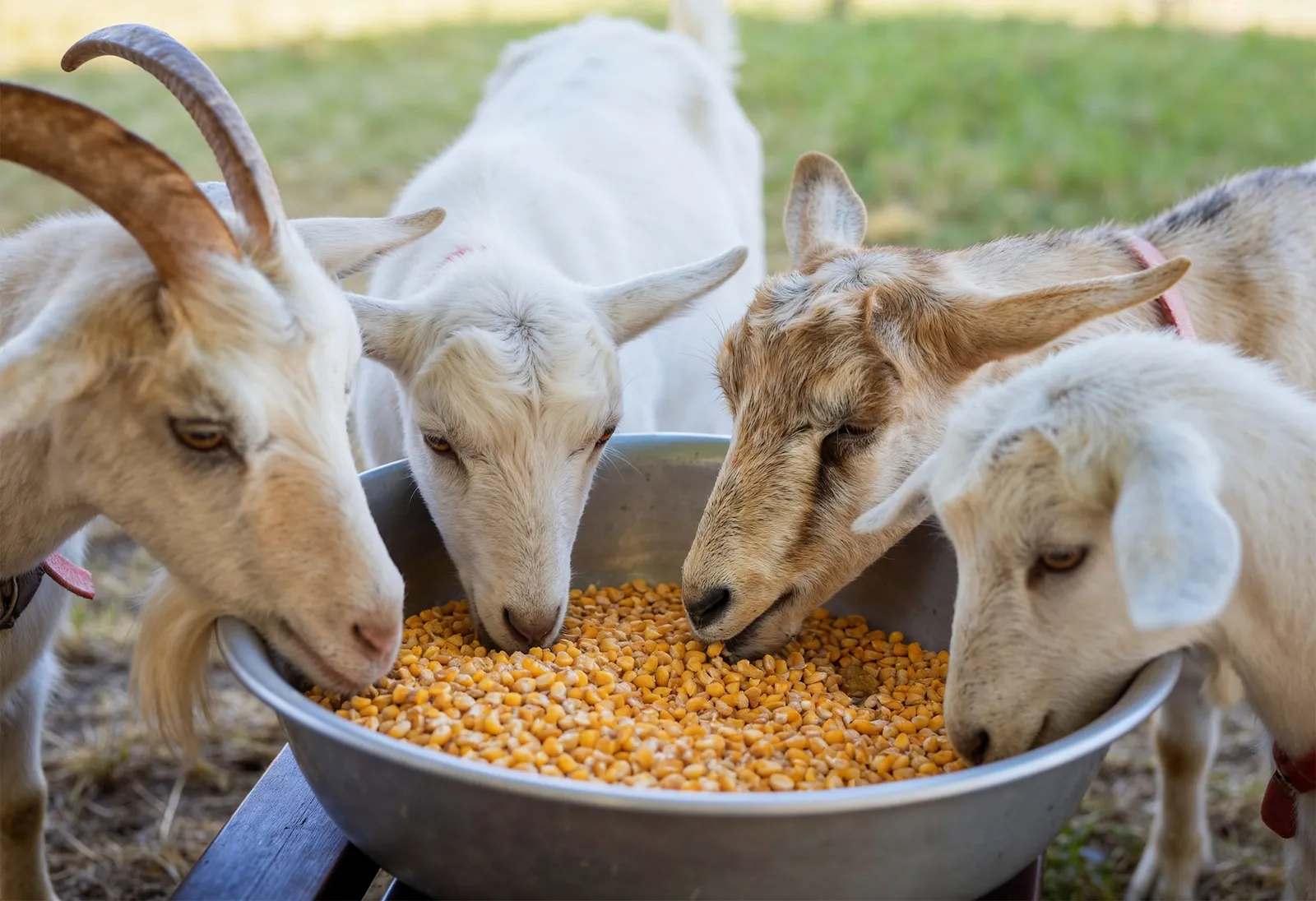
How to Feed Goats During Monsoon Season
Monsoon changes everything for goat farmers. Learn exactly what to feed your goats during the rainy season to keep them healthy, productive, and disease-free.

Best Feed for Goats in Summer Heat
Struggling to keep your goats healthy in hot weather? Discover the best summer feed for goats to maintain weight, milk, and energy when temperatures soar.
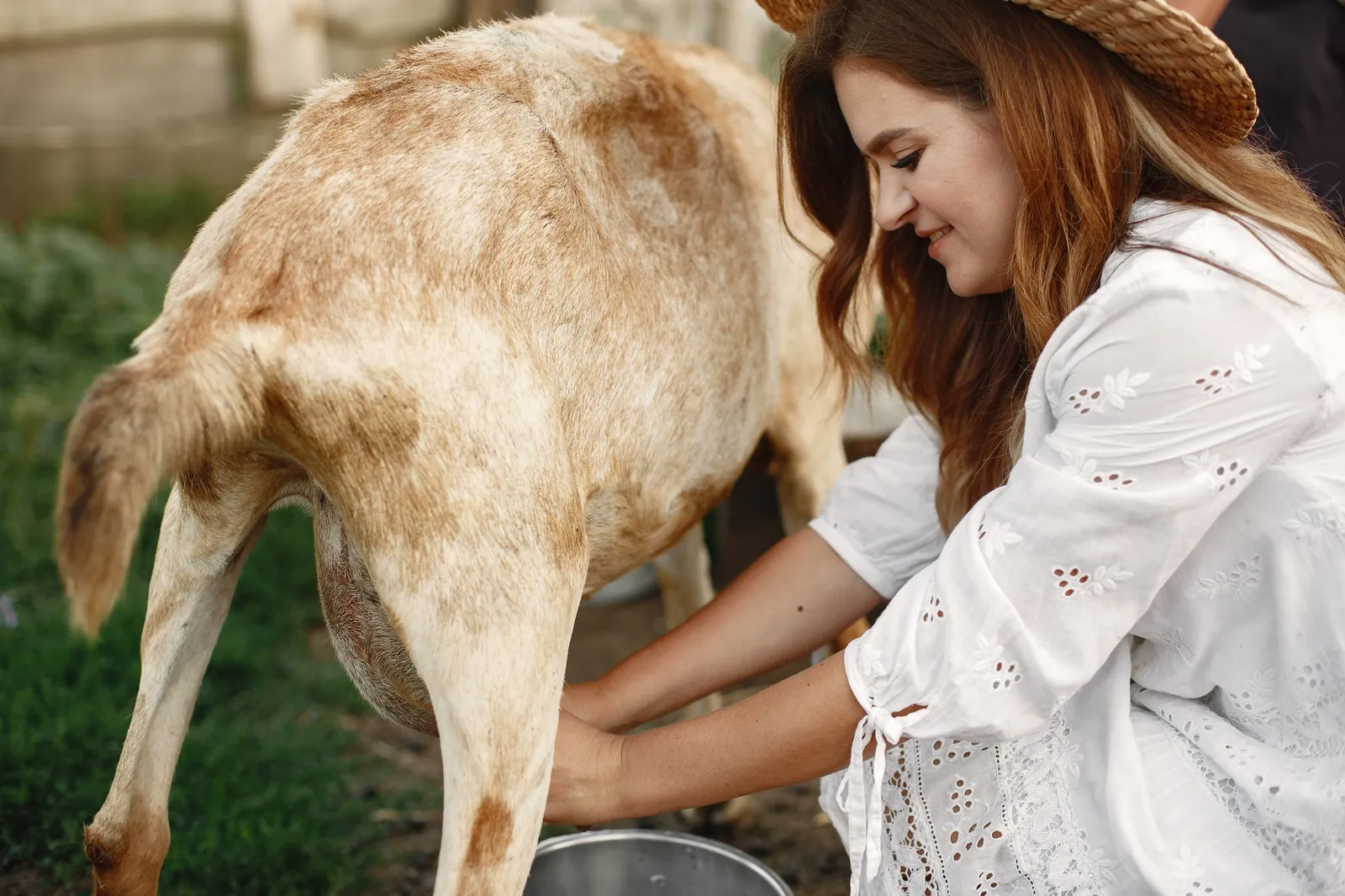
Goat Milk for Lactose Intolerance: Does It Help?
Think goat milk is lactose-free? It's not — but it may still be easier to digest. Here's what the science actually says about goat milk and lactose intolerance.
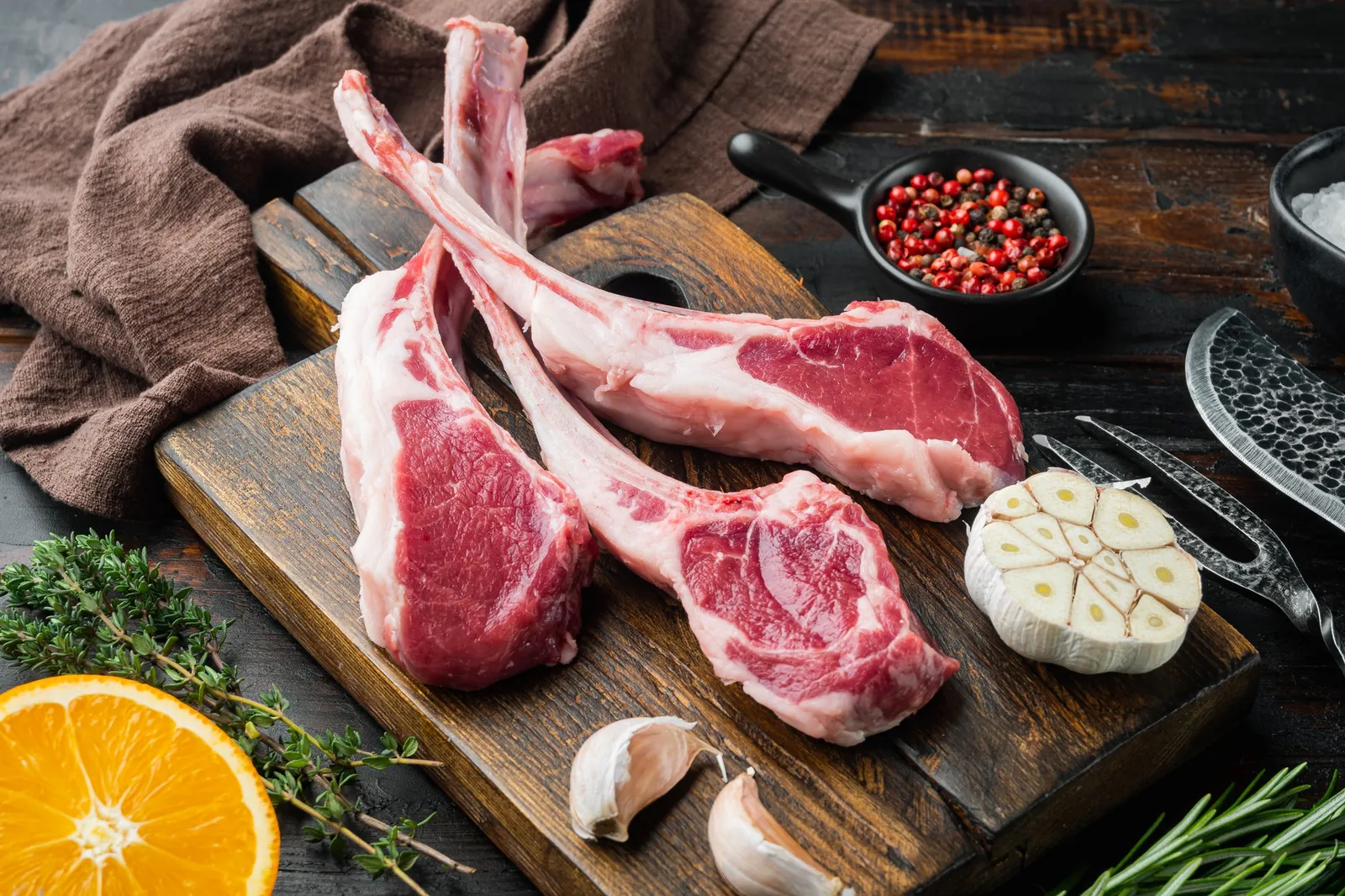
Is Goat Meat Good for Weight Loss?
Wondering if goat meat fits into a weight loss diet? Here's what its nutrition profile really means for your goals — no fluff, just facts.
Goat Milk vs Cow Milk: Which Is Better for You?
Goat milk vs cow milk — which should you choose? Compare nutrition, digestion, taste, and health benefits to find the best fit for your diet.
Frequently Asked Questions
⚕️ Medical Disclaimer
This article is for informational and educational purposes only and is not a substitute for professional medical advice, diagnosis, or treatment. Always consult a qualified healthcare provider with any questions about a medical condition. Read full disclaimer.
Editorial note: This article was researched and written with the assistance of AI tools and reviewed by the Nutrikoo editorial team for accuracy and clarity. It is for general information only and is not medical advice. See our editorial policy.
Get healthy tips in your inbox
Join the Nutrikoo newsletter for science-backed nutrition, recipes and wellness — no spam, unsubscribe anytime.