
Makhana Benefits for Weight Loss: The Full Truth

By A Reza, Health & Nutrition Writer
10 June 2026 · 6 min read · 2 views
Think makhana is just a fasting food? Discover the real science behind makhana benefits for weight loss and how to eat it smartly every day.
Makhana Benefits for Weight Loss: The Full Truth
Here's a myth worth busting right at the start: makhana (Euryale ferox) is just a religious fasting food — bland, boring, and something your grandmother eats on Navratri.
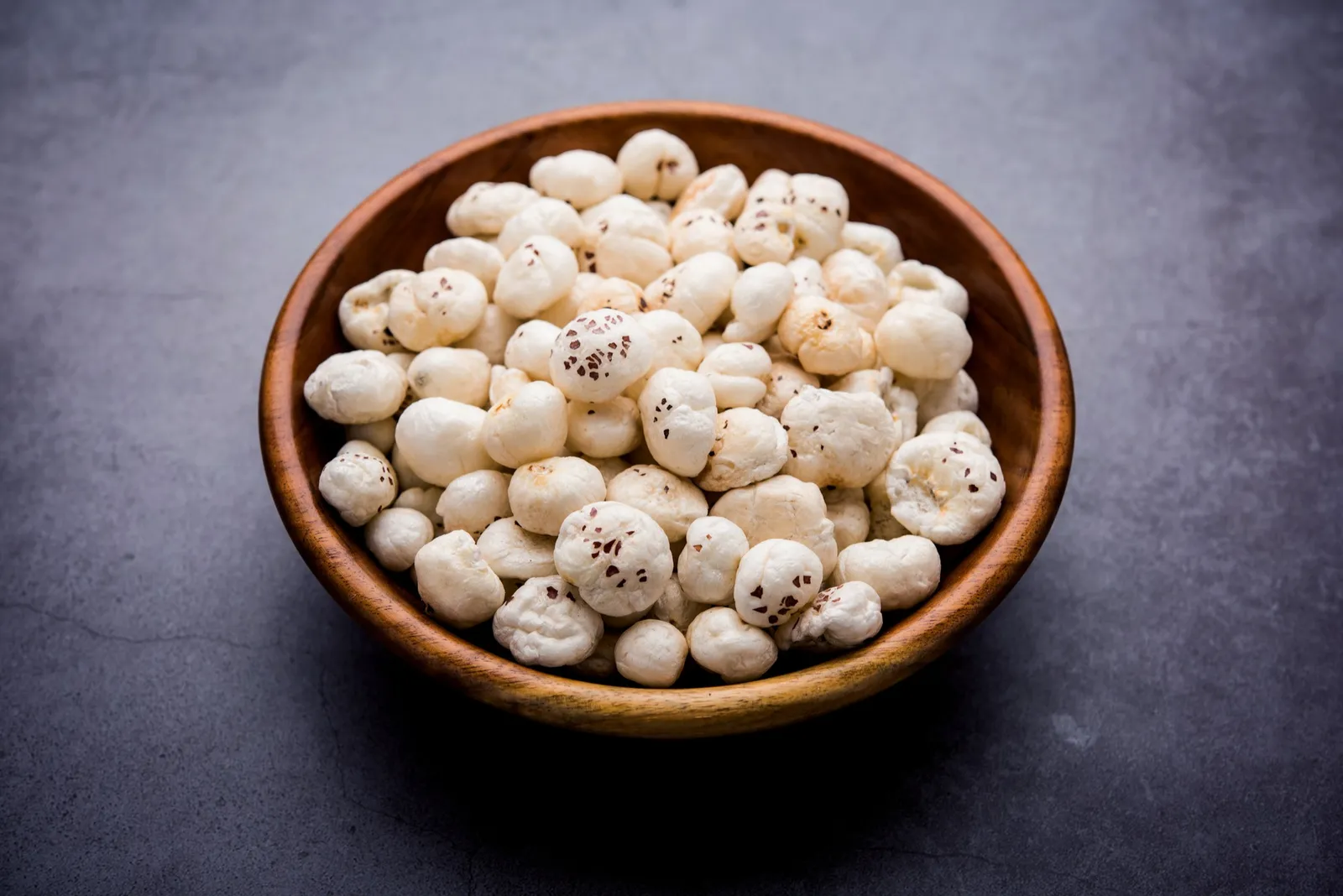
Not quite. Nutrition researchers and dietitians have been quietly paying attention to these little white puffs for good reason. Makhana, also called fox nuts or lotus seeds, is one of the most underrated weight-loss-friendly snacks available in any Indian grocery store. And unlike many trendy "superfoods" that cost a fortune and taste like cardboard, these are genuinely delicious when prepared right.
Let's get into what the evidence actually says.
The "Fasting Food" Misconception
Makhana's reputation as a vrat (fasting) staple has, ironically, kept many everyday eaters from treating it as a serious dietary option. People assume it's a special-occasion food — not something to snack on during a Tuesday afternoon work slump.
But if you look at its nutritional profile, you'll wonder why it hasn't always been a daily staple. A 30-gram serving of plain roasted makhana contains roughly 100-110 calories, about 3-4 grams of protein, minimal fat, and a decent amount of complex carbohydrates. It's also naturally gluten-free, making it accessible to a wide range of people.
Why Makhana Actually Supports Weight Loss
It Keeps You Full Without Loading Up Calories
One of the trickiest parts of managing weight is finding snacks that satisfy hunger without quietly adding hundreds of calories to your day. Makhana does this well. Its combination of complex carbs, a little protein, and low fat means it digests steadily — you don't get that blood sugar spike and crash that leaves you rummaging through the kitchen 45 minutes later.
Compare this to something like a packet of namkeen or biscuits. You might eat double the calories and still feel hungry. With a bowl of roasted makhana, most people find a 25-30 gram handful genuinely holds them over.
If you're curious how other seeds stack up in the satiety department, it's worth reading about chia seeds for weight loss — another underrated option with a different but complementary nutritional profile.
Low Glycemic Index — A Quiet Advantage
Makhana has a relatively low glycemic index. This means it raises blood sugar slowly and gently, rather than in a sharp spike. For weight management, this matters: steadier blood sugar generally means fewer intense cravings and better appetite control throughout the day.
This also makes makhana a sensible snack choice for people managing insulin resistance or prediabetes — though it's always worth discussing specific dietary choices with a doctor if you have an existing condition.
Surprisingly Light on Calories for Its Volume
Volume eating is a real concept. Eating foods that take up space in your stomach without piling on calories helps reduce overall intake without leaving you feeling deprived. Makhana is puffed and airy by nature — a generous bowl looks like a lot of food and takes time to eat, but the calorie count stays modest.
By contrast, a similar-looking bowl of roasted cashews or peanuts would contain two to three times the calories. That's not a knock on nuts — almonds and certain other nuts have their own excellent benefits — but for pure snacking volume, makhana wins.
A Decent Protein Punch for a Seed
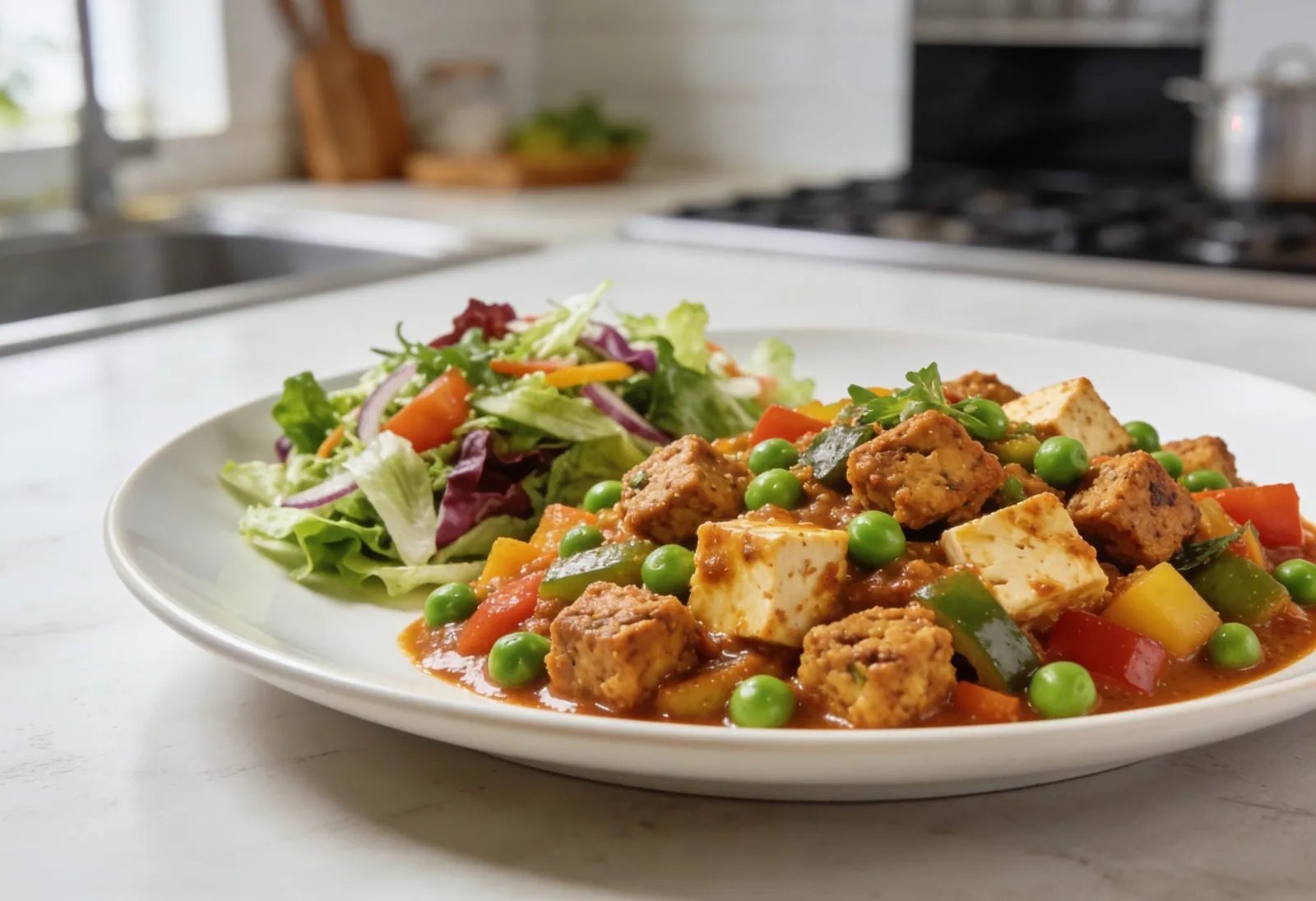
Makhana isn't a protein powerhouse in the way paneer or lentils are, but for a snack food, its protein content is respectable. Protein is the macronutrient most strongly linked to satiety and muscle preservation during weight loss. Getting small amounts from multiple sources throughout the day adds up.
If you're trying to understand how much total protein your diet needs, this breakdown on daily protein requirements for Indians gives a useful practical baseline.
What's Actually Inside Makhana
Beyond the calorie math, makhana brings a few other nutritional credentials worth knowing:
- Magnesium — supports muscle function and sleep, both of which affect weight regulation indirectly
- Potassium — helps manage fluid balance and blood pressure
- Antioxidants — including kaempferol, a flavonoid studied for its anti-inflammatory properties
- Low sodium (when eaten plain or lightly seasoned) — important if you're watching water retention
It's also low in saturated fat, which puts it in a different category from many popular fried snacks.
How to Eat Makhana for Best Results
Roasting is the most common and arguably the best method. Heat a dry pan on low to medium flame, toss in the makhana, and stir constantly for 8-10 minutes until they turn crisp. A small amount of ghee, a pinch of black pepper, and rock salt is the classic preparation — and it's genuinely hard to stop at one bowl.
A few practical ideas:
- Midday snack: A small bowl (about 25-30g) between lunch and dinner when afternoon cravings hit hardest
- Post-workout: Pairs well with a cup of buttermilk for a light recovery snack
- Evening munchies replacement: Swap your usual chips or biscuits for spiced roasted makhana — you'll likely eat less overall without trying
- Meal prep: Roast a big batch on Sunday, store in an airtight container, and you have a week's worth of grab-and-go snacks. If you meal prep your lunches too, this Indian meal prep guide might make the whole week easier.
How Much Is Enough?
A reasonable daily serving is 30-40 grams — roughly one to two small handfuls. More than that, especially if you add flavoured coatings or excess oil, starts eating into the caloric advantage. Plain or lightly seasoned is always the smarter choice.
The Honest Caveats
Makhana is not a weight loss shortcut. Eating a bowl every day while the rest of your diet is chaotic won't produce results. What it can do is replace worse snack choices, keep hunger more manageable, and slot neatly into a balanced eating pattern.
Also worth noting: packaged "flavoured makhana" products are everywhere now, and some of them contain significant added salt, sugar, or seed oils. Always check the label. The stuff in Indian packaged foods is often sneakier than it looks.
Latest Articles
How to Eat Soaked Almonds Daily for Best Results
Soaked almonds pack more nutrition than raw ones. Here's exactly how to eat them daily — the right time, quantity, and simple habits that actually work.

How to Feed Goats During Monsoon Season
Monsoon changes everything for goat farmers. Learn exactly what to feed your goats during the rainy season to keep them healthy, productive, and disease-free.

Best Feed for Goats in Summer Heat
Struggling to keep your goats healthy in hot weather? Discover the best summer feed for goats to maintain weight, milk, and energy when temperatures soar.

Goat Milk for Lactose Intolerance: Does It Help?
Think goat milk is lactose-free? It's not — but it may still be easier to digest. Here's what the science actually says about goat milk and lactose intolerance.
Is Goat Meat Good for Weight Loss?
Wondering if goat meat fits into a weight loss diet? Here's what its nutrition profile really means for your goals — no fluff, just facts.

Goat Milk vs Cow Milk: Which Is Better for You?
Goat milk vs cow milk — which should you choose? Compare nutrition, digestion, taste, and health benefits to find the best fit for your diet.
Frequently Asked Questions
⚕️ Medical Disclaimer
This article is for informational and educational purposes only and is not a substitute for professional medical advice, diagnosis, or treatment. Always consult a qualified healthcare provider with any questions about a medical condition. Read full disclaimer.
Editorial note: This article was researched and written with the assistance of AI tools and reviewed by the Nutrikoo editorial team for accuracy and clarity. It is for general information only and is not medical advice. See our editorial policy.
Get healthy tips in your inbox
Join the Nutrikoo newsletter for science-backed nutrition, recipes and wellness — no spam, unsubscribe anytime.