
How to Reduce Anxiety with Diet: What Science Says

By A Reza, Health & Nutrition Writer
12 June 2026 · 6 min read · 0 views

Can eating the right foods actually calm anxiety? We separate science from myth and share practical diet changes that genuinely support a calmer mind.
How to Reduce Anxiety with Diet: What Science Says
You've probably heard that you should "eat well" to feel well. But when anxiety is sitting on your chest like a heavy stone, the idea that a bowl of oats or a handful of walnuts could help — it sounds almost too simple, right? Maybe even a little dismissive.
The truth is somewhere in the middle. Diet is not a cure for anxiety disorders. But the connection between what you eat and how anxious you feel is more real, and more specific, than most people realise. Let's separate what the research actually supports from what's just wellness folklore.
The Gut-Brain Connection: More Than a Buzzword
Here's a belief that's been gaining traction: "fix your gut, fix your anxiety." It's partly right — but the full picture is more nuanced.
Your gut and brain are in constant conversation via the vagus nerve and a network of chemical signals. About 90% of your body's serotonin — a neurotransmitter that influences mood — is produced in the gut, not the brain. So the health of your digestive system genuinely does affect your mental state.
What science supports: eating a diet rich in fibre, fermented foods, and diverse plant foods helps maintain a balanced gut microbiome, which in turn supports steadier mood regulation. Fermented foods like yoghurt (dahi), idli, kanji, and kimchi introduce beneficial bacteria that may help reduce stress-related inflammation.
What's overstated: swallowing a probiotic supplement and expecting your anxiety to vanish isn't realistic. The research on specific probiotic strains for anxiety is still early-stage and inconsistent.
Blood Sugar Swings Are a Surprisingly Big Deal
Common belief says anxiety is "all in your head." But your blood chemistry plays a real role.
When blood sugar crashes — after skipping meals, eating too much refined sugar, or loading up on ultra-processed snacks — your body releases cortisol and adrenaline to compensate. These are the same stress hormones that fuel anxiety. Many people notice they feel inexplicably jittery, irritable, or on-edge a couple of hours after a sugary snack or a skipped lunch. That's not a coincidence.
Eating regular meals that combine complex carbohydrates (brown rice, oats, whole wheat roti), protein, and healthy fats keeps blood sugar stable — and that stability genuinely supports a calmer baseline.
This is one of the most underrated, practical things you can do. Not glamorous, but it works.
Nutrients That Actually Have Evidence Behind Them
Magnesium
Magnesium is involved in over 300 enzymatic reactions in the body, including ones that regulate the nervous system. A genuine deficiency — which is surprisingly common — is associated with increased anxiety and poor sleep. Foods rich in magnesium include dark leafy greens, pumpkin seeds, almonds, bananas, and legumes.
You can read more about whether supplementation makes sense in our deep-dive on magnesium for anxiety.
Omega-3 Fatty Acids
Multiple studies suggest that omega-3s, found in fatty fish (salmon, mackerel, sardines), flaxseeds, and walnuts, have anti-inflammatory effects that may reduce anxiety symptoms — particularly in people with existing deficiencies. They're not a quick fix, but a diet chronically low in omega-3s is genuinely associated with poorer mental health outcomes.
B Vitamins
Vitamins B6, B9 (folate), and B12 support the synthesis of serotonin and dopamine. Low B12 is particularly common among vegetarians and vegans, and fatigue and low mood are among the first signs. Good sources include eggs, dairy, legumes (for folate), and fortified foods.
Zinc
Less talked about, but zinc plays a role in regulating glutamate and GABA — neurotransmitters involved in anxiety. Pumpkin seeds, chickpeas, and whole grains are decent plant-based sources.
The Foods Worth Being Cautious About
Caffeine
This one isn't folklore. Caffeine directly stimulates the nervous system and raises cortisol. For people already prone to anxiety, too much caffeine — whether from chai, coffee, or energy drinks — can make symptoms noticeably worse. This doesn't mean you must give it up entirely, but if anxiety is a problem for you, it's worth paying attention to how much you're having and when.
Ultra-Processed Foods
Diets high in refined flour, seed oils, additives, and added sugars are consistently associated with worse mental health outcomes in large population studies. The mechanism likely involves inflammation, blood sugar instability, and gut microbiome disruption — all of which circle back to anxiety.
Alcohol
Often used as a stress reliever, alcohol actually disrupts sleep architecture and depletes several B vitamins. The temporary calm it provides typically comes with a rebound effect that can worsen anxiety the next day.
What About Specific "Calm" Foods?
Some foods come with genuine, evidence-backed calming properties — though they're support tools, not treatments.
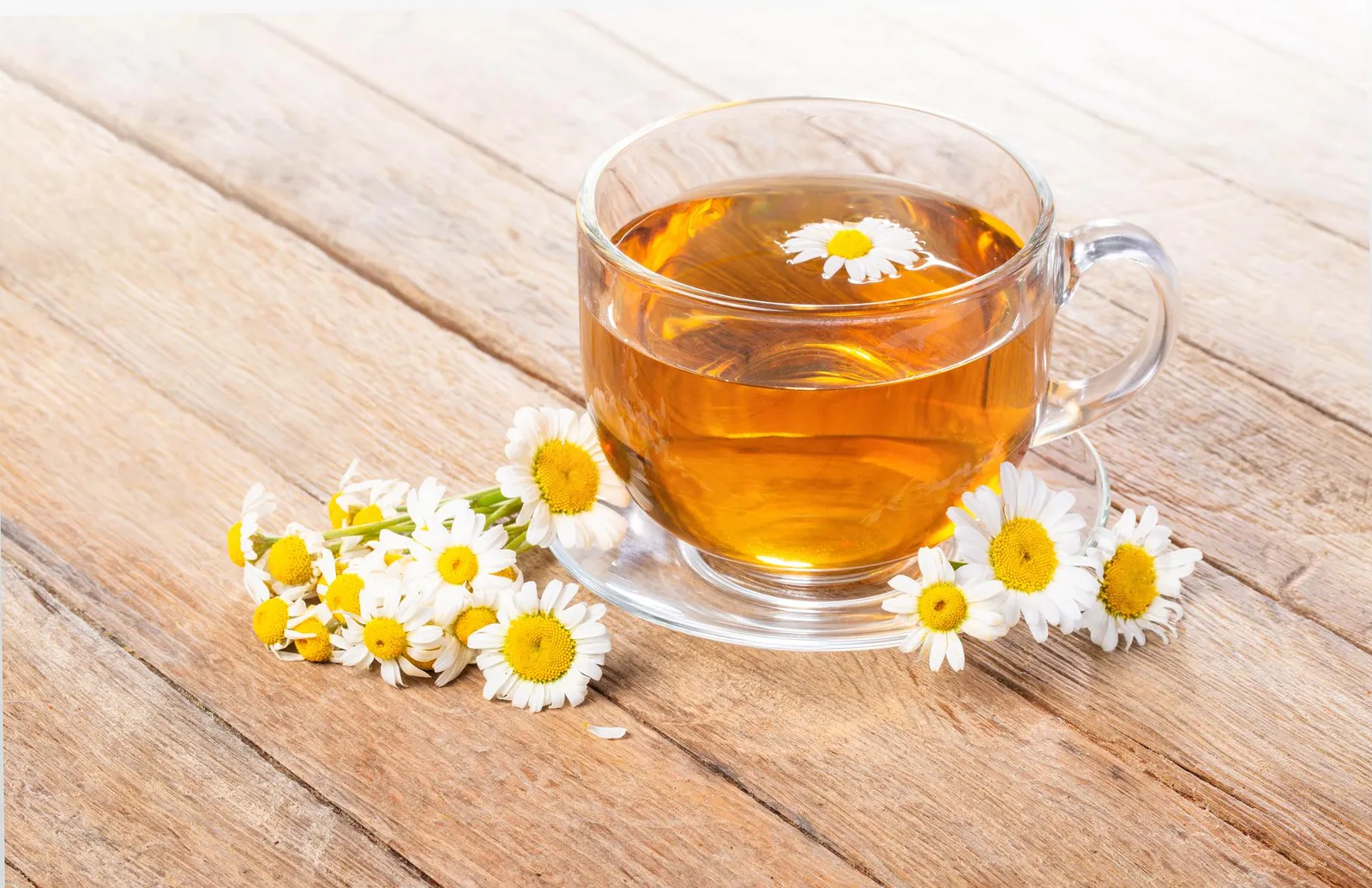
Chamomile (Matricaria chamomilla): Research does support mild anxiolytic effects. Our article on chamomile tea for stress relief goes into the evidence honestly.
Ashwagandha (Withania somnifera): One of the more studied adaptogens. Some well-designed trials show it can reduce cortisol and self-reported anxiety. Worth reading about carefully — see Is Ashwagandha Good for Stress?
Dark chocolate (Theobroma cacao): Contains flavonoids that may reduce cortisol and affect mood. The effect is modest but real. A small square isn't going to transform your anxiety levels, but it's not just wishful thinking either.
Herbal teas: Tulsi, passionflower, lemon balm — these have varying levels of support. Our herbal tea for stress and anxiety relief article covers what's worth trying.
A Practical Way to Think About It
Rather than chasing individual "superfoods," think about the overall pattern. The traditional Indian diet — with its dals, vegetables, fermented foods, spices, and whole grains — already maps closely onto what research supports for mental wellbeing. The problem isn't usually the food culture; it's the modern additions: excess refined carbs, packaged snacks, irregular meal timing, and not enough sleep.
Small, consistent shifts matter more than dramatic overhauls. Eating regularly, staying well-hydrated, including enough protein, and keeping ultra-processed food to a minimum will do more for anxiety than any single supplement or trending wellness drink.
If you're looking for a focused starting point, the best foods to eat when stressed is a good practical companion to this piece.
Latest Articles
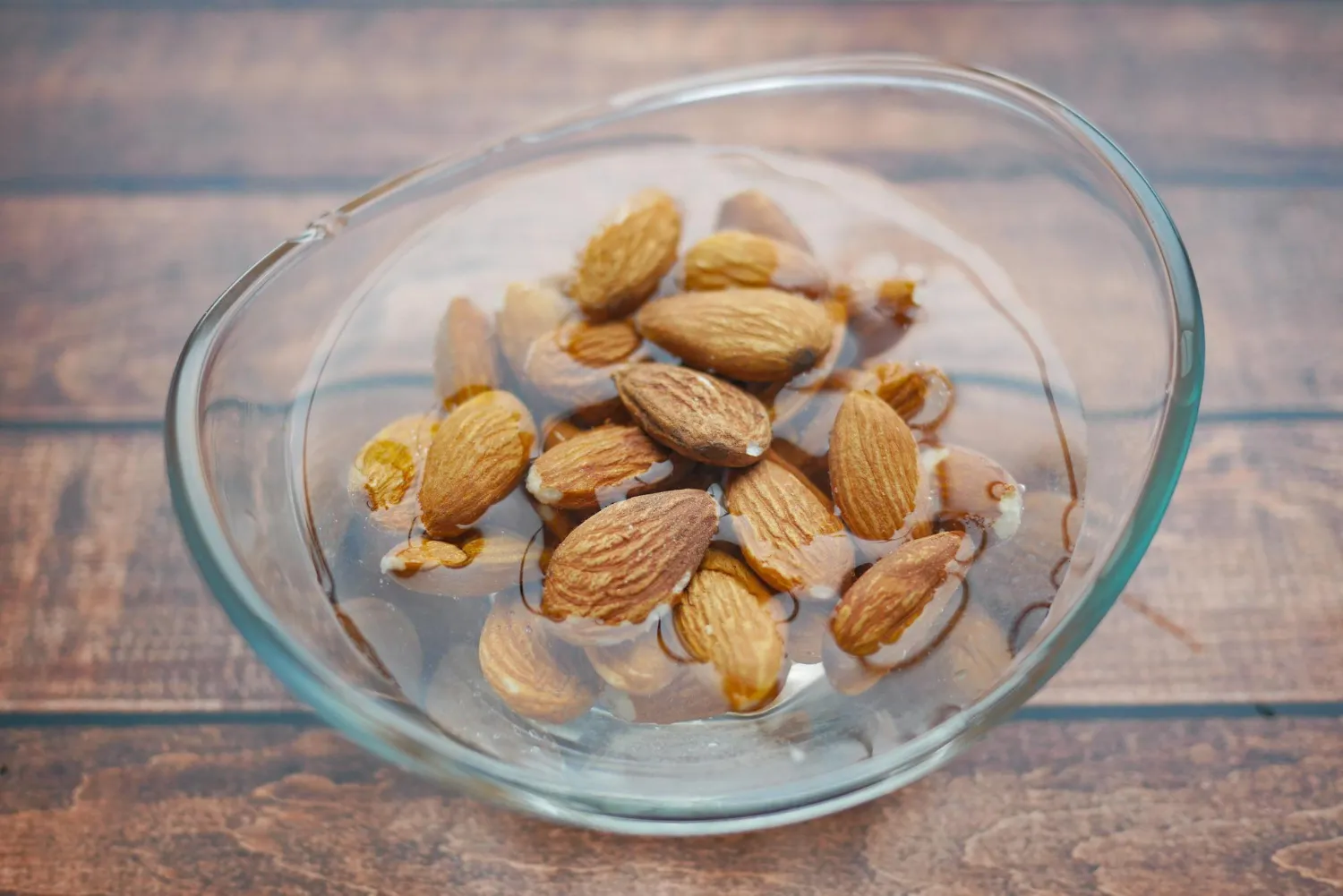
How to Eat Soaked Almonds Daily for Best Results
Soaked almonds pack more nutrition than raw ones. Here's exactly how to eat them daily — the right time, quantity, and simple habits that actually work.

How to Feed Goats During Monsoon Season
Monsoon changes everything for goat farmers. Learn exactly what to feed your goats during the rainy season to keep them healthy, productive, and disease-free.

Best Feed for Goats in Summer Heat
Struggling to keep your goats healthy in hot weather? Discover the best summer feed for goats to maintain weight, milk, and energy when temperatures soar.

Goat Milk for Lactose Intolerance: Does It Help?
Think goat milk is lactose-free? It's not — but it may still be easier to digest. Here's what the science actually says about goat milk and lactose intolerance.
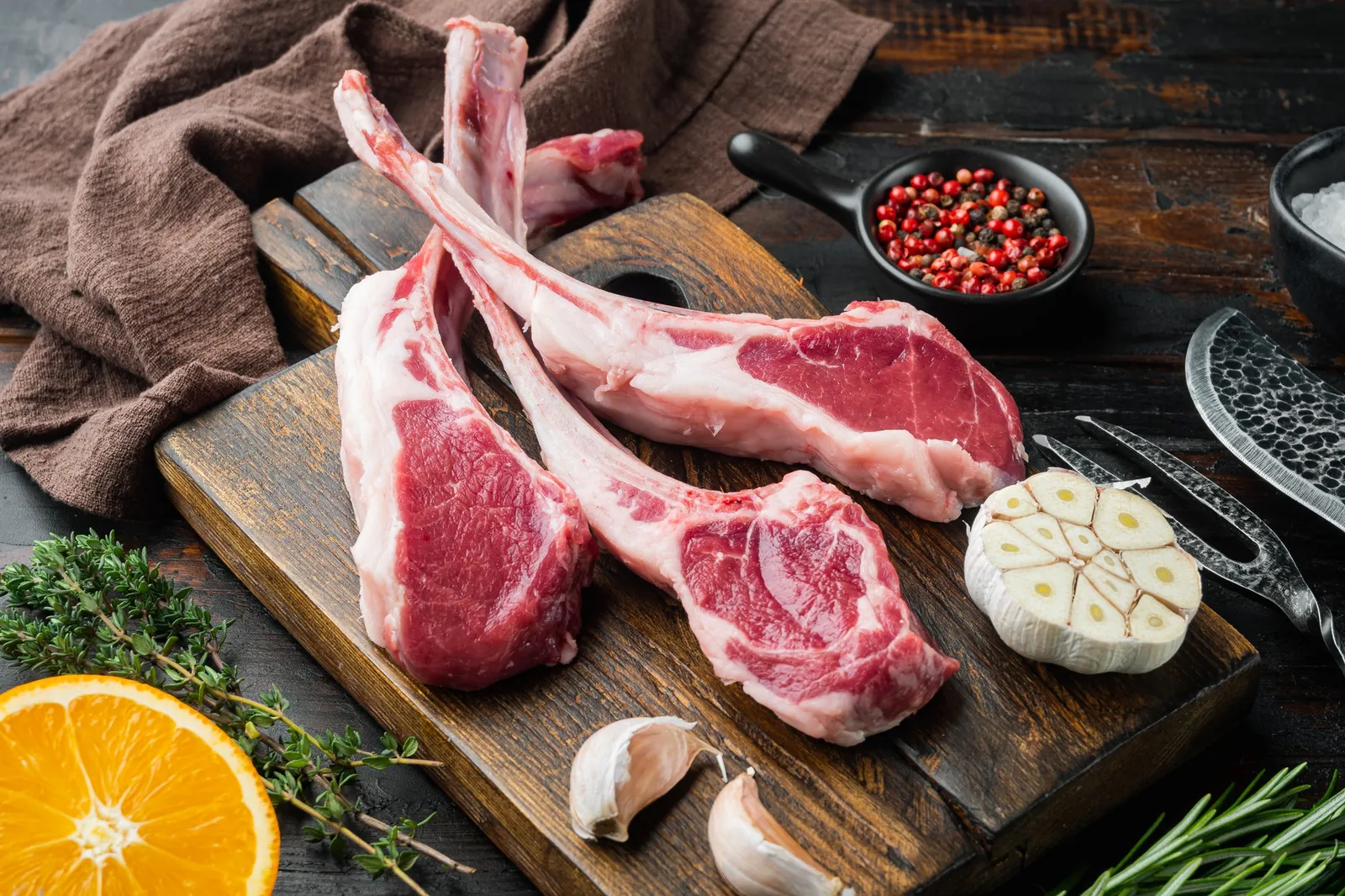
Is Goat Meat Good for Weight Loss?
Wondering if goat meat fits into a weight loss diet? Here's what its nutrition profile really means for your goals — no fluff, just facts.
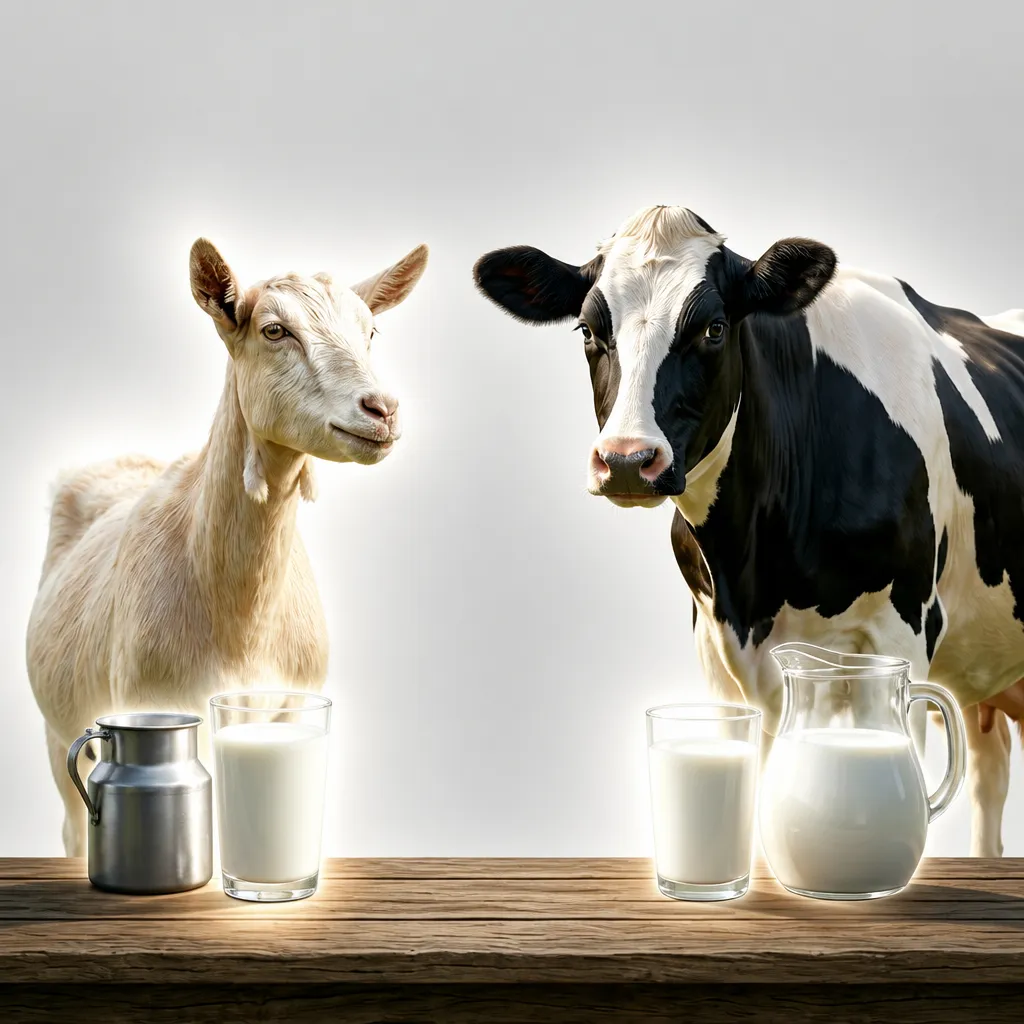
Goat Milk vs Cow Milk: Which Is Better for You?
Goat milk vs cow milk — which should you choose? Compare nutrition, digestion, taste, and health benefits to find the best fit for your diet.
Frequently Asked Questions
⚕️ Medical Disclaimer
This article is for informational and educational purposes only and is not a substitute for professional medical advice, diagnosis, or treatment. Always consult a qualified healthcare provider with any questions about a medical condition. Read full disclaimer.
Get healthy tips in your inbox
Join the Nutrikoo newsletter for science-backed nutrition, recipes and wellness — no spam, unsubscribe anytime.