

Tulsi Tea Benefits for Immunity: What to Know

By A Reza, Health & Nutrition Writer
11 June 2026 · 7 min read · 0 views
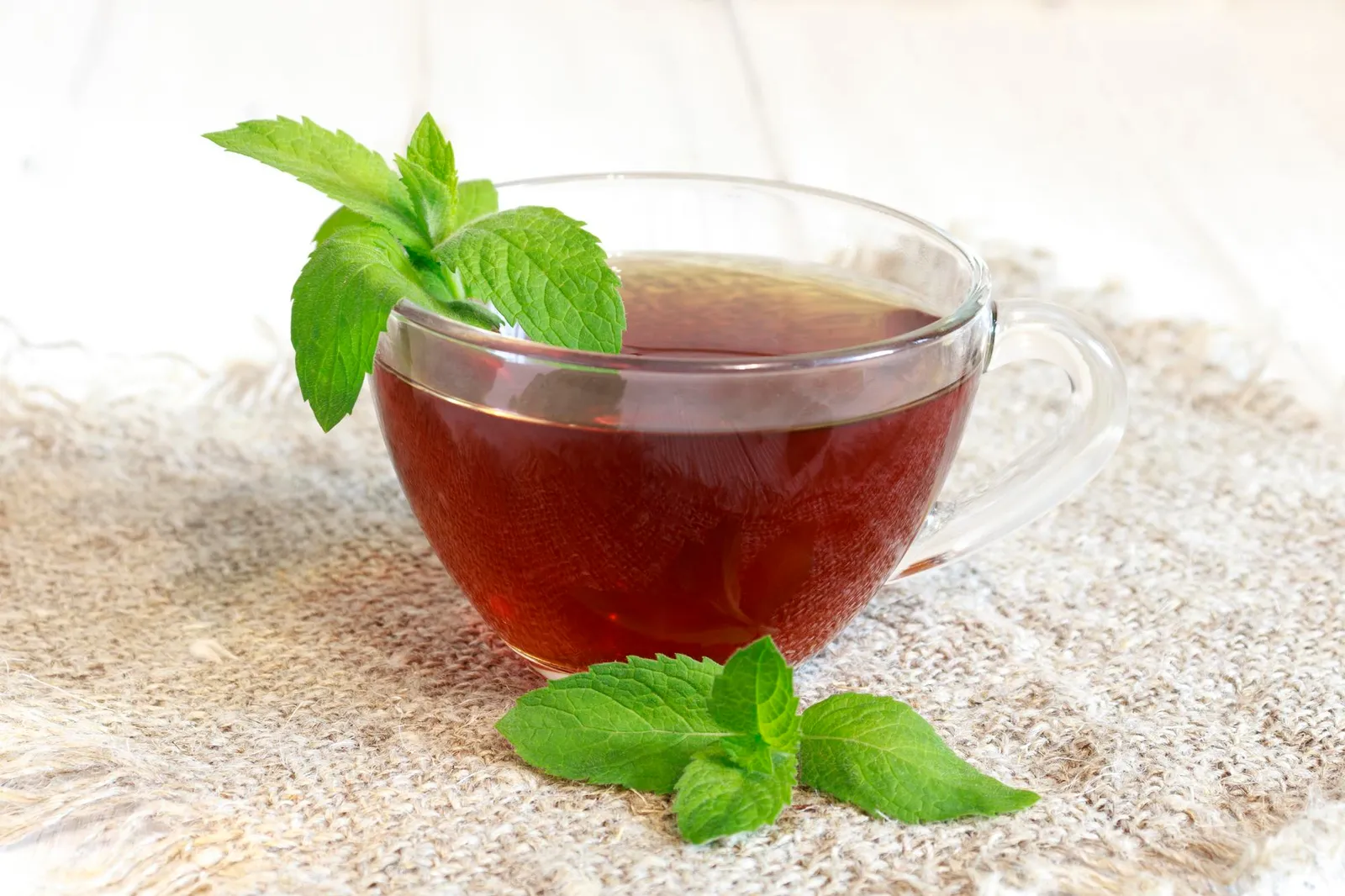
Tulsi tea may be one of the best herbal drinks for your immune system. Here's what it actually does, how to make it, and when to drink it.
Tulsi Tea Benefits for Immunity: What to Know
You wake up with a scratchy throat. Your head feels heavy, the season is changing, and half your office is already down with a cold. Your first instinct is probably to reach for something warm — and if that something is a cup of tulsi tea, you might be doing your body a quiet favour.
Tulsi has been used in Indian households for centuries, not just as a sacred plant but as a go-to remedy for everything from a runny nose to a stressful day. The science behind it is catching up to what grandmothers have known for generations. Here's a clear-eyed look at what tulsi tea actually does for your immunity, how to get the most from it, and a few honest caveats along the way.
What Makes Tulsi Special?
Tulsi, or holy basil (Ocimum tenuiflorum), is classified in Ayurveda as a rasayana — a herb that supports overall vitality and resilience. It belongs to the same family as regular basil, but it's a different plant with a distinct, slightly clove-like aroma and a notably richer phytochemical profile.
The key compounds responsible for its health effects include:
- Eugenol — a natural anti-inflammatory and antimicrobial agent
- Rosmarinic acid — a potent antioxidant
- Ursolic acid — studied for its anti-inflammatory and immune-modulating properties
- Flavonoids like orientin and vicenin — which help neutralise free radicals
Together, these compounds give tulsi its reputation as an adaptogen — a substance that helps the body manage physical and mental stress, both of which can quietly erode immune function over time.
How Tulsi Tea Supports Your Immune System
It Helps Calm Chronic Inflammation
Low-grade, chronic inflammation is one of the main reasons people feel run-down and catch infections more easily. Eugenol and other compounds in tulsi have been shown in research to suppress inflammatory pathways, similar in mechanism (though milder in effect) to some anti-inflammatory medications. Drinking tulsi tea regularly gives your body a gentle, consistent nudge in that direction.
It Acts as an Adaptogen Against Stress
Here's something that often gets overlooked: chronic stress directly suppresses immune function. Elevated cortisol reduces the activity of immune cells that fight off bacteria and viruses. Tulsi has been studied as an adaptogen that helps moderate the stress response — meaning it may indirectly protect your immunity by keeping your cortisol levels steadier. If you're looking at the broader picture of herbal teas for mental load, our article on herbal tea for stress and anxiety relief covers this well.
It Has Antimicrobial Properties
Tulsi extracts have shown activity against a range of bacteria and viruses in laboratory studies. This doesn't mean drinking tulsi tea cures infections — but the antimicrobial compounds may help reduce pathogen load in the throat and upper respiratory tract, which is exactly where most seasonal infections take hold. It's a reasonable first line of support, not a treatment.
It Supplies Antioxidants That Protect Immune Cells
Your immune cells need to stay healthy themselves. Oxidative stress — caused by an excess of free radicals — can damage these cells and make your immune response sluggish. The antioxidants in tulsi mop up free radicals and help keep your immune machinery in good working order.
It Supports Respiratory Health
Tulsi has traditionally been used for coughs, colds, and congestion. Modern research suggests it may help by reducing mucus production, relaxing bronchial muscles, and easing airway inflammation. A warm cup during a cold or at the onset of monsoon season is genuinely practical, not just comforting. On that note, if you're thinking about immunity during the rainy season, best tea for immunity during monsoon is worth a read too.
How to Make a Good Cup of Tulsi Tea
This is simpler than most people think. You don't need a fancy preparation.
With fresh leaves (most common in Indian homes):
- Bring 1.5 cups of water to a boil.
- Add 8–10 fresh tulsi leaves (washed).
- Simmer for 5 minutes on low heat.
- Strain, add a small squeeze of lemon or a thin slice of ginger if you like.
- Drink warm. No sugar needed — tulsi has a mild, pleasant flavour on its own.
With dried tulsi or teabags: Steep in hot water (not boiling) for 4–5 minutes. Dried tulsi still retains most of its active compounds.
Tulsi-ginger combination: Particularly useful during cold and cough season. The ginger adds its own anti-inflammatory benefits and makes the tea noticeably warming.
You can also pair tulsi with green tea — the antioxidant load goes up, and the flavour combination works. Curious how that stacks up? See how green tea vs black tea compare for health benefits generally.
When Is the Best Time to Drink Tulsi Tea?
Morning is a popular choice — an empty stomach allows the active compounds to absorb well. It's also a calmer ritual that sets a good tone before a hectic day.
Evening is another good option, particularly if you're using it for its adaptogenic, stress-calming properties. Unlike regular chai or green tea, tulsi tea is naturally caffeine-free, so it won't interfere with sleep.
How much? One to two cups a day is a reasonable amount for most healthy adults. More isn't necessarily better — like any bioactive herb, moderation makes sense.
One Thing to Keep in Mind: Iron Absorption
Tannins in herbal teas can sometimes bind to non-heme iron (the kind found in plant foods) and reduce its absorption. Tulsi tea has lower tannin levels than black tea, but if you're vegetarian or vegan and already monitoring iron levels, it's sensible not to drink it immediately after an iron-rich meal. For more on this topic, our piece on does drinking tea reduce iron absorption lays it out clearly.
Who Should Be a Bit Cautious?
Tulsi is safe for most people when consumed as a tea in normal amounts. That said:
- Pregnant women should consult a doctor before making it a daily habit — some studies suggest high doses of tulsi extracts may have uterine-stimulating properties.
- People on blood-thinning medications should be aware that eugenol can have mild anticoagulant effects.
- Those with thyroid conditions — some research suggests very high doses may affect thyroid hormone levels. One or two cups a day is unlikely to be a concern, but it's worth mentioning to your doctor.
Latest Articles
How to Eat Soaked Almonds Daily for Best Results
Soaked almonds pack more nutrition than raw ones. Here's exactly how to eat them daily — the right time, quantity, and simple habits that actually work.

How to Feed Goats During Monsoon Season
Monsoon changes everything for goat farmers. Learn exactly what to feed your goats during the rainy season to keep them healthy, productive, and disease-free.

Best Feed for Goats in Summer Heat
Struggling to keep your goats healthy in hot weather? Discover the best summer feed for goats to maintain weight, milk, and energy when temperatures soar.

Goat Milk for Lactose Intolerance: Does It Help?
Think goat milk is lactose-free? It's not — but it may still be easier to digest. Here's what the science actually says about goat milk and lactose intolerance.

Is Goat Meat Good for Weight Loss?
Wondering if goat meat fits into a weight loss diet? Here's what its nutrition profile really means for your goals — no fluff, just facts.

Goat Milk vs Cow Milk: Which Is Better for You?
Goat milk vs cow milk — which should you choose? Compare nutrition, digestion, taste, and health benefits to find the best fit for your diet.
Frequently Asked Questions
⚕️ Medical Disclaimer
This article is for informational and educational purposes only and is not a substitute for professional medical advice, diagnosis, or treatment. Always consult a qualified healthcare provider with any questions about a medical condition. Read full disclaimer.
Get healthy tips in your inbox
Join the Nutrikoo newsletter for science-backed nutrition, recipes and wellness — no spam, unsubscribe anytime.