
Does Tea Reduce Iron Absorption? What to Know

By A Reza, Health & Nutrition Writer
11 June 2026 · 7 min read · 0 views

Tea and iron don't always mix well. Here's exactly how tea affects iron absorption, who needs to be careful, and simple steps to protect your levels.
Your Morning Tea Habit Might Be Quietly Affecting Your Iron Levels
Most of us start the day with a cup of chai — and there's real comfort in that ritual. But if you've been dealing with fatigue, low ferritin, or an iron deficiency diagnosis, your tea habit is worth a closer look. Not to abandon it, but to understand it.
The short answer is yes, tea can reduce iron absorption, but the full picture is a lot more nuanced than "stop drinking tea." Let's walk through exactly what's happening, who actually needs to worry, and how to adjust your routine without giving up something you enjoy.
What's in Tea That Affects Iron?
The main culprits are tannins and polyphenols — compounds found naturally in tea leaves (Camellia sinensis). These are the same compounds that give black tea its astringency and green tea its slight bitterness. They're genuinely good for health in many ways, but they have one specific drawback: they bind to iron in your digestive tract and make it harder for your body to absorb it.
Think of it like this — tannins essentially grab onto iron molecules and escort them out before they can cross into your bloodstream. It's not dramatic, but it's consistent, especially if you're drinking tea with or right after meals.
Heme vs Non-Heme Iron: Why It Matters
Not all iron is affected equally. There are two types:
- Heme iron — found in meat, poultry, and seafood. Your body absorbs this efficiently, and tea has relatively little impact on it.
- Non-heme iron — found in plant foods like lentils, spinach, chickpeas, tofu, and fortified cereals. This type is already less bioavailable, and tannins in tea can cut its absorption significantly.
This is particularly relevant for vegetarians and vegans, since plant-based diets rely entirely on non-heme iron. If your dal-chawal lunch is followed immediately by a cup of chai, you may be absorbing far less iron than you think.
How Much Does Tea Actually Reduce Absorption?
Research shows that drinking black tea with a meal can reduce non-heme iron absorption by anywhere from 40% to over 70%, depending on the strength of the tea and how much you drink. Green tea has a similar, though sometimes slightly milder, effect — it's still rich in polyphenols.
Herbal teas are a different story. Most true herbal infusions (peppermint, ginger, hibiscus, chamomile) don't come from the Camellia sinensis plant and contain very few tannins. Their effect on iron absorption is minimal. That said, hibiscus tea (Hibiscus sabdariffa) is an exception — it does contain some polyphenols that may modestly affect iron.
You can read more about how different types of tea compare in terms of health effects in this green tea vs black tea breakdown.
Who Actually Needs to Be Careful?
Honestly, if you're a healthy adult eating a varied diet and your iron levels are fine, an occasional cup of tea with food is unlikely to cause a problem. Your body is good at compensating over time.
But you should pay closer attention if you:
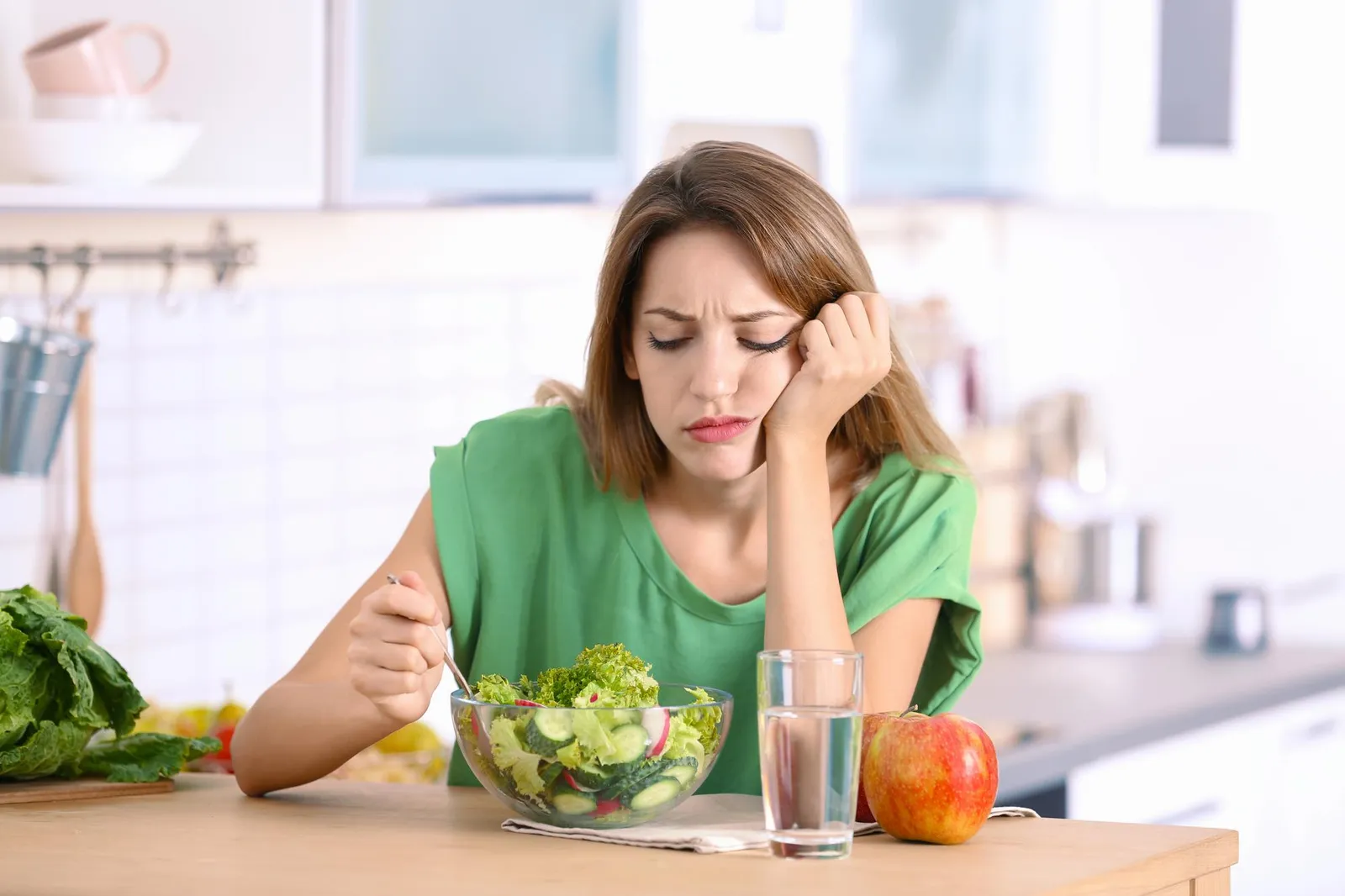
- Have been diagnosed with iron deficiency anaemia
- Are pregnant or breastfeeding (iron needs are higher)
- Follow a strictly vegetarian or vegan diet
- Have a condition that already impairs iron absorption (like coeliac disease or inflammatory bowel disease)
- Are a young child or an adolescent girl, where iron needs are high
Iron deficiency anaemia is already common in India — and tea consumption is one of the dietary factors worth addressing when it's present. If you're curious about other nutritional gaps that often get overlooked, the Vitamin D deficiency in India article covers another widespread issue worth understanding.
Step-by-Step: How to Adjust Your Tea Habit Without Ditching It
Here's the practical bit. You don't need to stop drinking tea — you need to time it better and make a few small tweaks.
Step 1: Create a 1-Hour Gap Around Iron-Rich Meals
The simplest and most effective change: don't drink tea during or immediately after a meal where iron-rich foods are central. Give yourself at least an hour's gap — ideally before the meal as well.
So if you're eating rajma for lunch at 1 pm, have your tea at noon or around 2:30 pm. That window is enough for iron absorption to happen before tannins enter the picture.
Step 2: Add Vitamin C to Your Iron-Rich Meals
Vitamin C (ascorbic acid) actively enhances non-heme iron absorption — it basically counteracts what tannins do. Squeeze lemon over your dal, add tomatoes to your sabzi, or eat a small portion of amla chutney alongside your meal.
This isn't a complete fix if you're still having tea right on top of the meal, but as part of a broader strategy, it makes a real difference.
Step 3: Don't Take Iron Supplements with Tea
This one's non-negotiable. If a doctor has prescribed iron supplements, take them with water and vitamin C — not with tea, coffee, or milk. The tannins will reduce the absorption of the supplement just as they would with food iron, which defeats the purpose entirely.
Step 4: Switch to Herbal Tea Around Mealtimes
If you love having a warm drink with meals, a ginger or peppermint herbal infusion is a good alternative that won't interfere with iron absorption. Save your regular chai or green tea for between meals.
If you enjoy a spiced chai, particularly in certain seasons, our masala chai benefits article covers the nutritional side in detail — and the timing advice above applies there too.
Step 5: Skip Milk Tea if You're Already at Risk
Milk adds calcium to the equation, and calcium is another known inhibitor of iron absorption. Milk tea (which most Indian chai is) gives you a double hit of iron blockers — tannins plus calcium. If your ferritin is low, switching to a weak black or green tea without milk, timed well away from meals, is a smarter option.
What About Green Tea Specifically?
Green tea often gets discussed separately because of its antioxidant reputation. But from an iron absorption standpoint, it's not dramatically different from black tea — it contains polyphenols that can inhibit non-heme iron uptake. If you're drinking it for weight management, the guidance in best time to drink green tea for weight loss also aligns with what's best for your iron: between meals, not with food.
Latest Articles
How to Eat Soaked Almonds Daily for Best Results
Soaked almonds pack more nutrition than raw ones. Here's exactly how to eat them daily — the right time, quantity, and simple habits that actually work.
How to Feed Goats During Monsoon Season
Monsoon changes everything for goat farmers. Learn exactly what to feed your goats during the rainy season to keep them healthy, productive, and disease-free.

Best Feed for Goats in Summer Heat
Struggling to keep your goats healthy in hot weather? Discover the best summer feed for goats to maintain weight, milk, and energy when temperatures soar.
Goat Milk for Lactose Intolerance: Does It Help?
Think goat milk is lactose-free? It's not — but it may still be easier to digest. Here's what the science actually says about goat milk and lactose intolerance.
Is Goat Meat Good for Weight Loss?
Wondering if goat meat fits into a weight loss diet? Here's what its nutrition profile really means for your goals — no fluff, just facts.
Goat Milk vs Cow Milk: Which Is Better for You?
Goat milk vs cow milk — which should you choose? Compare nutrition, digestion, taste, and health benefits to find the best fit for your diet.
Frequently Asked Questions
⚕️ Medical Disclaimer
This article is for informational and educational purposes only and is not a substitute for professional medical advice, diagnosis, or treatment. Always consult a qualified healthcare provider with any questions about a medical condition. Read full disclaimer.
Get healthy tips in your inbox
Join the Nutrikoo newsletter for science-backed nutrition, recipes and wellness — no spam, unsubscribe anytime.