
Green Tea vs Black Tea: Which Is Better?

By A Reza, Health & Nutrition Writer
11 June 2026 · 7 min read · 3 views
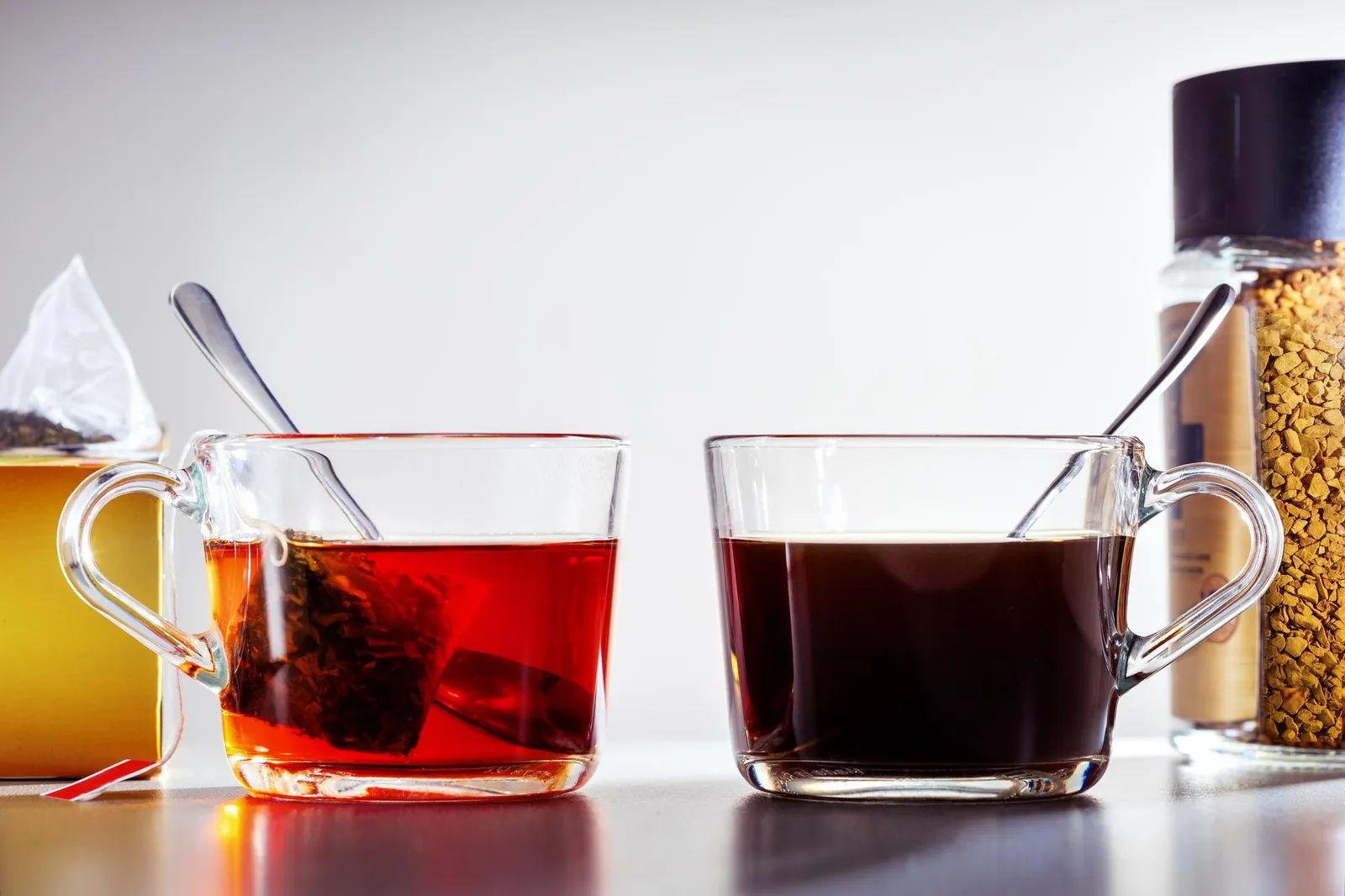
Green tea or black tea — which one should you drink? Compare their antioxidants, caffeine, health benefits, and find the best choice for your goals.
Green Tea vs Black Tea: Which Is Better?
Picture this: it's 7 a.m., you're standing in the kitchen, still half-asleep, holding two boxes — one green, one black. You've read somewhere that both are good for you, but in completely different ways. So which one do you reach for?
This is one of those genuinely common dilemmas. Both teas come from the same plant, Camellia sinensis, but what happens to the leaves after they're picked makes all the difference. Green tea is minimally processed and not oxidised. Black tea is fully oxidised, which is why it turns dark and develops that robust, malty flavour. Same plant, very different profiles.
Let's look at what each actually offers — and which one might work better for you.
What's Actually Inside Each Cup?
Green Tea's Star Compounds
Green tea's health reputation rests largely on a group of antioxidants called catechins. The most studied one is EGCG — epigallocatechin gallate — which has been researched for its effects on metabolism, brain health, and inflammation. Because green tea is unoxidised, these catechins remain largely intact.
Green tea also contains L-theanine, an amino acid that works alongside caffeine to produce what many people describe as a calm, focused kind of energy — alert, but not jittery. If you've ever felt pleasantly sharp after a cup of green tea rather than wired, that's L-theanine doing its thing.
Black Tea's Unique Edge
When tea leaves oxidise to make black tea, the catechins transform into different compounds called theaflavins and thearubigins. These are less studied than EGCG but are still potent antioxidants in their own right — and some research suggests theaflavins are particularly good for heart health and gut bacteria.
Black tea also has more caffeine than green tea on average, roughly 40–70 mg per cup compared to 20–45 mg in green tea, though this varies by brew time and brand. If you need a stronger morning kick, that's worth knowing.
Head-to-Head: Key Health Benefits
Antioxidant Power
Both teas are rich in polyphenols, but the type differs. Green tea wins on catechin content — especially EGCG. Black tea has fewer catechins but delivers those theaflavins, which are themselves effective at neutralising free radicals. Neither is a clear winner here; they're just different.
Think of it like comparing apples and oranges for vitamin content — both are nutritious, just in distinct ways.
Heart Health
Both teas have solid evidence behind them for cardiovascular support. Regular tea consumption — of either variety — has been linked in observational studies to lower LDL cholesterol and reduced risk of heart disease. Theaflavins in black tea seem especially promising for improving blood lipid profiles. Green tea's EGCG has shown benefits for reducing arterial stiffness in some studies.
Brain and Focus
Green tea tends to get the edge here because of that EGCG + L-theanine combination. The calm focus it produces is something coffee simply doesn't replicate. That said, black tea's higher caffeine can improve reaction time and alertness in its own way — particularly useful if you're hitting an afternoon slump.
Gut Health

Black tea surprises people here. The theaflavins and tannins in black tea act as prebiotics, supporting the growth of beneficial gut bacteria like Lactobacillus and Bifidobacterium. Green tea also has some gut-friendly properties, but the research on black tea and the microbiome is genuinely interesting.
Weight Management
Green tea gets most of the attention in weight loss circles, and there is some evidence that EGCG can modestly boost fat oxidation — particularly when combined with caffeine. The effect is real but modest. If you're looking into this, it's worth pairing with a look at overall diet habits. If you're also curious about other foods linked to weight management, our piece on Makhana benefits for weight loss is worth a read.
Blood Sugar and Diabetes
Both teas may help improve insulin sensitivity, but green tea has slightly stronger evidence in this area. EGCG appears to play a role in how cells respond to insulin. Drinking unsweetened tea — of either type — is a smart swap for sugary drinks if blood sugar is a concern.
Taste and Everyday Practicality
Let's be honest: you're not going to drink something you don't enjoy just because it scores higher on a polyphenol chart.
Green tea is grassy, light, and sometimes slightly bitter if over-brewed. Black tea is robust, malty, and holds up well with milk — which is exactly why it forms the base of Indian chai. (Though adding lots of sugar or whole milk does offset some of the health benefits, obviously.)
If you're new to green tea and find it bitter, try brewing it at around 75–80°C rather than with boiling water, and steep for no more than 2 minutes. That alone can change the experience completely.
When to Choose Which
Choose green tea if you:
- Want the highest EGCG and L-theanine content
- Prefer a gentler caffeine boost with focused energy
- Are particularly interested in metabolism or brain health
- Enjoy lighter, more delicate flavours
Choose black tea if you:
- Need a stronger caffeine effect in the morning
- Enjoy a full-bodied, warming brew — like masala chai
- Are focused on gut health or heart cholesterol
- Find green tea too grassy or bland
Of course, you don't have to pick just one. Plenty of people drink green tea in the morning and black tea in the afternoon, or rotate based on mood and season. If you're thinking about teas specifically for immunity — particularly during the monsoon months — check out our guide on the best tea for immunity during monsoon, which covers a broader range of herbal and functional options.
A Note on Additives
Both teas are excellent on their own. Where things go sideways is with added sugar, flavoured syrups, or highly sweetened ready-to-drink bottled versions. These can quietly push your daily sugar intake up — much like the packaged foods discussed in our article on hidden sugar in Indian packaged foods. Black tea with a splash of low-fat milk is fine; black tea with three teaspoons of sugar, less so.
Does Processing Matter That Much?
Yes, actually. Green tea retains more of the original leaf's chemistry because it's steamed or pan-fired quickly after harvesting. Black tea's oxidation creates a different — not lesser — set of compounds. White tea and oolong sit somewhere in between (less oxidised than black, more than green), if you're curious about the full spectrum.
Latest Articles
How to Eat Soaked Almonds Daily for Best Results
Soaked almonds pack more nutrition than raw ones. Here's exactly how to eat them daily — the right time, quantity, and simple habits that actually work.

How to Feed Goats During Monsoon Season
Monsoon changes everything for goat farmers. Learn exactly what to feed your goats during the rainy season to keep them healthy, productive, and disease-free.

Best Feed for Goats in Summer Heat
Struggling to keep your goats healthy in hot weather? Discover the best summer feed for goats to maintain weight, milk, and energy when temperatures soar.

Goat Milk for Lactose Intolerance: Does It Help?
Think goat milk is lactose-free? It's not — but it may still be easier to digest. Here's what the science actually says about goat milk and lactose intolerance.

Is Goat Meat Good for Weight Loss?
Wondering if goat meat fits into a weight loss diet? Here's what its nutrition profile really means for your goals — no fluff, just facts.

Goat Milk vs Cow Milk: Which Is Better for You?
Goat milk vs cow milk — which should you choose? Compare nutrition, digestion, taste, and health benefits to find the best fit for your diet.
Frequently Asked Questions
⚕️ Medical Disclaimer
This article is for informational and educational purposes only and is not a substitute for professional medical advice, diagnosis, or treatment. Always consult a qualified healthcare provider with any questions about a medical condition. Read full disclaimer.
Get healthy tips in your inbox
Join the Nutrikoo newsletter for science-backed nutrition, recipes and wellness — no spam, unsubscribe anytime.