
Cocoa Powder vs Dark Chocolate: Which Is Healthier?

By A Reza, Health & Nutrition Writer
11 June 2026 · 6 min read · 4 views
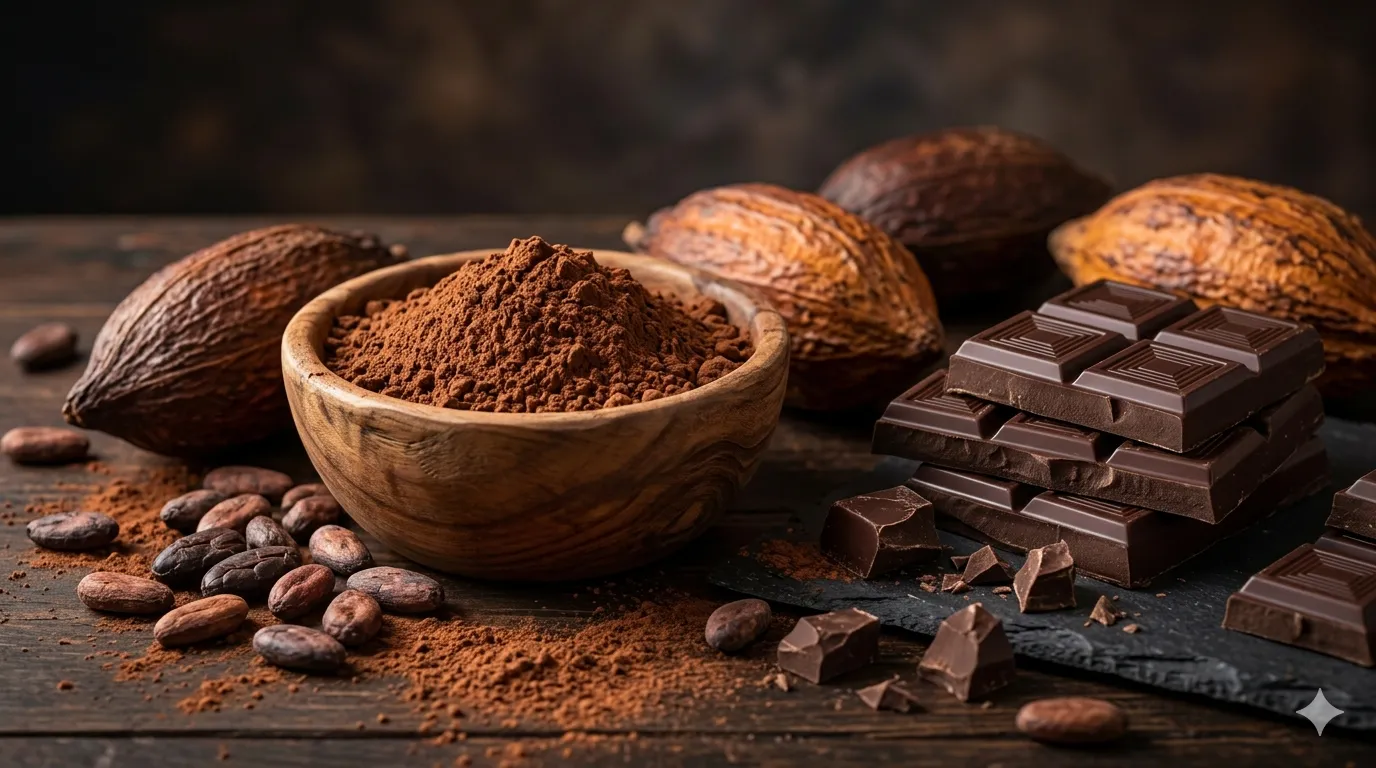
Cocoa powder and dark chocolate both come from the same bean — but which is actually healthier? Here's what the evidence really says.
Cocoa Powder vs Dark Chocolate: Which Is Healthier?
Here's a belief a lot of people hold: dark chocolate is basically health food, while cocoa powder is just a baking ingredient. If you've ever justified a few squares of 70% dark chocolate as your "antioxidant dose for the day," you're not alone. But the truth is a little more nuanced — and honestly, more useful.
Both cocoa powder and dark chocolate come from the same source: the seeds of Theobroma cacao, the cacao tree. What makes them different is what happens after those seeds are processed. And those differences matter quite a bit when you're trying to make a smarter choice.
They Start the Same — Then Diverge
Cacao beans are fermented, dried, and roasted. The resulting mass — called cocoa liquor — contains both cocoa solids and cocoa butter (fat). When you press out most of that fat, you're left with cocoa powder. Dark chocolate, on the other hand, keeps the cocoa butter and adds sugar, and sometimes milk solids and emulsifiers.
So cocoa powder is essentially the more concentrated, less processed form of the two. That matters a lot when you're looking at nutrition.
Nutrition: A Direct Comparison
Let's look at roughly what you get per 100 grams of each:
Unsweetened Cocoa Powder:
- Calories: ~230–250 kcal
- Fat: ~13–14 g (mostly from retained cocoa butter)
- Carbohydrates: ~55 g (but most is fiber)
- Fiber: ~33 g
- Protein: ~20 g
- Sugar: ~1–2 g
Dark Chocolate (70–85% cocoa):
- Calories: ~570–600 kcal
- Fat: ~40–45 g
- Carbohydrates: ~35–40 g
- Fiber: ~10–12 g
- Protein: ~8–10 g
- Sugar: ~20–25 g
The difference in calories is striking. But keep in mind that a typical serving of cocoa powder is 1–2 tablespoons (5–10g), while people usually eat 20–40g of dark chocolate at a time. Portion sizes completely change the picture.
Antioxidants: Where Cocoa Powder Actually Wins
This is where cocoa powder quietly dominates. Both foods contain flavanols — a class of plant compounds linked to benefits for blood pressure, circulation, and brain function. But cocoa powder has a higher concentration of these polyphenols per gram, simply because it's not diluted by fat and sugar the way chocolate is.
There's one important caveat: how cocoa is processed matters enormously. Dutch-processed (alkalized) cocoa is treated with alkali to reduce bitterness and darken the color — but this process can destroy a significant portion of the flavanols. Natural (non-alkalized) cocoa powder retains far more of these compounds. If you're buying cocoa powder for health reasons, check the label for "natural" or "non-alkalized."
Dark chocolate processed at lower temperatures and with minimal additives also retains good levels of flavanols — so quality matters here too. If you want to understand how those flavanols specifically benefit your heart, this deep-dive on dark cocoa and heart health is worth reading.
What About Sugar?
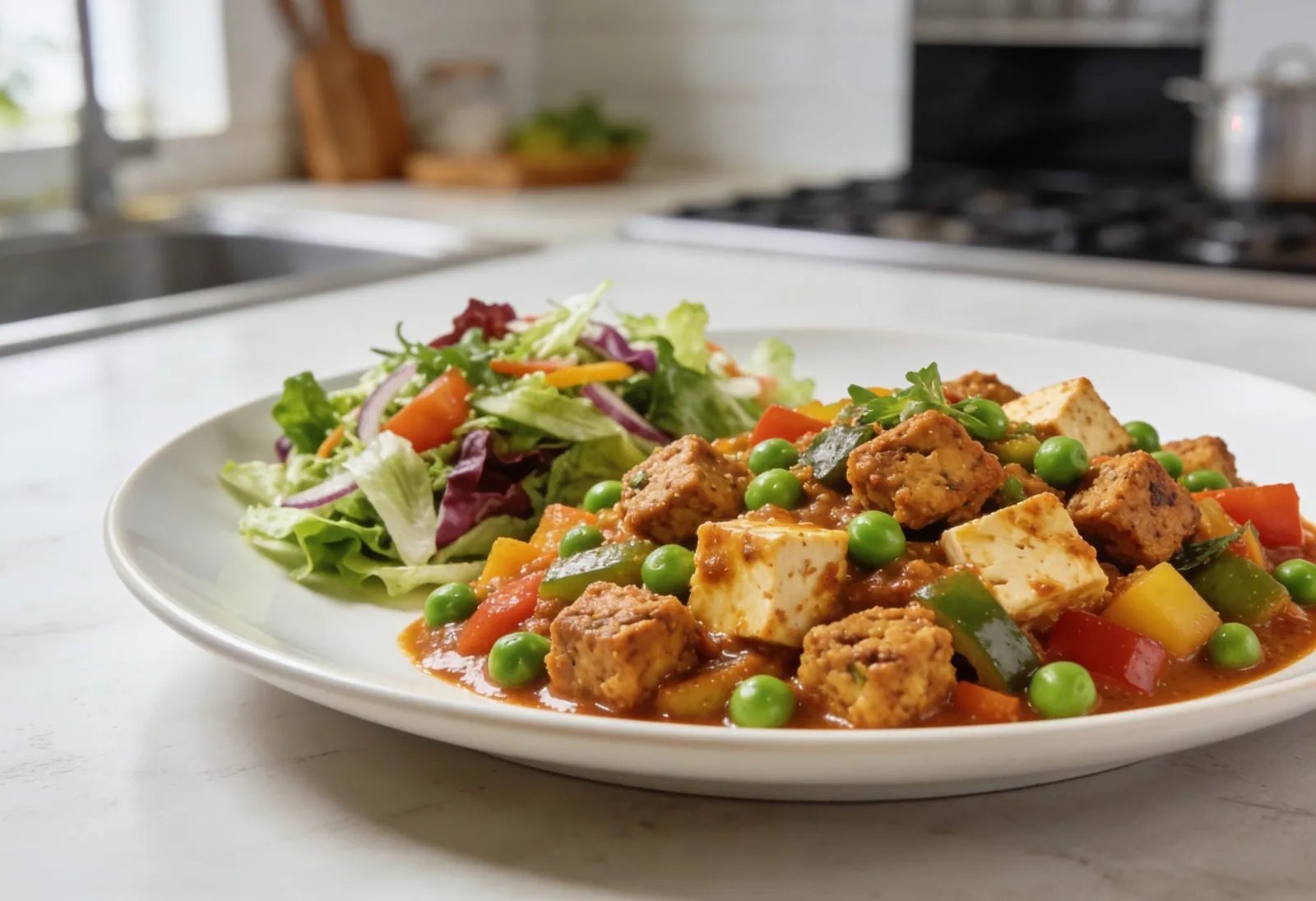

This is the part that often gets glossed over. A 40g serving of 70% dark chocolate typically contains around 8–10g of sugar. That's not catastrophic, but it adds up — especially if you're snacking on chocolate daily while thinking it's a health food.
Unsweetened cocoa powder has almost no sugar. When you stir a tablespoon into warm milk or a smoothie, you control exactly what goes in. If you're watching your sugar intake — or you've noticed how much hidden sugar creeps into supposedly healthy foods — cocoa powder gives you far more control. (On that note, this article on hidden sugar in Indian packaged foods might surprise you.)
Fat Content: Is Cocoa Butter the Problem?
Not necessarily. The fat in both cocoa powder and dark chocolate is largely stearic acid and oleic acid — types of fat that research suggests have a relatively neutral or even modest positive effect on blood cholesterol, unlike trans fats or excessive saturated fats from other sources.
Still, if you're calorie-conscious, cocoa powder's lower fat content (especially after pressing) gives it an advantage over dark chocolate by a wide margin.
Brain and Mood: Both Have Something to Offer
Cocoa contains small amounts of theobromine, caffeine, and compounds that may influence serotonin levels — which is partly why chocolate has always felt like comfort food. Research on this is still evolving, but there's reasonable evidence that cocoa flavanols support blood flow to the brain.
If you're curious about whether dark chocolate specifically earns its reputation as a mood booster, this article on dark chocolate and stress lays out what the science actually supports — without the hype. And for brain health specifically, Is Dark Chocolate Good for the Brain? goes deeper into the neurological evidence.
So Which Should You Choose?
The honest answer: it depends on what you're using it for.
Choose cocoa powder if you want to:
- Maximize flavanol and antioxidant intake per calorie
- Keep sugar and calories low
- Add a chocolate flavor to oats, smoothies, energy balls, or warm drinks
- Use a versatile ingredient you can control
Choose dark chocolate if you want to:
- Enjoy a satisfying, portable snack
- Get a moderate dose of flavanols with the pleasure of eating chocolate
- Occasionally indulge without going off the rails
A practical middle ground many nutritionists suggest: use unsweetened cocoa powder for cooking and daily drinks, and keep a bar of good-quality 75–85% dark chocolate around for when you want to actually eat chocolate. That way, you get the benefits of both without leaning too hard on the higher-calorie option.
One more thing — if you find cocoa powder bitter on its own, try whisking it into warm oat milk with a pinch of cinnamon and a small amount of jaggery. It's genuinely delicious, and you're getting all the polyphenols without nearly as much sugar or fat as a chocolate bar.
Latest Articles
How to Eat Soaked Almonds Daily for Best Results
Soaked almonds pack more nutrition than raw ones. Here's exactly how to eat them daily — the right time, quantity, and simple habits that actually work.

How to Feed Goats During Monsoon Season
Monsoon changes everything for goat farmers. Learn exactly what to feed your goats during the rainy season to keep them healthy, productive, and disease-free.

Best Feed for Goats in Summer Heat
Struggling to keep your goats healthy in hot weather? Discover the best summer feed for goats to maintain weight, milk, and energy when temperatures soar.

Goat Milk for Lactose Intolerance: Does It Help?
Think goat milk is lactose-free? It's not — but it may still be easier to digest. Here's what the science actually says about goat milk and lactose intolerance.

Is Goat Meat Good for Weight Loss?
Wondering if goat meat fits into a weight loss diet? Here's what its nutrition profile really means for your goals — no fluff, just facts.

Goat Milk vs Cow Milk: Which Is Better for You?
Goat milk vs cow milk — which should you choose? Compare nutrition, digestion, taste, and health benefits to find the best fit for your diet.
Frequently Asked Questions
⚕️ Medical Disclaimer
This article is for informational and educational purposes only and is not a substitute for professional medical advice, diagnosis, or treatment. Always consult a qualified healthcare provider with any questions about a medical condition. Read full disclaimer.
Editorial note: This article was researched and written with the assistance of AI tools and reviewed by the Nutrikoo editorial team for accuracy and clarity. It is for general information only and is not medical advice. See our editorial policy.
Get healthy tips in your inbox
Join the Nutrikoo newsletter for science-backed nutrition, recipes and wellness — no spam, unsubscribe anytime.