
Is Dark Chocolate Good for the Brain?

By A Reza, Health & Nutrition Writer
11 June 2026 · 7 min read · 5 views
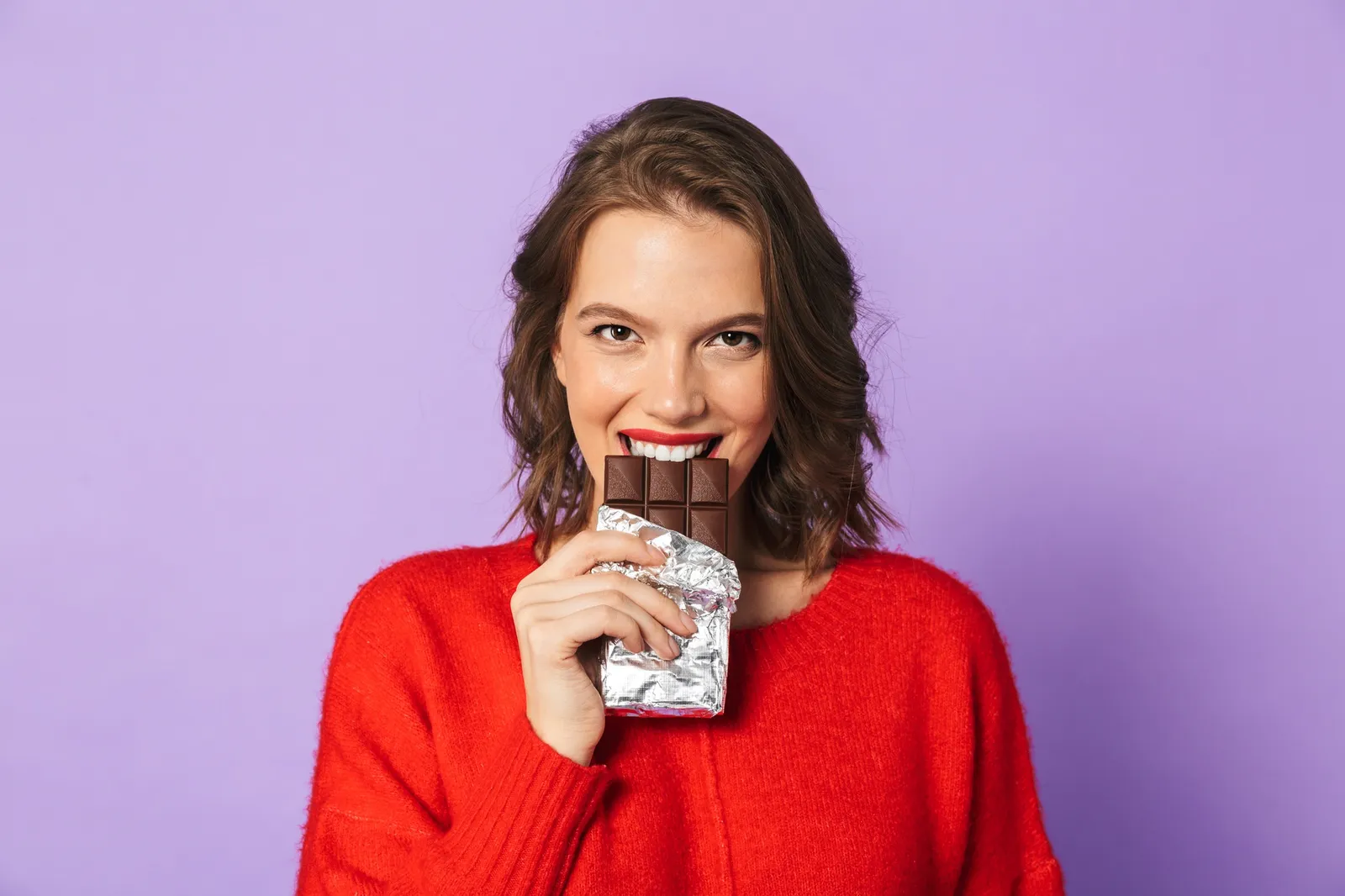
Can a square of dark chocolate actually sharpen your mind? Here's what the science says about cocoa, brain health, and how much you really need.
Is Dark Chocolate Good for the Brain?
Picture this: it's 3 pm, you've hit a wall at work, your eyes are glazing over, and someone drops a square of dark chocolate on your desk. You eat it almost on autopilot — and somehow, a few minutes later, you feel a little more like yourself. Coincidence? Maybe not entirely.
Dark chocolate has a long reputation as a comfort food, but over the past two decades researchers have taken a much closer look at what it actually does inside the brain. The findings are genuinely interesting — though a bit more nuanced than the breathless headlines would have you believe.
What's Actually in Dark Chocolate That Matters
The key players are flavanols — a class of plant compounds found in the cacao bean (Theobroma cacao). The main one studied for brain effects is epicatechin, alongside smaller amounts of catechin and a stimulant compound called theobromine.
Dark chocolate (typically 70% cacao or higher) retains far more of these compounds than milk chocolate, because milk chocolate undergoes heavier processing and contains much less actual cacao. White chocolate, for what it's worth, contains essentially no flavanols at all.
There's also a modest amount of caffeine in dark chocolate — not as much as coffee, but enough to contribute to that mild alertness you notice after eating it.
How Cocoa Flavanols Affect the Brain
Better Blood Flow, Sharper Thinking
One of the more well-supported mechanisms is this: cocoa flavanols stimulate the production of nitric oxide in blood vessel walls, which helps those vessels relax and widen. Better blood flow to the brain means neurons get more oxygen and glucose — the fuel they need to function well.
Research has found that regular consumption of high-flavanol cocoa can improve blood flow to key areas of the brain involved in thinking and memory, including the dentate gyrus, a region in the hippocampus that tends to decline with age. This isn't a dramatic overnight transformation, but the effect is real and measurable.
Memory and Cognitive Performance
Several controlled studies have shown modest improvements in memory, attention, and processing speed after people consumed high-flavanol cocoa over weeks or months. Older adults seem to benefit more noticeably than younger people — possibly because there's more room for improvement when age-related decline has already begun.
That said, "more dark chocolate equals a better brain" is too simple a takeaway. The quality of the chocolate (specifically its flavanol content, which brands rarely publish) matters enormously.
Neuroprotection Over Time
Cocoa flavanols also have antioxidant and anti-inflammatory properties. Chronic low-grade inflammation is increasingly linked to cognitive decline and conditions like dementia. While dark chocolate alone won't prevent these conditions, it fits logically into a broader anti-inflammatory diet — alongside foods like berries, nuts, and leafy greens.
If you're curious about other brain-friendly snacks that tend to come up in the same conversation, the comparison of walnuts vs almonds for brain health is worth reading — both nuts offer their own neuroprotective benefits.
The Mood Connection

Dark chocolate doesn't just affect cognition — it nudges mood too. It encourages the release of endorphins and has a mild effect on serotonin pathways. Theobromine contributes a gentle, longer-lasting lift compared to caffeine's sharper spike.
There's also the sensory pleasure factor — the taste, the melt, the ritual of it. That matters more than we give it credit for. A moment of genuine pleasure reduces cortisol (your stress hormone), which in turn takes some of the load off your brain.
We explored the stress angle more deeply in this piece on whether dark chocolate is good for stress, if you want the full picture.
What About the Heart-Brain Link?
Here's something that often gets overlooked: cardiovascular health and brain health are deeply intertwined. What's good for your heart is almost always good for your brain too, because the brain depends entirely on a healthy blood supply.
Cocoa's documented benefits for blood pressure and arterial flexibility — covered in detail in our article on dark cocoa and heart health — have direct knock-on effects for cognitive health over the long term.
How Much Dark Chocolate Do You Actually Need?
This is where people want a specific number, and the honest answer is: it depends on the chocolate. Most studies that showed cognitive benefits used cocoa products standardised to a known flavanol content — something commercial chocolate bars don't disclose.
A practical, evidence-informed guideline used by many nutrition researchers is 20–40 grams of dark chocolate per day, provided it's 70% cacao or higher. That's roughly two to three squares. More than that and you're adding significant calories, saturated fat, and sometimes sugar without proportional extra benefit.
A few things to keep in mind when choosing:
- Higher cacao percentage generally means more flavanols, but processing method matters too. Dutch-processed (alkalized) cocoa has significantly fewer flavanols than natural cocoa.
- Less added sugar is better. Some 70%+ bars are still quite sweet — check the label.
- Single-origin or minimally processed brands often retain more flavanols, though this is hard to verify without independent testing.
Cocoa Versus a Whole Diet
It's tempting to treat dark chocolate as a brain supplement in food form. It isn't quite that. The evidence supports it as a useful component of a brain-healthy diet — not a standalone solution.
The same applies to other commonly discussed brain foods. Soaked almonds in the morning, for example, offer vitamin E and healthy fats that support neural function in a different way. Berries — including local options like jamun — provide overlapping but distinct polyphenol profiles. Diversity in your diet genuinely matters more than any single food.
Who Should Be Cautious
Dark chocolate is not for everyone in equal measure:
- Migraine sufferers sometimes find chocolate (due to tyramine and caffeine) triggers headaches.
- People sensitive to caffeine may find even the modest amount in dark chocolate disrupts sleep — and poor sleep is one of the fastest routes to cognitive impairment.
- Children and pregnant women should keep intake modest given the caffeine content.
- If you're managing blood sugar, the quality of the chocolate matters; some dark chocolate bars contain more sugar than you'd expect. This connects to the broader issue of hidden sugar in Indian packaged foods — worth being aware of.
Latest Articles
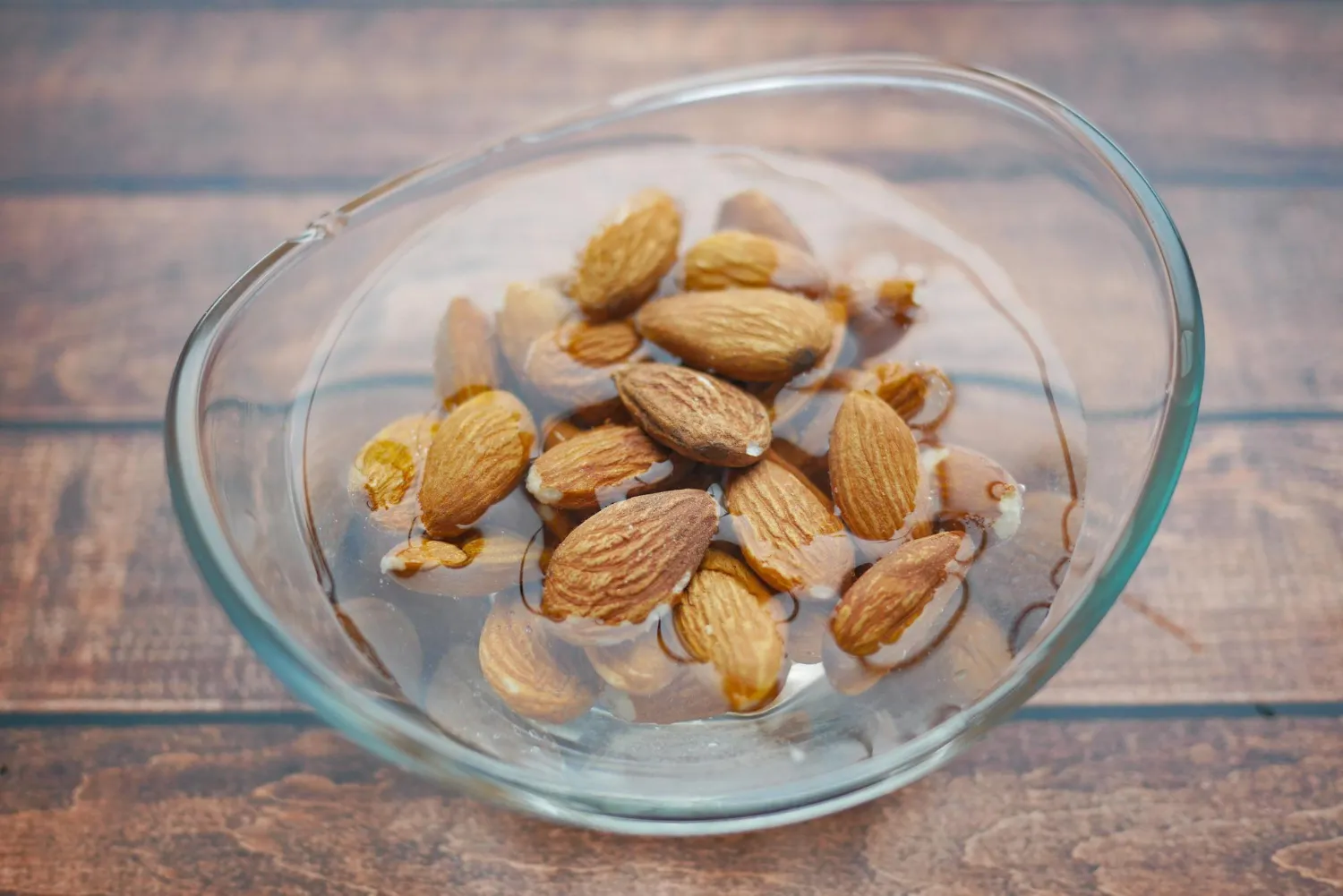
How to Eat Soaked Almonds Daily for Best Results
Soaked almonds pack more nutrition than raw ones. Here's exactly how to eat them daily — the right time, quantity, and simple habits that actually work.

How to Feed Goats During Monsoon Season
Monsoon changes everything for goat farmers. Learn exactly what to feed your goats during the rainy season to keep them healthy, productive, and disease-free.

Best Feed for Goats in Summer Heat
Struggling to keep your goats healthy in hot weather? Discover the best summer feed for goats to maintain weight, milk, and energy when temperatures soar.

Goat Milk for Lactose Intolerance: Does It Help?
Think goat milk is lactose-free? It's not — but it may still be easier to digest. Here's what the science actually says about goat milk and lactose intolerance.

Is Goat Meat Good for Weight Loss?
Wondering if goat meat fits into a weight loss diet? Here's what its nutrition profile really means for your goals — no fluff, just facts.

Goat Milk vs Cow Milk: Which Is Better for You?
Goat milk vs cow milk — which should you choose? Compare nutrition, digestion, taste, and health benefits to find the best fit for your diet.
Frequently Asked Questions
⚕️ Medical Disclaimer
This article is for informational and educational purposes only and is not a substitute for professional medical advice, diagnosis, or treatment. Always consult a qualified healthcare provider with any questions about a medical condition. Read full disclaimer.
Get healthy tips in your inbox
Join the Nutrikoo newsletter for science-backed nutrition, recipes and wellness — no spam, unsubscribe anytime.