
High Protein Sabzi for Weight Loss: Best Picks

By A Reza, Health & Nutrition Writer
12 June 2026 · 7 min read · 4 views
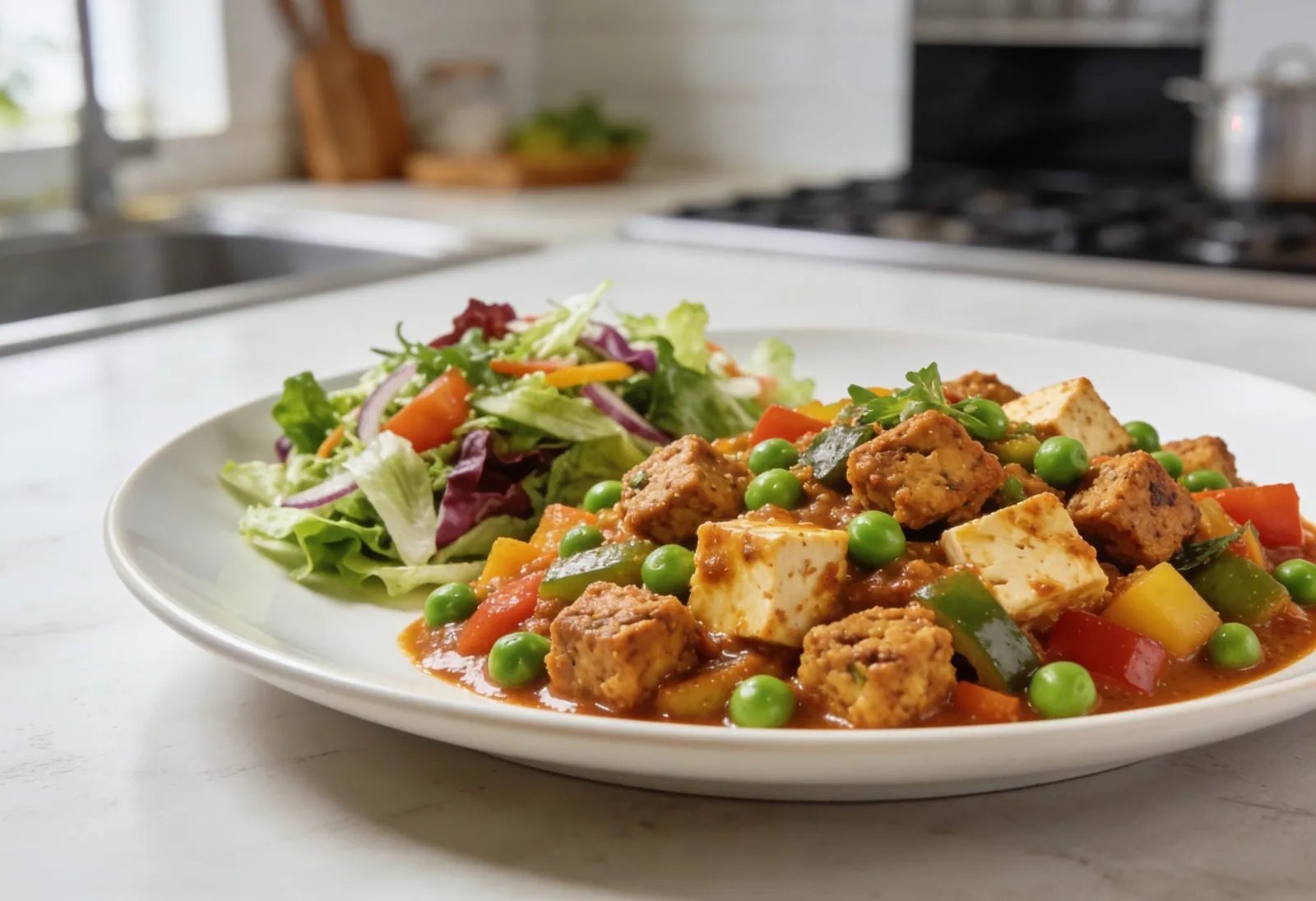
Want to lose weight without giving up sabzi? These high protein sabzi options keep you full, support muscle, and fit perfectly into an Indian diet.
High Protein Sabzi for Weight Loss: Best Picks
Most people think of dal or paneer when they want protein in an Indian meal. But here's something that often gets overlooked: some of the best protein sources on an Indian thali are hiding right in your sabzi bowl. A single cup of cooked soybean sabzi can deliver close to 17 grams of protein — that's comparable to two eggs, but it comes bundled with fibre, iron, and barely any saturated fat.
That changes how you think about weight loss, doesn't it?
Why Protein in Sabzi Matters for Weight Loss
Protein does a few things that directly support fat loss. It keeps you full longer by slowing digestion and dialling down hunger hormones. It also costs your body more energy to digest compared to carbs or fat — this is called the thermic effect of food. And perhaps most usefully for anyone trying to lose weight without losing muscle, protein helps preserve lean tissue when you're eating at a calorie deficit.
The challenge for many Indian vegetarians is getting enough protein at lunch and dinner without making every meal feel like a bodybuilder's diet. That's where high protein sabzi comes in — familiar flavours, everyday cooking, real nutritional muscle.
The Best High Protein Sabzi for Weight Loss
1. Soybean (Soya) Sabzi
Soybean (Glycine max) is genuinely one of the most protein-dense plant foods you can cook with. Whether you use whole soybeans, soya chunks, or granules, the protein content stays impressive — around 12 to 17 grams per cooked cup. Soya chunks cooked in a tomato-onion masala with jeera and haldi make a hearty, satisfying sabzi that doesn't spike your blood sugar the way a heavy roti-heavy meal might.
A word of caution: soya is also filling in the literal sense. It expands during cooking, so portion sizes tend to look generous even when calories are controlled.
2. Mushroom Sabzi
Mushrooms (Agaricus bisporus for the common button variety) punch above their weight on protein for a vegetable — about 3 grams per 100g cooked, with almost zero fat. More importantly, they have a naturally umami, meaty quality that makes sabzi feel substantial without loading up on oil or cream.
A dry mushroom sabzi with green peas, methi, and minimal oil is an excellent weeknight dinner when you want something light but satisfying. You can read more about the other benefits of cooking with mushrooms in our article on whether mushroom curry is good for immunity.
3. Palak (Spinach) Sabzi
Spinach (Spinacia oleracea) contains about 2.5 to 3 grams of protein per 100g, which sounds modest. But when you consider how much spinach collapses when cooked, a single serving of palak sabzi often uses 150–200g of raw leaves. Add paneer or cooked chana and you've got a genuinely protein-rich, low-calorie meal.
Palak sabzi is also rich in iron and folate — two nutrients that often run low in people on calorie-restricted diets.
4. Green Peas (Matar) Sabzi
Matar (Pisum sativum) is one of the most underrated protein vegetables in Indian cooking. One cup of cooked green peas has about 8 grams of protein and a good dose of fibre, which means it fills you up and slows the rate at which sugar enters your blood. Matar paneer, matar mushroom, or a simple aloo matar (go easy on the potato if weight loss is the goal) all work well.
Frozen peas are just as good as fresh for nutrition — so there's no excuse for skipping them.
5. Rajma (Kidney Bean) Sabzi
Yes, rajma is technically a legume, but it's cooked and eaten as a sabzi in most North Indian homes. And nutritionally, it's one of the best choices you can make. A cup of cooked rajma provides around 13 to 15 grams of protein and a generous amount of soluble fibre that keeps hunger in check for hours.
The key for weight loss is to make it without too much added fat and to pair it with a smaller quantity of rice or roti than you normally might.
6. Moringa (Drumstick Leaves) Sabzi
Moringa (Moringa oleifera) leaves have a protein content that surprises most people — roughly 2 grams per 100g fresh weight, but the dried leaf powder is far more concentrated. As a sabzi, moringa is typically cooked with dal or coconut in South Indian homes. It's also packed with calcium, vitamin C, and several antioxidants.
If you haven't cooked with moringa leaves before, it's worth starting — our article on moringa sabzi benefits for your health walks through exactly why this often-overlooked green deserves a regular spot on your plate.
7. Chana (Chickpea) Sabzi
Cooked chickpeas (Cicer arietinum) — whether black chana or the white variety — offer around 15 grams of protein per cup. Chana masala is one of the most protein-dense Indian dishes period, especially when cooked with minimal oil and served with a salad rather than a mountain of bhature.
Dry-roasted chana sabzi with tomato and ginger is also a great option for those watching calories closely.
8. Tofu Sabzi
Tofu is essentially paneer's lower-fat, higher-protein cousin. Firm tofu has roughly 8 grams of protein per 100g with significantly less saturated fat than paneer. You can cook it exactly like a paneer sabzi — it absorbs spices beautifully and holds its shape when cooked on a medium flame.
If you're already eating soya chunks, tofu adds variety without much cooking effort.
How to Make Your Sabzi More Protein-Rich
Sometimes it's not about switching the main vegetable — it's about what you add to it.
- Add a handful of cooked chana or rajma to any dry sabzi like aloo or gobi.
- Stir in paneer cubes or crumbled tofu towards the end of cooking almost any vegetable.
- Use besan (chickpea flour) to thicken gravies instead of cornflour — it adds protein and flavour.
- Finish with a sprinkle of roasted peanuts or sesame seeds for a protein and healthy-fat boost.
Pairing Matters as Much as the Sabzi Itself
A protein-rich sabzi still needs sensible companions. Whole grain roti over maida, brown rice or millets over white rice, and a small bowl of plain curd on the side — these choices multiply the nutritional benefit of your sabzi without making the meal complicated.
It's also worth remembering that weight loss is ultimately about overall energy balance. If your sabzi is genuinely high in protein and fibre, you'll naturally feel less inclined to go back for a third roti. That's the quiet, unglamorous way protein works — no dramatic transformation, just steadier hunger management across the day.
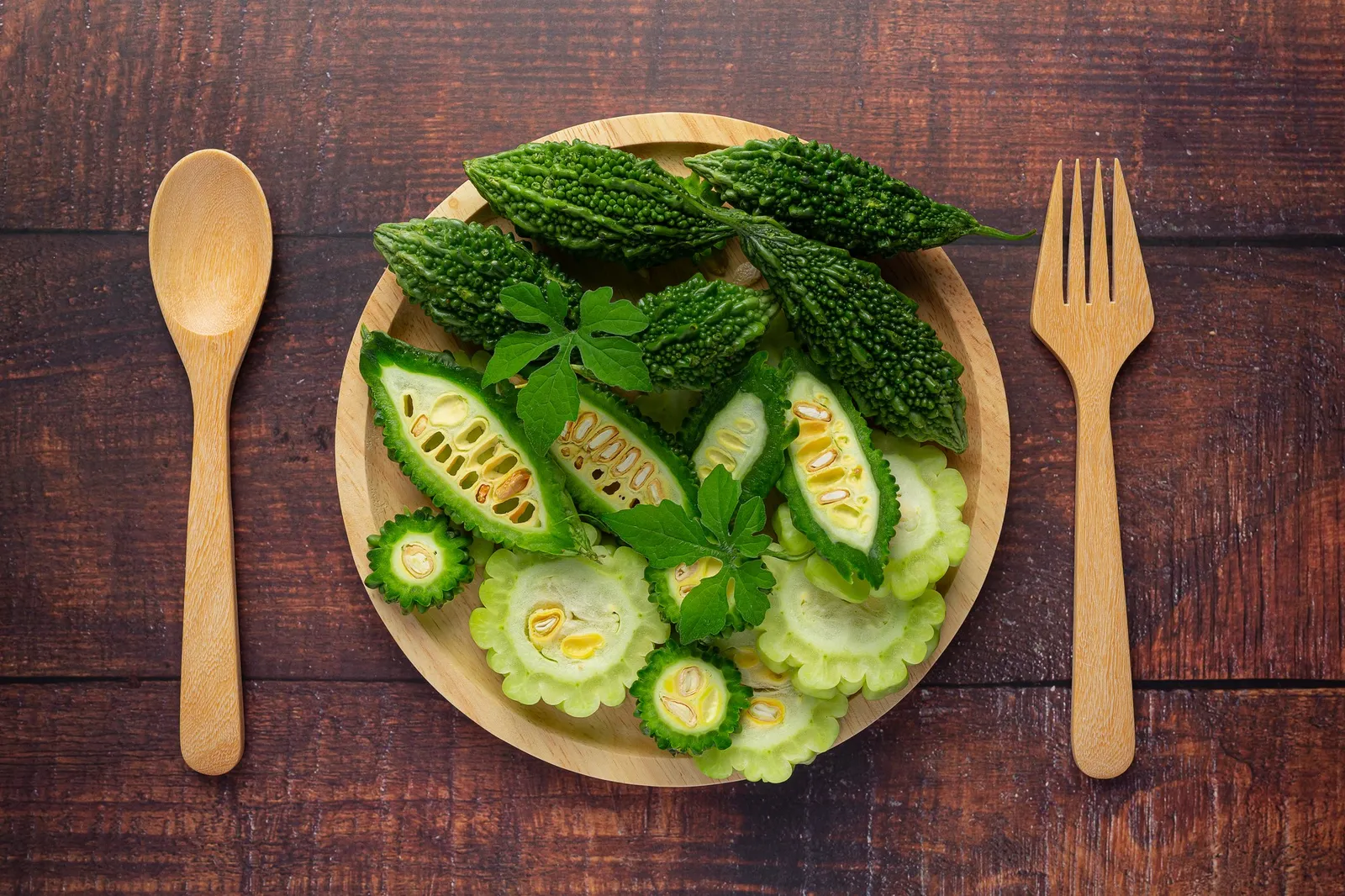
If you're also trying to reduce water retention or improve digestion alongside weight loss, lighter sabzis like those made from ridge gourd can complement your routine — see ridge gourd curry for digestion for more on that. And if you've been leaning on lauki as a weight loss food, it's worth checking whether lauki sabzi actually works for weight loss — the reality is a bit more nuanced than social media makes it seem.
Latest Articles
How to Eat Soaked Almonds Daily for Best Results
Soaked almonds pack more nutrition than raw ones. Here's exactly how to eat them daily — the right time, quantity, and simple habits that actually work.
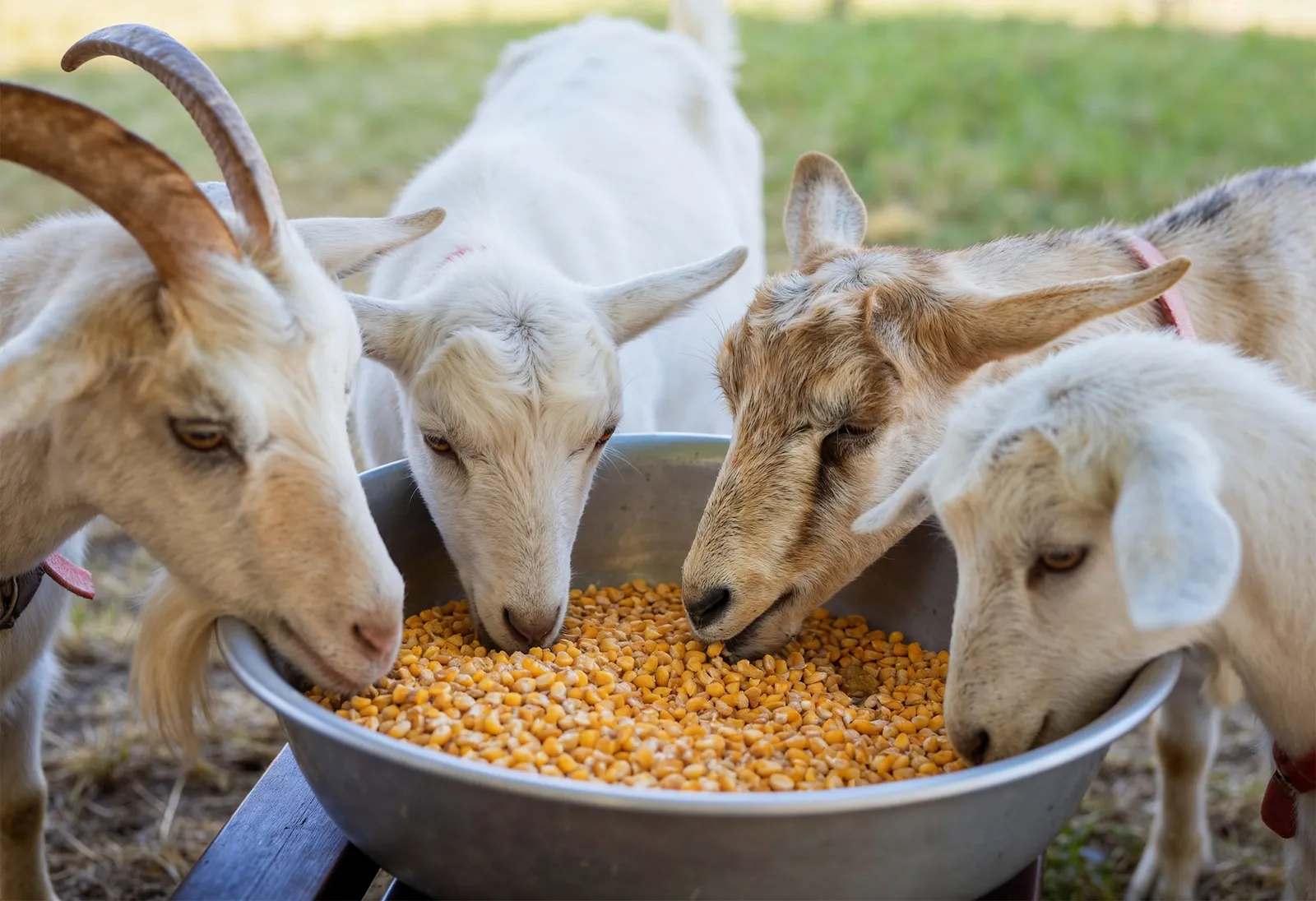
How to Feed Goats During Monsoon Season
Monsoon changes everything for goat farmers. Learn exactly what to feed your goats during the rainy season to keep them healthy, productive, and disease-free.
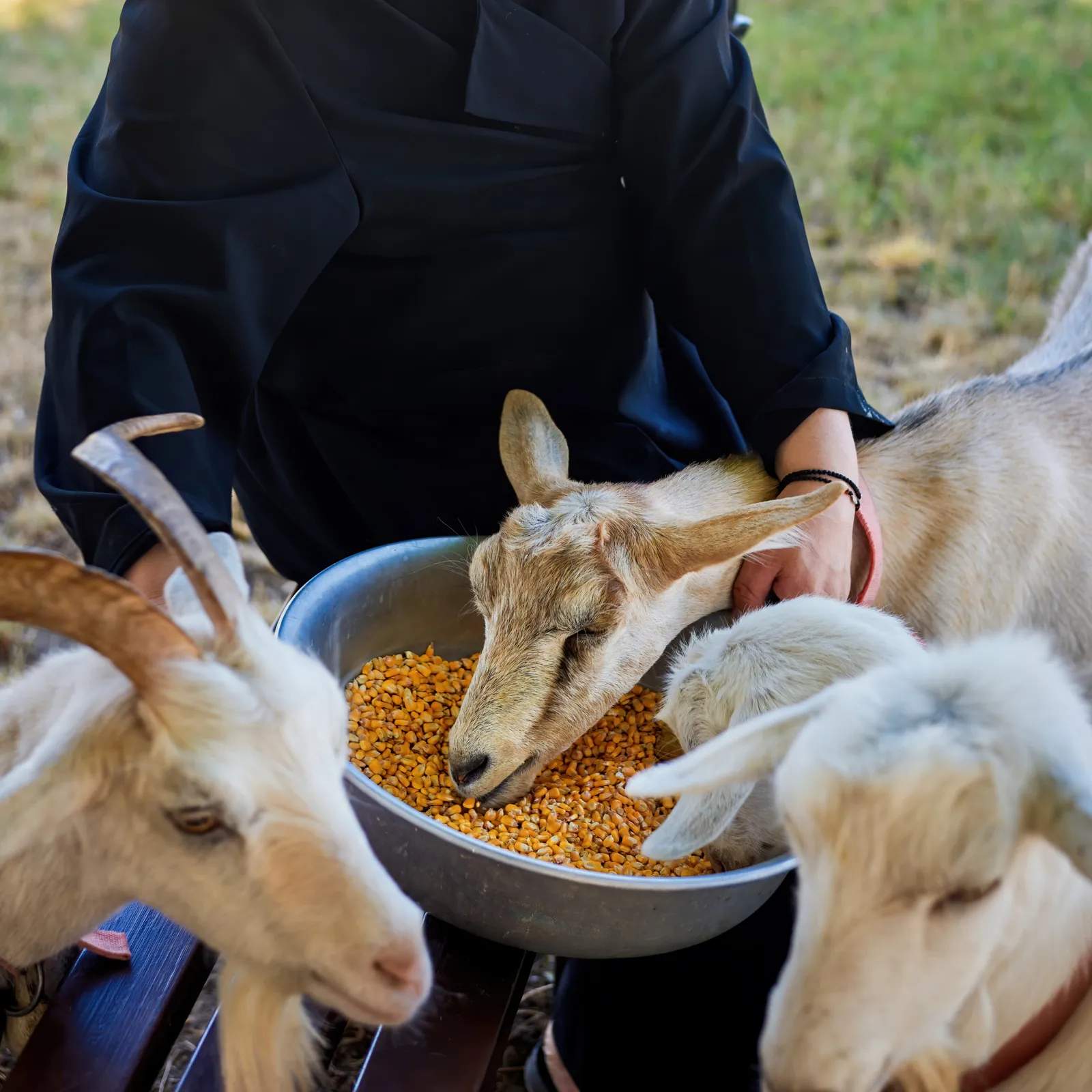
Best Feed for Goats in Summer Heat
Struggling to keep your goats healthy in hot weather? Discover the best summer feed for goats to maintain weight, milk, and energy when temperatures soar.
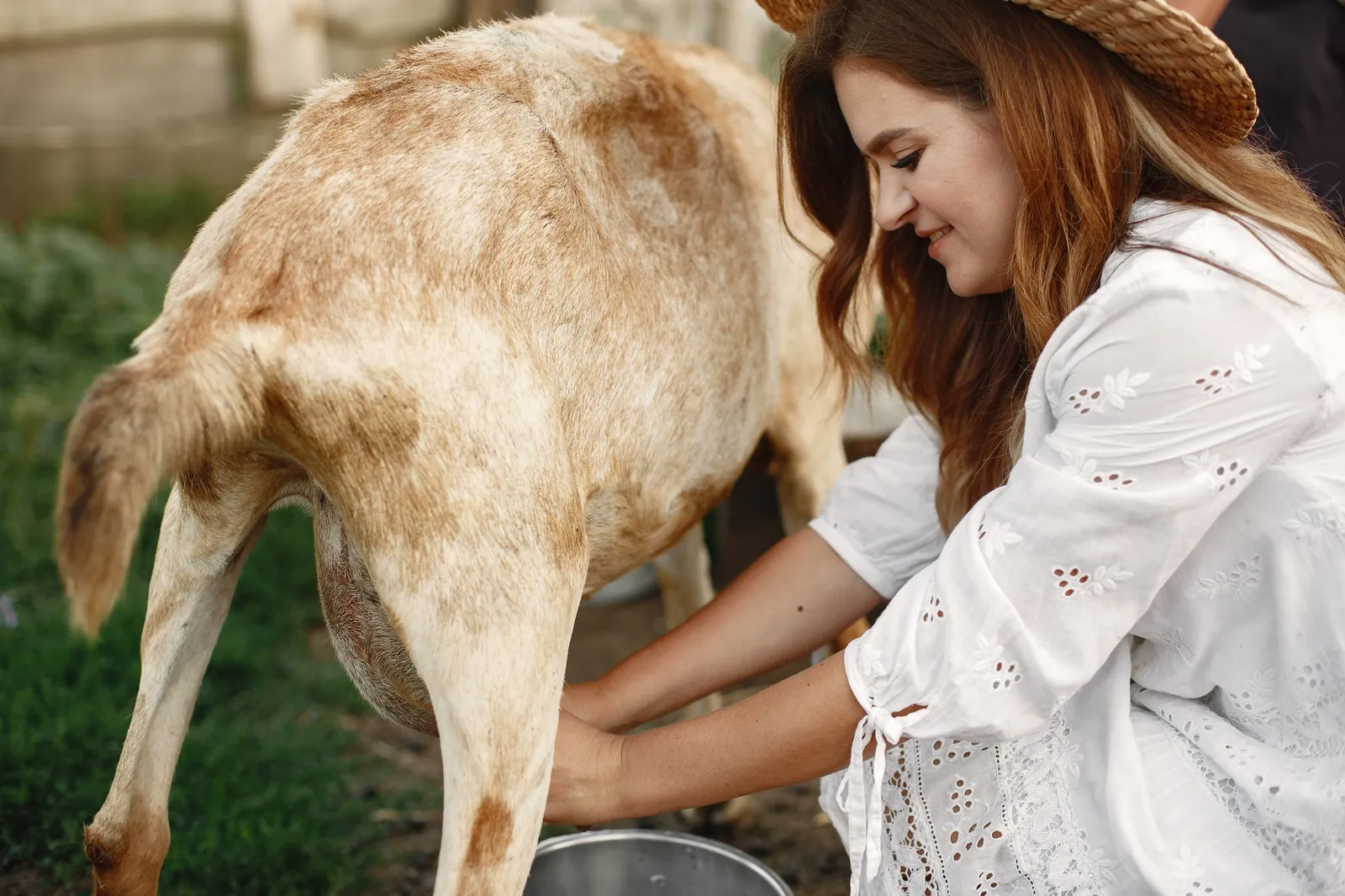
Goat Milk for Lactose Intolerance: Does It Help?
Think goat milk is lactose-free? It's not — but it may still be easier to digest. Here's what the science actually says about goat milk and lactose intolerance.
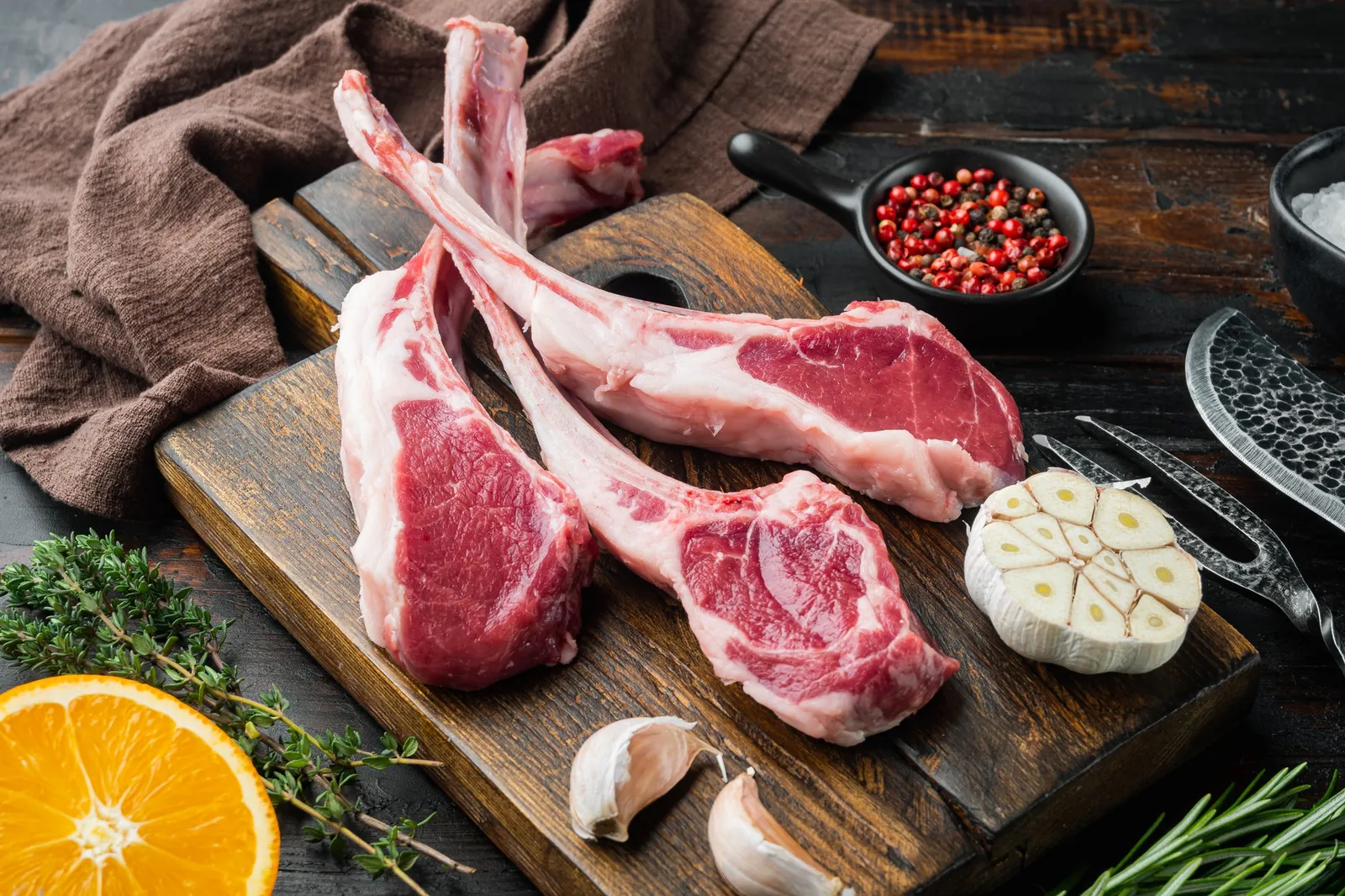
Is Goat Meat Good for Weight Loss?
Wondering if goat meat fits into a weight loss diet? Here's what its nutrition profile really means for your goals — no fluff, just facts.
Goat Milk vs Cow Milk: Which Is Better for You?
Goat milk vs cow milk — which should you choose? Compare nutrition, digestion, taste, and health benefits to find the best fit for your diet.
Frequently Asked Questions
⚕️ Medical Disclaimer
This article is for informational and educational purposes only and is not a substitute for professional medical advice, diagnosis, or treatment. Always consult a qualified healthcare provider with any questions about a medical condition. Read full disclaimer.
Get healthy tips in your inbox
Join the Nutrikoo newsletter for science-backed nutrition, recipes and wellness — no spam, unsubscribe anytime.