

Masala Chai Benefits in the Rainy Season

By A Reza, Health & Nutrition Writer
11 June 2026 · 7 min read · 4 views
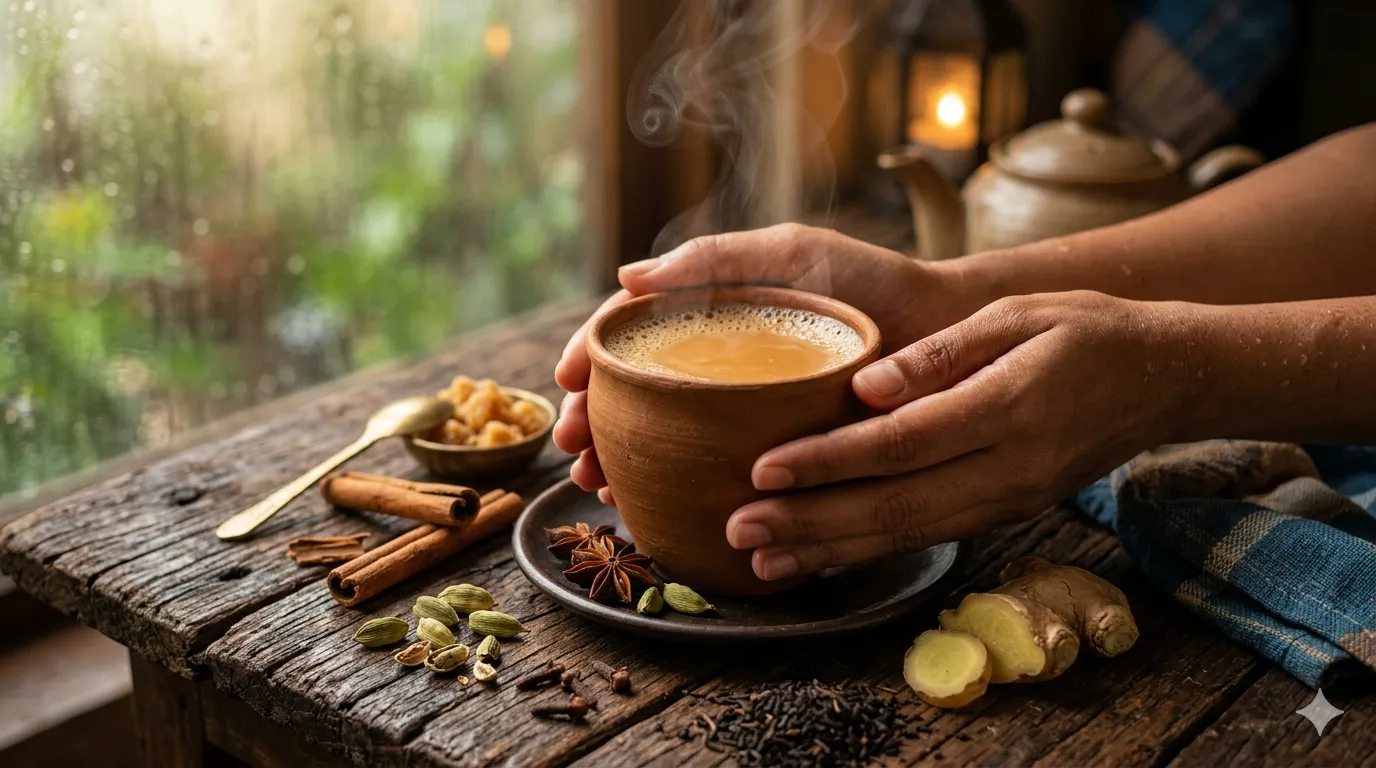
Feeling sluggish and sniffly every monsoon? Discover how masala chai's spices can genuinely support immunity, digestion, and warmth when the rains arrive.
Masala Chai Benefits in the Rainy Season
You know that feeling — the sky turns grey, the first drops start hitting your window, and almost immediately your nose begins to run. Maybe your throat feels scratchy. You skip your morning walk because the roads are wet, your energy is low, and you just feel... off. It happens to a lot of us the moment monsoon arrives.
There's a reason your grandmother reached for a pot and started boiling spices. Masala chai — that fragrant, warming cup of tea brewed with ginger, cardamom, cloves, and black pepper — isn't just a comfort drink. The spices packed into a good cup have real, evidence-backed benefits that are particularly useful when the weather turns damp and your body needs extra support.
Let's break it down properly.
Why Your Body Struggles When the Rains Come
Monsoon season brings humidity, temperature fluctuations, and a sharp uptick in airborne bacteria and viruses. Your gut becomes more vulnerable to infections. Your joints may ache. Fatigue sets in faster. Seasonal colds, sore throats, and sluggish digestion are almost universal complaints from June through September across India.
The body doesn't need anything exotic to cope — it often just needs the right inputs. That's where the spice blend in masala chai quietly does a lot of heavy lifting.
What's Actually in Masala Chai (And Why It Matters)
The base of masala chai is black tea — Camellia sinensis — which is rich in polyphenols and has mild antimicrobial properties. But the real power of monsoon chai comes from the spices.
Ginger (Zingiber officinale) is arguably the star. It contains gingerols and shogaols — compounds that have well-studied anti-inflammatory and antimicrobial effects. It's particularly useful for nausea, which can spike during monsoon due to food-borne issues, and it genuinely helps clear respiratory congestion.
Cardamom (Elettaria cardamomum) has carminative properties, meaning it helps ease bloating and gas. It also has mild antiseptic qualities and gives chai that distinctive floral warmth.
Cloves (Syzygium aromaticum) are loaded with eugenol, a natural compound with strong antimicrobial and antioxidant activity. Even a single clove in your chai makes a difference during flu season.
Cinnamon (Cinnamomum verum) helps regulate blood sugar responses and has anti-inflammatory properties. It also adds body to the flavour.
Black pepper (Piper nigrum) contains piperine, which enhances the absorption of other compounds — including curcumin if you add a pinch of turmeric. It also stimulates digestive enzymes.
The Real Benefits of Masala Chai in Rainy Season
It Supports Your Immune Response
The combination of ginger, cloves, and black pepper creates a genuinely immune-supportive blend. These spices have antioxidant activity that helps reduce oxidative stress on the body — which tends to rise when you're fighting off infections. If you're looking for a broader view of what teas do during this season, check out best tea for immunity during monsoon.
It Helps Fight Seasonal Colds and Sore Throats
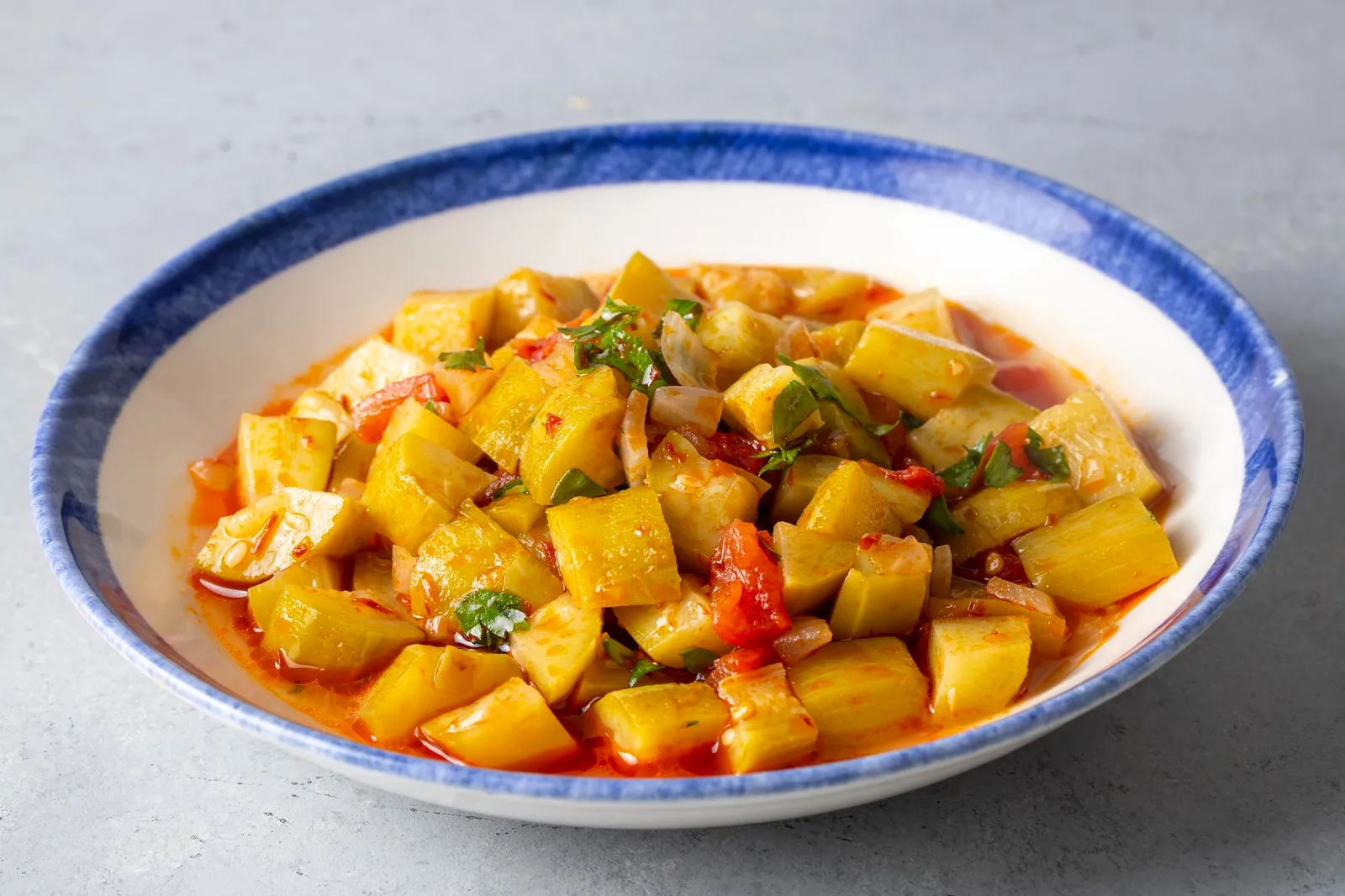

Ask anyone who's had a steaming cup of ginger-heavy chai when they had a sore throat — the relief is real, not just psychological. Ginger and cloves have antimicrobial properties, while the steam from the hot liquid soothes inflamed airways. It's not a cure, but it's solid, practical support.
It Aids Digestion During a Vulnerable Season
Monsoon is notorious for digestive complaints — bloating, indigestion, irregular appetite. Cardamom and ginger together are some of the most effective natural digestive aids. A cup of masala chai after a meal can help stimulate gastric juices and ease that heavy, uncomfortable feeling that often comes with the season's fried-food cravings.
It Warms the Body and Improves Circulation
Cold, damp weather slows circulation for many people, especially in the extremities. The thermogenic (heat-generating) effect of ginger and cinnamon encourages blood flow and raises your core temperature gently. It's why chai feels warming from the inside out — that's not just comfort, it's physiology.
It Offers Mild Anti-Inflammatory Effects
Joint aches and body stiffness during monsoon are more common than people realise, partly due to the drop in atmospheric pressure and partly due to increased inflammatory responses during infections. The spice blend in masala chai — especially ginger and cinnamon — provides some anti-inflammatory relief over time.
It Gives You a Focused, Calm Energy Boost
Unlike coffee, which gives a sharp spike followed by a crash, black tea contains both caffeine and L-theanine, an amino acid that promotes calm alertness. You get energy without the jitteriness. If you've ever wondered how chai compares to other teas on this front, it's worth reading green tea vs black tea: which is better? for a fuller picture.
How to Make the Most of Your Monsoon Chai
A few practical tips to get the most benefit from your cup:
- Use fresh ginger, not powder, whenever possible. Grate or slice it thin and let it simmer for 3-5 minutes.
- Crush your cardamom pods rather than using pre-ground powder. The volatile oils that give it both flavour and benefit degrade quickly once ground.
- Go easy on sugar. A teaspoon is fine; three is where the health benefits start getting offset. If this sounds familiar, the piece on hidden sugar in Indian packaged foods covers how easy it is to overconsume.
- Consider adding a pinch of turmeric (Curcuma longa) to boost the anti-inflammatory profile — this is often called "golden chai" and it's genuinely good.
- Limit to 2-3 cups a day. More than that and the caffeine starts to interfere with sleep and can cause acidity.
Masala Chai vs Plain Black Tea in Monsoon
Plain black tea has benefits too — it's covered well in the green tea vs black tea comparison. But masala chai has an edge during monsoon specifically because the added spices address the exact vulnerabilities of the season: weakened immunity, digestive disruption, respiratory sensitivity, and low energy. The spice blend isn't decorative. It's functional.
A Note on Milk
Masala chai in India is almost always made with milk. There's a long-standing debate about whether milk reduces the absorption of tea's polyphenols. The evidence is mixed, but the practical consensus is: if you enjoy it with milk, keep it — the spice benefits remain largely unaffected. If you're lactose-sensitive, try oat milk or just skip it. The chai still works.
Latest Articles
How to Eat Soaked Almonds Daily for Best Results
Soaked almonds pack more nutrition than raw ones. Here's exactly how to eat them daily — the right time, quantity, and simple habits that actually work.

How to Feed Goats During Monsoon Season
Monsoon changes everything for goat farmers. Learn exactly what to feed your goats during the rainy season to keep them healthy, productive, and disease-free.

Best Feed for Goats in Summer Heat
Struggling to keep your goats healthy in hot weather? Discover the best summer feed for goats to maintain weight, milk, and energy when temperatures soar.

Goat Milk for Lactose Intolerance: Does It Help?
Think goat milk is lactose-free? It's not — but it may still be easier to digest. Here's what the science actually says about goat milk and lactose intolerance.
Is Goat Meat Good for Weight Loss?
Wondering if goat meat fits into a weight loss diet? Here's what its nutrition profile really means for your goals — no fluff, just facts.

Goat Milk vs Cow Milk: Which Is Better for You?
Goat milk vs cow milk — which should you choose? Compare nutrition, digestion, taste, and health benefits to find the best fit for your diet.
Frequently Asked Questions
⚕️ Medical Disclaimer
This article is for informational and educational purposes only and is not a substitute for professional medical advice, diagnosis, or treatment. Always consult a qualified healthcare provider with any questions about a medical condition. Read full disclaimer.
Editorial note: This article was researched and written with the assistance of AI tools and reviewed by the Nutrikoo editorial team for accuracy and clarity. It is for general information only and is not medical advice. See our editorial policy.
Get healthy tips in your inbox
Join the Nutrikoo newsletter for science-backed nutrition, recipes and wellness — no spam, unsubscribe anytime.