
Matcha vs Green Tea: Which Is Healthier?

By A Reza, Health & Nutrition Writer
11 June 2026 · 7 min read · 0 views
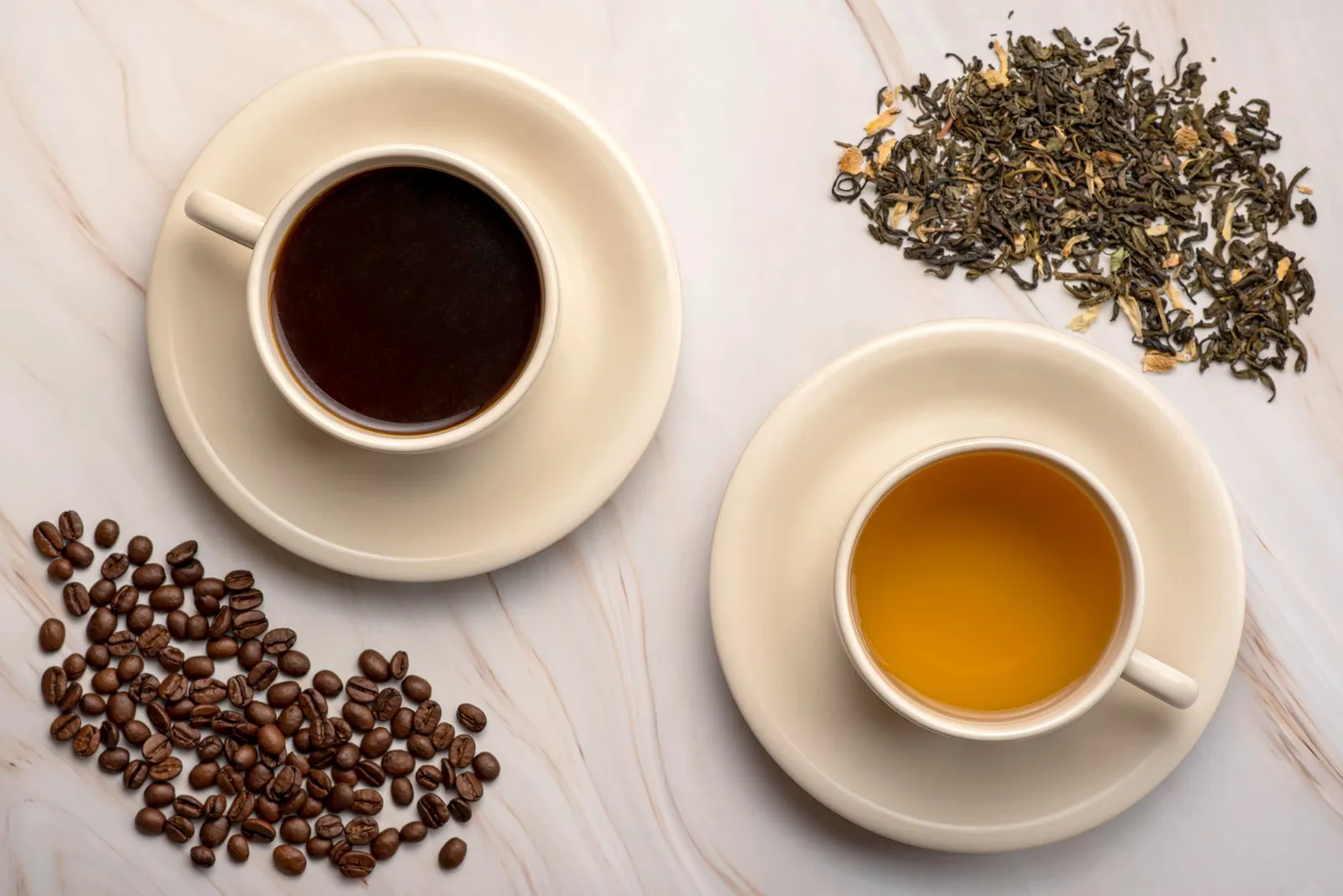
Matcha and green tea both come from the same plant, but they're not equal in nutrition. Here's an honest comparison to help you choose what's right for you.
Matcha vs Green Tea: Which Is Healthier?
They both come from the same plant — Camellia sinensis — and they're both green. So why does matcha get all the health hype while regular green tea quietly sits in your kitchen cupboard? Are they really that different, or is this mostly clever marketing?
The honest answer: they are meaningfully different, and depending on your goals, one may suit you better than the other. Let's break it down.
Same Plant, Very Different Story
Green tea is made by picking leaves, steaming or pan-firing them to stop oxidation, then drying them. You brew them in hot water, drink the infusion, and discard the leaves.
Matcha is made from shade-grown tea leaves that are stone-ground into a fine powder. When you drink matcha, you're consuming the entire leaf — not just a steeped extract. That single difference changes everything.
Think of it like this: brewing green tea is like making a cup of tea from a tea bag, while matcha is like blending the whole thing and drinking the smoothie. You get more of everything — the good and the not-so-good.
Antioxidants: Matcha Wins, But by How Much?
The big health claim around both teas centers on catechins — a type of antioxidant — particularly one called EGCG (epigallocatechin gallate). EGCG has been studied for its role in reducing inflammation and supporting metabolic health.
Because you consume the whole leaf with matcha, the EGCG content in a single serving can be several times higher than in a cup of brewed green tea. Research suggests matcha may contain anywhere from three to ten times more EGCG per serving, though this varies considerably depending on the grade and origin of the matcha.
That said, a well-brewed cup of quality green tea still delivers a solid antioxidant punch. If you drink two or three cups a day, you're getting meaningful amounts too. For a broader look at what tea antioxidants can do for your cardiovascular system, this piece on cocoa and tea for heart health is worth reading.
Caffeine: A Clear Difference
Matcha contains more caffeine than regular green tea — typically around 60–80 mg per serving, compared to 25–40 mg in a cup of brewed green tea.
If you're sensitive to caffeine or trying to cut back, that gap matters. On the other hand, if you find regular green tea barely moves the needle, matcha's caffeine level might be exactly what you need.
Here's the interesting part: matcha also contains a higher concentration of L-theanine, an amino acid that promotes calm focus without drowsiness. The combination of caffeine and L-theanine in matcha tends to produce a smooth, sustained alertness — less "coffee jolt," more "in the zone." Many people find it easier on the stomach than coffee, too.
Green tea contains L-theanine as well, just in smaller amounts per cup.
Weight Management: Does Either Actually Help?
Both teas have been studied for their potential role in supporting metabolism and fat oxidation. The evidence is real but modest — don't expect either to do the heavy lifting on its own.
Green tea's catechins, especially in combination with caffeine, may give metabolism a small nudge. Matcha, with its higher catechin content, theoretically offers a stronger version of this effect. But the practical difference between drinking matcha and drinking two or three cups of quality green tea daily is probably small.
Timing and consistency matter more than which form you pick. If you're curious about timing specifically, when to drink green tea for weight loss is a useful read.
Taste and Practicality
Green tea is mild, slightly grassy, and easy to prepare — you just need hot water and a few minutes. Quality loose-leaf green tea is widely available across India and is fairly affordable.
Matcha has an earthy, umami-rich, slightly bitter flavour. Ceremonial-grade matcha made correctly (whisked with hot water) is genuinely delicious, but it requires a bit of practice and decent-quality powder. Cheap or low-grade matcha can taste chalky and harsh.
Cost is a real consideration. Good matcha is significantly more expensive than green tea, especially if you're buying ceremonial grade. Culinary-grade matcha (used in lattes, smoothies, cooking) is cheaper, but also lower in antioxidants.
Are There Any Downsides?
Both teas contain tannins, which can reduce non-heme iron absorption when consumed with or immediately after meals. If you're managing iron levels, it's worth reading about whether tea reduces iron absorption before making either a daily habit around mealtimes.
Matcha also carries a higher risk of lead contamination than brewed green tea, because you're consuming the whole leaf. Sourcing from reputable brands matters more with matcha than with regular green tea.
And because matcha has more caffeine, drinking it too late in the day can interfere with sleep for some people — something worth watching if you're already sensitive.
Head-to-Head Summary
| Matcha | Green Tea | |
|---|---|---|
| Antioxidants (EGCG) | Higher per serving | Moderate |
| Caffeine | Higher (60–80 mg) | Lower (25–40 mg) |
| L-theanine | Higher | Moderate |
| Cost | Higher | Lower |
| Convenience | Needs preparation | Very easy |
| Taste | Earthy, umami, bold | Mild, grassy |
| Risk of consuming contaminants | Slightly higher (whole leaf) | Lower |
Which Should You Choose?
If you want the highest antioxidant dose per cup, enjoy the taste, and don't mind the cost — matcha is the better pick.
If you want an easy, affordable, low-caffeine option you can drink throughout the day without fuss — quality green tea is absolutely sufficient, and there's solid research behind it. You might also find it interesting to see how green tea compares to black tea to round out your options.
Honestly, there's no wrong answer here. Both are genuinely good for you. The best choice is the one you'll actually drink consistently. And if you want to explore how other teas support your health — from digestion to immunity — there's a helpful guide on the best tea for immunity during monsoon that covers a wider range of options for Indian readers.
Latest Articles
How to Eat Soaked Almonds Daily for Best Results
Soaked almonds pack more nutrition than raw ones. Here's exactly how to eat them daily — the right time, quantity, and simple habits that actually work.

How to Feed Goats During Monsoon Season
Monsoon changes everything for goat farmers. Learn exactly what to feed your goats during the rainy season to keep them healthy, productive, and disease-free.

Best Feed for Goats in Summer Heat
Struggling to keep your goats healthy in hot weather? Discover the best summer feed for goats to maintain weight, milk, and energy when temperatures soar.

Goat Milk for Lactose Intolerance: Does It Help?
Think goat milk is lactose-free? It's not — but it may still be easier to digest. Here's what the science actually says about goat milk and lactose intolerance.
Is Goat Meat Good for Weight Loss?
Wondering if goat meat fits into a weight loss diet? Here's what its nutrition profile really means for your goals — no fluff, just facts.

Goat Milk vs Cow Milk: Which Is Better for You?
Goat milk vs cow milk — which should you choose? Compare nutrition, digestion, taste, and health benefits to find the best fit for your diet.
Frequently Asked Questions
⚕️ Medical Disclaimer
This article is for informational and educational purposes only and is not a substitute for professional medical advice, diagnosis, or treatment. Always consult a qualified healthcare provider with any questions about a medical condition. Read full disclaimer.
Editorial note: This article was researched and written with the assistance of AI tools and reviewed by the Nutrikoo editorial team for accuracy and clarity. It is for general information only and is not medical advice. See our editorial policy.
Get healthy tips in your inbox
Join the Nutrikoo newsletter for science-backed nutrition, recipes and wellness — no spam, unsubscribe anytime.