
Mango: Nutrition, Benefits & How to Eat It Right

By A Reza, Health & Nutrition Writer
9 June 2026 · 7 min read · 4 views

Mango is delicious — but is it actually good for you? Here's what the science says about its nutrition, real health benefits, and how to eat it smartly.
Mango: Nutrition, Benefits & How to Eat It Right
There's a reason mangoes cause genuine excitement every summer. From Alphonso to Kesar, Totapuri to Dasheri — the minute the season arrives, most of us stop pretending we'll "have just one slice." But somewhere between the joy and the guilt, a real question shows up: is mango actually good for you, or are you basically eating candy off a tree?
Let's sort that out properly — the nutrition, the real benefits, the caveats, and exactly how to get the most from this fruit without overthinking it.
What's Actually Inside a Mango?
Mangifera indica is one of the most nutritionally dense tropical fruits available, and it's worth knowing why before you either binge guilt-free or avoid it unnecessarily.
A 100g serving of ripe mango gives you roughly:
- Calories: 60–65 kcal
- Carbohydrates: 15g (of which natural sugars ~13g)
- Dietary Fiber: 1.6g
- Vitamin C: Around 35–40% of your daily requirement
- Vitamin A (as beta-carotene): 25–30% of daily requirement
- Folate: Around 10–12% of daily requirement
- Potassium: A decent 150–160mg
- Fat and Protein: Both minimal
So no, mango is not a nutritional lightweight. It's rich in vitamins C and A, contains useful amounts of folate and potassium, and brings along a range of antioxidants — particularly mangiferin, quercetin, and beta-carotene — that don't get nearly enough credit.
The Real Health Benefits (Without the Hype)
Antioxidants That Actually Do Something
Mangoes contain mangiferin, a unique polyphenol that has been studied for its anti-inflammatory and immune-supporting properties. Combined with beta-carotene — the compound responsible for mango's golden-yellow colour — you have a fruit that actively supports cellular health. Think of beta-carotene as a shield your body converts to vitamin A, helping maintain healthy skin, vision, and mucous membranes.
Vitamin C for Immunity and Skin
A single medium mango (around 150–200g) can cover more than half your daily vitamin C needs. That's meaningful, especially for immunity and collagen synthesis. If you're looking at fruit-based sources of vitamin C in the Indian diet, mango during its season is genuinely one of the better options — comparable to and sometimes competitive with amla in practical everyday quantities. For a deeper look at how vitamin C-rich fruits compare, the breakdown in Amla vs Blueberry: Which Berry Wins for Immunity? is worth reading.
Gut-Friendly, in Moderation
Mango contains both soluble and insoluble fibre, along with digestive enzymes like amylase that help break down complex carbohydrates. Eating mango regularly during season has been linked with improved gut motility in small studies. It's not a fibre powerhouse like oats or legumes, but it contributes meaningfully when eaten as part of a varied diet.
Folate for Pregnant Women and More
Folate is often associated with pregnancy nutrition, and mango is one of the tastier natural sources. It also plays a role in DNA synthesis and red blood cell formation, so this is a nutrient worth noting beyond just prenatal health.
What About the Sugar? Let's Be Honest.
This is the part that makes people nervous, and it deserves a straight answer.
Yes, mango is relatively high in natural sugars compared to berries or citrus. Its glycemic index sits in the medium range (around 51–56), which means it raises blood sugar more slowly than white bread but faster than, say, jamun. If you're managing blood sugar carefully, mango does require some thought — and a fruit like jamun (Syzygium cumini) has properties that make it particularly useful for glycaemic control, as explored in detail in Why Jamun Beats Most Berries for Blood Sugar Control.


That said, a serving of mango (roughly 100–150g, about 1 cup of cubed fruit) is unlikely to be harmful for most healthy adults. Context matters enormously here. Eating mango at the end of a meal that contains protein, fat, and fibre slows sugar absorption significantly. Eating three mangoes at 11pm on an empty stomach — that's a different conversation.
For those monitoring added sugars elsewhere in the diet, it's also worth checking where your real sugar load is coming from. Hidden Sugar in Indian Packaged Foods You Think Are Healthy often reveals bigger culprits than seasonal fruit.
How to Eat Mango Smartly: Step-by-Step Guidance
Step 1: Mind Your Portion
A reasonable daily portion is 100–150g of ripe mango — roughly one small mango or half a large one. This gives you the vitamins and antioxidants without an unnecessary sugar load. You don't need to weigh it obsessively, just be aware that "a few pieces" can quietly become "half a kilo" on a hot afternoon.
Step 2: Pair It With Protein or Fat
Eating mango alongside a handful of nuts, a bowl of curd, or even as part of a meal slows down how quickly the sugars enter your bloodstream. Alphonso with a small bowl of Greek yoghurt? That's genuinely a smart combination — tasty and metabolically kinder.
Step 3: Choose the Right Time of Day
Earlier in the day is better for fruit consumption for most people. Morning or as a mid-morning snack works well. Late-night fruit eating, especially high-sugar fruits, is worth avoiding if you're watching your weight or blood sugar.
Step 4: Prefer Whole Mango Over Juice
Mango juice or commercially packaged mango drinks strip out most of the fibre and often add sugar on top. Whole fruit, every time. Even a homemade aamras loses significant fibre compared to eating the fruit directly.
Step 5: Don't Soak It in Milk and Sugar Every Time
Mango milkshake is wonderful. But daily mango + full-fat milk + sugar is a calorie-dense habit that sneaks up on you. Enjoy it occasionally, and lean toward plain mango as your everyday option.
Raw Mango Has Its Own Strengths
Don't overlook kacha (raw) mango. Raw green mango is lower in sugar and higher in pectin, which supports gut health. It's also a decent source of vitamin C and has traditionally been used to prevent heatstroke during Indian summers. Aam panna (raw mango drink with cumin and mint) is a genuinely functional summer cooler — especially when made with minimal added sugar.
How Many Mangoes Per Day Is Too Many?
For a healthy adult without diabetes or metabolic concerns, one medium mango a day during season is perfectly fine. Two smaller ones is likely still okay. The problem isn't usually the mango — it's everything else around it. If your overall diet is balanced, you don't need to treat mango like contraband.
If you're working on building balanced, nutrient-dense meals around seasonal produce, this guide on Meal Prep a Week of Healthy Indian Lunches in 2 Hours has some useful practical frameworks.
Latest Articles
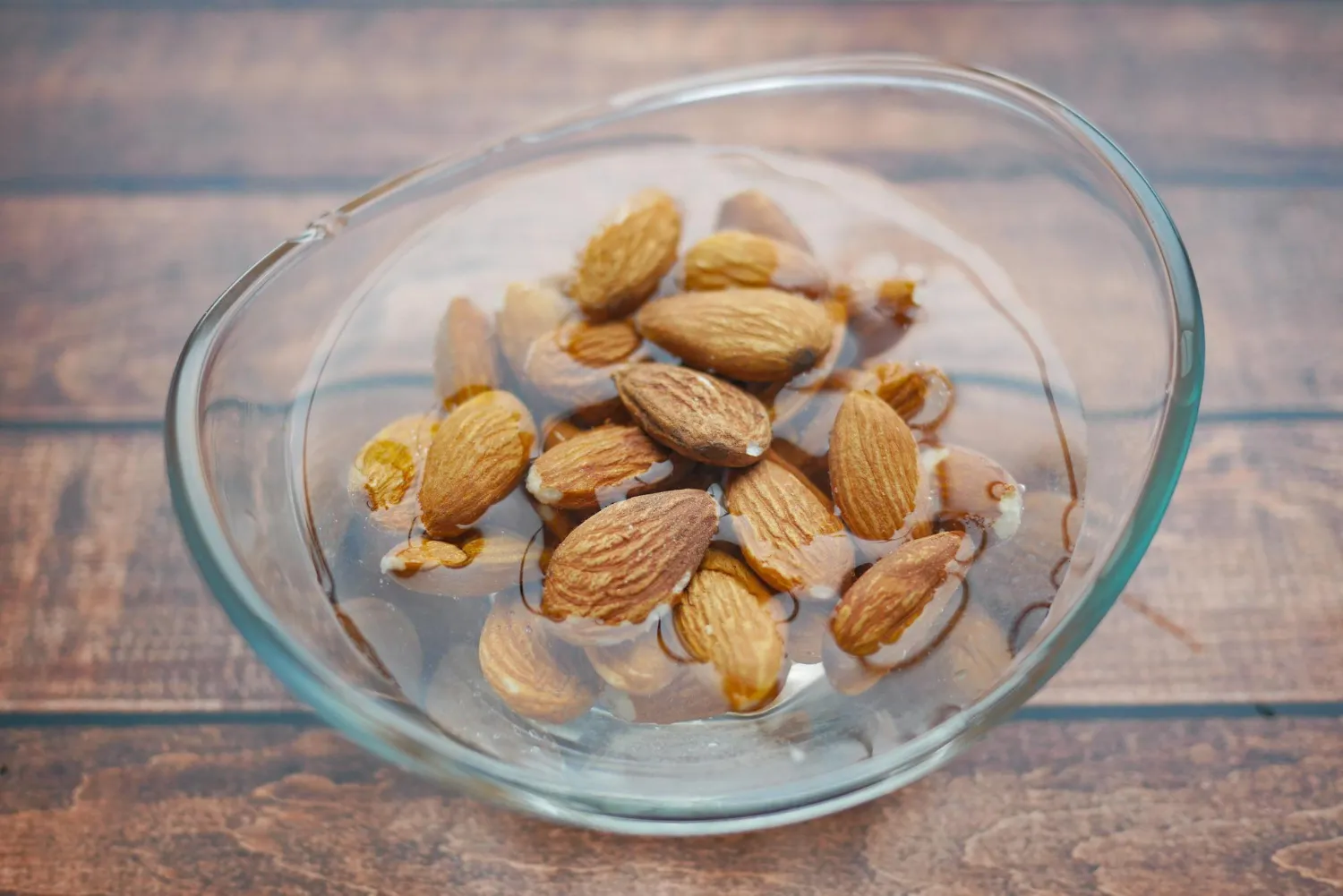
How to Eat Soaked Almonds Daily for Best Results
Soaked almonds pack more nutrition than raw ones. Here's exactly how to eat them daily — the right time, quantity, and simple habits that actually work.

How to Feed Goats During Monsoon Season
Monsoon changes everything for goat farmers. Learn exactly what to feed your goats during the rainy season to keep them healthy, productive, and disease-free.

Best Feed for Goats in Summer Heat
Struggling to keep your goats healthy in hot weather? Discover the best summer feed for goats to maintain weight, milk, and energy when temperatures soar.

Goat Milk for Lactose Intolerance: Does It Help?
Think goat milk is lactose-free? It's not — but it may still be easier to digest. Here's what the science actually says about goat milk and lactose intolerance.

Is Goat Meat Good for Weight Loss?
Wondering if goat meat fits into a weight loss diet? Here's what its nutrition profile really means for your goals — no fluff, just facts.

Goat Milk vs Cow Milk: Which Is Better for You?
Goat milk vs cow milk — which should you choose? Compare nutrition, digestion, taste, and health benefits to find the best fit for your diet.
Frequently Asked Questions
⚕️ Medical Disclaimer
This article is for informational and educational purposes only and is not a substitute for professional medical advice, diagnosis, or treatment. Always consult a qualified healthcare provider with any questions about a medical condition. Read full disclaimer.
Get healthy tips in your inbox
Join the Nutrikoo newsletter for science-backed nutrition, recipes and wellness — no spam, unsubscribe anytime.