

Brown Rice vs White Rice: Which Is Healthier?

By Payal, Content Reviewer
9 July 2026 · 7 min read · 1 views
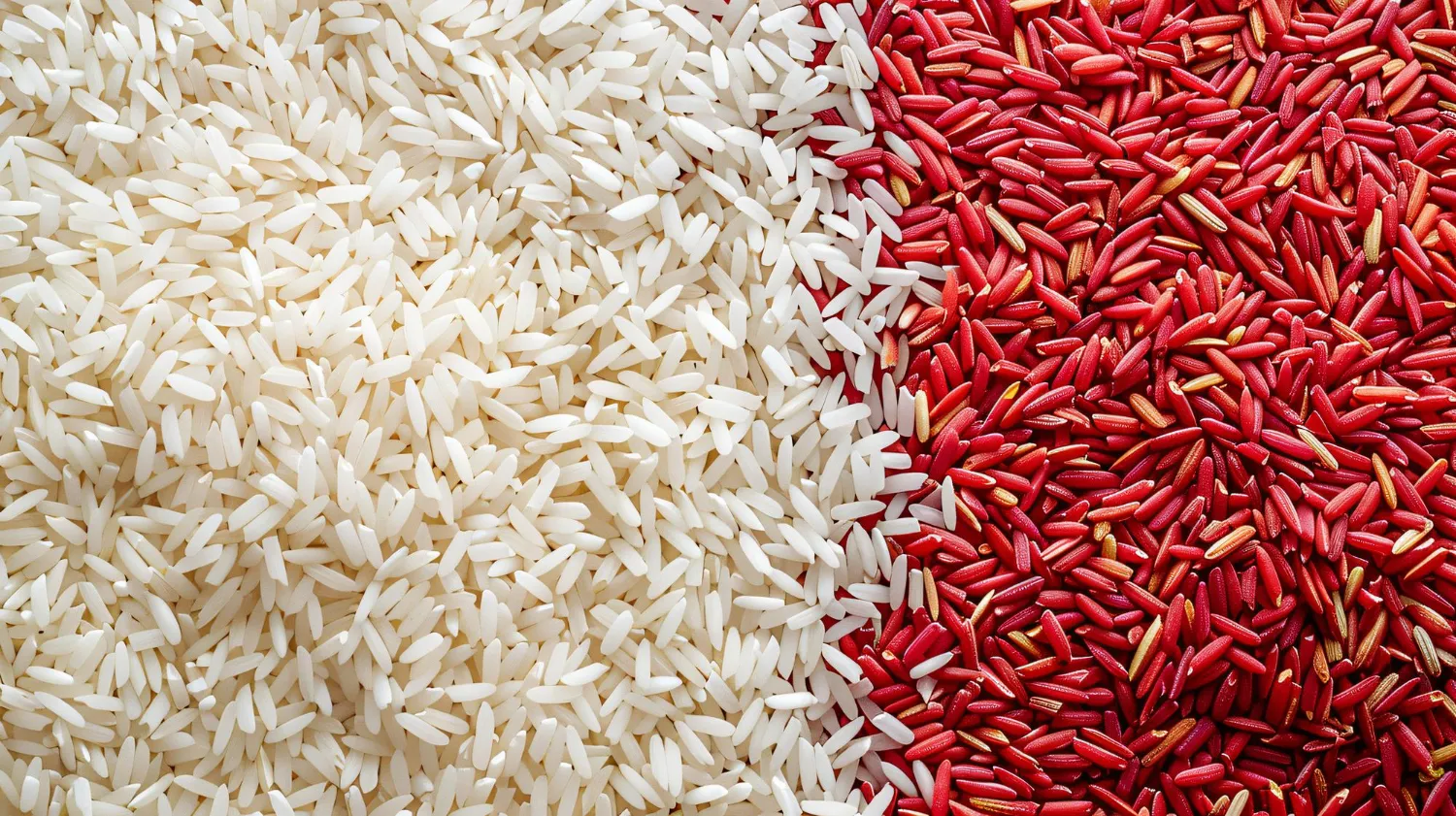
Brown rice or white rice — which should you eat? We break down the nutrition, health benefits, and the honest answer for Indian diets and everyday meals.
Brown Rice vs White Rice: Which Is Healthier?
Picture this: you're dishing out rice at dinner, and someone at the table says, "shouldn't we be eating brown rice instead?" Cue the debate. Half the family insists white rice is fine — it's what we've always eaten. The other half has heard brown rice is healthier. Nobody's quite sure who's right.
This is one of the most common nutrition questions in Indian households, and honestly, the answer is more nuanced than most wellness articles let on. Let's sort through the actual differences and figure out what makes sense for your plate.
What Actually Happens When Rice Is Milled
Both brown and white rice start as the same grain — Oryza sativa. The difference is entirely in how they're processed.
Brown rice is a whole grain. The outer bran layer and the germ are kept intact. White rice is brown rice that's been milled to remove those layers, leaving mostly the starchy endosperm. That milling process is what makes white rice softer, quicker to cook, and much more shelf-stable — but it also strips away a good chunk of the nutrition.
Think of it like bread: brown rice is closer to whole wheat, white rice closer to refined white flour.
The Nutrition Breakdown: What You're Actually Getting
Here's a rough comparison for one cooked cup (around 200g) of each:
| Nutrient | Brown Rice | White Rice |
|---|---|---|
| Calories | ~215 kcal | ~205 kcal |
| Carbohydrates | ~45g | ~45g |
| Fiber | ~3.5g | ~0.6g |
| Protein | ~5g | ~4g |
| Magnesium | Higher | Lower |
| B Vitamins | Higher | Much lower (unless enriched) |
| Iron | Higher | Lower |
The calorie count is nearly the same. White rice isn't dramatically more fattening than brown rice by itself — the bigger difference is in fiber, micronutrients, and how your body processes each one.
The Fiber Gap Is a Big Deal
The most significant nutritional difference is fiber. Brown rice has roughly six times more fiber per serving than white rice. That fiber slows digestion, helps you feel fuller for longer, and feeds the beneficial bacteria in your gut.
If you're trying to manage your weight or just avoid that 3 PM slump after lunch, that extra fiber genuinely helps. You can read more about how this works in our piece on does fiber help with weight loss — the short version is that fiber is one of the few things in nutrition that pretty much everyone agrees on.
Brown rice's fiber content also makes it a solid choice for gut health. We know from research that a diet rich in whole grains supports a more diverse gut microbiome, which matters more than most people realise. For more on building that kind of gut-friendly diet, take a look at best Indian foods for a healthy gut.
Blood Sugar and Glycemic Index
White rice has a higher glycemic index (GI) — meaning it raises blood sugar more quickly after a meal. Brown rice, with its fiber and intact bran, digests more slowly and produces a more gradual rise in blood sugar.
This matters most if you have diabetes, prediabetes, or are simply trying to avoid energy crashes. That said, GI is only part of the picture. How much you eat, what you eat it with, and how active you are all affect how your body handles rice.
Pairing white rice with dal, vegetables, curd, or a protein source brings the overall glycemic load of the meal down considerably. So a meal of white rice, rajma, and salad is still a solid, balanced option.
What About Digestion?
Here's where white rice gets its defence. It's genuinely easier to digest — which is exactly why it's recommended when you have an upset stomach, diarrhoea, or are recovering from illness. The low fiber content, which is a drawback in everyday eating, becomes an advantage when your gut needs a break.
For people with irritable bowel syndrome (IBS) or other digestive sensitivities, white rice can sometimes be the more comfortable choice. Brown rice's bran layer, while nutritious, can occasionally cause bloating or discomfort in people with sensitive guts, especially in large quantities.
Is White Rice Actually Bad for You?
Let's be direct: white rice is not poison. Cultures across South and East Asia have eaten it as a staple for centuries and haven't exactly collapsed. The problem in modern diets is usually not white rice alone — it's white rice eaten in very large portions, with little protein or vegetables, alongside processed snacks, sugary drinks, and minimal physical activity.
When white rice is part of an otherwise varied, nutrient-rich diet, it's quite fine for most healthy people. The issue is when it crowds out everything else.
The Case for Brown Rice — Without the Hype
Brown rice genuinely is more nutritious. More fiber, more magnesium, more B vitamins, a lower glycemic response. If you're focused on weight management, blood sugar control, or overall long-term health, making the switch is worth it.
If you're already exploring other whole grain options, the article on best whole grains for weight loss is worth reading — there are some underrated choices beyond just rice.
Practical Tips for Making the Switch
Brown rice tastes different — nuttier, chewier, and a little denser. Not everyone loves it right away, and that's okay. A few things that help:
- Start with a blend. Cook half brown, half white rice together. The texture is more familiar, and you're still getting more fiber and nutrients than plain white.
- Soak it first. Soaking brown rice for 30 minutes before cooking reduces cooking time and makes the texture softer.
- Use a pressure cooker. In an Indian kitchen, the pressure cooker makes brown rice just as easy as white.
- Season it well. Brown rice absorbs flavours beautifully — a little cumin, a bay leaf, or cooking it in a light vegetable broth makes a big difference.
What About Parboiled Rice?
Worth mentioning: parboiled rice (like Sela rice or some South Indian varieties) sits somewhere in between. The parboiling process partially cooks the rice while still in its husk, pushing some nutrients from the bran into the grain. The result is white-looking rice with better nutritional retention than regular white rice and a lower glycemic index. It's a practical middle-ground that many Indian households already use without realising it.
Latest Articles

Best Whole Grains for Weight Loss (Ranked)
Want to lose weight without starving? These whole grains keep you full, balance blood sugar, and fit perfectly into Indian meals. Here's how to use them.
Leafy Greens in Monsoon: Safe to Eat or Not?
Should you avoid leafy greens in monsoon? Here's what's actually risky, what's safe, and how to eat them without getting sick this rainy season.
Best Vegetables to Eat in Monsoon Season
Think you should avoid all veggies in monsoon? Think again. Here are the safest, healthiest vegetables to eat during the rainy season in India.
Bhindi Benefits for Diabetes: What You Should Know
Can bhindi really help manage blood sugar? Discover the science-backed benefits of okra for diabetes, how to eat it, and what to watch out for.
High Fiber Vegetables for Weight Loss
Want to lose weight without starving? These high fiber vegetables keep you full, support digestion, and make weight loss more sustainable and satisfying.
Cabbage for Gut Health: Benefits You Should Know
Cabbage is more than a budget veggie. Discover how it feeds good gut bacteria, eases digestion, and supports a healthier stomach naturally.
Frequently Asked Questions
⚕️ Medical Disclaimer
This article is for informational and educational purposes only and is not a substitute for professional medical advice, diagnosis, or treatment. Always consult a qualified healthcare provider with any questions about a medical condition. Read full disclaimer.
Editorial note: This article was researched and written with the assistance of AI tools and reviewed by the Nutrikoo editorial team for accuracy and clarity. It is for general information only and is not medical advice. See our editorial policy.
Get healthy tips in your inbox
Join the Nutrikoo newsletter for science-backed nutrition, recipes and wellness — no spam, unsubscribe anytime.