
Cocoa and Tea for Heart Health: What Research Says

By A Reza, Health & Nutrition Writer
11 June 2026 · 7 min read · 0 views
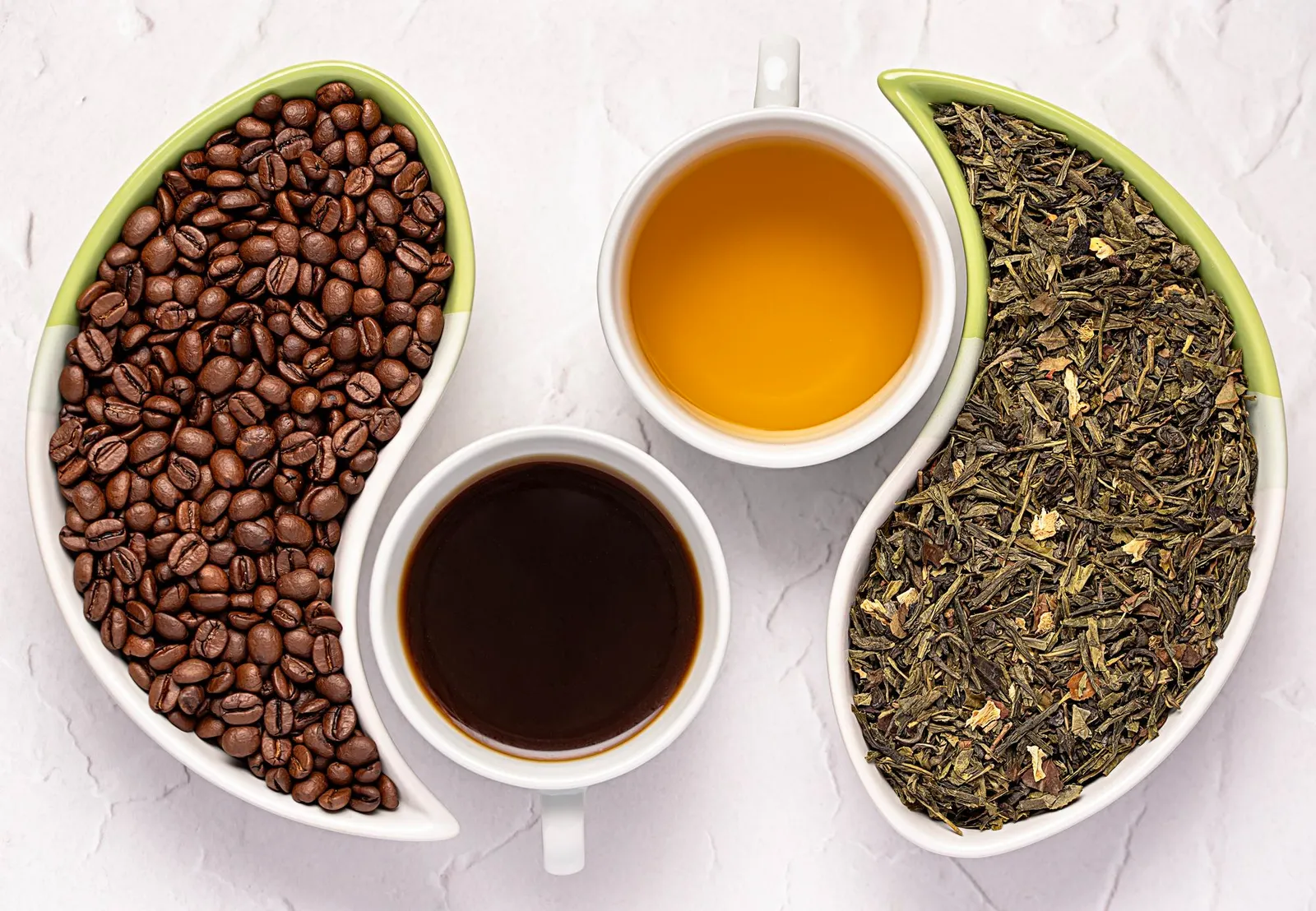
Can cocoa and tea actually protect your heart? Here's what the science really says — plus practical tips to use both wisely in your daily routine.
Cocoa and Tea for Heart Health: What Research Says
Your morning cup of tea and an evening square of dark chocolate — turns out, these small pleasures might be doing your heart a quiet favour. But before you use this as an excuse to eat half a chocolate bar, let's look at what research actually says, how much you need, and how to make both work for your cardiovascular health.
Think of this as your practical guide — from someone who's read through the science and wants to give you a straight answer.
Why Your Heart Cares About Polyphenols
Both cocoa (Theobroma cacao) and tea (Camellia sinensis) are rich in polyphenols — plant compounds with antioxidant and anti-inflammatory properties. The ones in cocoa are called flavanols (mainly epicatechin). The ones in tea are called catechins (most famously EGCG, or epigallocatechin gallate).
Here's the key idea: oxidative stress and chronic low-grade inflammation are two major drivers of heart disease. Polyphenols help counter both. They also support the inner lining of your blood vessels — the endothelium — which controls how well your arteries relax and handle blood flow. When the endothelium works well, blood pressure stays in check and the arteries are less prone to plaque build-up.
What Research Says About Cocoa
Cocoa, Blood Pressure, and Blood Vessels
Several clinical studies and meta-analyses have found that regular cocoa flavanol consumption can produce modest but meaningful reductions in blood pressure — particularly in people who already have elevated readings. The effect is linked to increased production of nitric oxide, a compound that tells blood vessel walls to relax.
If you want a deeper look specifically at blood pressure, check out Is Cocoa Good for Blood Pressure? — it breaks down the mechanisms and realistic expectations.
Cocoa and Cholesterol
Cocoa has also shown some ability to mildly reduce LDL (the "bad" cholesterol) and oxidised LDL — the more dangerous form that contributes to arterial plaque. Some studies suggest it may slightly raise HDL (the "good" cholesterol) as well. These effects are modest, not dramatic, but they point in the right direction.
The Form of Cocoa Matters Enormously
Raw cocoa powder and minimally processed dark chocolate retain the most flavanols. Highly processed cocoa — including most milk chocolates and heavily alkalized (Dutch-processed) cocoa powder — loses a significant portion of these compounds during manufacturing.
So if heart health is your goal, high-quality dark chocolate (70% cacao or higher) or minimally processed cocoa powder is what you want. If you're choosing between products, our comparison of Cocoa Powder vs Dark Chocolate: Which Is Healthier? is a useful read.
What Research Says About Tea
Green Tea and the Heart
Green tea has been studied extensively, particularly in large population studies from Japan and China. Regular green tea drinkers tend to show lower rates of cardiovascular disease, though population studies can only show association, not cause-and-effect.

Where the evidence gets more convincing is in controlled trials: green tea catechins have been shown to reduce LDL cholesterol, lower blood pressure, and improve endothelial function — sometimes within weeks of regular consumption. The mechanism is similar to cocoa: antioxidant action, reduced inflammation, and better blood vessel flexibility.
For a side-by-side view of your options, Green Tea vs Black Tea: Which Is Better? goes into the polyphenol differences between the two.
Black Tea Is No Slouch Either
Black tea — the base for your masala chai or the plain cup many Indians drink daily — is fermented, which converts catechins into other compounds called theaflavins and thearubigins. These are also bioactive and have shown cardiovascular benefits in several studies, including modest reductions in blood pressure and LDL cholesterol.
So if green tea isn't your thing, your daily black tea still counts.
How Much Tea Is Enough?
Most studies that found cardiovascular benefits used 2–4 cups per day of green or black tea. That's genuinely achievable. More than 5–6 cups, though, can bring issues — particularly around iron absorption. If you drink a lot of tea with your meals, it's worth reading Does Tea Reduce Iron Absorption? to understand how to time your cups sensibly.
Putting It Into Practice: A Simple Daily Approach
Here's how to actually use this knowledge, step by step.
Step 1: Pick your tea and stick with it. Green tea or black tea both work. Choose the one you'll actually drink consistently. Two to three cups spread through the day is a realistic, evidence-supported habit.
Step 2: Time your tea away from iron-rich meals. Drink tea 30–60 minutes before or after meals, not during, especially if your diet is plant-based or you're anaemic.
Step 3: Add cocoa powder strategically. A teaspoon of unsweetened, minimally processed cocoa powder in warm milk (a homemade, low-sugar version of hot chocolate), a smoothie, or even a bowl of oats is an easy daily addition. Don't rely on a milk chocolate bar and assume you're covered — it won't have the flavanol levels you need.
Step 4: If you choose dark chocolate, keep portions real. 20–30 grams of 70%+ dark chocolate a day is where the benefits lie. Beyond that, you're adding significant saturated fat and calories, which can counteract the cardiovascular gains.
Step 5: See these as part of a heart-healthy diet, not a fix. Cocoa and tea support heart health — they don't override a poor diet. Pairing them with a diet rich in nuts, seeds, vegetables, and whole grains gives you a much stronger foundation. For example, adding Best Nuts for Heart Health into your weekly meals alongside these beverages genuinely compounds the benefit.
A Few Honest Caveats
Research in this area is encouraging, but most clinical trials are short-term, and effect sizes are often modest. Cocoa and tea are valuable additions to a heart-healthy lifestyle, not substitutes for managing cholesterol medically if your doctor has recommended it, quitting smoking, or getting regular exercise.
Also, the polyphenol content of any given product varies widely depending on how it's grown, processed, and stored. There's no universal "dose" that guarantees a specific outcome.
Latest Articles
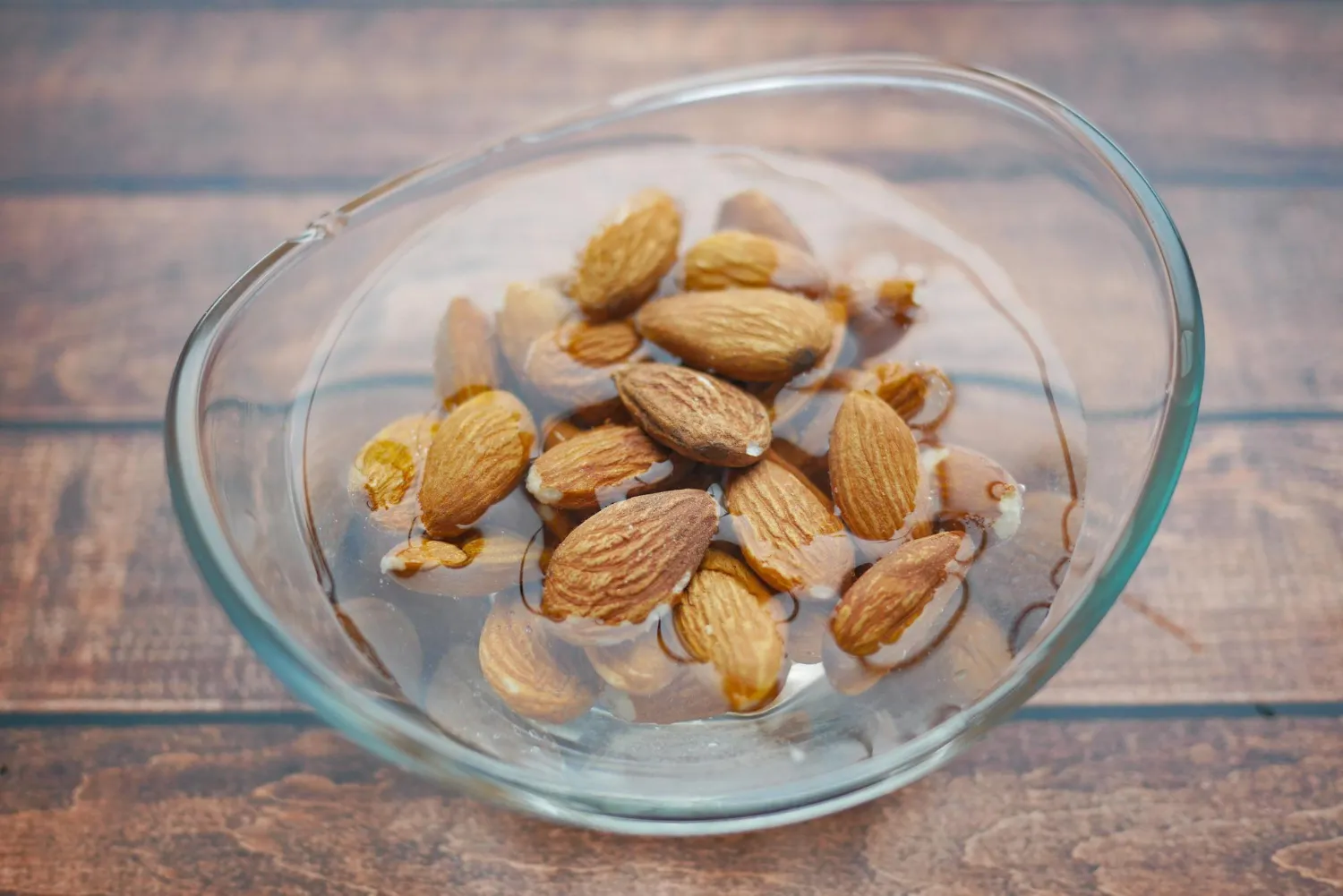
How to Eat Soaked Almonds Daily for Best Results
Soaked almonds pack more nutrition than raw ones. Here's exactly how to eat them daily — the right time, quantity, and simple habits that actually work.

How to Feed Goats During Monsoon Season
Monsoon changes everything for goat farmers. Learn exactly what to feed your goats during the rainy season to keep them healthy, productive, and disease-free.

Best Feed for Goats in Summer Heat
Struggling to keep your goats healthy in hot weather? Discover the best summer feed for goats to maintain weight, milk, and energy when temperatures soar.

Goat Milk for Lactose Intolerance: Does It Help?
Think goat milk is lactose-free? It's not — but it may still be easier to digest. Here's what the science actually says about goat milk and lactose intolerance.

Is Goat Meat Good for Weight Loss?
Wondering if goat meat fits into a weight loss diet? Here's what its nutrition profile really means for your goals — no fluff, just facts.

Goat Milk vs Cow Milk: Which Is Better for You?
Goat milk vs cow milk — which should you choose? Compare nutrition, digestion, taste, and health benefits to find the best fit for your diet.
Frequently Asked Questions
⚕️ Medical Disclaimer
This article is for informational and educational purposes only and is not a substitute for professional medical advice, diagnosis, or treatment. Always consult a qualified healthcare provider with any questions about a medical condition. Read full disclaimer.
Get healthy tips in your inbox
Join the Nutrikoo newsletter for science-backed nutrition, recipes and wellness — no spam, unsubscribe anytime.