

Best Tea for Digestion During Monsoon

By A Reza, Health & Nutrition Writer
11 June 2026 · 7 min read · 0 views
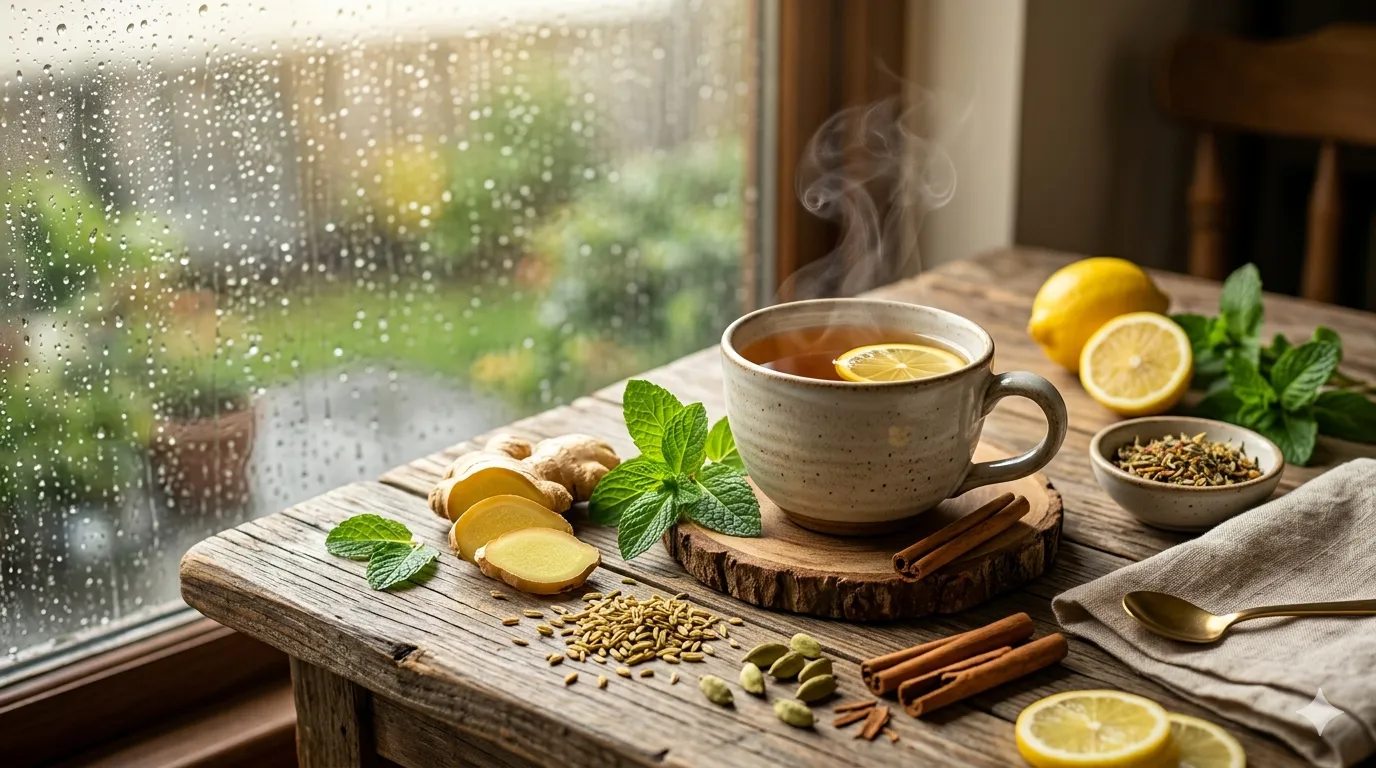
Monsoon slows your digestion more than you think. Discover the best teas to sip this rainy season to ease bloating, nausea, and sluggish gut health.
Best Tea for Digestion During Monsoon
Around 60 to 70 percent of Indians report some form of digestive discomfort during the monsoon months. That's not a coincidence — and it's not just about eating street food in the rain.
The real culprit is a combination of high humidity, sluggish metabolism, weaker digestive fire (what Ayurveda calls agni), and a shift in gut bacteria that happens every year when the season changes. Your body genuinely works differently in July and August than it does in April. And one of the simplest, cheapest ways to support your gut through this transition? A well-chosen cup of tea.
Let's go through the ones that actually work.
Why Monsoon Disrupts Your Digestion
Before jumping to solutions, it helps to understand the problem. Humidity reduces the body's ability to process food efficiently. You sweat less, your body cools itself differently, and digestive enzymes don't work at their peak. The result: bloating, gas, a heavy feeling after meals, occasional loose stools, or just that familiar sense that your stomach is "not right."
Add to this that monsoon brings an increase in waterborne pathogens, and your gut is basically fighting on two fronts. This is exactly why warm, herb-based teas have been part of Indian homes every rainy season for generations — they're not just comforting, they're genuinely functional.
The Best Teas to Sip This Rainy Season
1. Ginger Tea — The Gold Standard
Zingiber officinale has probably saved more monsoon stomachs than anything else. Ginger stimulates digestive enzymes, reduces nausea, and helps move food through the gut more efficiently. If you've ever felt queasy after a heavy meal during the rains, a small cup of fresh ginger tea — not the powdered stuff — works noticeably fast.
Make it simply: crush a thumb-sized piece, steep in boiling water for 5 minutes, add a squeeze of lemon and a small pinch of black salt. Drink it warm, not hot.
Ginger also pairs beautifully with other spices. If you want a more robust version, the classic masala chai benefits in the rainy season are worth exploring — that spiced brew combines ginger with cardamom, cloves, and pepper, all of which support digestion in complementary ways.
2. Fennel Tea — For Bloating Specifically
Foeniculum vulgare — saunf — is what your grandmother put in the little dish after dinner. There's a reason for that. Fennel relaxes the muscles in the gastrointestinal tract, releasing trapped gas and reducing that post-meal bloat that gets especially bad in humid weather.
Fennel tea is mild, slightly sweet, and easy to drink even if your stomach is already upset. Crush a teaspoon of fennel seeds lightly, steep in hot water for 7 to 10 minutes, and strain. That's it.
3. Ajwain (Carom Seed) Tea — Underrated and Effective
Trachyspermum ammi, or ajwain, is one of those ingredients that's quietly present in every Indian kitchen but rarely gets the credit it deserves. The active compound thymol helps stimulate gastric juices and is particularly useful when you're dealing with indigestion or a heavy, greasy meal sitting like a stone in your stomach.
A simple ajwain tea — half a teaspoon of seeds simmered in a cup of water for a few minutes — works faster than most over-the-counter antacids for mild indigestion. It's sharp and peppery, so add a tiny bit of honey if you find it too strong.



4. Peppermint Tea — Cooling and Calming
Mentha piperita might seem counterintuitive in a cool, wet season, but peppermint's benefits for digestion are real and well-studied. It relaxes the smooth muscle of the intestines, which means less cramping and a quieter, more comfortable gut.
It's particularly good if your digestion is accompanied by stress — a combination that's more common than people admit. If that sounds familiar, you might also find value in reading about herbal tea for stress and anxiety relief, because a tense gut and a tense mind often need the same answer.
5. Cumin Tea — The Digestive Fire Restorer
Cuminum cyminum, or jeera, has a long track record in Ayurvedic practice for stimulating digestive enzymes and reducing flatulence. Cumin tea is warming in exactly the right way — it works from the inside, helping your digestive system run more efficiently even when the weather is working against it.
Dry roast a teaspoon of cumin seeds until they're fragrant, steep in hot water for 10 minutes, strain, and sip before or after meals. It has a nutty, earthy taste that most people genuinely enjoy.
6. Tulsi Tea — Antimicrobial and Digestive
Ocimum tenuiflorum (holy basil) is a monsoon essential. Tulsi has antimicrobial properties that can help protect the gut from the pathogens that circulate more freely in rainy season water and food. It also calms the gut lining and reduces nausea.
We've covered its broader protective role in detail in our piece on tulsi tea benefits for immunity — but know that your digestion is one of its most tangible benefits. You can combine tulsi with ginger for a genuinely powerful digestive tea.
7. Chamomile Tea — When Your Gut Needs to Settle
Matricaria chamomilla is gentle, which is exactly what you need on days when your stomach feels raw or overworked. It soothes intestinal inflammation, helps with cramps, and has mild antispasmodic properties. It's the tea you reach for when everything feels irritated rather than just sluggish.
A Few Practical Tips
- Drink your tea warm, not scalding. Extremely hot drinks can irritate the gut lining, which is counterproductive.
- Timing matters. Most digestive teas work best 20 to 30 minutes after a meal, not during.
- Go easy on milk. Adding full-fat milk to digestive teas blunts their effectiveness. Black or lightly sweetened with honey is better.
- One tea at a time. If you're trying to figure out what works for you, don't mix five herbs at once. Start with one for a few days.
One more thing — if you're a regular tea drinker, it's worth knowing how tea interacts with nutrient absorption. For instance, does drinking tea reduce iron absorption is a real concern for some people, especially if you're drinking multiple cups a day.
What to Avoid During Monsoon
Iced teas and cold beverages slow digestion further. Heavily sweetened tea adds a burden the gut doesn't need. And excessive black tea or coffee — both high in tannins — can be hard on a sensitive stomach. The best tea for immunity during monsoon is a useful companion read if you want to cover both digestive and immune bases this season.
Latest Articles
How to Eat Soaked Almonds Daily for Best Results
Soaked almonds pack more nutrition than raw ones. Here's exactly how to eat them daily — the right time, quantity, and simple habits that actually work.

How to Feed Goats During Monsoon Season
Monsoon changes everything for goat farmers. Learn exactly what to feed your goats during the rainy season to keep them healthy, productive, and disease-free.

Best Feed for Goats in Summer Heat
Struggling to keep your goats healthy in hot weather? Discover the best summer feed for goats to maintain weight, milk, and energy when temperatures soar.

Goat Milk for Lactose Intolerance: Does It Help?
Think goat milk is lactose-free? It's not — but it may still be easier to digest. Here's what the science actually says about goat milk and lactose intolerance.
Is Goat Meat Good for Weight Loss?
Wondering if goat meat fits into a weight loss diet? Here's what its nutrition profile really means for your goals — no fluff, just facts.

Goat Milk vs Cow Milk: Which Is Better for You?
Goat milk vs cow milk — which should you choose? Compare nutrition, digestion, taste, and health benefits to find the best fit for your diet.
Frequently Asked Questions
⚕️ Medical Disclaimer
This article is for informational and educational purposes only and is not a substitute for professional medical advice, diagnosis, or treatment. Always consult a qualified healthcare provider with any questions about a medical condition. Read full disclaimer.
Get healthy tips in your inbox
Join the Nutrikoo newsletter for science-backed nutrition, recipes and wellness — no spam, unsubscribe anytime.